If you’ve ever cringed at a repair estimate after a seemingly small fender-bender, you’re not alone. What used to be a straightforward fix—replace a bumper, touch up some paint, and get back on the road—can now run into thousands of dollars, even when the damage looks minimal. Nowdays, drivers are facing repair bills that have climbed dramatically, with average collision repair costs hovering around $4,700 to $5,000 per claim, and some minor incidents pushing well beyond that.
Industry data shows repair expenses have jumped more than 30% since 2021, with year-over-year increases hitting 15% or more in recent reports. This isn’t just inflation at work; it’s a fundamental shift in how cars are built and repaired. Let’s break down the main culprits and what it means for everyday drivers.
The Numbers Behind the Surge in Repair Costs
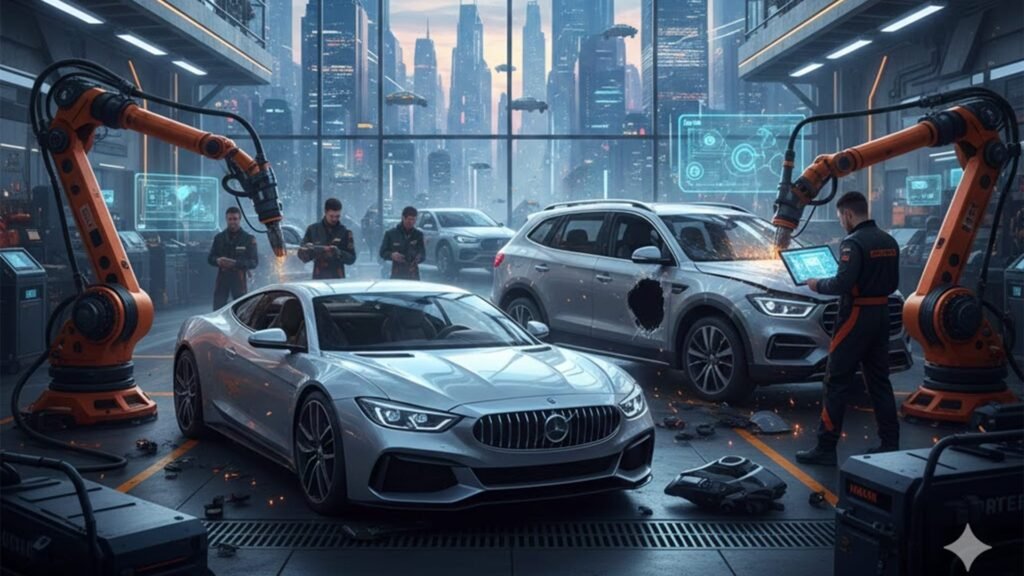
Repair costs aren’t rising evenly across the board—they’re accelerating faster than general consumer prices. Recent analyses from sources like CCC Intelligent Solutions and Mitchell International highlight a few stark trends:
- Average repairable claim severity has increased over 20% from 2020 to 2024, with newer models seeing even steeper jumps.
- Labor rates and parts prices continue to climb, driven by technician shortages and global supply issues.
- Even basic body work now often involves specialized diagnostics and calibrations that weren’t factors a decade ago.
The result? A low-speed parking lot scrape that might have cost $800-1,200 on a 2010-model car can easily exceed $3,000 on something built in the last five years.
Advanced Safety Tech: Great for Prevention, Costly for Repairs
Modern vehicles are packed with Advanced Driver Assistance Systems (ADAS)—things like automatic emergency braking, lane-keeping assist, adaptive cruise control, and blind-spot monitoring. These features rely on cameras, radar sensors, ultrasonic modules, and LIDAR units, many of which are mounted behind bumpers, in windshields, or integrated into headlights and grilles.
Here’s the catch: even light contact can misalign or damage these components. Replacing a sensor isn’t enough; it often requires precise recalibration using manufacturer-specific tools and software. Dealerships or certified shops charge premium rates for this work, and skipping it can disable safety features or trigger warning lights.
Common scenarios include:
- A cracked bumper cover requiring new radar sensors and a full front-end recalibration.
- Headlight assemblies that house multiple cameras, pushing replacement costs past $1,500 per side.
- Windshield replacements (often needed after minor rock chips) that demand camera recalibration for features like lane departure warnings.
Materials and Design Changes That Drive Up Bills
Today’s cars use lighter, stronger materials like high-strength steel, aluminum, and carbon fiber to improve fuel efficiency and crash performance. While that’s excellent for safety and emissions, these materials are trickier and more expensive to repair properly.
- Aluminum panels can’t be straightened as easily as traditional steel; they often need full replacement.
- Bonded and riveted structures (common in unibody designs) require specialized equipment that not every shop has.
- Aerodynamic styling means bumpers, spoilers, and trim pieces are more intricate, with integrated parking sensors adding to the tab.
Add in the fact that many parts are now “assemblies”—a single unit combining lights, sensors, and trim—and you’re looking at OEM prices that leave aftermarket options lagging behind.
Labor Shortages, Supply Issues, and Economic Pressures
Skilled collision technicians are in short supply, and the ones who handle modern vehicles need ongoing training on evolving tech. That expertise commands higher hourly rates—often $100-150 or more in urban areas.
Supply chain disruptions linger from the pandemic era, compounded by tariffs on imported parts in 2025. Delays mean shops sometimes hold vehicles longer, and rushed alternatives (like used parts) aren’t always viable for safety-critical components.
Real-World Examples: Minor Damage, Major Price Tags
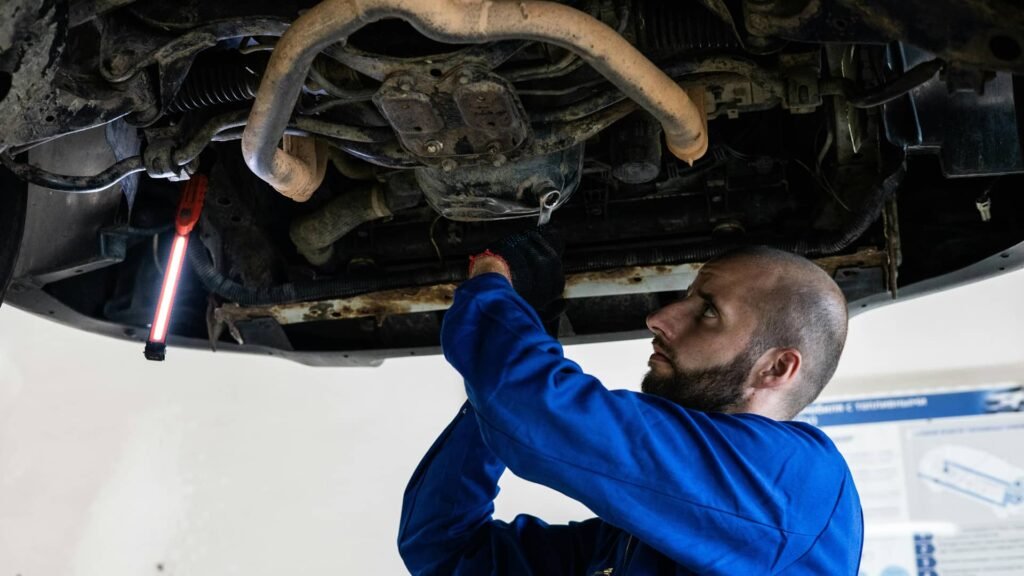
To illustrate how quickly costs add up, here’s a look at typical repair scenarios based on 2025 industry estimates:
| Repair Scenario | Older Vehicle (Pre-2015) Estimate | Modern Vehicle (2020+) Estimate | Primary Cost Drivers in Modern Cars |
|---|---|---|---|
| Front bumper scrape/replacement | $800 – $1,500 | $2,500 – $4,500 | Integrated radar/camera sensors, recalibration, painted assemblies |
| Rear-end collision (light) | $1,200 – $2,000 | $3,000 – $6,000 | Backup sensors, trunk lid cameras, structural adhesives |
| Windshield crack/replacement | $300 – $600 | $800 – $2,000+ | Forward-facing camera recalibration, acoustic/heated glass |
| Headlight damage | $200 – $800 | $1,200 – $3,000 per side | LED/matrix lighting, integrated ADAS modules |
| Minor fender bender | $1,000 – $2,500 | $3,500 – $7,000+ | Full diagnostic scan, multiple sensor alignments, premium paint |
These figures come from aggregated claims data and shop surveys; your actual bill will vary by make, model, location, and whether you use OEM parts.
The Total Loss Trap: When “Minor” Damage Ends a Car’s Life
Insurance companies declare a vehicle a total loss when repair costs approach or exceed 70-80% of its actual cash value (depending on state rules). With bills escalating so quickly, newer cars with modest damage are getting totaled more often. A $7,000 repair on a $12,000 used SUV? That’s a write-off, even if the car looks drivable.
This trend has pushed total loss frequency higher in recent years, leaving owners to navigate diminished value claims or hunt for replacements in a tight market.
What Drivers Can Do to Manage the Impact
While you can’t redesign the car industry overnight, a few practical steps can help:
- Choose models with strong repairability scores—check resources like the IIHS or consumer reports for vehicles that avoid excessive sensor integration.
- Maintain comprehensive coverage with reasonable deductibles to protect against big hits.
- Seek out certified repair shops that invest in the right tools; they may cost more upfront but prevent comebacks.
- Consider extended warranties or mechanical breakdown insurance for high-tech features.
- Drive defensively—avoiding the accident altogether remains the cheapest option.
At the end of the day, the tech making cars safer and smarter is undeniably progress. But it’s come at a price that’s hitting wallets harder than ever after even small mishaps. As vehicles continue evolving, expect these trends to persist unless manufacturers prioritize repair-friendly designs.
Useful Links: