In the automotive world of 2026, the traditional metric of “reliability” has undergone a radical, and somewhat painful, transformation. We used to worry about head gaskets, timing belts, and transmission fluid. Today, the most significant threat to your car’s dependability isn’t under the hood—it’s in the code.
As vehicles transition into Software-Defined Vehicles (SDVs), they are essentially becoming high-performance servers on wheels. While this allows for “cool” features like over-the-air (OTA) performance boosts, it has also introduced a level of complexity that the industry is struggling to contain.
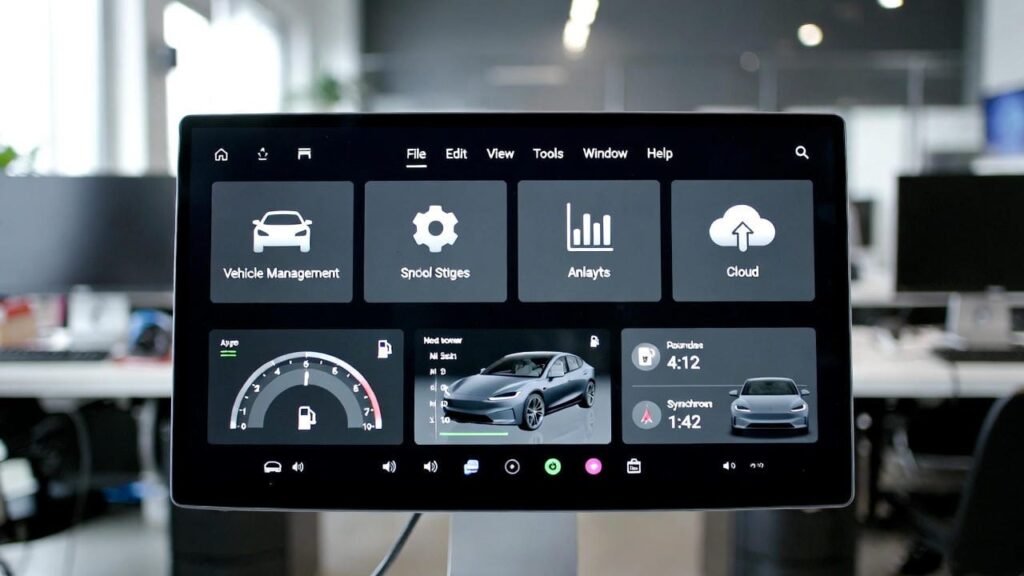
The Recall Crisis: Code vs. Chrome
In 2025 alone, U.S. automakers issued recalls affecting nearly 19.3 million vehicles through the first three quarters. A staggering portion of these—roughly 16% in Q3 2025—were addressed not by physical parts, but by software patches.
Manufacturers like Ford and Tesla have led the charts in recall volumes, largely because their vehicles are now so digitally integrated. When a braking algorithm or a rearview camera logic fails, it’s no longer a “minor glitch”—it’s a federal safety violation. The “Billion-Dollar Bug” is real; late-stage software fixes are estimated to cost the global industry billions annually in lost productivity and brand trust.
The “Smartphone on Wheels” Trap
The problem lies in the development cycle. Traditional cars were built on a 5-to-7-year hardware cycle. Software operates on a 2-week “sprint” cycle. When you force a 2-week cycle onto a 5-year safety-critical machine, you get what we see today: unstable infotainment, phantom braking, and “bricked” EVs after a failed update.
Comparison: Hardware Reliability vs. Software Stability (2026 Data)
| Potential Issue | Mechanical Era (Pre-2015) | Software-Defined Era (2026) | Impact on Driver |
| Primary Failure Point | Wear and tear of moving parts | Integration errors in the E/E architecture | Sudden system reboots while driving |
| Typical Recall Cause | Faulty airbags or fuel pumps | Glitches in the “Back Over Prevention” logic | Loss of safety-critical sensors |
| Fix Method | Physical visit to a dealership | Over-the-Air (OTA) Update | Convenient but can introduce new bugs |
| Ownership Satisfaction | High (if the car runs and drives) | Declining (due to subscription/UX friction) | “Digital fatigue” and frustration |
| Complexity Level | ~10-20 Electronic Control Units (ECUs) | Centralized High-Performance Compute (HPC) | A single failure can “darken” the whole car |
The Three “Pain Points” of Modern Car Software
1. Integration Bottlenecks
Modern cars run on an 8-layer software stack. If the “middleware” (the layer that allows the steering to talk to the AI) has even a microsecond of latency, the car’s safety systems can fail. In 2026, the industry is seeing a massive shortage of “Full-Stack” automotive engineers, leading to hasty integrations and “buggy” rollouts of new models.
2. Subscription Fatigue and “Features on Demand”
Software has enabled a new, and widely hated, revenue model: subscriptions. According to recent 2025 consumer surveys, nearly 69% of shoppers would switch brands if essential features (like heated seats or remote start) were locked behind a monthly paywall. The software isn’t just broken; for many, the business model it enables feels broken.
3. Cybersecurity and Data Privacy
With constant connectivity comes the “expanded attack surface.” In 2026, cybersecurity is no longer an afterthought. New regulations (like UN R155) now require automakers to prove their software is hardened against hackers. A software glitch that allows unauthorized entry isn’t just a “bug”—it’s a liability nightmare.
Why “Legacy” Brands Are Losing the Software War
Traditional giants like Volkswagen and Toyota built their empires on mechanical excellence. Transitioning to a “software-first” mindset requires a total cultural overhaul. This is why we’ve seen high-profile delays of flagship models like the Macan EV or various Audi platforms—the hardware was ready, but the code wasn’t.
Meanwhile, “born-digital” companies like Waymo and Tesla have a head start, but even they aren’t immune to the “edge case” problem: the infinite number of real-world scenarios that a computer program simply hasn’t seen yet.
How to Protect Yourself as a Buyer
If you’re shopping for a car in 2026, don’t just look at the horsepower. Look at the User Experience (UX) stability:
- Check the “Patch Notes”: Research how often a brand pushes OTA updates. Frequent updates are good; “emergency” updates to fix safety systems every month are a red flag.
- Avoid “First-Year” Tech: 2025 data shows that “carryover” models are significantly more dependable than all-new digital launches.
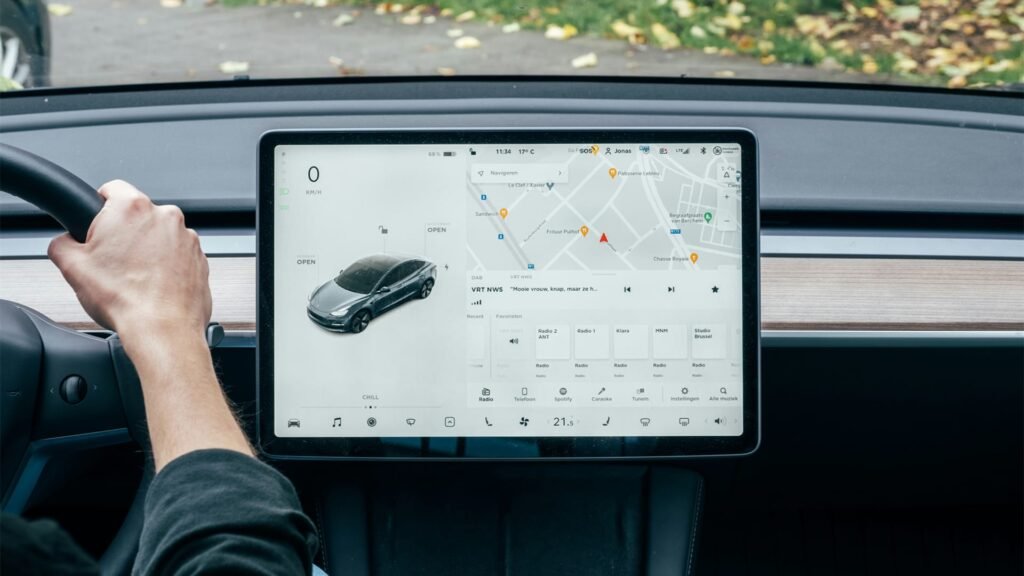
- Test the Infotainment: If the screen lags while doing something simple like adjusting the temperature, the underlying safety code might also be poorly optimized.
The Bottom Line
Software is the soul of the 2026 vehicle, but it’s currently the industry’s Achilles’ heel. Until automakers treat software with the same “zero-failure” rigor they apply to brake rotors and crash structures, the digital dashboard will remain the most unreliable part of your drive.
Would you like me to generate a “Software Reliability Scorecard” for a specific 2026 model you’re interested in, comparing its recall history to its competitors?
Car brands with the lowest repair rates
This video highlights which automotive brands are successfully maintaining mechanical and electrical reliability in an era where software-driven failures are becoming more common.
Useful Links: