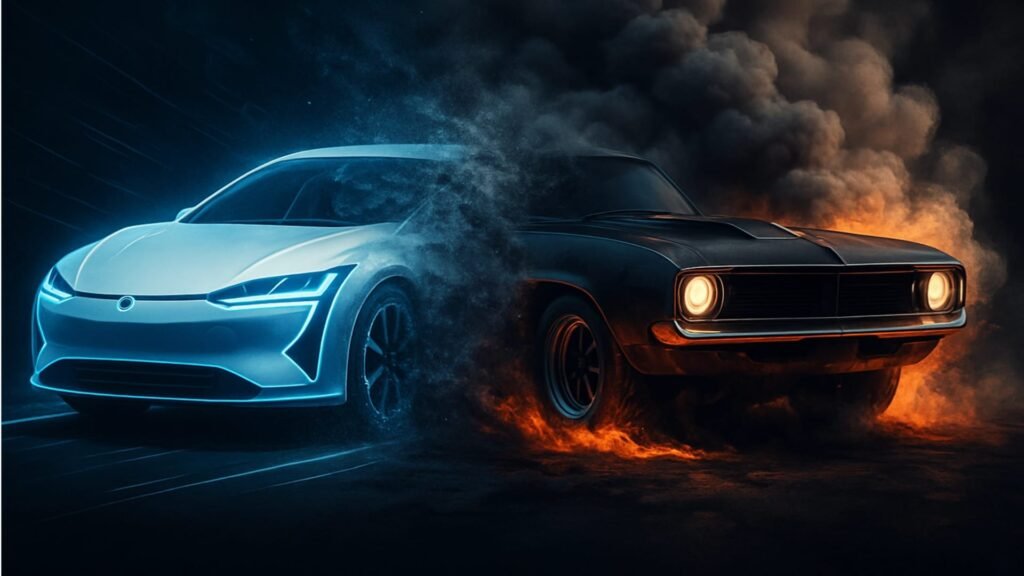
For the past five years, the narrative in the American automotive market was one of inevitable progression: Internal Combustion (ICE) was the past, and Battery Electric (BEV) was the future. However, recent data from S&P Global Mobility and McKinsey & Co. reveals a fascinating counter-trend. A significant cohort of early adopters—nearly 46% of EV owners in some surveys—report a likelihood of switching back to gas or hybrid vehicles for their next purchase.
This isn’t a rejection of technology, but rather a pragmatic recalibration. For a subset of the U.S. population, the “EV honeymoon” has ended, replaced by the friction of real-world infrastructure gaps and shifting economic variables. Here is an expert analysis of why some Americans are returning to the pump.
1. The Infrastructure “Trust Gap”
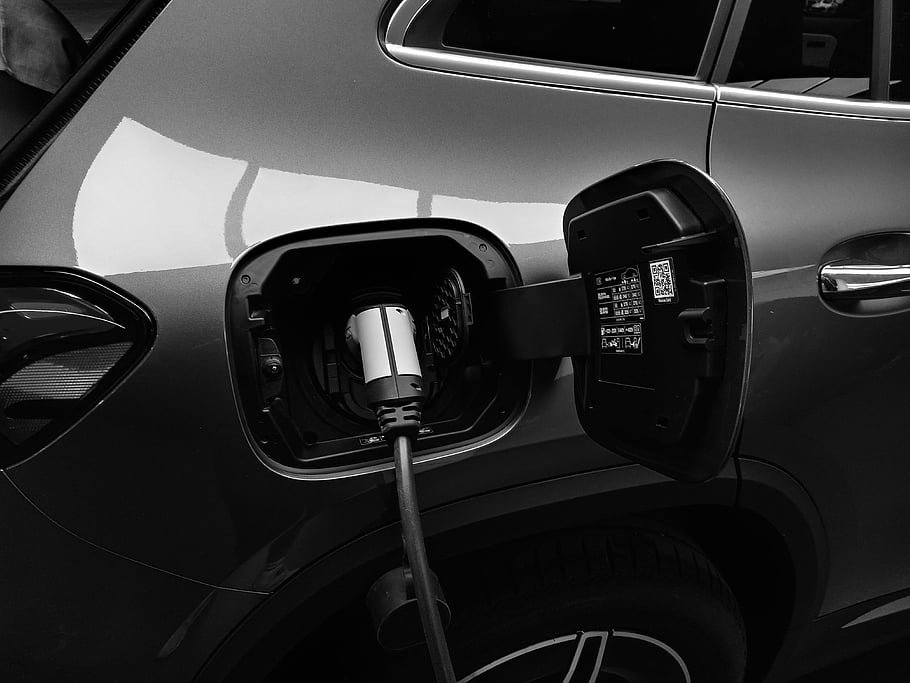
The most cited reason for returning to ICE is the inconsistent state of public charging. While Tesla’s Supercharger network remains the gold standard, the “open” networks utilized by Ford, Rivian, and VW owners often suffer from “broken-plug syndrome.”
- The Reliability Factor: For a professional commuter, a 20% “out-of-order” rate at a charging station isn’t just an inconvenience; it’s a career risk.
- The Speed Disparity: Many buyers were sold on “fast charging” but realized too late that peak speeds (350kW) are rarely achieved in real-world conditions, especially when multiple cars are plugged in or the ambient temperature is outside the optimal 70°F window.

2. The “Apartment Ceiling” and Urban Friction
The EV value proposition hinges almost entirely on home charging. For the roughly 30% of Americans who live in multi-family housing or urban environments with street parking, the logistics of EV ownership are grueling.
- The “Charge-as-a-Chore” Reality: Without a garage outlet, “refueling” becomes a 45-minute weekly excursion to a mall parking lot. Many former EV owners have found that the time saved by skipping oil changes is lost ten-fold to the weekly charging hunt.
3. Residual Value and “Depreciation Shock”
In 2024 and 2025, the used EV market faced a brutal correction. Aggressive price cuts on new models by manufacturers like Tesla and Ford caused the resale value of existing EVs to plummet.
- Financial Logic: Many buyers who leased or financed EVs found themselves “underwater” (owing more than the car is worth) much faster than they would have with a high-demand gas vehicle like a Toyota RAV4 or a Honda CR-V. For the fiscally conservative buyer, the stability of ICE residual values is drawing them back.
EV vs. ICE: The Pain Points Leading to “The Reversal”
| Factor | The EV Struggle | The Gas/Hybrid Return | Why It Matters |
| Energy Refill | 20–50 mins (Public DC Fast) | 5 mins (Anywhere) | Time is the ultimate currency for busy families. |
| Cold Weather | 30%–40% Range Loss | Negligible Range Loss | Crucial for Northern “Rust Belt” drivers. |
| Resale Value | High Volatility (Tech-driven) | High Stability (Demand-driven) | Impacts the Total Cost of Ownership (TCO). |
| Towing | 50% Range Reduction | Standard Performance | A deal-breaker for boat and RV owners. |
| Infrastructure | Scattered / Unreliable | Ubiquitous | Predictability reduces daily stress. |
4. The “Hybrid Compromise”
Interestingly, most people “returning” to gas aren’t necessarily buying old-school V8s. They are moving into Hybrids (HEV) or Plug-in Hybrids (PHEV).
- The Logical Bridge: A PHEV like the Jeep Grand Cherokee 4xe or Toyota Prius Prime allows for an electric commute (30-40 miles) while offering the total security of a gas tank for road trips.
- The “Best of Both Worlds”: This middle ground addresses the environmental guilt of the consumer while eliminating the infrastructure anxiety that haunts the pure BEV experience.
5. Hidden Costs: Insurance and Repairs
The “maintenance is cheaper” argument for EVs is true for oil changes, but it ignores the higher cost of specialized repairs and insurance premiums.
- Insurance Premiums: On average, EVs cost 20% more to insure due to their higher MSRP and the extreme cost of battery replacement in minor accidents.
- Tire Wear: Because EVs are significantly heavier and deliver instant torque, they can chew through tires 30% faster than a comparable gas car—a recurring expense that surprises many first-time owners.

The Professional Verdict: Who Is Most Likely to Switch Back?
The trend of returning to gas is most prevalent among:
- Long-Distance Commuters in regions with cold winters.
- Rural Drivers who frequently tow or haul heavy loads.
- Urban Dwellers without dedicated Level 2 home charging.
Final Thoughts
The automotive market is currently in a “correction phase.” The initial wave of enthusiasm met the hard wall of American geography and infrastructure. For many, the return to gas is a temporary move while waiting for Solid State Battery technology or a truly universal, reliable charging network.
Useful Links: