When XPENG unveiled the HT A868 electric flight during its 2025 Technology Day event, it did more than introduce a new aircraft — it announced China’s entry into the practical stage of high-speed, long-range electric aviation. As the first fully tilting hybrid-electric VTOL platform developed on XPENG’s Kunpeng Super Range-Extender architecture, the A868 blends fixed-wing efficiency with vertical-lift agility, creating a category that sits far beyond traditional eVTOL boundaries.
A Fully Tilting Architecture That Changes the Rules of VTOL Design
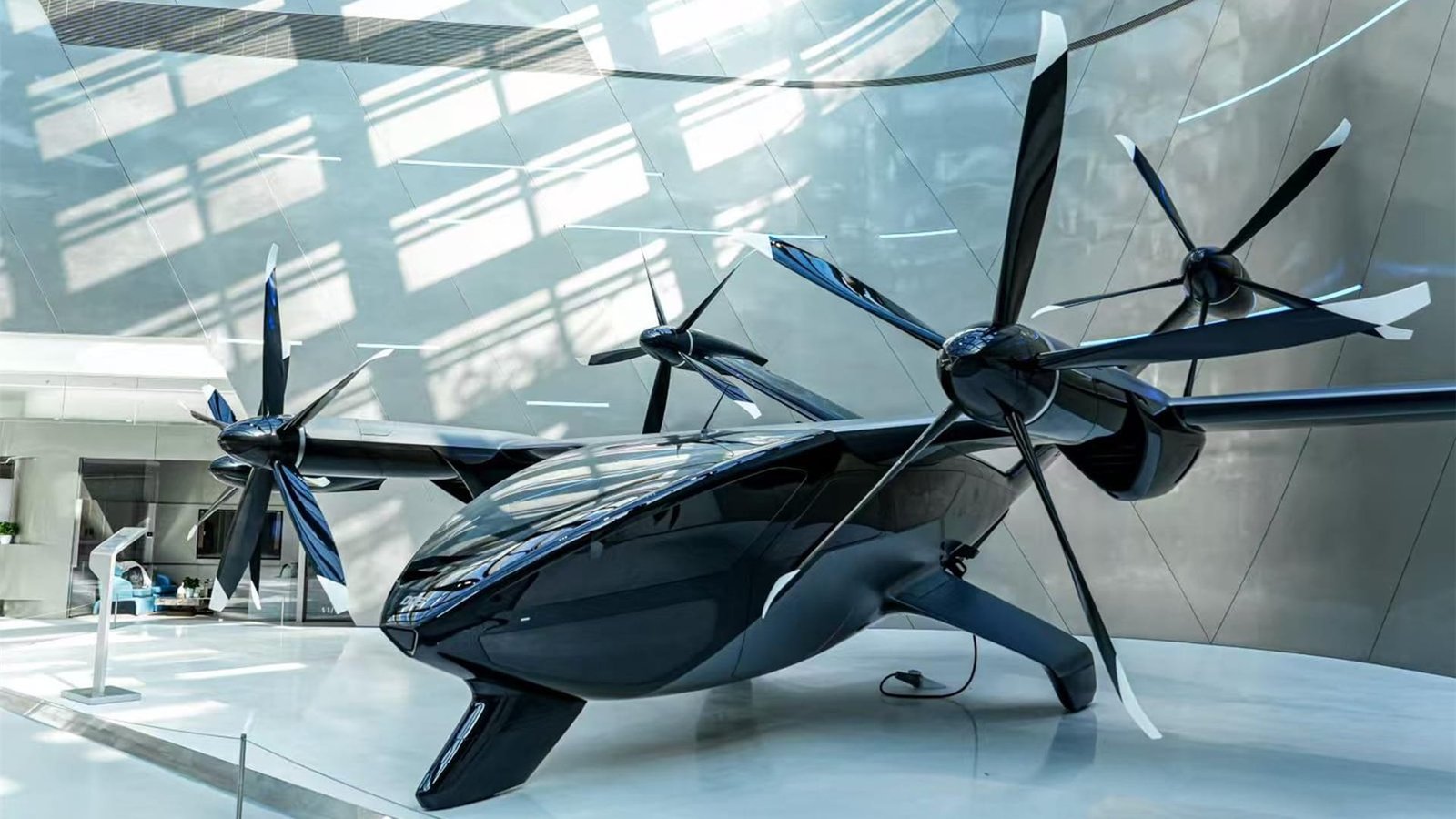
At the center of the A868’s engineering breakthrough is its full-tilt rotor system. Unlike partial-tilt or distributed-lift configurations, XPENG’s design allows the entire propulsion assembly — rotors, nacelles and drive systems — to rotate through a full transition envelope.
This enables:
- True vertical takeoff and landing from confined urban environments
- Seamless conversion to high-efficiency horizontal flight
- Cruise speeds exceeding 360 km/h, nearly double those of most current eVTOLs
- Significantly reduced energy consumption during long-range missions
The architecture places the A868 in a space similar to tilt-rotor aircraft, but with the operational simplicity of an eVTOL and the efficiency of a fixed-wing airplane. It is a rare combination, and one that directly addresses eVTOL’s biggest limitation: the inability to sustain long-distance, high-speed travel at meaningful loads.
Hybrid-Electric Power for Real-World Range and Rapid Energy Replenishment
The A868 is powered by an aviation-grade hybrid-electric system derived from XPENG’s Kunpeng Super Range-Extender platform. By integrating combustion-based range-extension with high-density electric propulsion, the aircraft achieves:
- Over 500 km of pure flight endurance
- More than 1,000 km CLTC combined range (air + ground mode for the associated road module)
- Fast, predictable refueling cycles, identical to conventional automotive fueling
This hybrid approach resolves two of the greatest barriers to pure-electric flight: charging time and power density. For operators planning high-frequency, long-distance missions — intercity shuttles, coastal corridors, or regional logistics — this architecture allows uninterrupted operations without specialized charging infrastructure.
Designed for Six, Built for Safety
XPENG equips the A868 with a six-axis, six-rotor dual-ducted safety configuration, engineered to maintain controlled flight even under partial system failure. The redundant architecture, combined with its fixed-wing lift during cruise, improves survivability far beyond multi-rotor eVTOL systems.
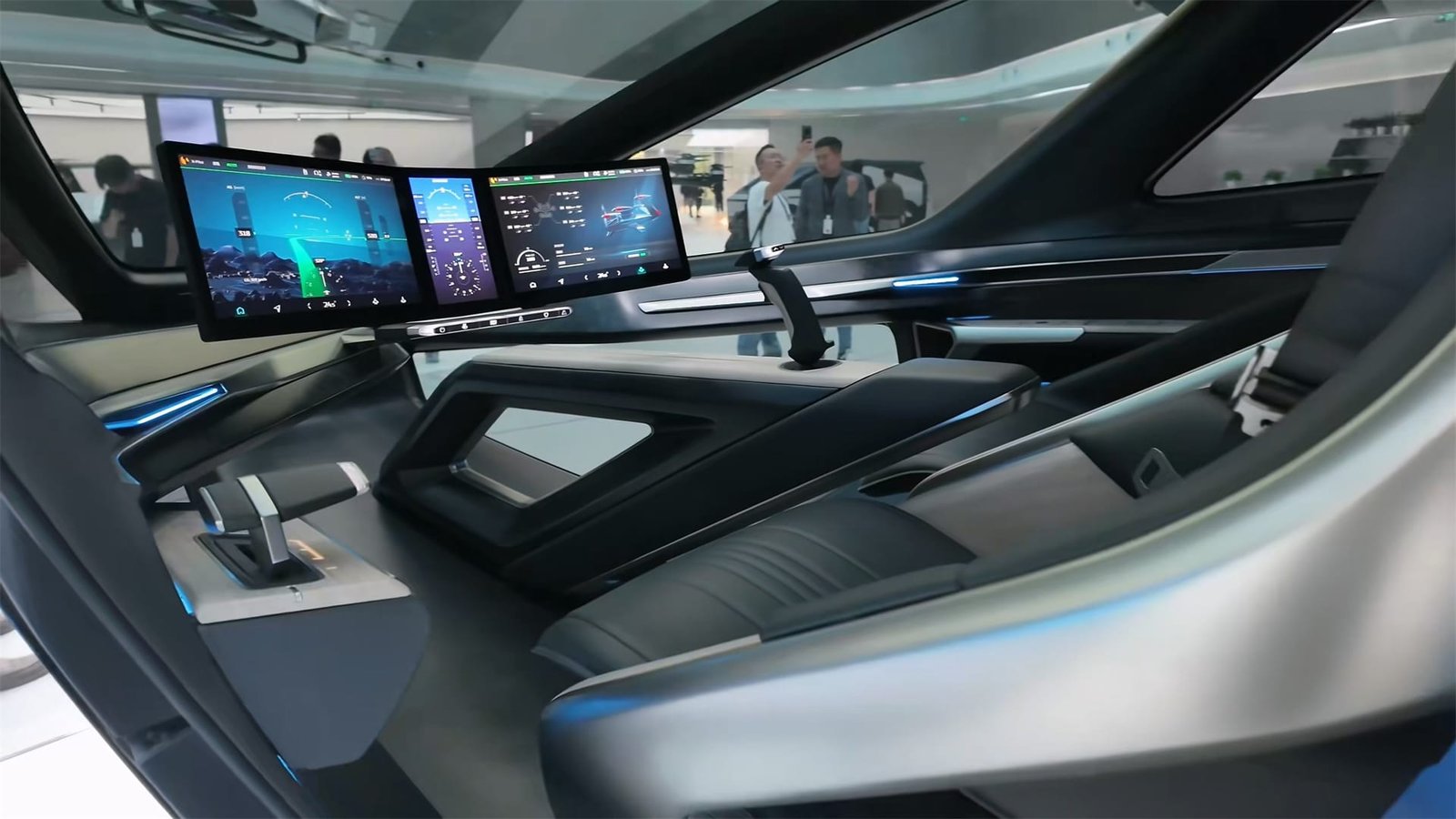
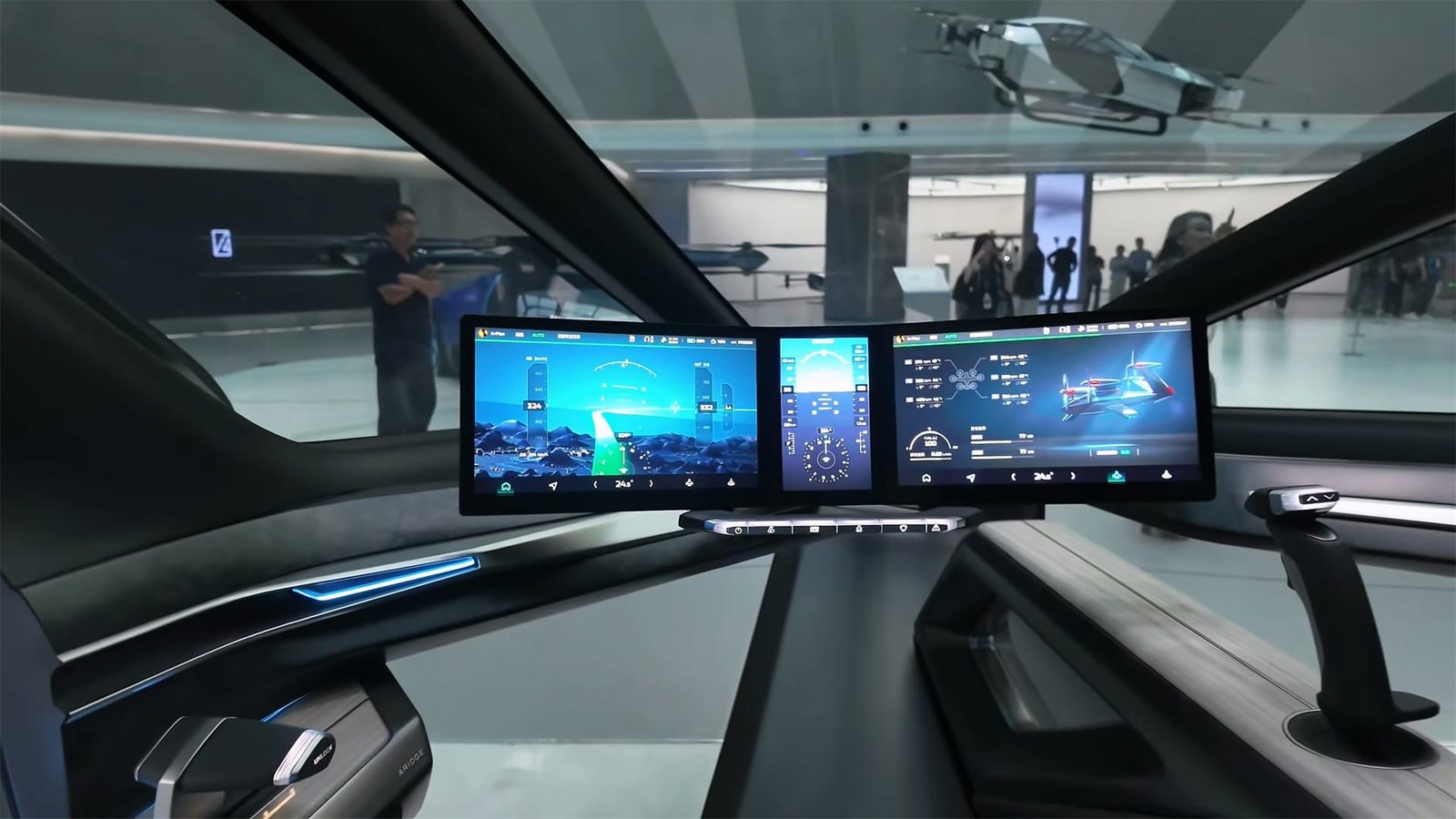
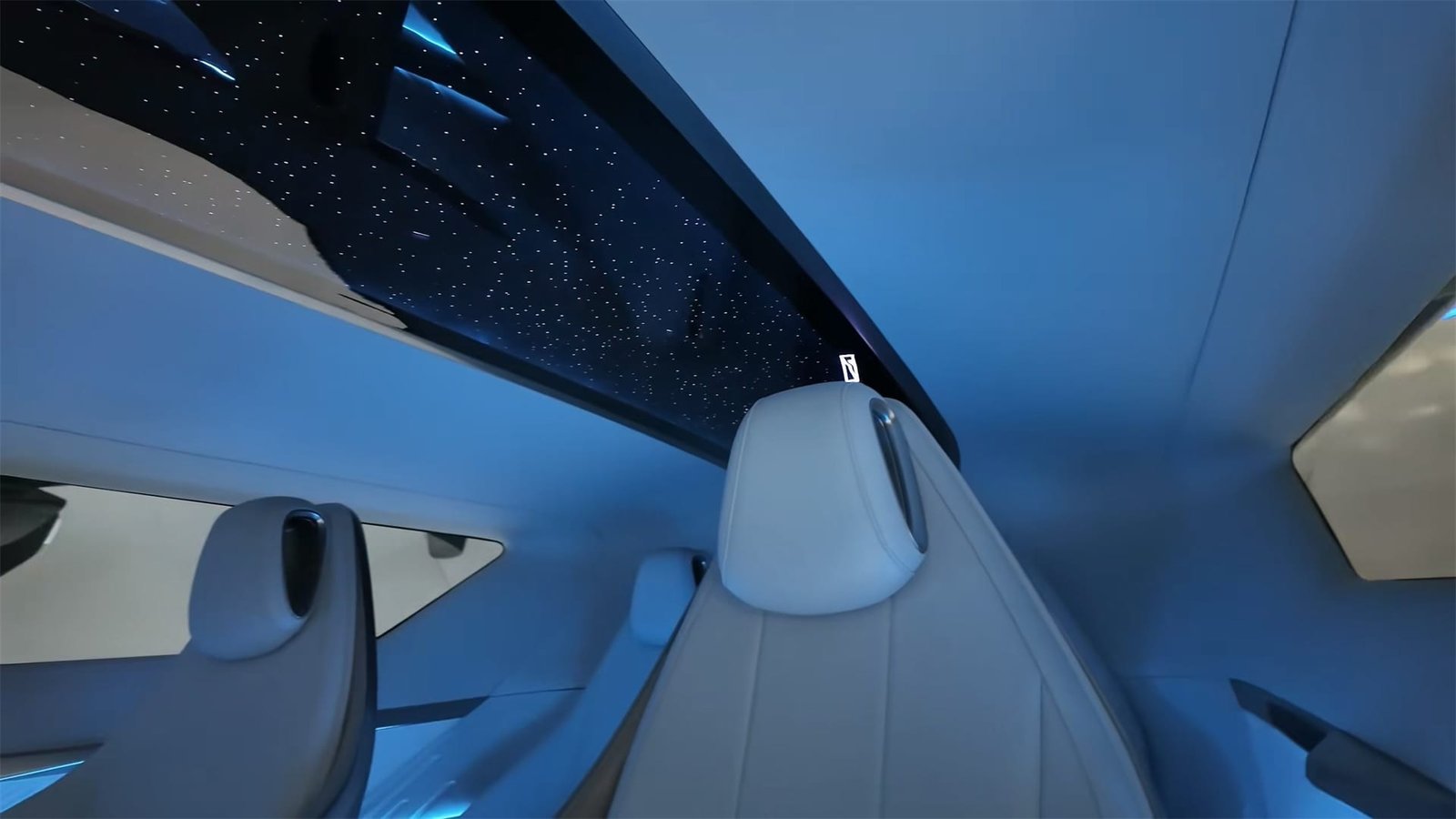
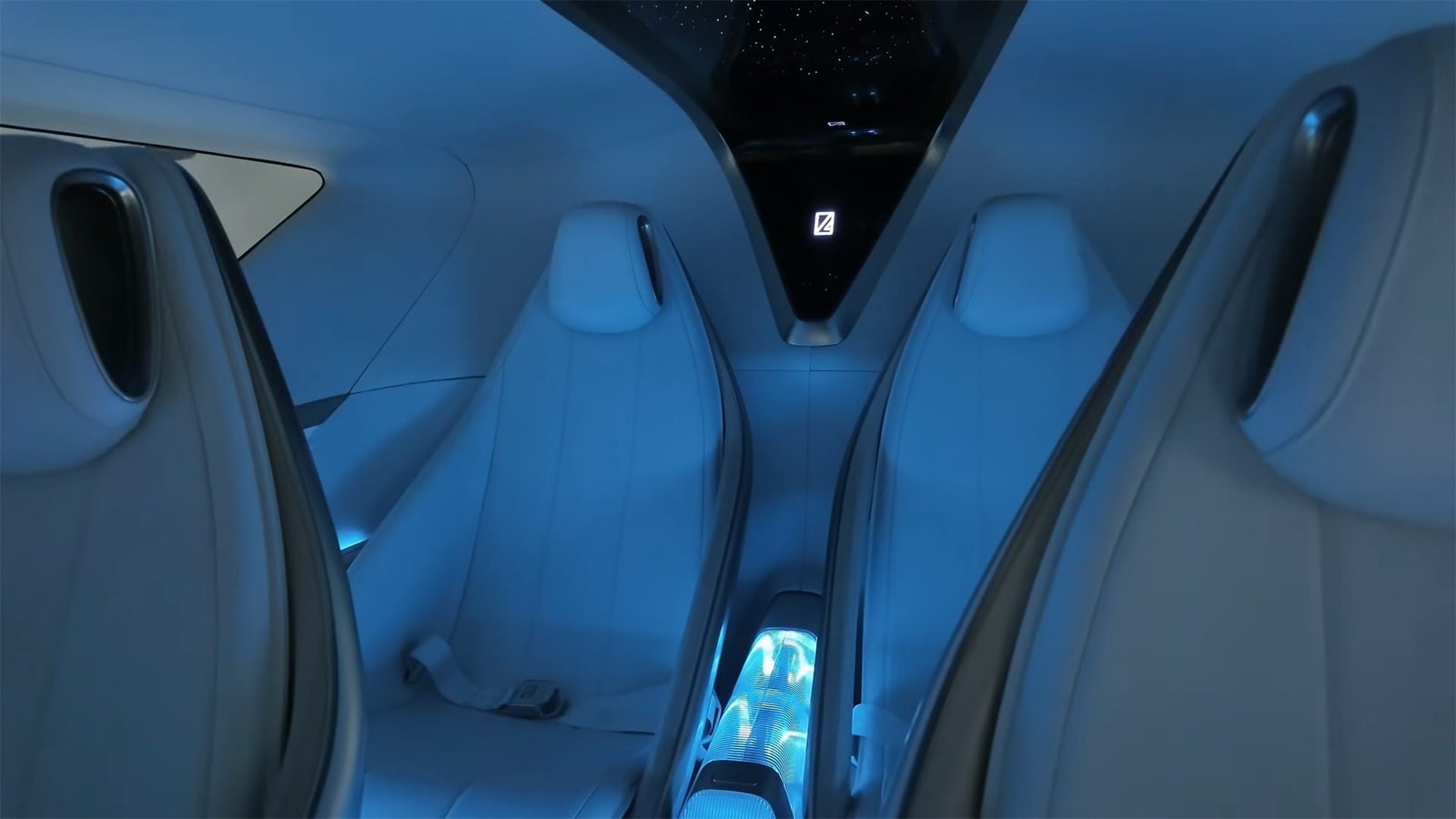
The cabin supports up to six occupants, positioning the A868 not as a personal toy but as a commercial-ready air mobility platform capable of meaningful passenger throughput across regional routes.
An example XPENG uses frequently:
Guangzhou to Shenzhen becomes a 28-minute hop — roughly 60% faster than high-speed rail.

From Demonstrator to Trial Production: The March Toward Certification
On 5 November 2025, XPENG confirmed that the A868 had already entered its test-flight program. On the same day, the company announced that its world-first mass-production flying-vehicle plant in Guangzhou had produced the program’s first trial-build unit.
The facility features:
- Aerospace-grade composite manufacturing
- Nearly 300 kg of carbon fiber per aircraft
- A takt time capable of releasing one A868 every 30 minutes at full capacity
This industrialization capability gives XPENG a significant advantage in a sector where most competitors are still limited to prototype runs.
Leadership Accountability: 5,000 km of Mandatory Internal Test-Flight Hours
In an unusually transparent commitment to safety, XPENG Chairman He Xiaopeng declared that the company’s leadership team must accumulate over 5,000 km of test-flight validation before the aircraft reaches market.
This “executives fly first” mandate has been widely interpreted as:
- A confidence signal to regulators
- A way to compress verification cycles
- A public guarantee of safety assurance prior to customer deliveries
With certification work progressing, XPENG expects to secure TC approval in 2025, followed by volume production and deliveries in 2026.
A Dual-Track Low-Altitude Strategy: A868 + Land Carrier
The A868 forms one half of XPENG’s broader low-altitude mobility ecosystem.
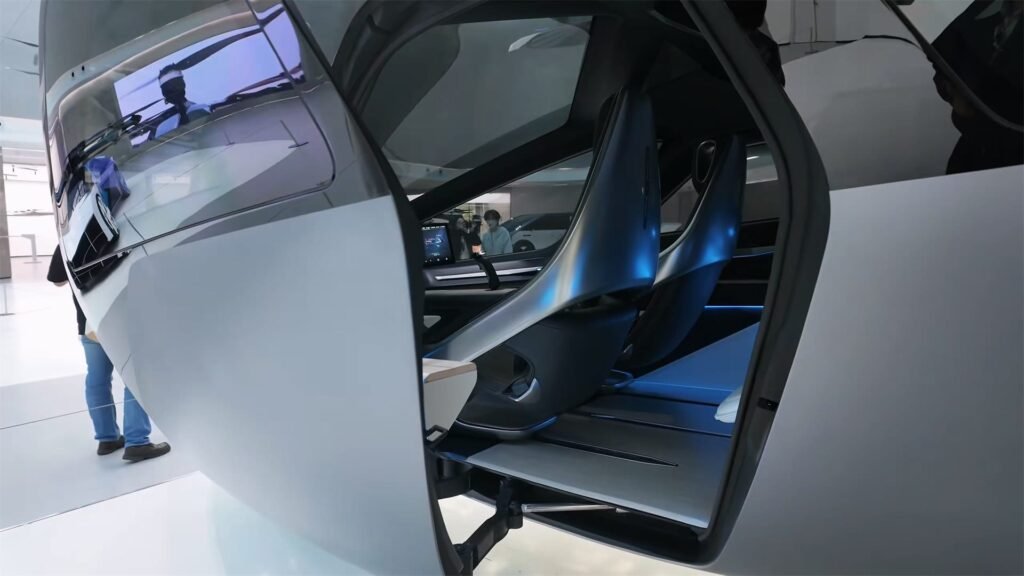
Its sister product — the Land Aircraft Carrier, a split-body road-and-air system with an automated docking mechanism — targets short-range urban missions. The vehicle can detach from its flying module in five minutes through a patented automated coupling structure.
Together, the two platforms define XPENG’s ambition to build a three-dimensional transportation network that reaches from city centers to regional corridors.
Global Scaling: China in 2026, Middle East in 2027
XPENG HT has laid out an aggressive commercial roadmap:
- 2026 Q4: Start of domestic customer deliveries
- 2027: Official C-consumer expansion into the Middle East
- Priority markets: Dubai, Qatar and other high-end mobility regions
- 7000 global pre-orders already on record (as of Nov 2025), including 600 units from Dubai
These markets are strategically selected:
open airspace policies, strong tourism demand, and high acceptance of premium mobility solutions.
XPENG aims to support this rollout with 200 dedicated flight hubs by late 2025, strengthening its ground-to-air service network.
A Catalyst for China’s Low-Altitude Economy
With China’s regulatory framework for low-altitude airspace gradually unlocking, the A868 is positioned to become one of the earliest mass-produced aircraft serving this emerging trillion-RMB sector.
Its engineering philosophy — hybrid range, high load, fixed-wing efficiency, and VTOL versatility — directly matches the requirements for real-world regional mobility. If XPENG succeeds in scaling both infrastructure and airworthiness certification, the A868 could become the benchmark for practical, high-speed electric aviation in Asia and the Middle East.