China Micro Car Sales 2026:
Wuling Hongguang Mini EV Smashes 60,000 Units
Full Top 10 ranking, real prices in RMB & USD, brand shifts, and what the numbers reveal about urban mobility and export potential.
Micro cars remain one of China’s most resilient segments in 2026. Tight urban parking, low running costs, and strong residual values keep demand steady even as larger EVs grab headlines. The latest terminal sales data shows clear winners — and a handful of models quietly gaining ground.
Complete Jan-May 2026 Micro Car Sales Ranking
All figures are pure-electric models. Prices shown as manufacturer’s suggested retail range. USD converted at 7.2 RMB = 1 USD (rounded).
| Rank | Model | Manufacturer | Price (RMB) | Price (USD) | Sales | Change | Share |
|---|---|---|---|---|---|---|---|
| 1 | Hongguang Mini EV | Wuling (SAIC-GM) | 23,800 – 55,800 | $3,306 – 7,750 | 60,342 | Steady | 49.1% |
| 2 | Bestune Pony | FAW Bestune | 28,400 – 45,900 | $3,944 – 6,375 | 21,513 | ↑2 | 17.5% |
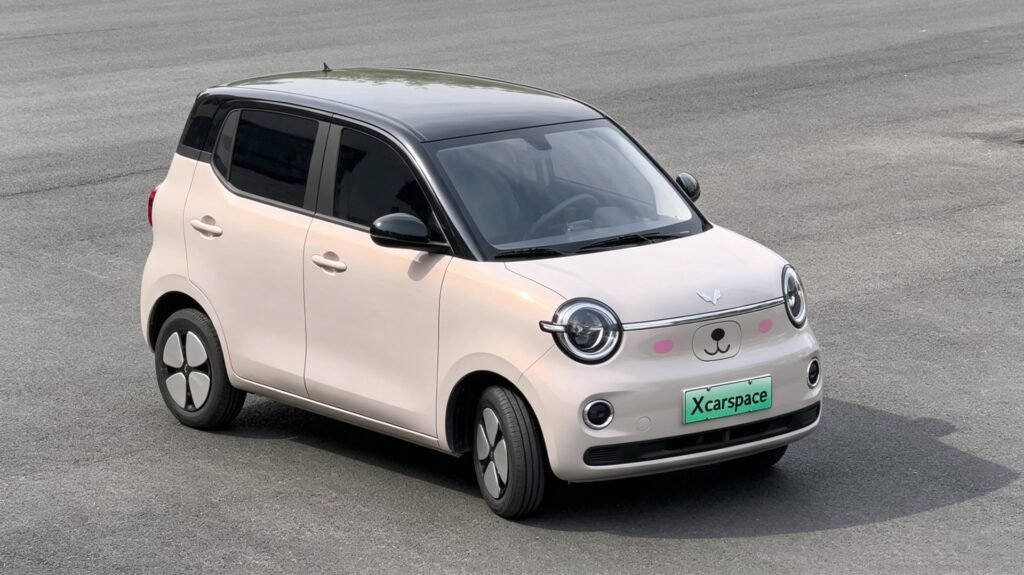
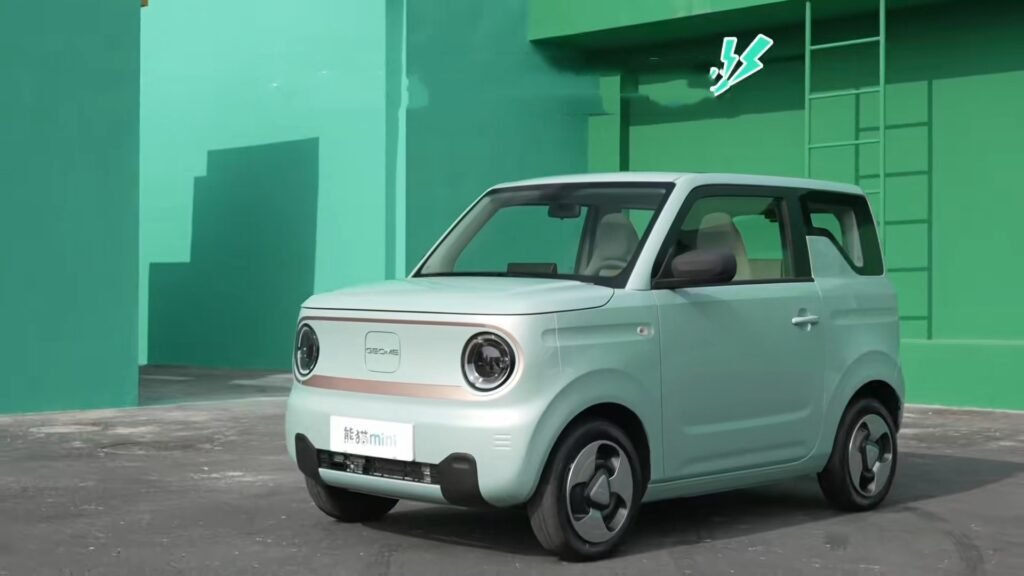
| 3 | Panda | Geely | 37,900 – 53,900 | $5,264 – 7,486 | 17,258 | ↑1 | 14.0% |
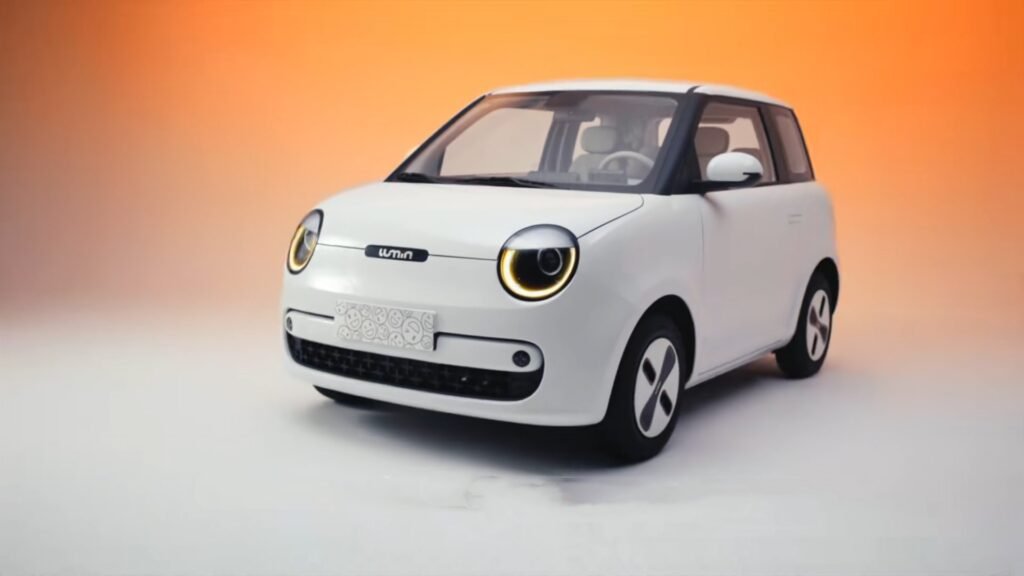
| 4 | Lumin | Changan | 34,900 – 65,900 | $4,847 – 9,153 | 9,925 | ↓1 | 8.1% |
| 5 | QQ Ice Cream | Chery | 22,900 – 49,900 | $3,181 – 6,931 | 4,119 | ↑1 | 3.4% |
| 6 | T03 | Leapmotor | 59,900 – 69,900 | $8,319 – 9,708 | 3,772 | ↑1 | 3.1% |
| 7 | Little Ant | Various | 44,900 – 60,900 | $6,236 – 8,458 | 1,635 | — | 1.3% |
| 8 | Yizhi EV2 | Yizhi | 39,900 – 51,900 | $5,542 – 7,208 | 1,603 | — | 1.3% |
| 9 | Kaiyi Shiyue | Kaiyi | 47,900 – 69,900 | $6,653 – 9,708 | 1,501 | ↑2 | 1.2% |
| 10 | Yizhi EV3 | Yizhi | 62,800 – 66,800 | $8,722 – 9,278 | 1,257 | ↑2 | 1.0% |
Sales Volume at a Glance
Horizontal bars scaled to the leader (60,342 units). Numbers update with live terminal data.
Brand Concentration — Who Actually Controls Volume
| Manufacturer | Units | Share | Key Model(s) | Strategic Position |
|---|---|---|---|---|
| Wuling (SAIC-GM) | 60,342 | 49.1% | Hongguang Mini EV | Unmatched scale + service network |
| FAW Bestune | 21,513 | 17.5% | Pony | Rapidly climbing, strong value perception |
| Geely | 17,258 | 14.0% | Panda | Design edge, rising brand trust |
| Changan | 9,925 | 8.1% | Lumin | Premium micro positioning |
| Others (Chery, Leapmotor, Yizhi, Kaiyi) | 14,000+ | 11.4% | Multiple | Fragmented but innovative |
Price Tiers & Real Buyer Value
Most volume sits below ¥40,000 ($5,556). Above ¥60,000 the segment thins quickly — buyers expect more space or features and often step up to compact crossovers instead.
Why the Top Three Keep Winning
Wuling Hongguang Mini EV — Still the undisputed champion. Massive production scale, dense dealer network, and rock-bottom ownership costs make it the default choice for city commuters and small business fleets. Its dominance is structural, not just marketing.
Bestune Pony — The clearest riser. Buyers perceive it as slightly more modern and refined than the absolute cheapest options. Strong FAW backing and competitive pricing have driven consistent rank gains.
Geely Panda — Design and brand cachet are working. Geely’s quality reputation spills over, giving the Panda an edge with buyers who want something that feels less “basic” than pure budget players.
Export Opportunity: Why These Models Travel Well
Compact dimensions, low shipping costs per unit, simple homologation, and proven real-world durability in dense Asian and Latin American cities make micro EVs from this list attractive for international dealers. High-volume Chinese production keeps landed prices competitive even after freight and certification. Markets with growing urban delivery needs or first-EV buyer segments are particularly receptive.
2026 Outlook
Expect continued pressure on pricing in the sub-¥40k segment as more new entrants arrive. Battery cost reductions should help margins, but differentiation will shift toward interior quality, app ecosystem, and after-sales experience rather than raw spec sheets. Regulatory tailwinds (license plate advantages in congested cities) remain supportive for small EVs.
Frequently Asked Questions
| # | Question | Answer |
|---|---|---|
| 1 | Is the Wuling Hongguang Mini EV still the best overall choice? | Yes for pure volume buyers. Unbeatable price-to-ownership equation and service reach. Buyers wanting more modern styling or slightly higher positioning should look at Pony or Panda. |
| 2 | How do real-world ranges compare across the top models? | Most deliver 180–280 km CLTC in daily use. Sufficient for 95% of urban driving patterns. Highway use is possible but not optimal. |
| 3 | Which model offers the strongest value right now? | Bestune Pony currently punches above its price in perceived quality and recent sales momentum. |
| 4 | Are these cars suitable for highway or long-distance trips? | They can handle occasional highway runs at 90–110 km/h, but they are optimized for city and suburban use. Larger EVs make more sense for frequent long trips. |
| 5 | How strong is after-sales support for lesser-known brands like Yizhi or Kaiyi? | Wuling and Geely/Changan have the widest networks. Newer or smaller brands rely more on direct or regional service — a key consideration for fleet buyers. |
| 6 | Do these micro EVs qualify for purchase tax exemption in 2026? | Yes. China’s NEV tax exemption policy remains in place through at least 2027 for qualifying pure-electric models under the size and price thresholds. |
| 7 | Which models are easiest to export? | Hongguang Mini EV, Bestune Pony, and Geely Panda have the highest production volumes and simplest technical specifications — advantages for homologation and parts availability overseas. |
| 8 | Is the segment still growing or has it peaked? | Still expanding modestly. Growth is now coming from replacement demand and new first-time EV buyers rather than pure market expansion. |
| 9 | How does Leapmotor T03 justify its higher price? | Better build quality, more modern interior, and stronger brand perception among younger buyers willing to pay a premium for differentiation. |
| 10 | What happens to rankings if new subsidies or plate restrictions change? | Volume leaders with strong dealer networks (Wuling, Geely, Changan) are best positioned to absorb policy shifts. Smaller brands may see sharper swings. |
| 11 | Are there significant differences in battery warranty? | Most major brands offer 8 years / 120,000–160,000 km. Always confirm exact terms per model and region before purchase. |
| 12 | Where can international buyers source these models in volume? | Specialized Chinese EV export platforms provide wholesale pricing, logistics coordination, and compliance support for right- and left-hand-drive markets. |
Thank you for reading, Sincere Xcarspace.
Data reflects the latest available terminal sales compilation. Always cross-check with official manufacturer or regulatory sources for procurement decisions.