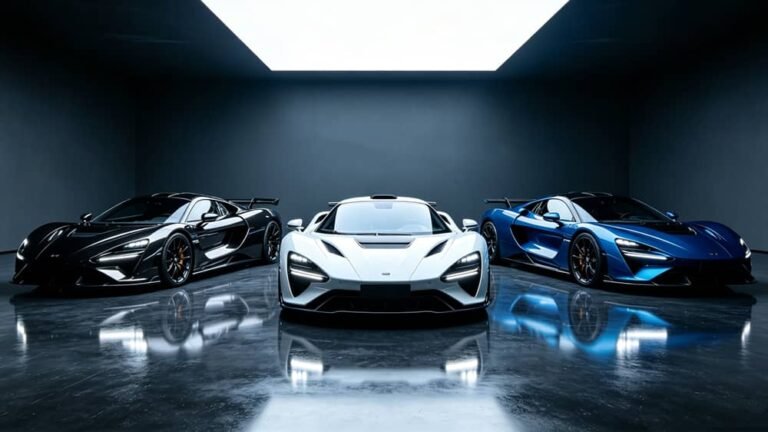
The most powerful production cars of 2027 show how fast the auto industry has changed. Electric motors now produce instant torque, while advanced V8 and V12 engines still deliver huge power and sound.
Yet horsepower alone does not make a great road car. Buyers must also think about range, charging, fuel access, comfort, service, and U.S. road rules. This guide compares all those factors.
Data note: This ranking uses manufacturer figures available as of July 12, 2026. It covers road-going cars expected to remain in production, enter production, or reach customers around the 2027 model period. Final specifications, prices, and U.S. approval may change.
The 10 Most Powerful Production Cars of 2027 at a Glance
| Rank | Car | Claimed Power | Powertrain | Drive | Expected Base Price* |
|---|---|---|---|---|---|
| 1 | Koenigsegg Gemera HV8 | 2,300 hp | Twin-turbo V8 hybrid | AWD | About $1.7 million |
| 2 | Rimac Nevera R | 2,107 hp | Four-motor electric | AWD | About $2.5 million |
| 3 | Hennessey Venom F5 Evolution | 2,031 hp | Twin-turbo V8 | RWD | Above $3 million |
| 4 | Lotus Evija | 2,000 PS, about 1,973 hp | Four-motor electric | AWD | About $2.3 million |
| 5 | Aspark Owl SP600 | 1,953 hp | Four-motor electric | AWD | Not confirmed |
| 6 | Pininfarina Battista | 1,900 hp | Four-motor electric | AWD | About $2.2–$2.7 million |
| 7 | Zenvo Aurora Agil | Up to 1,850 hp | Quad-turbo V12 hybrid | AWD | About $3 million |
| 8 | Bugatti Tourbillon | 1,800 hp | V16 hybrid | AWD | €3.8 million before tax |
| 9 | SSC Tuatara | 1,750 hp on E85 | Twin-turbo V8 | RWD | About $2 million |
| 10 | Rimac Nevera | 1,914 hp** | Four-motor electric | AWD | About $2.2 million |
*Prices are manufacturer figures or widely reported starting estimates. Options, taxes, transport, and dealer costs can add hundreds of thousands of dollars.
**The standard Nevera makes more power than several cars above it. It appears at No. 10 to avoid giving one model family two top positions in the core comparison. Without that editorial rule, it would rank fifth by horsepower.
How We Ranked the Cars
We used peak manufacturer-rated horsepower as the main measure. A car also had to be road focused and planned for customer production. Track-only prototypes did not qualify.
A high-output concept can make headlines without reaching an owner’s garage. For that reason, this list gives more weight to cars with official specifications, a stated production run, road certification work, or confirmed customer deliveries.
Official production plan
          ↓
Road-going customer car
          ↓
Manufacturer power figure
          ↓
Expected 2027 availability
          ↓
Ranked by peak output
1. Koenigsegg Gemera HV8 — 2,300 HP
The Koenigsegg Gemera takes a rare approach to extreme power. It combines a twin-turbo V8 with an electric motor to produce 2,300 hp and 2,750 Nm of torque. Koenigsegg calls it a fully homologated production vehicle.
The Gemera also has four seats and useful luggage space. That makes it the practical outlier among the most powerful production cars of 2027. An owner could carry passengers on a weekend trip instead of leaving them at home.
Its design places a strong focus on packaging. Long doors open access to both rows, while the hybrid system adds low-speed response. The cabin offers more comfort than a track-focused two-seat hypercar.
U.S. ownership will still require careful planning. Insurance, certified service, replacement tires, and repair transport may cost more than many normal cars.
Best for: Buyers who want record power without giving up four seats.
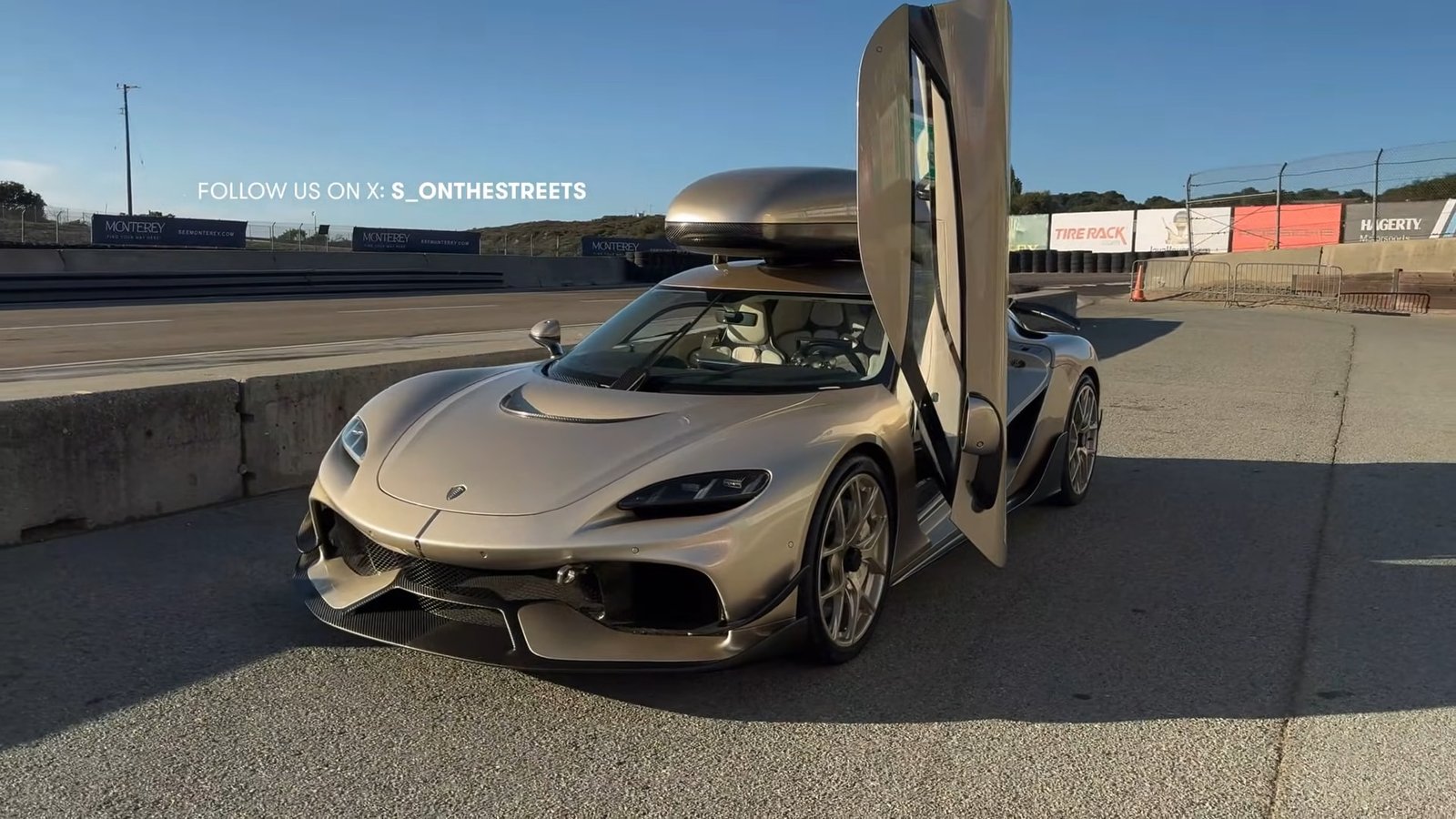
Koenigsegg lists a combined output of 2,300 hp for the Gemera’s HV8 and Dark Matter electric system. Koenigsegg Gemera specifications
2. Rimac Nevera R — 2,107 HP
The Nevera R turns Rimac’s electric grand tourer into a sharper track machine. Four motors produce 2,107 hp, while software controls power at each wheel. The system can adjust torque more than 100 times per second.
Rimac claims a 1.66-second run from zero to 60 mph. It also lists a 268-mph top speed when the manufacturer supervises the attempt. Those figures place the Nevera R near the top of both the power and speed charts.
The 108-kWh battery supports longer drives better than the small packs found in some performance EVs. Still, repeated high-speed use drains energy fast. Owners also need reliable fast chargers along their route.
The Nevera R has a calmer cabin than its numbers suggest. It can handle a highway trip, but its low body and limited cargo space reduce daily use.
Best for: Drivers who want extreme EV acceleration and strong track control.
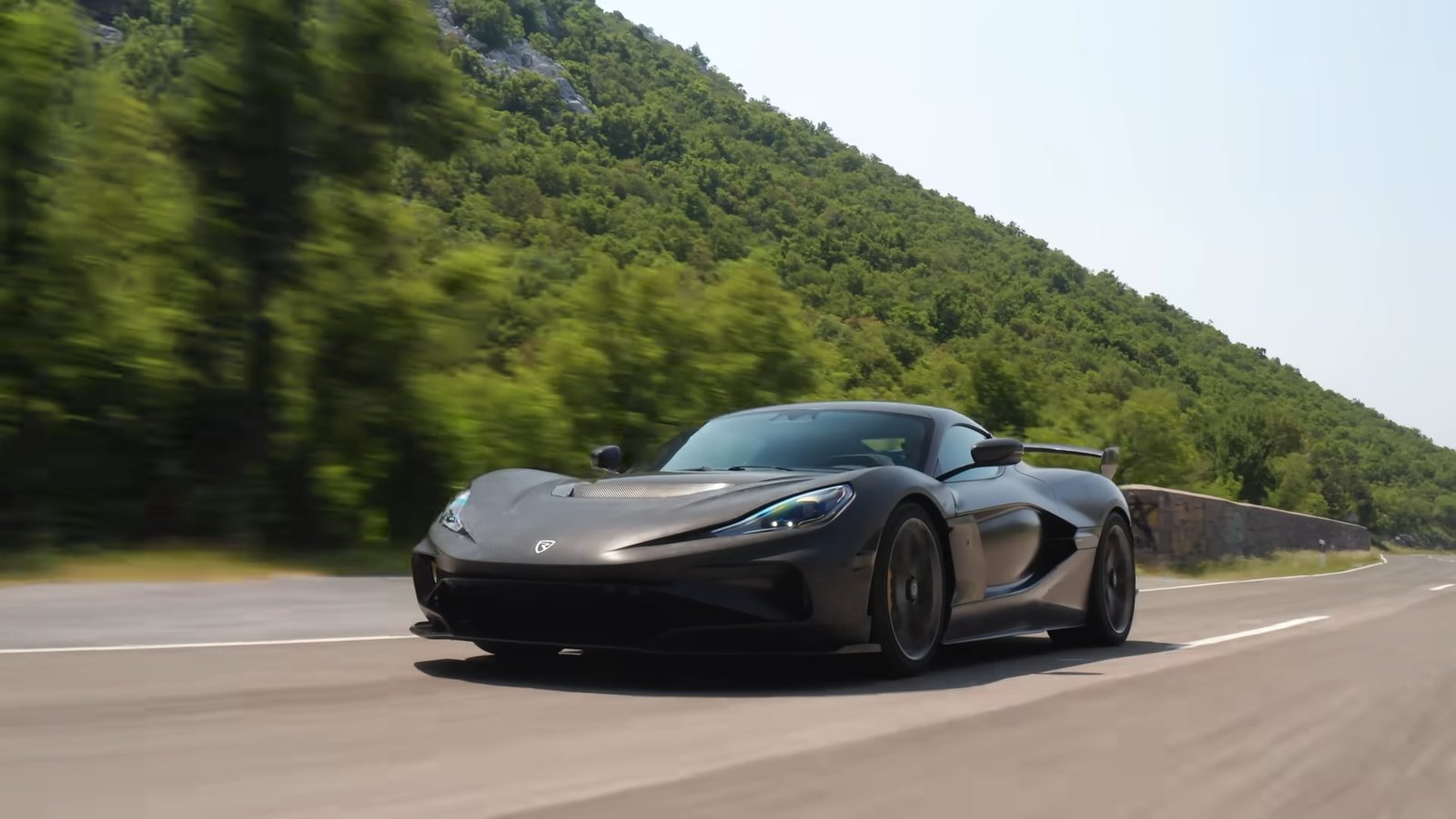
Rimac states that the Nevera R produces 2,107 hp and reaches 60 mph in 1.66 seconds. Official Rimac Nevera R data
3. Hennessey Venom F5 Evolution — 2,031 HP
The Venom F5 Evolution proves that a gas engine can still fight for the top spot. Its 6.6-liter twin-turbo V8 produces 2,031 hp. Hennessey developed the upgraded engine with Ilmor Engineering.
This car sends its power to the rear wheels. That creates a more mechanical driving feel, but it also places greater demands on the driver. Electronic controls and tire temperature matter when one axle handles so much force.
The Evolution suits American roads better than many imported hypercars. Hennessey builds it in Texas, which may simplify factory contact for U.S. owners. Service will still require specialist support.
Fuel presents another concern. Drivers cannot expect maximum power from every pump. The engine needs the correct fuel, temperature, and setup to deliver its headline figure.
Best for: Drivers who want the most powerful production combustion engine.
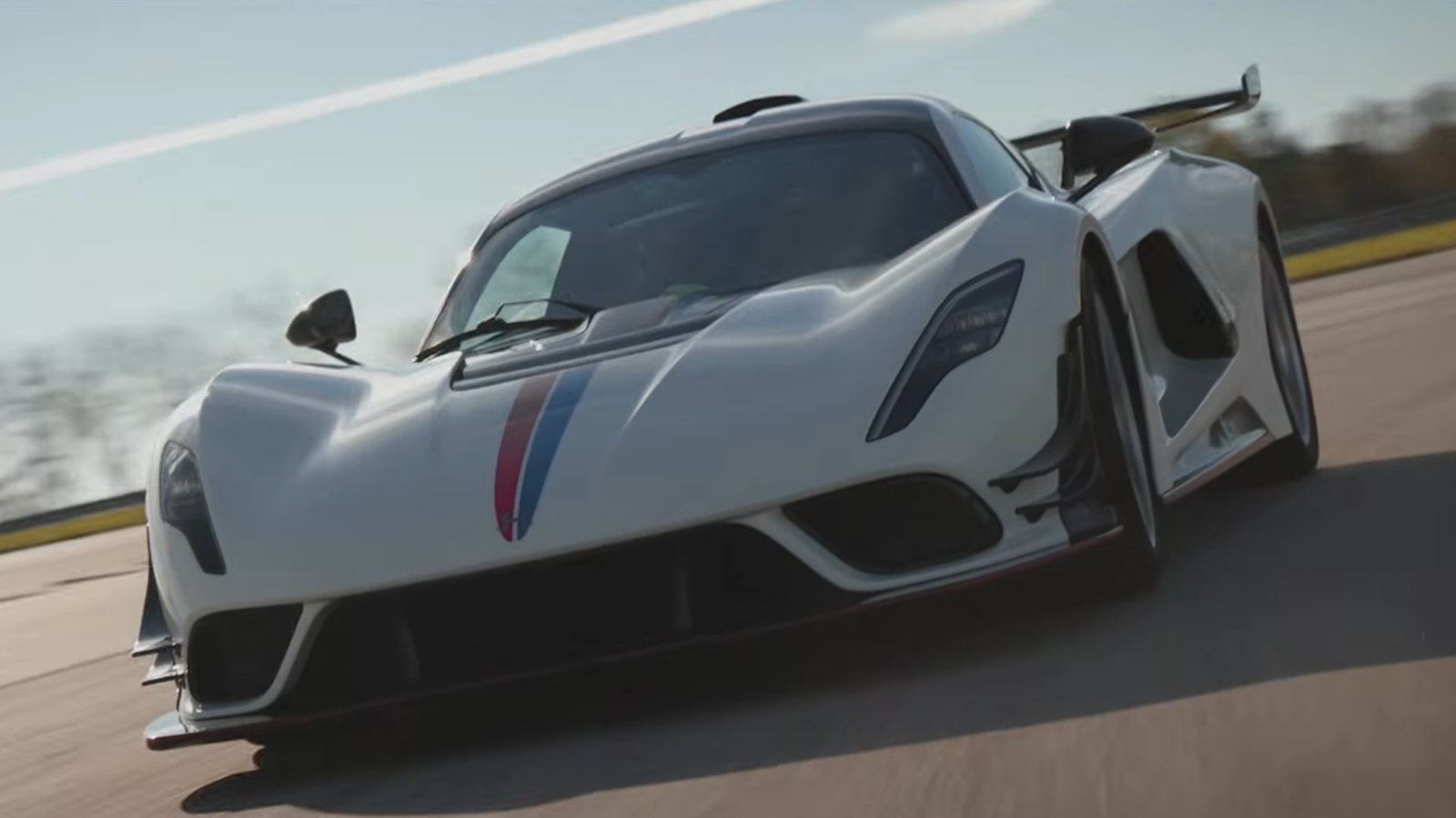
Hennessey calls its 2,031-hp engine the most powerful combustion road-car engine in production. Hennessey Venom F5 Evolution
4. Lotus Evija — About 1,973 HP
Lotus rates the Evija at 2,000 metric horsepower, or PS. That equals about 1,973 mechanical horsepower. Four electric motors send power to all four wheels.
Airflow shaped the Evija’s design. Large rear tunnels guide air through the body instead of forcing all of it around the car. Active aerodynamic parts then add control at high speeds.
The cabin keeps the driver’s main controls close at hand. However, the low seating position and small storage area limit everyday use. The Evija works best as a special road and track car.
Lotus targets a 250-mile WLTP range. Real highway range may fall below that figure, especially in cold weather or during fast driving.
Best for: Lotus fans who value low weight, steering feel, and EV power.
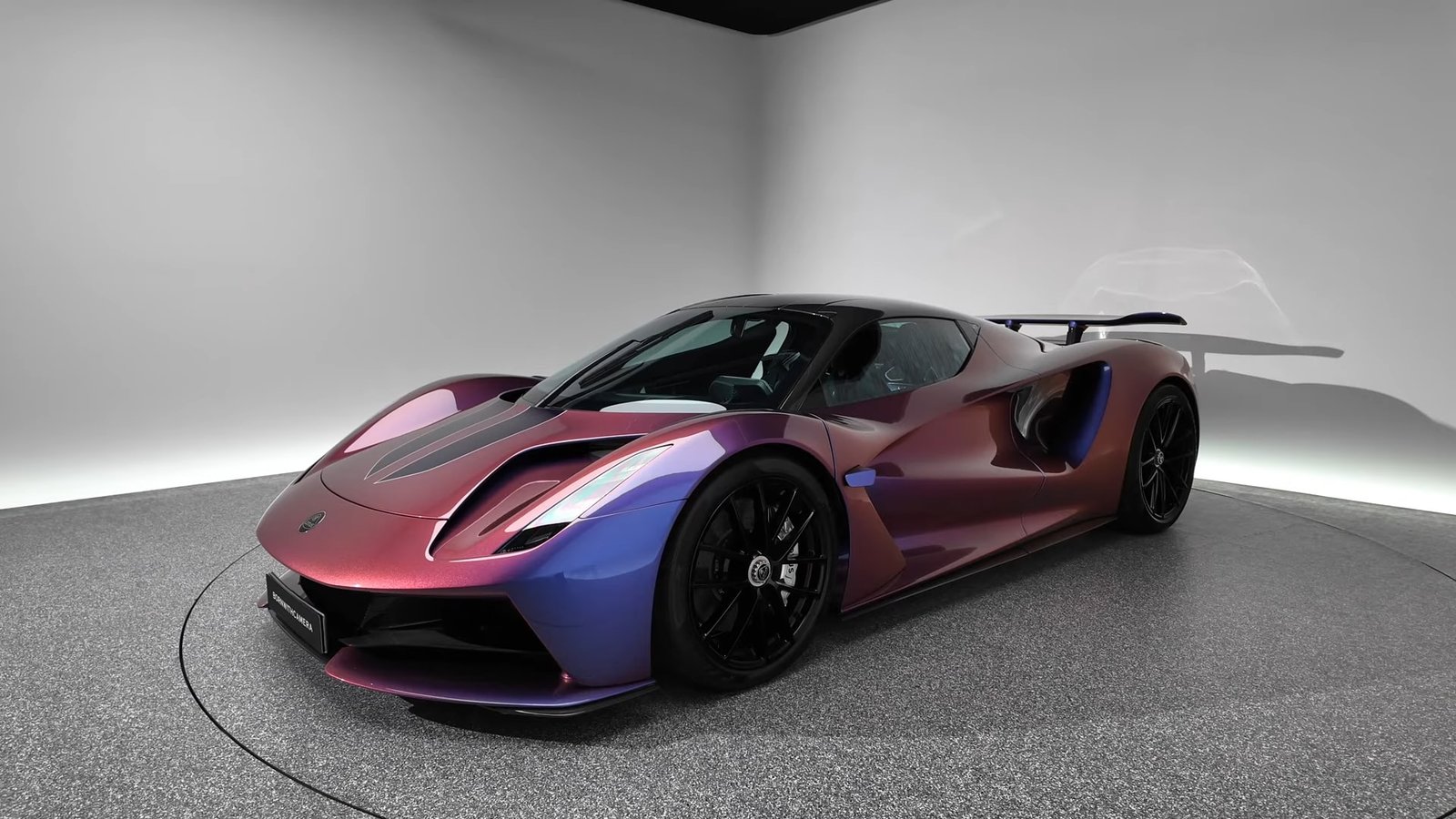
Lotus lists a target output of 2,000 PS and limits production to 130 cars. Official Lotus Evija fact file
5. Aspark Owl SP600 — 1,953 HP
The Aspark Owl SP600 combines 1,953 hp with a narrow body built for top-speed testing. In 2024, a prototype reached 273 mph on specially developed Bridgestone tires.
Four electric motors drive the car. The 69-kWh battery is smaller than the packs in the Nevera and Battista, so drivers should not expect the same touring range. The car favors speed over long-distance comfort.
Its simple cabin reduces distraction. Yet the low roof, small luggage area, and limited service network make daily use difficult in the United States.
Buyers should also separate the tested prototype from the final customer specification. Aspark notes that production tires and vehicle details may differ.
Best for: Collectors who value rarity and verified high-speed development.
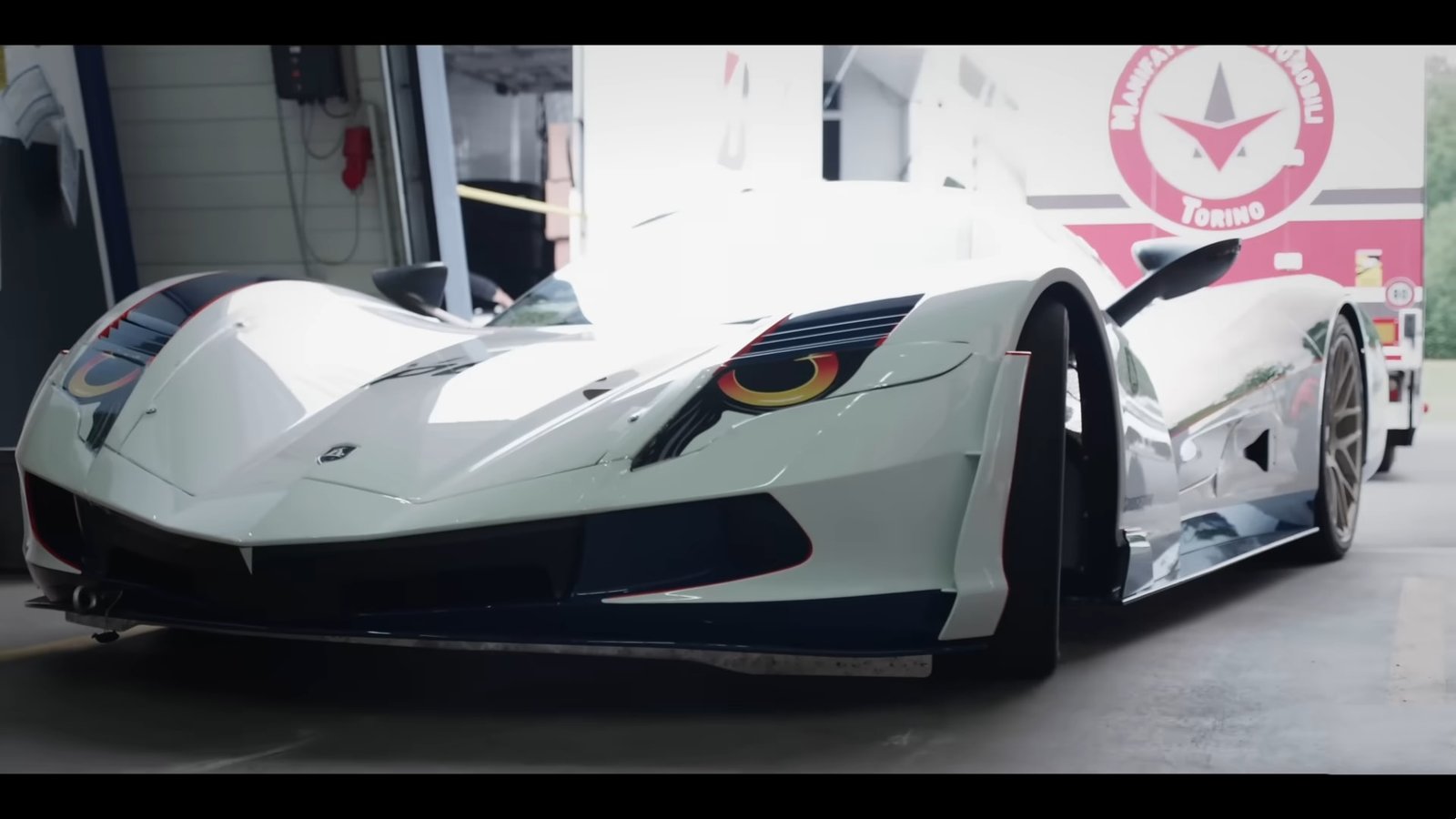
Aspark reports 1,953 hp and a tested top speed of 438.7 km/h, or 273 mph. Aspark Owl SP600 specifications
6. Pininfarina Battista — 1,900 HP
The Battista uses four motors and a 120-kWh battery to produce 1,900 hp. Its main parts share roots with the Rimac Nevera, but its character feels more like an Italian luxury GT.
The cabin uses rich materials and places the main displays around the driver. The suspension also favors road comfort more than many track specials. This makes the Battista a stronger choice for long scenic drives.
Pininfarina claims up to 476 kilometers, or about 296 miles, of range. Driving speed, climate use, and charging conditions will change the real result.
Only 150 cars are planned. That protects rarity, but it can also increase repair time if a custom body or interior part suffers damage.
Best for: Buyers who want electric speed with Italian design and a refined cabin.
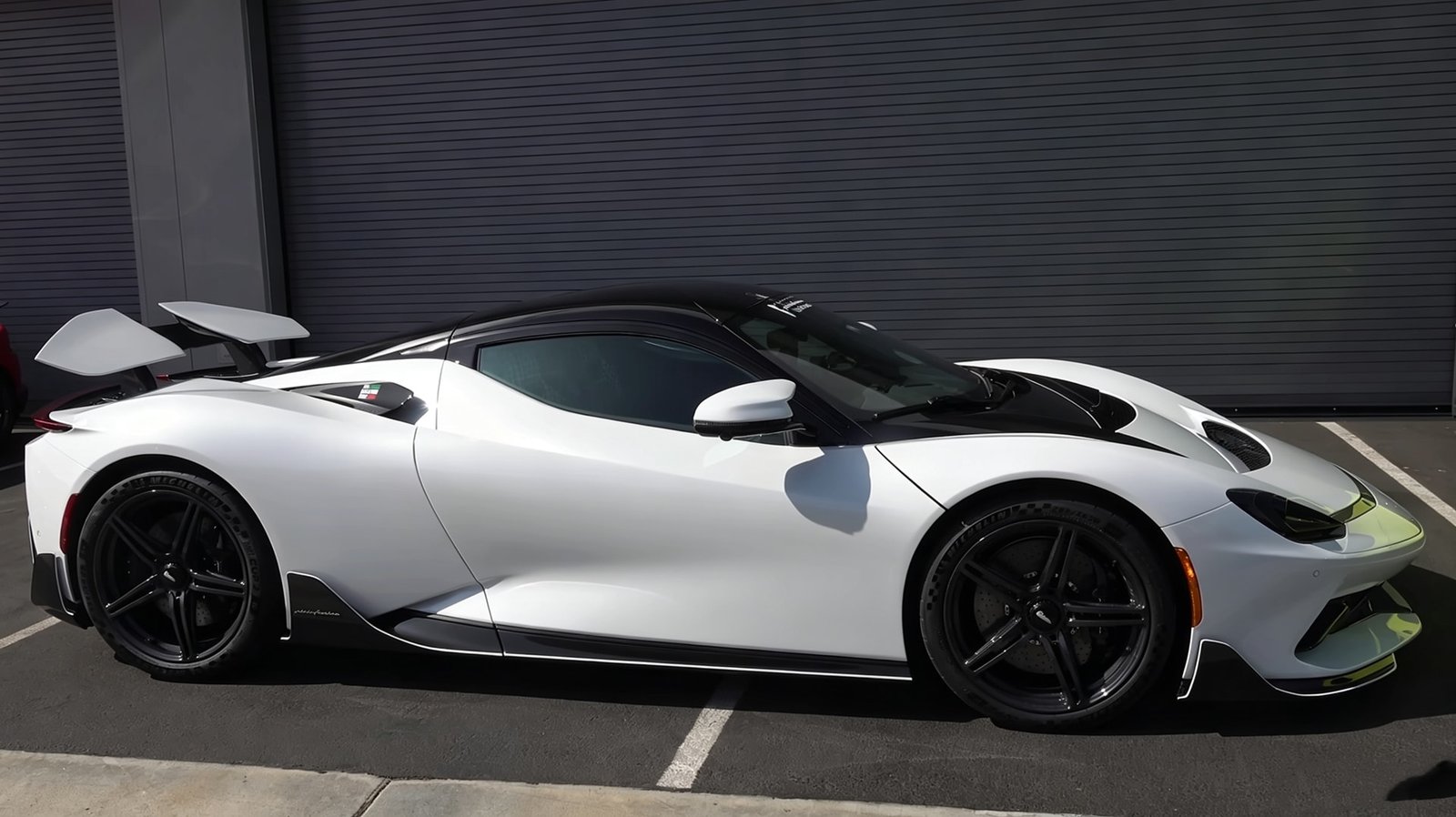
Pininfarina lists 1,900 hp, a 217-mph top speed, and a 1.86-second zero-to-62-mph time. Official Pininfarina Battista page
7. Zenvo Aurora Agil — Up to 1,850 HP
The Aurora Agil brings a quad-turbo V12 together with electric assistance. Zenvo targets up to 1,850 hp for the all-wheel-drive version.
Its design exposes many working parts. Air channels, suspension pieces, and body structures remain visible instead of hiding behind smooth trim. The result looks close to a road-legal race car.
Zenvo also plans the more road-focused Aurora Tur. The Agil favors downforce and track response, while the Tur offers a better setup for long-distance travel.
Production timing makes the Aurora one of the less certain entries. Buyers should confirm final output, U.S. approval, and delivery dates before treating early specifications as fixed.
Best for: Drivers who want V12 sound, hybrid response, and race-car design.
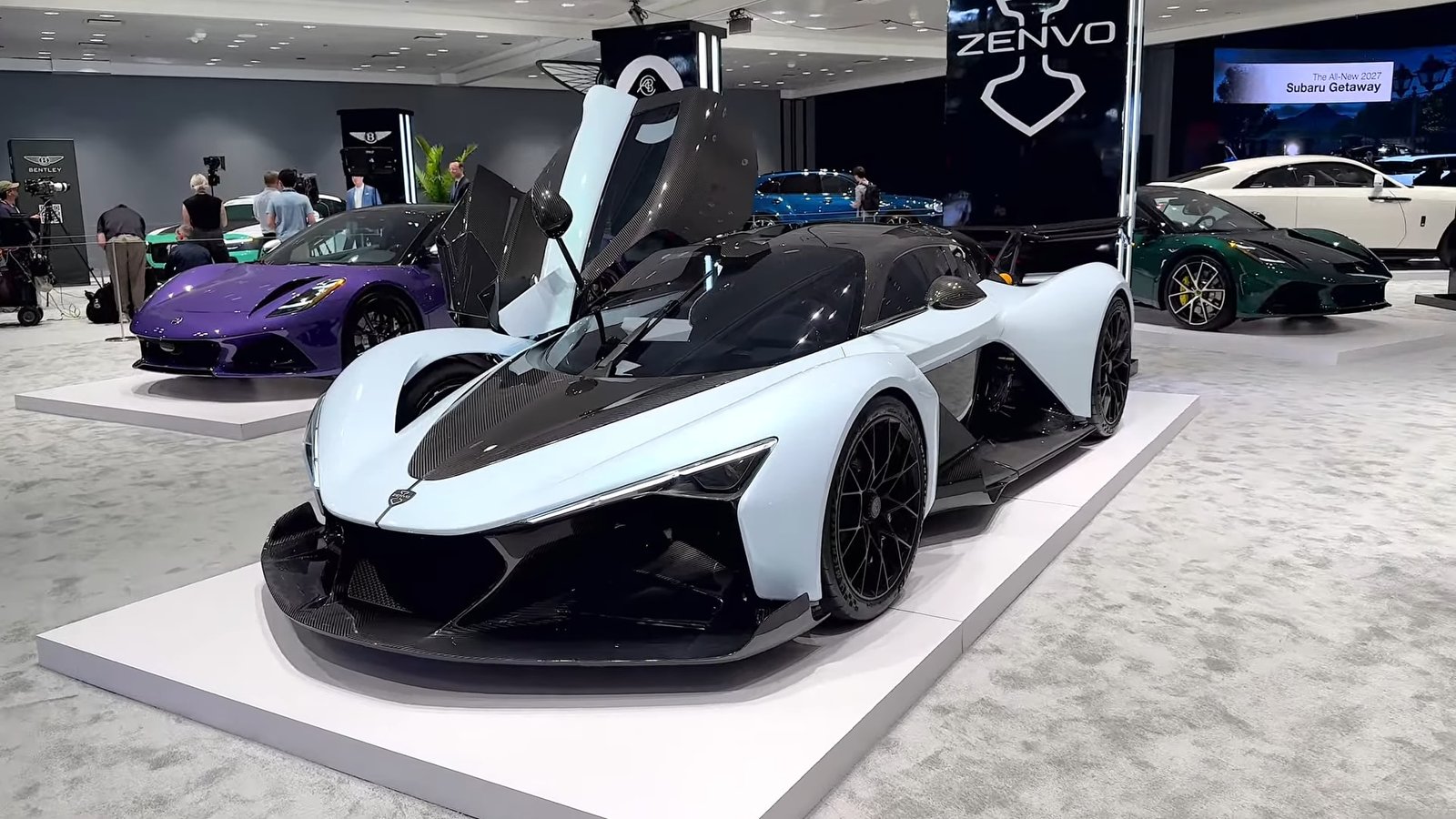
Zenvo says its V12 and electric system can provide a total output of 1,850 bhp. Zenvo Aurora powertrain announcement
8. Bugatti Tourbillon — 1,800 HP
The Bugatti Tourbillon combines a naturally aspirated 8.3-liter V16 with three electric motors. The engine makes 1,000 hp, while the motors add 800 hp.
Bugatti designed the car for more than short speed runs. Its electric system supports quiet low-speed travel, and the cabin uses an analog instrument cluster instead of a large fixed screen. This may help the interior age with more grace.
The Tourbillon should also work well as a long-distance hypercar. Its cabin, ride tuning, and brand service network give it an advantage over smaller makers.
Customer deliveries were planned to begin in 2026. Bugatti will build 250 cars, each starting at €3.8 million before taxes and options.
Best for: Buyers seeking a mix of V16 sound, hybrid power, comfort, and brand history.
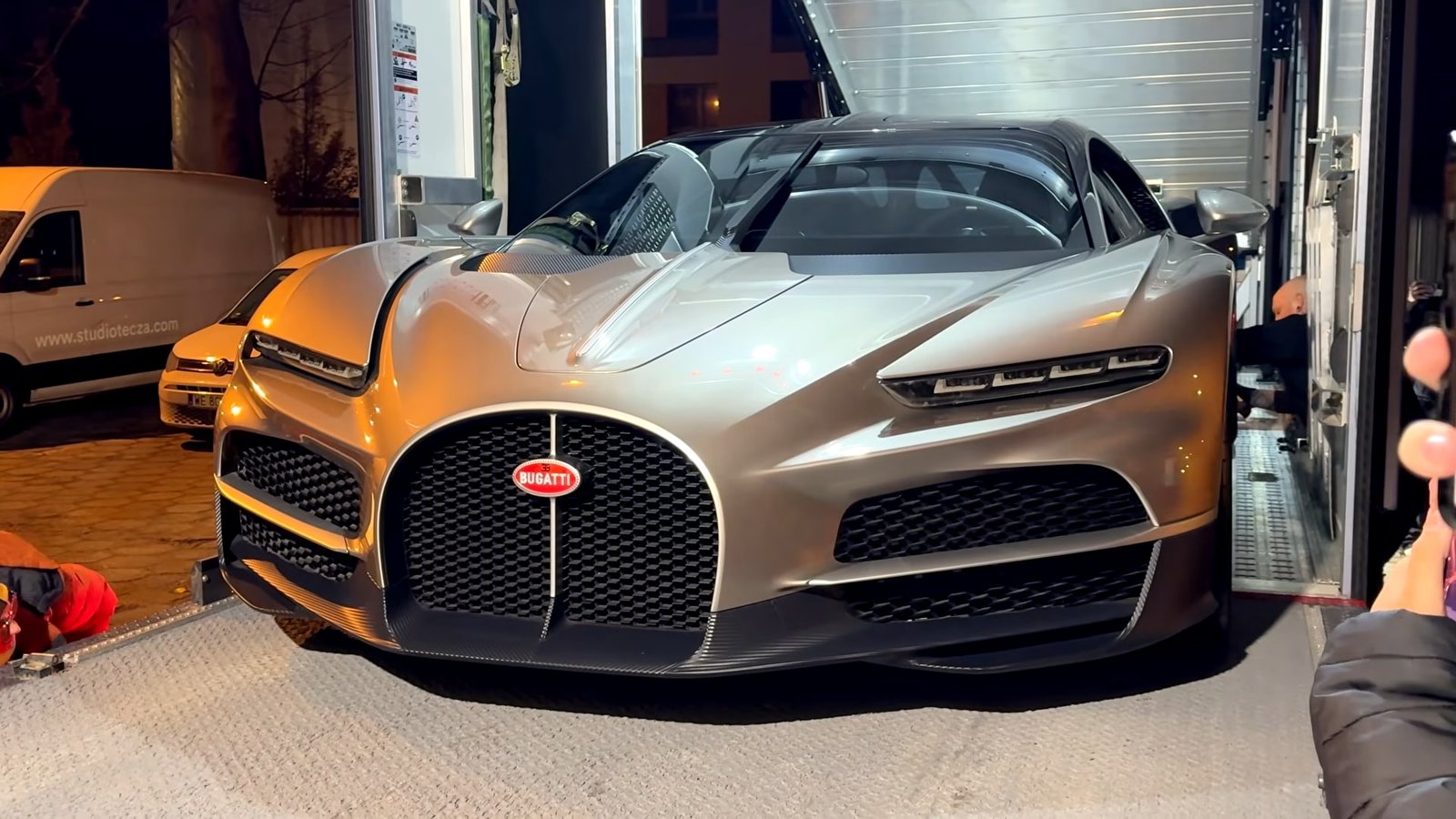
Bugatti confirms 1,800 hp, a planned 276-mph maximum speed with its Speed Key, and a limited run of 250 cars. Official Bugatti Tourbillon announcement
9. SSC Tuatara — 1,750 HP
The SSC Tuatara produces 1,750 hp when it runs on E85 ethanol or methanol. Output falls to 1,350 hp on common 91-octane gasoline.
SSC shaped the body around a low drag coefficient of 0.279. The company also uses active aerodynamic parts to keep the car balanced as speed rises.
The Tuatara has a direct link to American engineering. SSC builds it in Washington State and developed its V8 with Nelson Racing Engines. That story may appeal to U.S. buyers who want a domestic alternative to European hypercars.
Fuel access remains the largest daily issue. E85 quality and availability vary by state, so owners need to plan long trips around suitable stations.
Best for: U.S. drivers who want a lightweight, road-legal, high-speed V8 car.
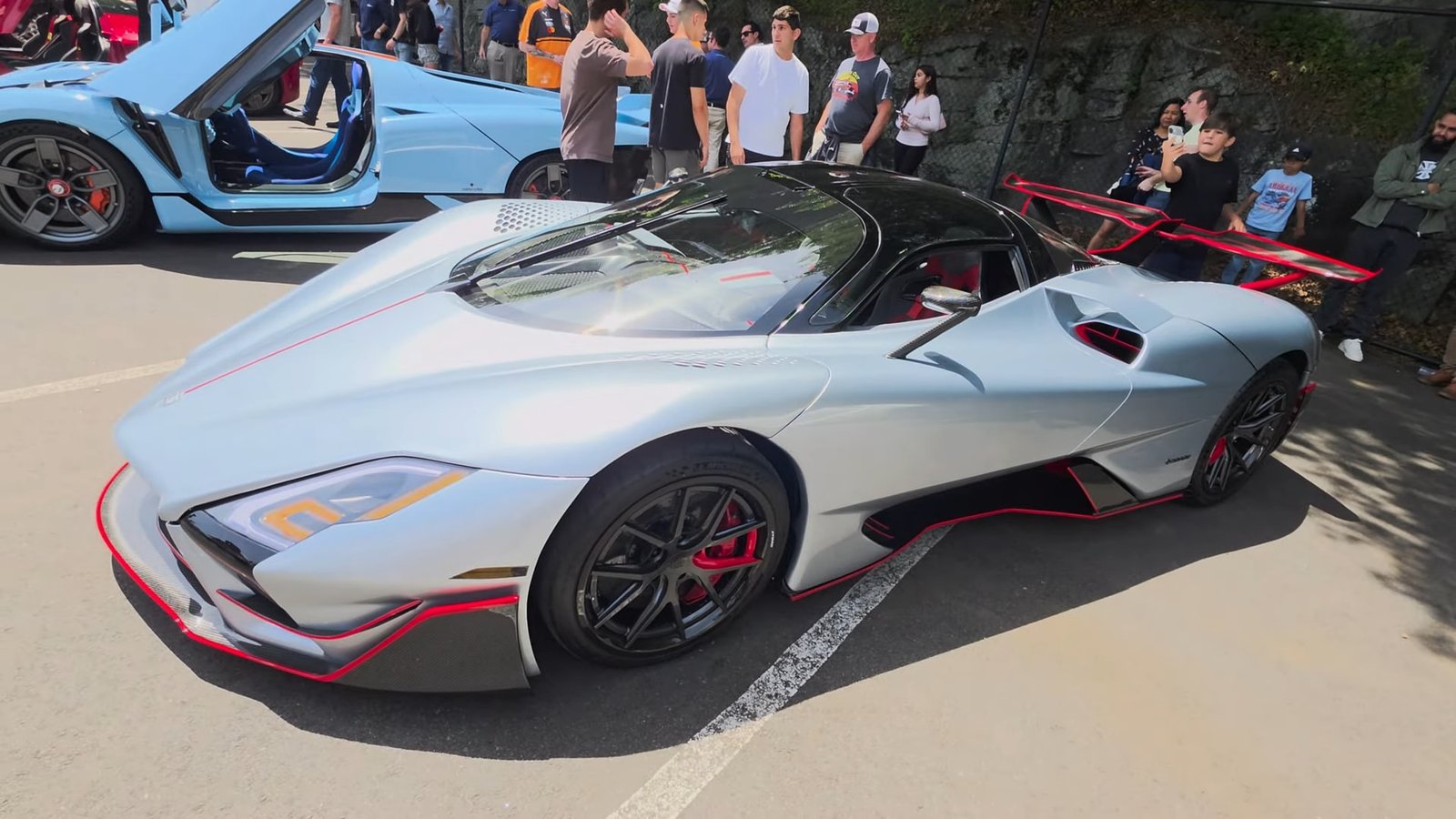
SSC lists 1,750 hp on E85 and 1,350 hp on 91-octane fuel. Official SSC Tuatara specifications
10. Rimac Nevera — 1,914 HP
The standard Nevera produces 1,914 hp from four electric motors. Its H-shaped 120-kWh battery sits within a carbon-fiber structure and supports independent control at each wheel.
The Nevera feels less track focused than the Nevera R. It offers a more useful balance between speed, range, ride quality, and luggage space. Rimac designed it as an electric grand tourer, not only as a record machine.
Its 258-mph-class performance remains difficult to use on public roads. Owners will gain more value from its smooth power delivery, road modes, and strong highway response.
The car also shows Rimac’s brand story. The Croatian company grew from a small EV project into a major supplier of high-performance electric systems.
Best for: Drivers who prefer road comfort and range over the Nevera R’s sharper setup.

Rimac lists 1,914 hp, 2,340 Nm of torque, and a 120-kWh battery. Official Rimac Nevera specifications
EV vs. Hybrid vs. Gas: Which Powertrain Works Best?
| Powertrain | Main Strength | Main Drawback | Best Use |
|---|---|---|---|
| Full electric | Instant response and precise wheel control | Charging time and heat during repeated hard runs | Short road trips and quick track sessions |
| Hybrid | Strong low-speed response plus engine range | More parts, weight, and cooling needs | Long trips with occasional track use |
| Gas V8 or V12 | Fast refueling, low weight, strong sound | Fuel cost, emissions rules, and traction limits | Track days and long routes with fuel access |
EVs dominate the top of the power chart because motors can deliver huge output without waiting for engine speed to rise. Software can also send a different amount of torque to each wheel.
Hybrids offer the broadest range of use. They add electric response without making the driver depend on charging for every trip.
Pure gas cars feel lighter and more direct. Yet they need special fuel to reach their highest output, and future emissions rules may limit where owners can register them.
Which 2027 Hypercar Fits Your Use?
| Buyer Need | Strongest Choice | Why |
|---|---|---|
| Highest practical power | Koenigsegg Gemera | Four seats, luggage space, and 2,300 hp |
| Best electric track car | Rimac Nevera R | Fast response and advanced torque control |
| Best combustion experience | Hennessey Venom F5 Evolution | 2,031-hp V8 and rear-wheel drive |
| Best luxury road trip | Bugatti Tourbillon | Refined cabin and strong brand support |
| Best electric grand tourer | Pininfarina Battista | Comfort, range, and Italian design |
| Best American choice | SSC Tuatara | U.S. production and road-legal V8 performance |
| Rarest speed-focused EV | Aspark Owl SP600 | Limited production and top-speed focus |
What U.S. Buyers Should Check Before Ordering
Street approval comes first. Ask whether the exact car has full federal certification or needs a limited-use import path. State registration rules may add another layer.
Check charging or fuel access next. A 2,000-hp EV needs dependable high-output chargers, while an E85 hypercar needs the correct fuel to reach its rated power.
Service distance also matters. A simple warning light may require enclosed transport to a regional center. Ask who pays for transport and how long common repairs take.
Finally, price the tires and insurance before signing. These cars use special speed-rated tires that may have short age limits even when the tread looks new.
Are the Most Powerful Production Cars of 2027 Worth It?
The answer depends on what “worth it” means. None of these cars offers normal value per dollar. Their value comes from rare engineering, limited production, brand history, and an experience that mass-market cars cannot copy.
The Koenigsegg Gemera stands out as the most complete package. It combines the highest power figure in this ranking with four seats and real touring potential. The Rimac Nevera R delivers the strongest electric track experience, while the Bugatti Tourbillon offers the best mix of theater and long-distance comfort.
Horsepower still draws attention, but control decides whether that power feels useful. The best of the most powerful production cars of 2027 can manage heat, traction, braking, and driver comfort as well as they manage acceleration.