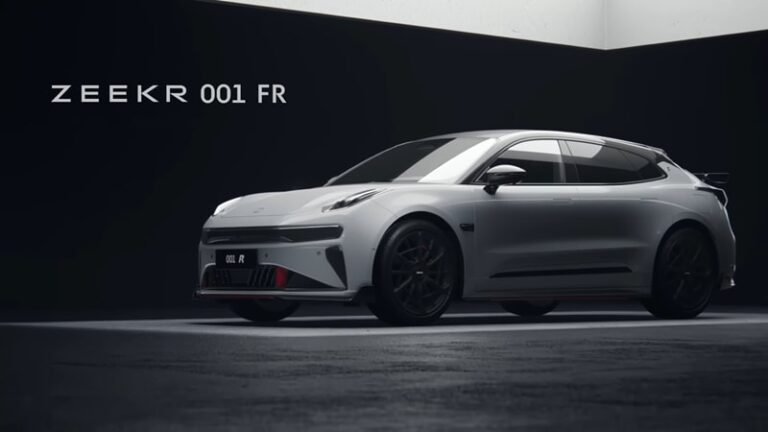
The Zeekr 9X isn’t just another electric SUV entering an overcrowded market. It’s a statement piece from Geely’s premium EV division that combines L3 autonomous driving capabilities, super-electric hybrid technology, and luxury appointments at a price point that undercuts German rivals by nearly 50%. After analyzing technical specifications, market positioning, and real-world performance data, this comprehensive review examines whether the 9X represents genuine value or merely spec-sheet theater.
Bottom Line: For buyers in Europe and Asia, the Zeekr 9X delivers compelling technology and luxury at an aggressive price. American consumers, however, face significant barriers due to import tariffs and limited dealer networks.
What Is Zeekr? Understanding the Brand Behind the 9X
Before evaluating the vehicle itself, understanding Zeekr’s corporate pedigree matters significantly for long-term ownership considerations.
Zeekr operates as the premium electric vehicle arm of Geely Holding Group, one of the world’s largest automotive conglomerates. This isn’t a fly-by-night startup chasing EV subsidies. Geely’s portfolio includes:
| Brand | Market Position | Relevance to Zeekr 9X |
|---|---|---|
| Volvo | Premium Safety | Shared safety engineering protocols |
| Polestar | Performance EV | Common SEA platform architecture |
| Lotus | Ultra-Performance | Chassis tuning expertise |
| Mercedes-Benz (Stake) | Luxury Benchmark | Design and quality influence |
| Lynk & Co | Global Premium | Manufacturing scale |
This corporate backing provides Zeekr with something most EV startups lack: established supply chains, proven manufacturing quality, and the financial stability to support long-term warranty obligations.
Design and Exterior: Science Fiction Meets Luxury Yacht
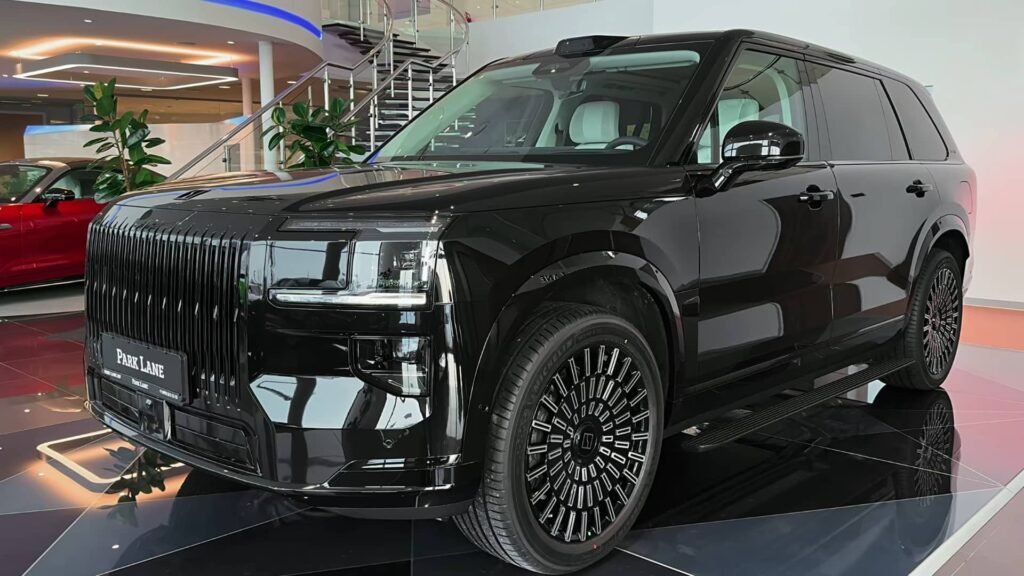
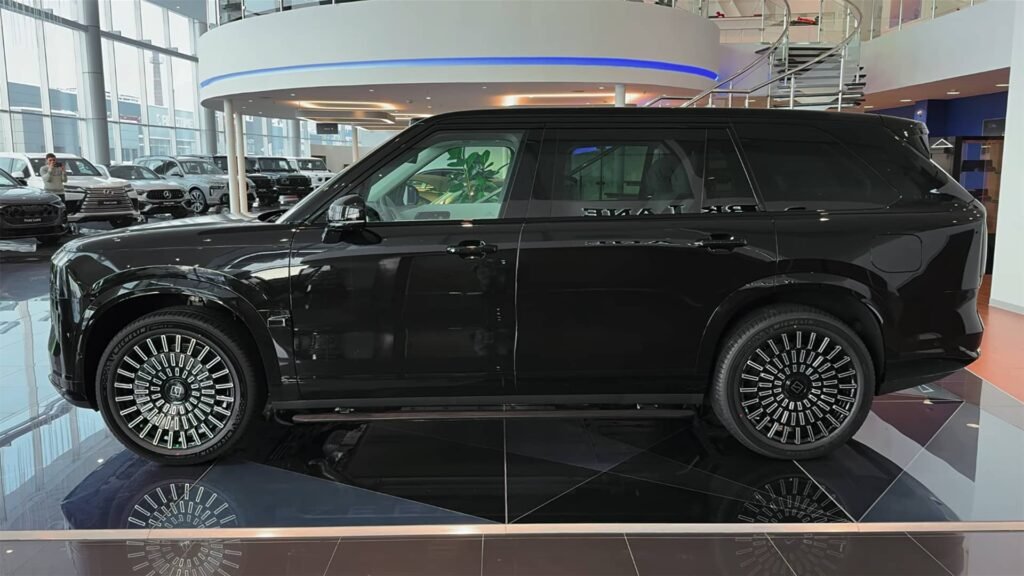
The Zeekr 9X’s visual presence immediately distinguishes it from conventional SUVs. At 5,290mm in length with a 3,220mm wheelbase, it exceeds both the Tesla Model X and BMW iX in overall dimensions.
Key Design Elements
Front Fascia: The integrated grille spans over 120cm in width, paired with a clamshell hood exceeding 2 square meters. This design language draws comparisons to Rolls-Royce’s Cullinan, though executed with distinctly modern proportions.
Lighting Technology: Dual million-pixel intelligent projection headlights provide adaptive beam patterns. The full-width rear light bar incorporates animated sequences that activate during vehicle startup.
Aerodynamic Efficiency: Despite its substantial size, the 9X achieves a drag coefficient of 0.25—remarkable for a seven-seat SUV and competitive with luxury sedans.
Wheel Options: Available up to 22 inches, with flush-mounted door handles that deploy electronically.
Design Assessment
| Aspect | Rating | Notes |
|---|---|---|
| Visual Impact | 9/10 | Commands attention without appearing ostentatious |
| Build Quality | 8/10 | Panel gaps and paint quality match European standards |
| Aerodynamics | 9/10 | Class-leading for vehicle category |
| Distinctiveness | 8/10 | Recognizable without being polarizing |
Performance Specifications: Beyond the Marketing Claims
The Zeekr 9X runs on Geely’s SEA (Sustainable Experience Architecture) platform, the same foundation underpinning Polestar and Lotus EVs. This shared architecture provides genuine sports car engineering DNA rather than adapted commuter car underpinnings.
Powertrain Options
| Variant | Power Output | 0-100 km/h | Drivetrain |
|---|---|---|---|
| Single Motor RWD | ~300 hp | ~6.5 seconds | Rear-wheel drive |
| Dual Motor AWD | ~500 hp | <4.0 seconds | All-wheel drive |
| Tri-Motor (Hyper) | ~750 hp | 3.1 seconds | All-wheel drive |
Battery and Charging
| Specification | Value | Real-World Context |
|---|---|---|
| Battery Capacity | Up to 100 kWh | Competitive with segment leaders |
| CLTC Range | Up to 1,165 km | ~500-600 km realistic mixed driving |
| Pure Electric Range | 288-380 km (PHEV) | Sufficient for daily commuting |
| Charging Architecture | 900V | Enables ultra-fast charging |
| Max Charging Power | 480 kW | 10-80% in approximately 15 minutes |
| 15-Minute Charge | ~300 km range | Class-leading replenishment speed |
Critical Performance Analysis
The headline acceleration figures warrant careful examination. While the 3.1-second 0-100 km/h claim for the tri-motor Hyper variant is technically achievable, this represents optimal conditions with maximum battery charge. Real-world repeated launches will show degradation as thermal management systems engage.
The 900V charging architecture genuinely differentiates the 9X from competitors still utilizing 400V systems. However, accessing 480kW charging requires specific ultra-high-power charging stations that remain limited outside China and select European corridors.
Autonomous Driving: L3 Capability That Actually Works
This is where the Zeekr 9X makes its most significant technological statement. While Tesla continues marketing “Full Self-Driving” that legally requires constant driver supervision, Zeekr has implemented genuine Level 3 autonomous capability.
Qianli Haohan H9 Autonomous System
| Component | Specification | Competitive Advantage |
|---|---|---|
| Computing Platform | Dual NVIDIA Thor chips | 1,400 TOPS total compute |
| LiDAR Sensors | 5 primary units | 360-degree coverage |
| Blind Spot Radar | 4 units | Eliminated peripheral盲区 |
| Total Sensors | 43 units | Comprehensive environmental awareness |
| Autonomous Level | L3 certified | Hands-off highway driving legal |
| Backup Systems | Dual braking, redundant steering | Fail-safe operation |
Tesla vs. Zeekr: Philosophy Comparison
| Aspect | Tesla Vision | Zeekr H9 |
|---|---|---|
| Primary Sensors | Cameras only | LiDAR + Cameras + Radar |
| Computing Power | ~720 TOPS (FSD 4.0) | 1,400 TOPS |
| Autonomous Level | L2+ (driver supervision required) | L3 (hands-off permitted) |
| Elon Musk’s View | LiDAR is a “crutch” | LiDAR provides redundancy |
| Highway Autonomy | Requires hands on wheel | Legal hands-off operation |
Practical Implications
Level 3 certification means the 9X can legally operate without driver input on designated highways under specific conditions. The driver may look away from the road, though they must remain prepared to resume control when the system requests. This represents a genuine functional difference from Tesla’s Level 2+ system, which legally requires continuous driver attention.
Interior and Luxury Appointments: Tech-Forward or Timeless?
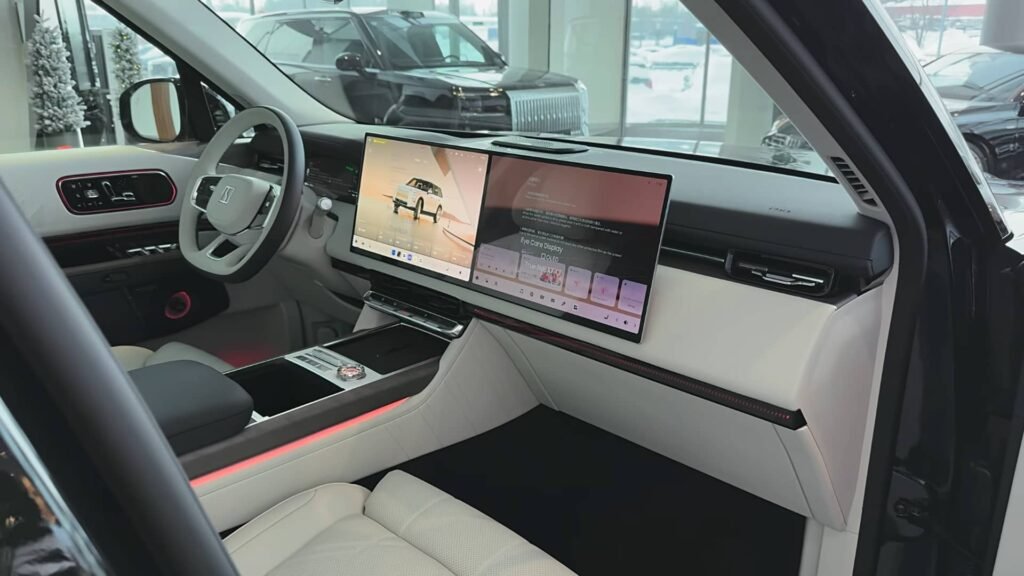
Stepping into the Zeekr 9X reveals an interior that balances technological sophistication with traditional luxury cues.
Cabin Configuration
| Layout | Seating | Best For |
|---|---|---|
| 2-3-2 | Seven seats | Maximum passenger capacity |
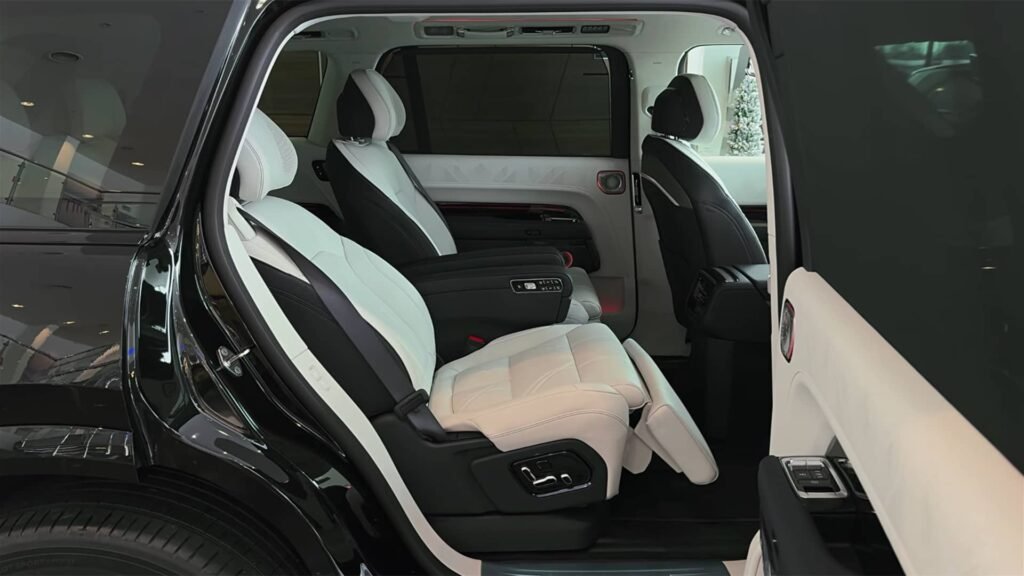
| 2-2-2 | Six seats (captain’s chairs) | Premium comfort |
| Ultra Luxury | Four executive seats | Chauffeur-driven scenarios |
Technology Features
| Feature | Specification | User Experience |
|---|---|---|
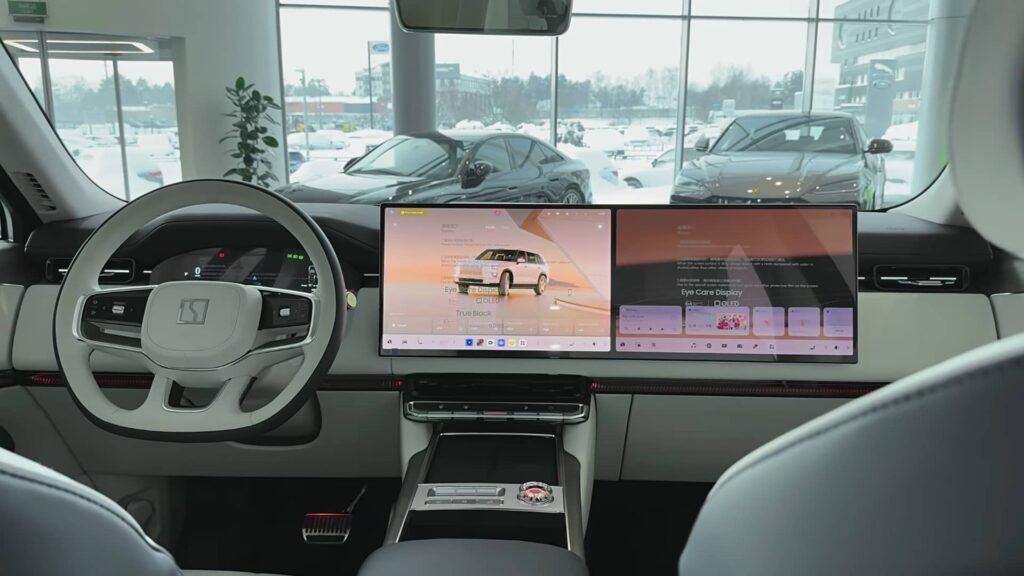
| Infotainment Display | 15.6-inch OLED | Crisp resolution, responsive touch |
| Driver Display | Fully digital cluster | Customizable information presentation |
| Head-Up Display | AR projection | Navigation and warnings in sightline |
| Steering Wheel | Two-spoke with haptic controls | Modern aesthetic, tactile feedback |
| Sound System | Yamaha 21-speaker 3D audio | Immersive audio experience |
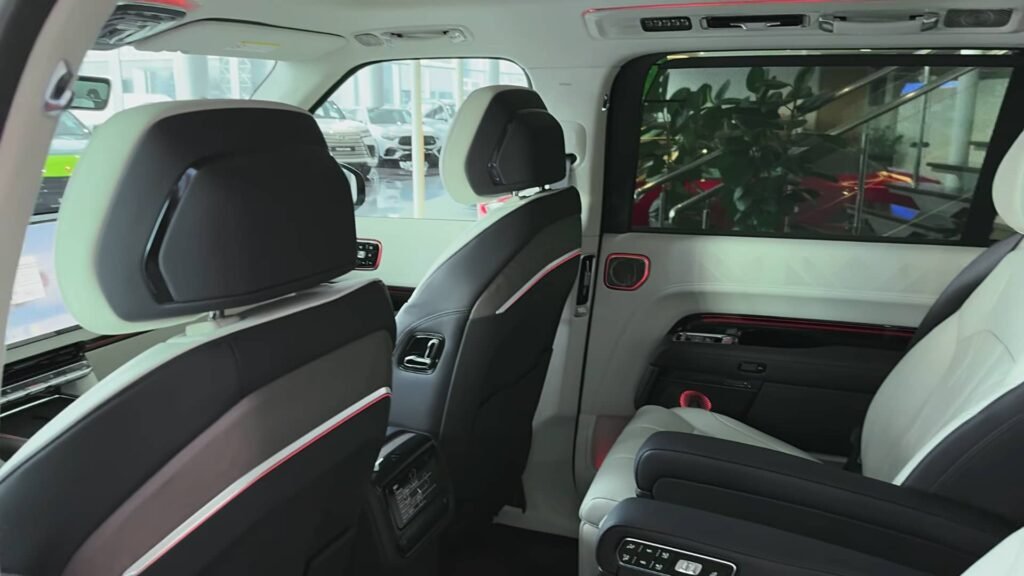
| Ambient Lighting | 256 colors | Personalization without distraction |
Seat Comfort and Materials
All seating positions include ventilation, heating, and massage functions. The second-row captain’s chairs recline to near-flat positions, transforming the cabin into a mobile lounge. Third-row passengers receive legitimate accommodations rather than token seating, with dedicated cup holders and USB-C ports.
Material selections include premium Nappa leather, sustainable wood alternatives, and plant-based composite trim pieces. The overall impression suggests Mercedes-EQS levels of refinement with a more contemporary aesthetic.
Interior Assessment
| Category | Rating | Commentary |
|---|---|---|
| Material Quality | 9/10 | Matches European luxury standards |
| Technology Integration | 9/10 | Intuitive without overwhelming |
| Space and Comfort | 9/10 | All three rows genuinely usable |
| Long-Term Durability | 7/10 | Unproven over extended ownership |
Pricing and Value Proposition: The Numbers That Matter
This is where the Zeekr 9X creates genuine market disruption.
Competitive Pricing Analysis (USD Equivalent)
| Vehicle | Starting Price | Price Difference vs. 9X |
|---|---|---|
| Zeekr 9X | $65,000-$85,000 | Baseline |
| Tesla Model X | $90,000+ | +38% higher |
| BMW iX xDrive50 | $90,000+ | +38% higher |
| Mercedes EQS SUV | $105,000+ | +62% higher |
| Audi Q8 e-tron | $75,000+ | +15% higher |
| AITO M9 | $70,000+ | +8% higher |
Chinese Market Pricing (RMB)
| Variant | Price (RMB) | Price (USD Approx.) |
|---|---|---|
| 2.0T 300km Max | 465,900 | $65,000 |
| 2.0T 288km Ultra | 485,900 | $68,000 |
| 2.0T 380km Ultra | 500,900 | $70,000 |
| 2.0T 355km Hyper | 559,900 | $78,000 |
| 2.0T 355km Obsidian | 599,900 | $85,000 |
Value Assessment
The pricing strategy positions the 9X aggressively against established luxury brands. However, prospective buyers should consider several factors beyond initial purchase price:
Resale Value Uncertainty: Chinese luxury EVs lack established resale value histories in Western markets. Early adopters may experience steeper depreciation than comparable German vehicles.
Service Network Limitations: Outside China and select European markets, authorized service centers remain limited. This could impact convenience and potentially repair costs.
Warranty Considerations: Understanding warranty coverage specifics and claim processes in your region is essential before purchase.
Market Availability: Where Can You Actually Buy One?
Geographic availability significantly impacts the 9X’s competitive positioning.
Current Market Status
| Region | Availability | Barriers |
|---|---|---|
| China | Available | Primary market, full support |
| Europe | Expanding | Germany, Netherlands, Norway initial markets |
| United States | Not Available | Import tariffs, regulatory hurdles |
| Southeast Asia | Planned | Malaysia, Thailand under consideration |
| Middle East | Limited | Select markets through partners |
United States Market Reality
American consumers cannot currently purchase the Zeekr 9X through official channels. Several factors contribute to this limitation:
- Import Tariffs: Current US tariffs on Chinese-manufactured vehicles effectively eliminate the 9X’s price advantage
- Regulatory Compliance: US safety and emissions standards require specific certifications
- Dealer Network: No established US distribution infrastructure exists
Zeekr could potentially circumvent tariff barriers by establishing manufacturing facilities in Mexico or Europe for North American distribution. However, no such plans have been officially announced.
European Expansion Strategy
Zeekr has committed to aggressive European expansion, beginning with Germany, the Netherlands, and Norway. These markets provide:
- Established EV infrastructure
- Favorable regulatory environments for Chinese EVs
- Consumers open to premium EV alternatives
Real-World Ownership Considerations
Beyond specifications and pricing, practical ownership factors determine long-term satisfaction.
Charging Infrastructure Compatibility
| Charging Standard | Compatibility | Notes |
|---|---|---|
| CCS2 (Europe) | Compatible | Standard European fast charging |
| NACS (Tesla) | Adapter Required | Tesla Supercharger access possible |
| GB/T (China) | Native | Domestic market standard |
| Home Charging | Compatible | Standard Level 2 charging supported |
Maintenance and Service
The super-electric hybrid powertrain combines traditional internal combustion elements with electric propulsion. This complexity offers flexibility but introduces additional maintenance considerations compared to pure EVs.
Advantages:
- Reduced range anxiety for long-distance travel
- Flexibility when charging infrastructure is limited
- Potential fuel cost savings for daily commuting
Considerations:
- More complex powertrain than pure EV
- Requires both fuel and electrical system maintenance
- Long-term reliability data still accumulating
Technology Longevity
The 9X’s technology-forward approach raises questions about long-term relevance:
| Technology Aspect | Concern | Mitigation |
|---|---|---|
| Infotainment System | Potential obsolescence | OTA updates supported |
| Autonomous Features | Regulatory evolution | Hardware supports future upgrades |
| Battery Technology | Degradation over time | 8-year warranty typical |
| Sensor Calibration | Long-term accuracy | Service center support required |
Competitive Positioning: The Complete Picture
Zeekr 9X vs. Primary Competitors
| Factor | Zeekr 9X | Tesla Model X | BMW iX | Mercedes EQS SUV |
|---|---|---|---|---|
| Starting Price | $65,000 | $90,000+ | $90,000+ | $105,000+ |
| Autonomous Level | L3 | L2+ | L2+ | L2+ |
| Charging Speed | 480kW | 250kW | 200kW | 200kW |
| Range (Real-World) | 500-600km | 500-550km | 450-500km | 450-500km |
| Interior Luxury | 9/10 | 7/10 | 8/10 | 9/10 |
| Brand Recognition | 6/10 | 9/10 | 8/10 | 9/10 |
| Resale Value | Unknown | Established | Established | Established |
| Service Network | Limited | Extensive | Extensive | Extensive |
Who Should Consider the Zeekr 9X?
Ideal Buyers:
- Technology enthusiasts seeking cutting-edge autonomous features
- Value-conscious luxury buyers prioritizing features over badges
- European and Asian residents with access to service networks
- Early adopters comfortable with emerging brand ecosystems
Think Twice If:
- You reside in the United States (currently unavailable)
- Resale value is a primary purchase consideration
- You prefer established luxury brand heritage
- Local service center access is limited in your area
The Verdict: Revolutionary or Overhyped?
The Zeekr 9X represents a genuine challenge to established luxury SUV conventions. Its combination of L3 autonomous driving, super-electric hybrid flexibility, and aggressive pricing creates a compelling value proposition that German manufacturers cannot easily match.
Strengths
✓ Genuine L3 autonomous capability (not marketing theater) ✓ Class-leading charging speed with 900V architecture ✓ Luxury interior matching established premium brands ✓ Price advantage of 30-60% versus German competitors ✓ Backed by Geely’s established manufacturing and financial resources
Weaknesses
✗ Limited availability outside China and select European markets ✗ Unproven long-term reliability and resale value ✗ Service network still developing in international markets ✗ Brand recognition lags behind established luxury competitors ✗ US market effectively inaccessible due to tariffs
Final Recommendation
For buyers in accessible markets who prioritize technology and value over brand heritage, the Zeekr 9X deserves serious consideration. The combination of genuine L3 autonomy, rapid charging capability, and luxury appointments at this price point represents unprecedented value in the premium SUV segment.
However, American buyers should temper enthusiasm until market access improves. European and Asian consumers with adequate service network coverage face a more straightforward decision: the 9X delivers capabilities that justify consideration alongside established luxury alternatives.
Rating: 8.5/10 — A compelling luxury EV that challenges segment conventions, limited primarily by geographic availability and unproven long-term ownership metrics.
Frequently Asked Questions
Q: Is the Zeekr 9X fully electric or hybrid? A: The 9X utilizes super-electric hybrid (plug-in hybrid) technology, combining a 2.0T engine with electric motors. This provides flexibility for both electric-only commuting and extended range travel.
Q: Can the Zeekr 9X use Tesla Superchargers? A: With appropriate adapters, the 9X can access Tesla Supercharger networks in regions where this compatibility is enabled. Native CCS2 charging is standard in European markets.
Q: What warranty coverage does Zeekr provide? A: Warranty terms vary by market. Typical coverage includes 8 years/160,000 km for battery components and 4 years/100,000 km for vehicle systems. Confirm specific terms with local dealers.
Q: When will the Zeekr 9X be available in the United States? A: No official US launch date has been announced. Import tariffs and regulatory requirements present significant barriers. Manufacturing partnerships or local production would be required for viable US market entry.
Q: How does the L3 autonomous system work in practice? A: The H9 system permits hands-off driving on designated highways under specific conditions. The driver must remain attentive and ready to resume control when the system requests intervention.
This review is based on available technical specifications, market data, and industry analysis as of February 2026. Actual vehicle performance and availability may vary by market and production date. Prospective buyers should verify current specifications and pricing with authorized Zeekr dealers.