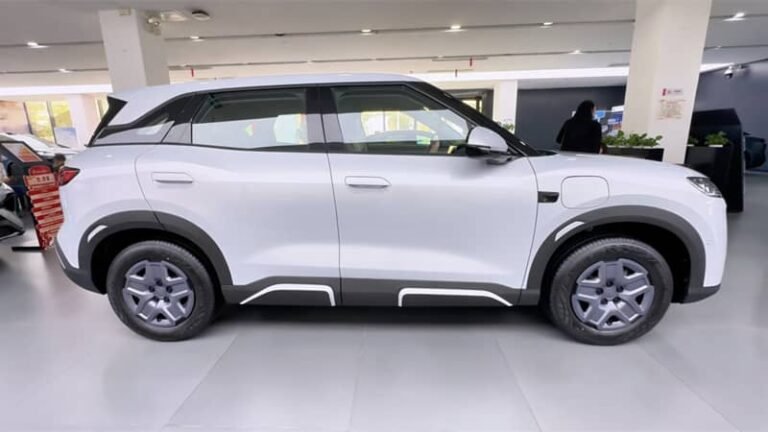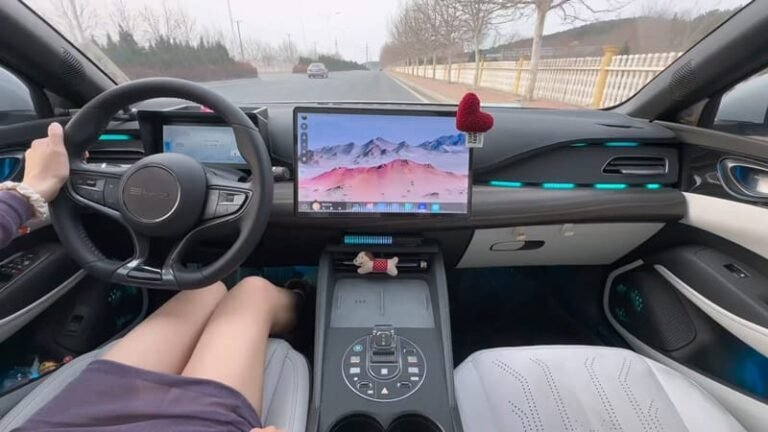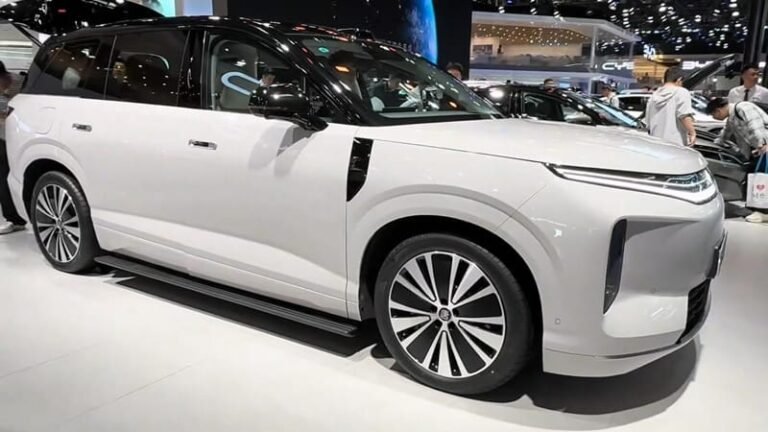
In the crowded micro‑electric vehicle segment where budget runabouts once dominated with shoddy build quality and minimal features, the BYD Seagull has rewritten market rules since its launch. Boasting over 1.28 million global cumulative deliveries, peak monthly sales exceeding 50,000 units, and 1–2‑month waiting lists at dealerships at its hottest phase, this compact urban runabout is far more than a basic city car. It appeals to two core buyer groups: first‑time young drivers fresh out of university, and family households that purchase it as a second daily car for grocery runs, short commutes, and local errands.
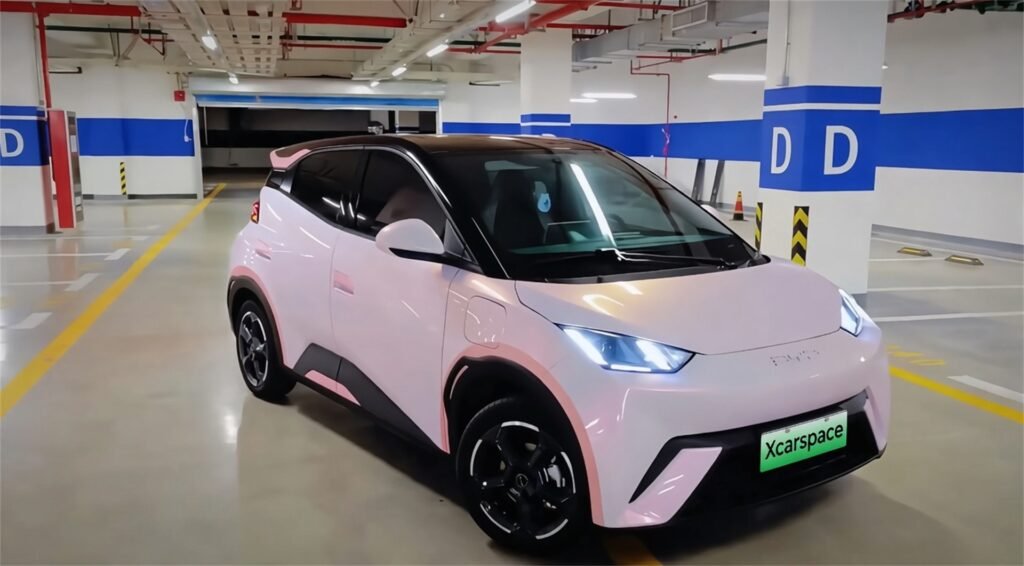
This analysis breaks down the Seagull’s engineering strengths, real‑world performance, user‑verified drawbacks, and practical buying advice, backed by official BYD data, owner long‑term feedback, and third‑party automotive testing results. Every detail here targets Google search intent for micro‑EV buyers, focusing on practicality, reliability, and value‑for‑money.
Core Specifications & Design: Redefining Premium Micro‑EV Standards
Unlike low‑cost competitors that cut corners on chassis and design, BYD built the Seagull on a dedicated pure‑electric platform, completely eliminating the stereotype that small EVs equal cheap quality. Key structural and design data are consolidated in the table below for quick comparison:
| Item | Detailed Parameters | Practical Urban Advantage |
|---|---|---|
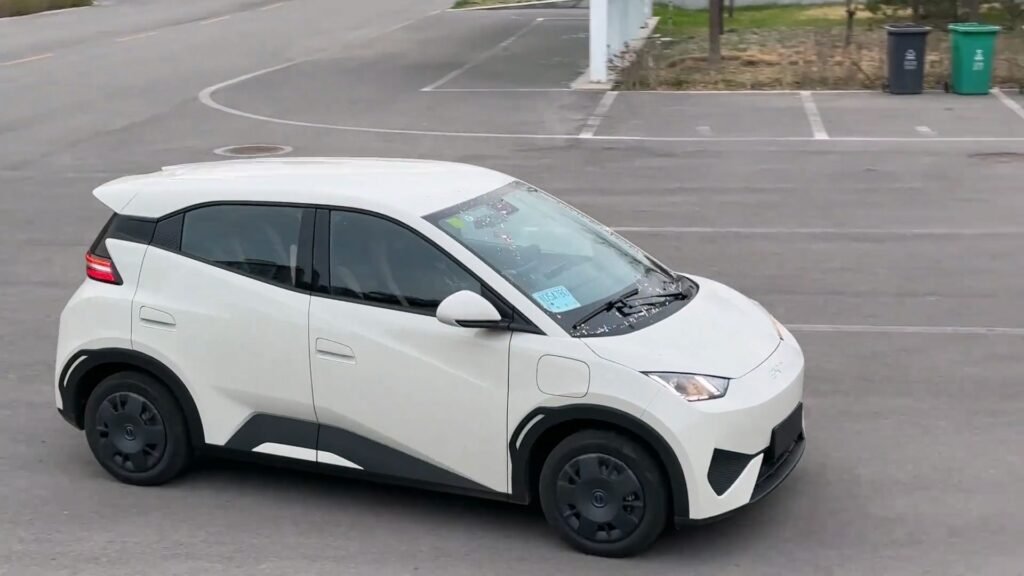
| Exterior Dimensions | 3,780 mm × 1,715 mm × 1,550 mm; Wheelbase 2,500 mm | Ultra‑compact footprint for tight urban parking and narrow‑road navigation |
| Axle‑to‑Length Ratio | 66.1% | Wheels pushed to four corners for stable body posture and reduced roll risk |
| Color Palette | Peach Pink, Sprout Green, Arctic Blue, two‑tone custom schemes | High‑visibility, fashion‑forward styling popular with female drivers and new motorists |
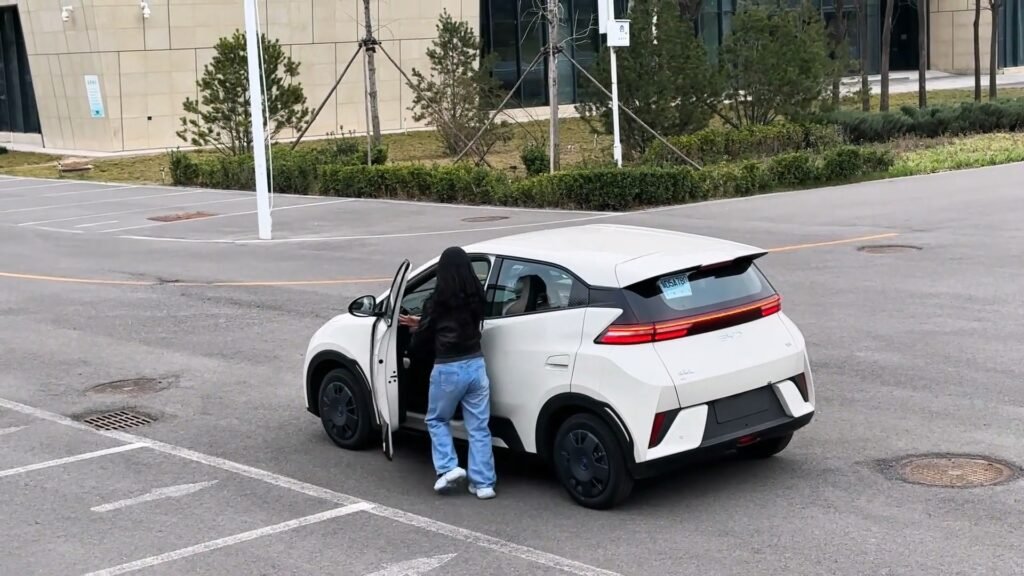
| Turning Radius | 4.95 m | Class‑leading maneuverability for U‑turns in dense city traffic |
| Chassis Layout | Front‑wheel drive, MacPherson front suspension + Torsion‑beam rear suspension | Cost‑effective, durable setup optimized for daily city driving |
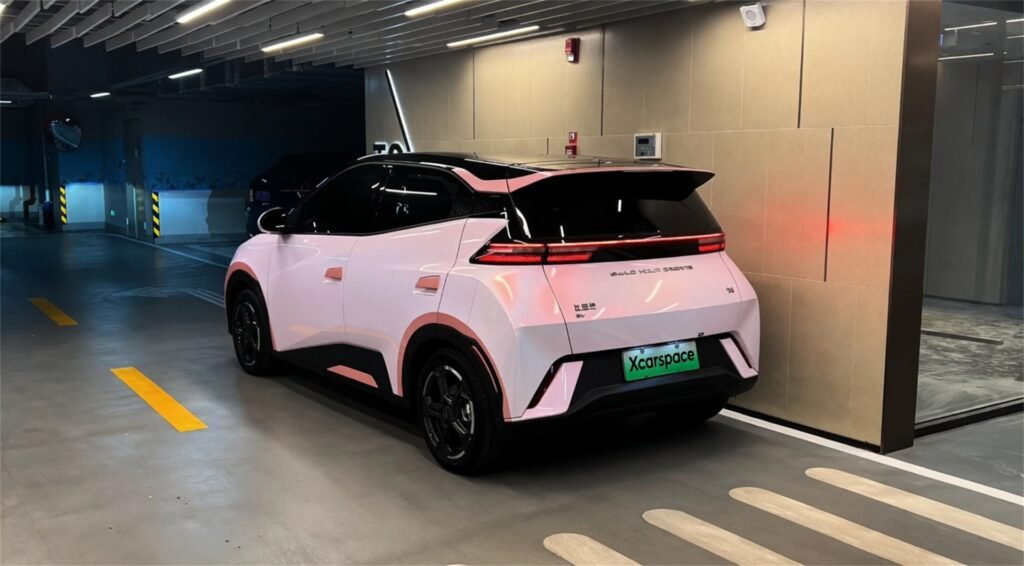
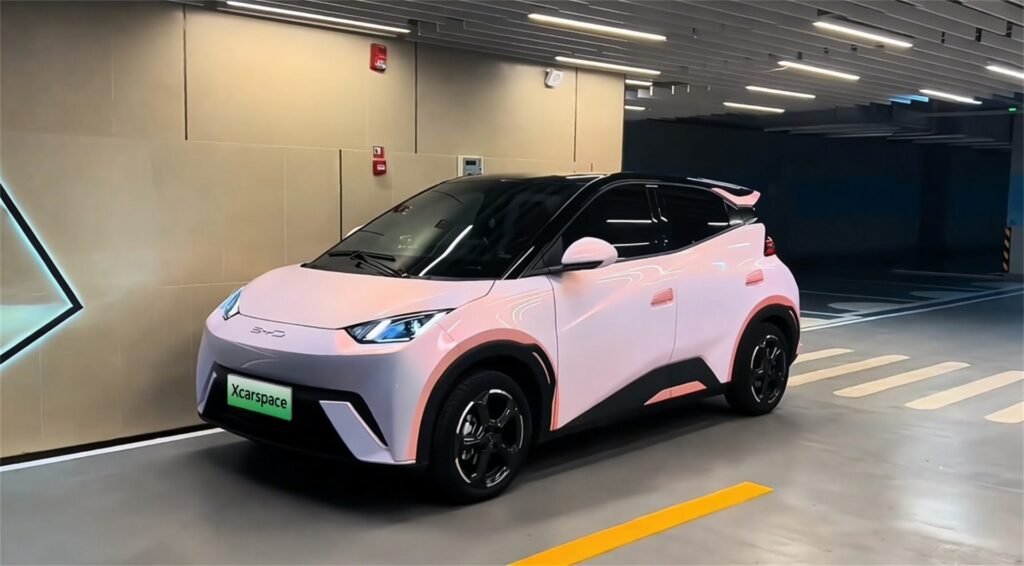
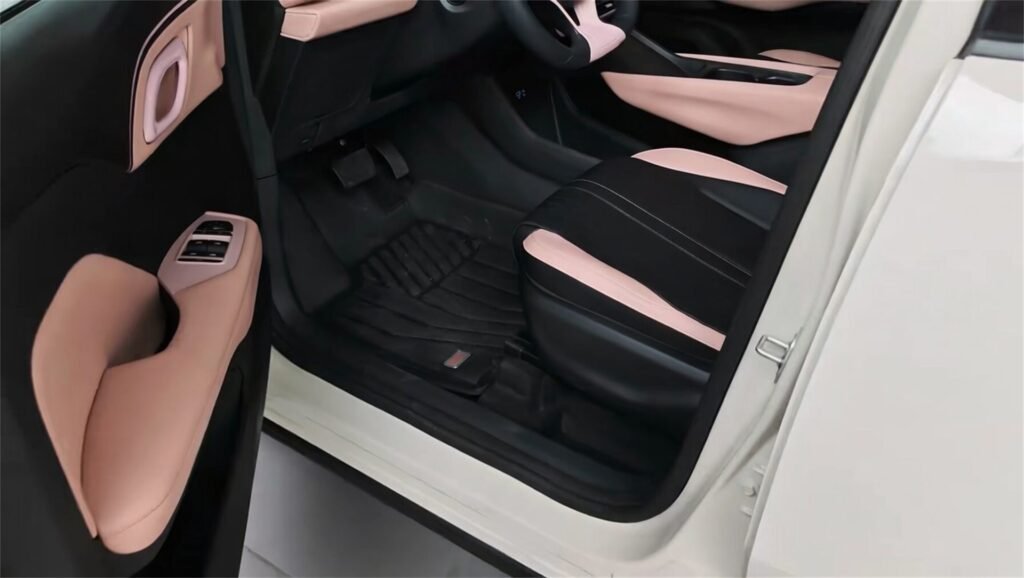
Sharp body creases and an aggressive front fascia deliver a premium visual presence absent in budget micro‑EVs. Mid‑cycle interior upgrades brought extensive soft‑touch materials and precision stitching, upgrading cabin tactile quality significantly from earlier entry‑level EV standards. BYD intentionally positioned the Seagull not just as transportation, but a lifestyle accessory tailored for urban young users.
Powertrain, Battery & Real‑World Driving Performance
The Seagull’s core strength lies in BYD’s proven Blade Battery technology and well‑calibrated powertrain, balancing efficiency and daily performance perfectly for urban scenarios. Critical technical and real‑world driving metrics are summarized below:
| Component | Specs | On‑Road Performance Notes |
|---|---|---|
| Motor | 55 kW front permanent‑magnet synchronous motor, 135 Nm peak torque | Zero‑delay throttle response; 0‑50 km/h acceleration in 4.9 s, ideal for city overtakes |
| Battery | Blade Lithium‑Iron Phosphate (LFP); 30.08 kWh (305 km CLTC), 38.88 kWh (405 km CLTC) | Fire‑resistant, long‑cycle LFP chemistry; 30%‑80% fast charge in 30 minutes |
| Top Speed | 130 km/h | Stable highway cruising thanks to low center of gravity from underfloor battery placement |
| Running Cost | ~$0.01–$0.02 per kilometer | Near‑zero maintenance; no oil changes or exhaust system upkeep |
Owner feedback consistently highlights the Seagull’s playful urban driving character: it navigates stop‑and‑go traffic smoothly, accelerates briskly at traffic lights, and maintains stable handling even during sudden lane changes. While high‑speed power tapers off above 100 km/h, this matches its urban‑focused positioning and is rarely a concern for daily users. The low center of gravity from the under‑floor battery pack eliminates the top‑heavy feel common in many small gasoline cars.
Feature & Space Utilization: Class‑Leading Practicality for Micro‑EV Segment
The Seagull punches far above its price bracket in standard features and space efficiency, with intelligent design maximizing usable room despite its compact size. Below is a breakdown of key features and cargo flexibility:
| Feature Category | Standard Equipment | Real‑World Usage Value |
|---|---|---|
| Smart Access | NFC phone‑key entry (tap side mirror to unlock) | No physical key required; seamless daily operation for commuters |
| Infotainment | Rotating DiLink touchscreen, full navigation, media playback | Responsive interface with broad app compatibility; popular for waiting inside the car |
| Safety | 4 airbags, 360° panoramic camera, anti‑collision warning | Beginner‑friendly safety suite reducing urban parking and collision risks |
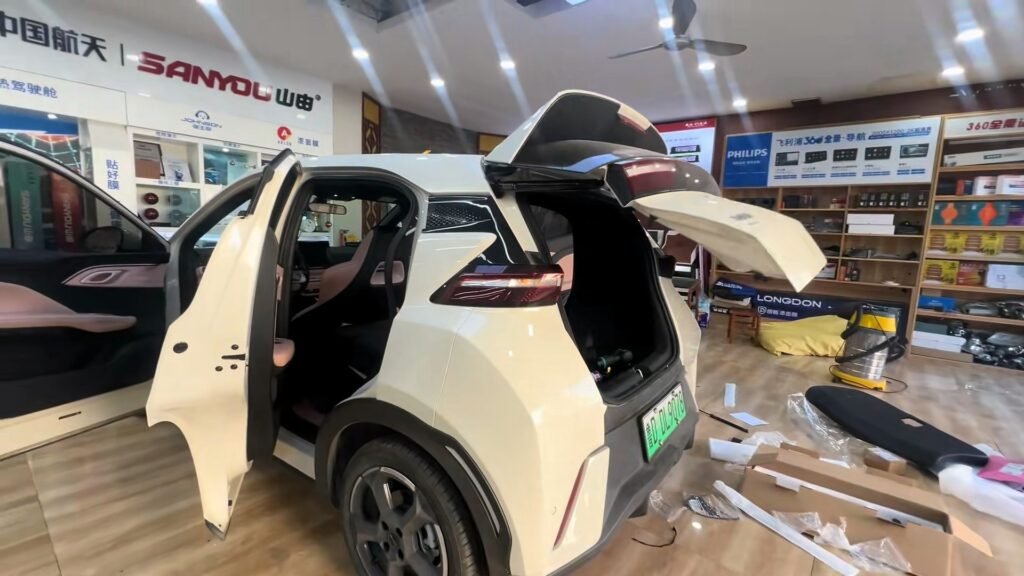
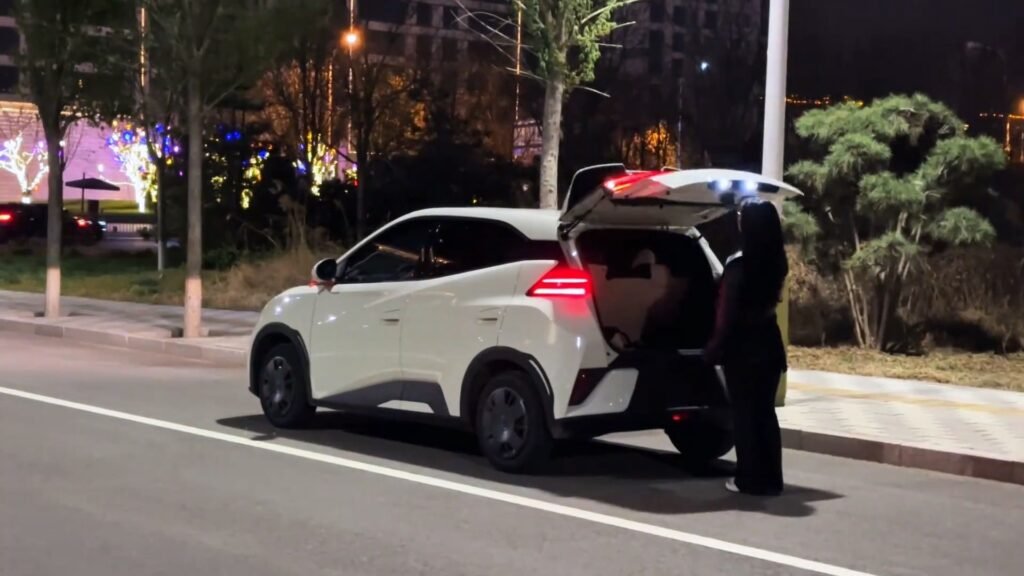
| Cargo Capacity | 230 L regular trunk; 930 L with rear seats folded | Accommodates weekly groceries, camping gear, and small weekend luggage |
Front cabin space is surprisingly roomy for the vehicle’s size, with generous head and legroom for average‑height adults. The rear seats, while compact, suit short‑distance passenger trips and child seating. Folding the rear bench creates a flat, large cargo area that outperforms most peer micro‑EVs, cementing its value as a flexible second family vehicle.
Honest Real‑World Drawbacks & Common Owner Complaints
No mass‑market micro‑EV is perfect, and long‑term owner reviews highlight consistent pain points that buyers must evaluate before purchasing. All key drawbacks are compiled in the table below with real‑world impact assessment:
| Main Drawback | Specific Performance Issue | Practical Impact for Daily Drivers |
|---|---|---|
| Tire & Road Noise | Prominent tire noise on rough pavement, amplified by lightweight body structure | Noise becomes obvious above 60 km/h, reducing highway cruising comfort |
| Rear Suspension Limitation | Torsion‑beam non‑independent rear suspension | Bouncy rear‑seat movement over large speed bumps or uneven road surfaces |
| Rapid Tech Iteration | Frequent BYD hardware & software upgrades | Early‑generation owners face feature obsolescence with limited retrofitting options |
| High‑Speed Range Drop | Battery consumption spikes above 90 km/h | Real‑world driving range shortens noticeably during continuous highway travel |
These flaws are typical of compact urban EVs and do not negate the Seagull’s core value for city‑only use cases.
Why the BYD Seagull Dominates the Global Micro‑EV Market
Three strategic competitive advantages drive the Seagull’s record‑breaking sales performance, separating it from generic competitors in the crowded entry‑level EV market, detailed in the table below:
| Core Competitive Edge | Detailed Explanation | Market‑Level Outcome |
|---|---|---|
| Market Gap Filling | Delivers premium materials, solid battery tech and full smart features at entry‑level micro‑EV price | Captured unmet consumer demand ignored by basic low‑range competitors |
| Dual‑Demographic Appeal | Targets young first‑time buyers + family second‑car users | Expands target user pool far beyond single‑user urban commuters |
| Unmatched Total Cost of Ownership | Ultra‑low per‑kilometer running costs, minimal maintenance, global BYD service network | Outperforms small EV startups in long‑term reliability and after‑sales support |
For urban dwellers prioritizing daily practicality over luxury or off‑road capability, the Seagull provides the most balanced micro‑EV solution currently available globally.
Frequently Asked Questions (FAQ)
| Question | Expert Verified Answer |
|---|---|
| Is the BYD Seagull suitable for long‑distance highway travel? | Not ideal. It is engineered for urban and short‑haul driving. High‑speed noise, range degradation, and suspension comfort limitations make long highway trips impractical. |
| Which Seagull trim level offers the best value for money? | The 405 km CLTC long‑range variant is the optimal choice for most users, balancing daily range needs and standard smart features without unnecessary premium add‑ons. |
| How reliable is BYD’s Blade Battery for long‑term ownership? | Extremely reliable. LFP Blade Batteries have low fire risk, long cycle life, and BYD’s global warranty coverage supports 6‑year/150,000‑km protection for core battery components. |
| Does the Seagull compete with Western micro‑EV models in global markets? | Yes. It outperforms most Western entry‑level EVs in range, standard features, and build quality at a significantly lower price point, driving its rapid global sales growth. |