
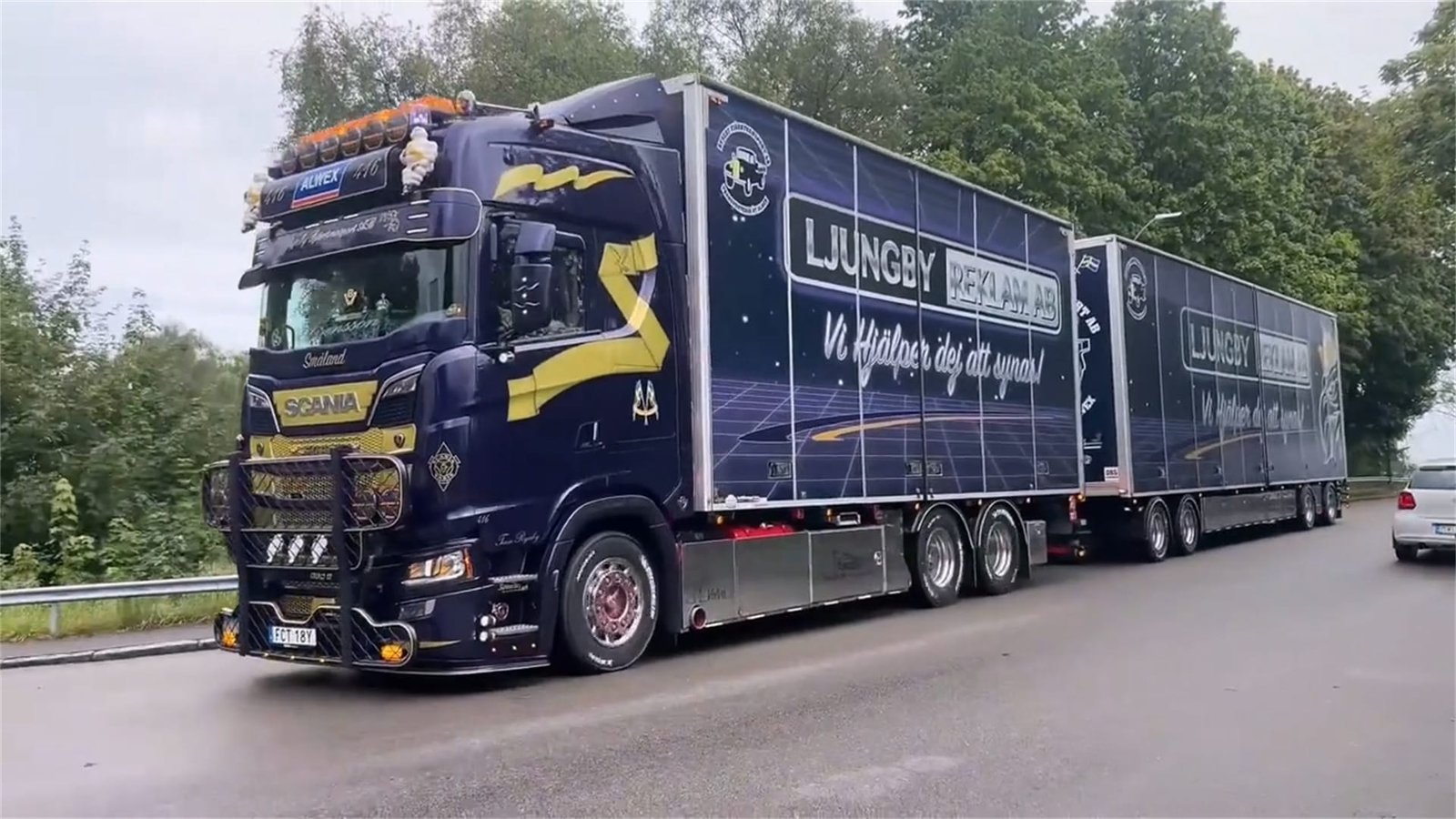
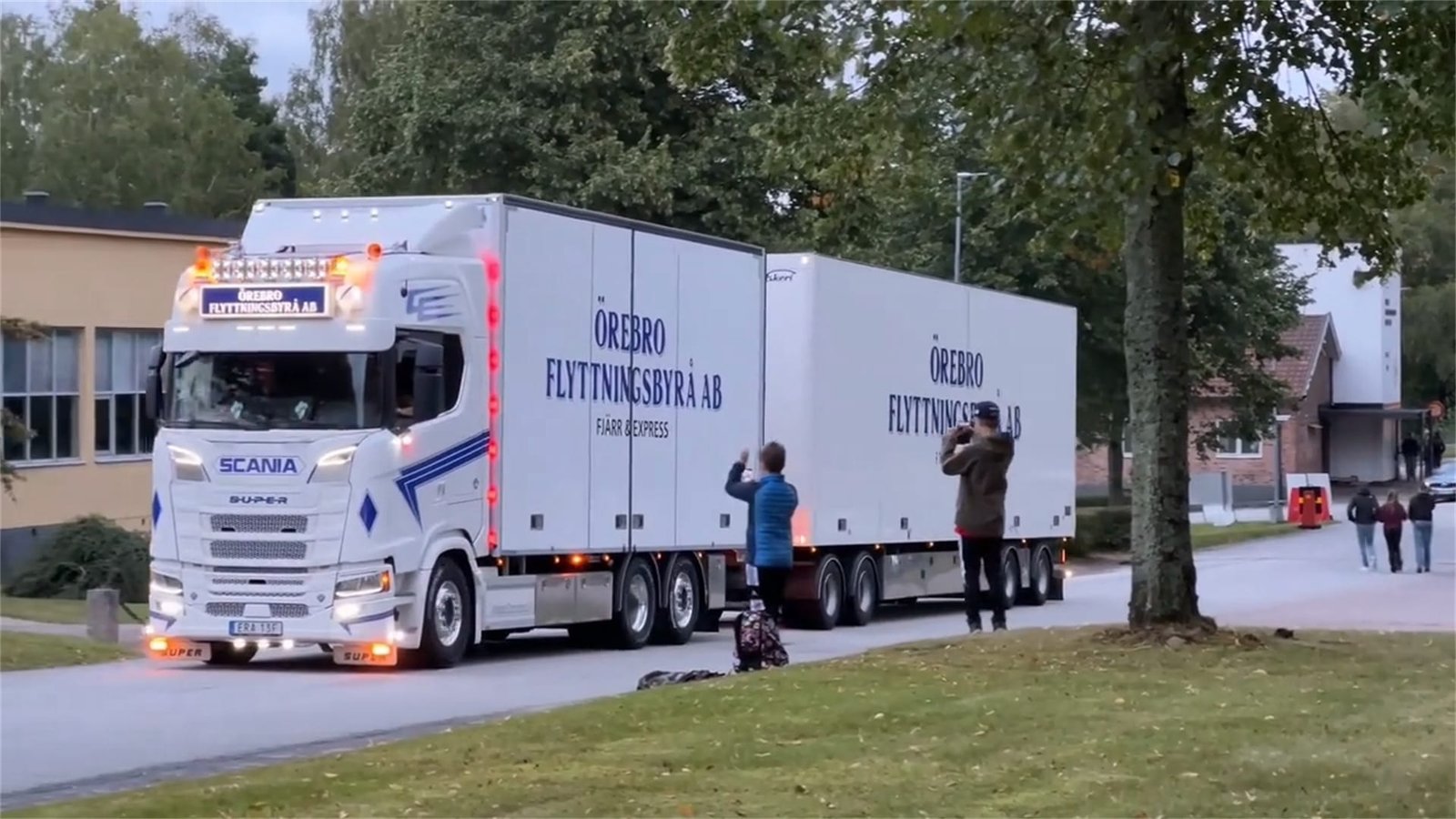
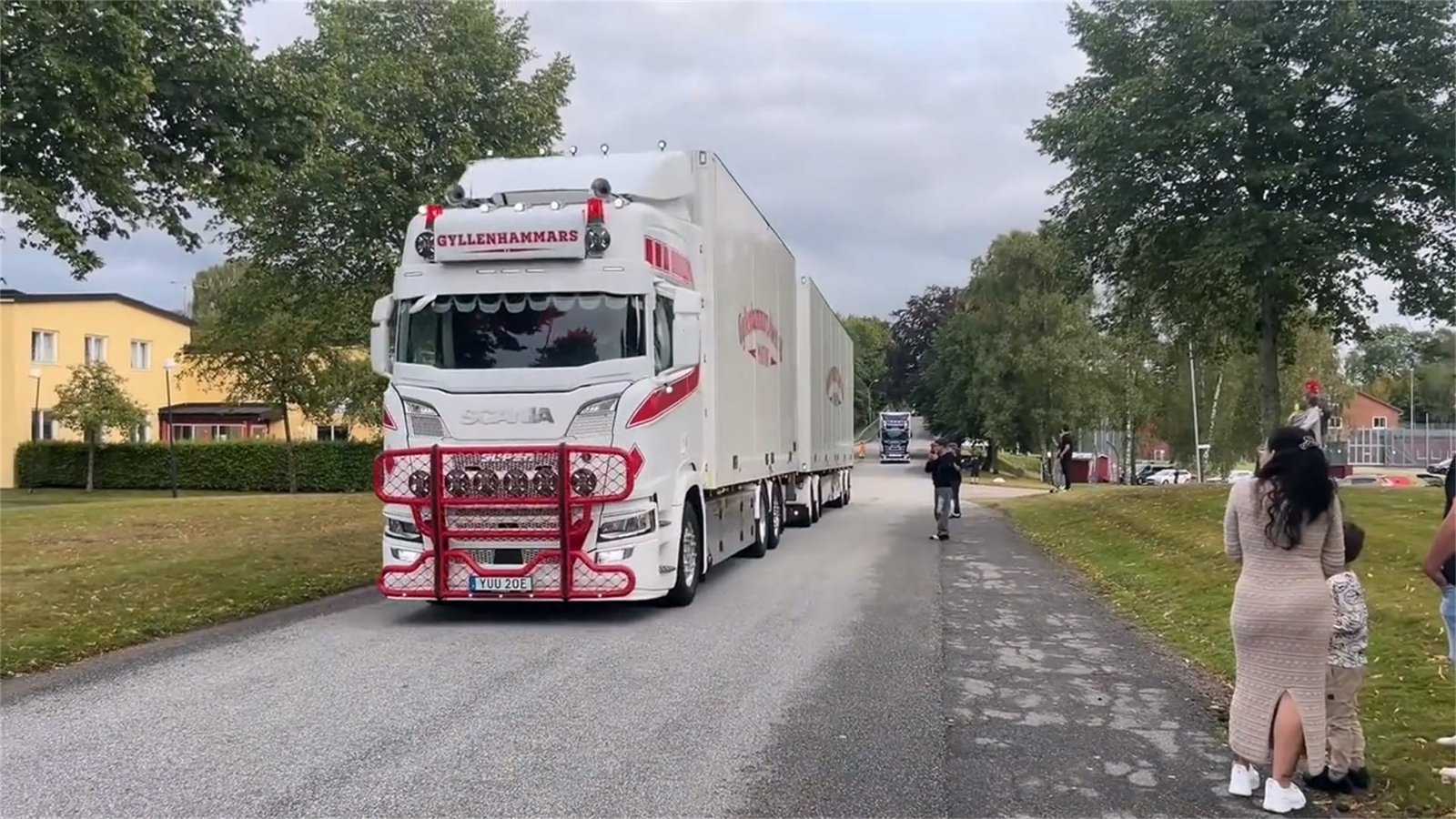
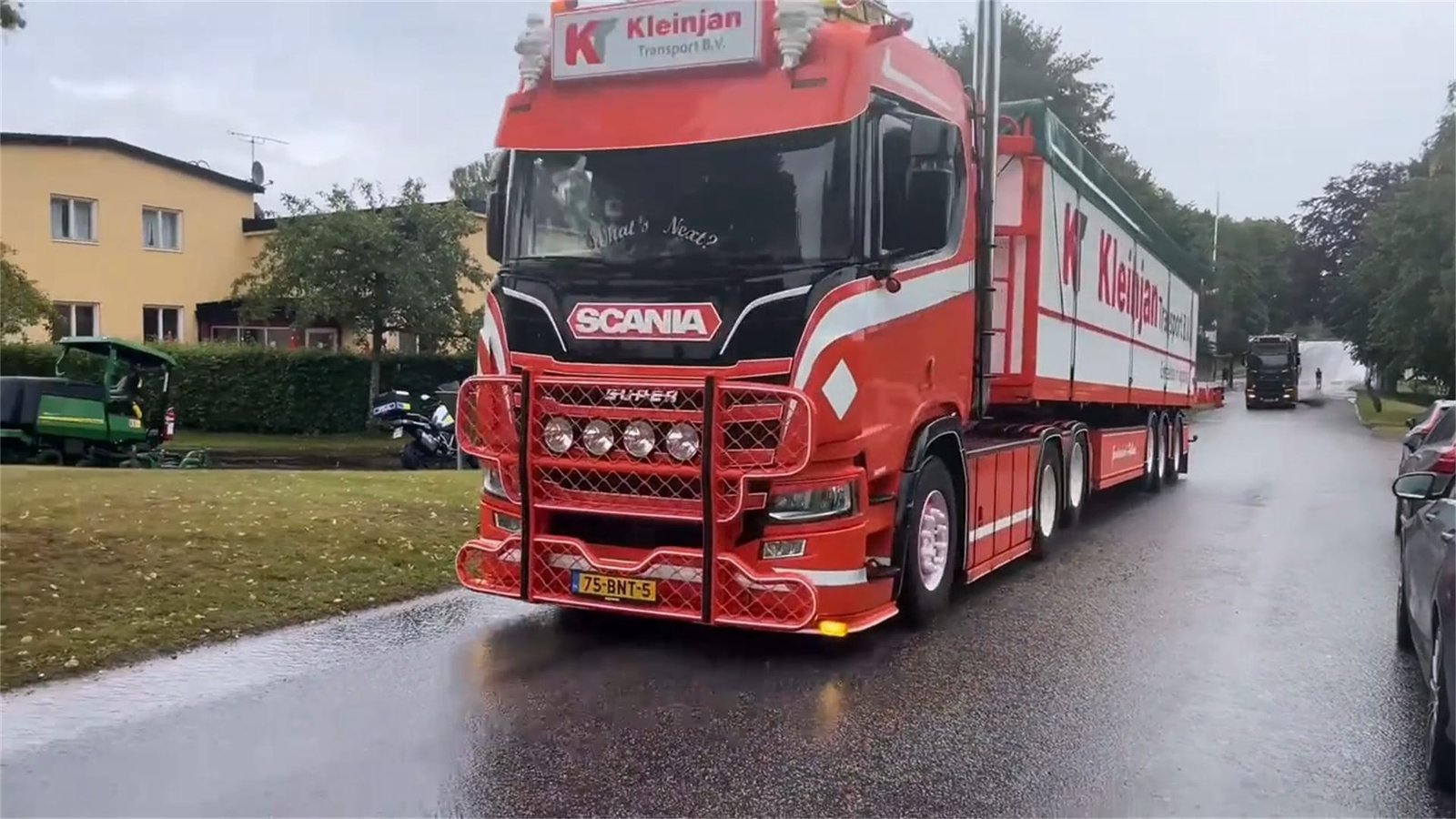
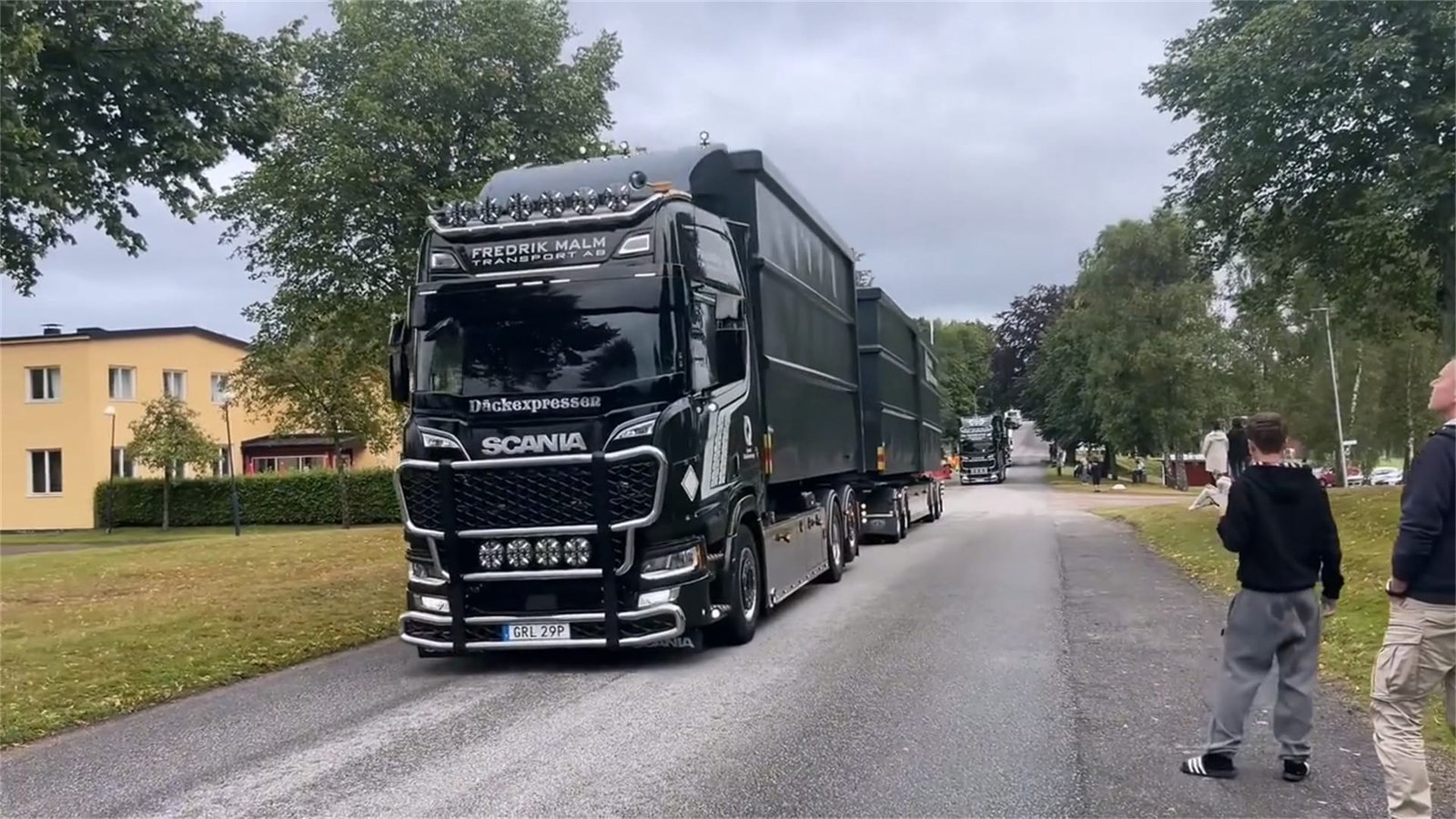
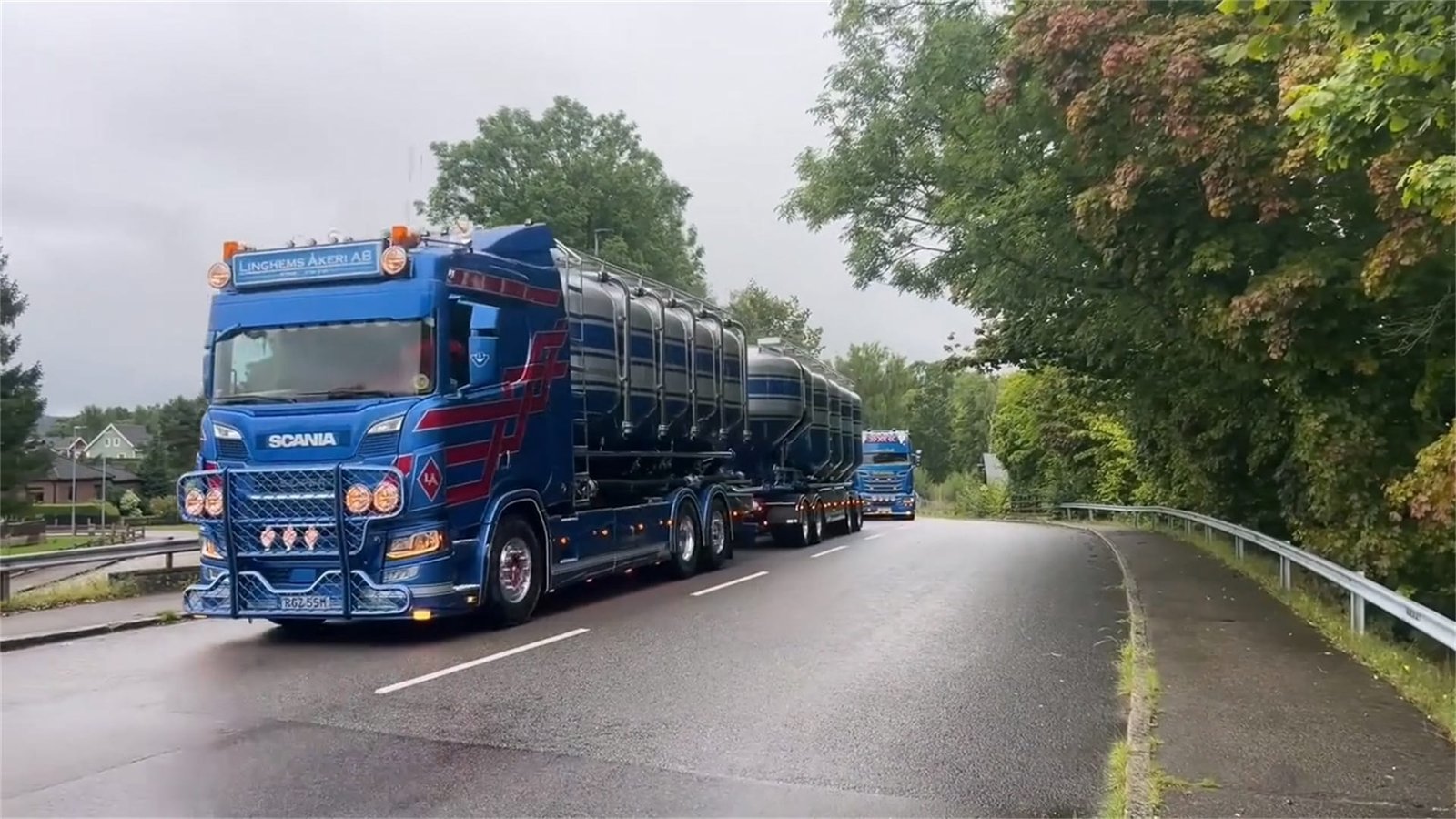
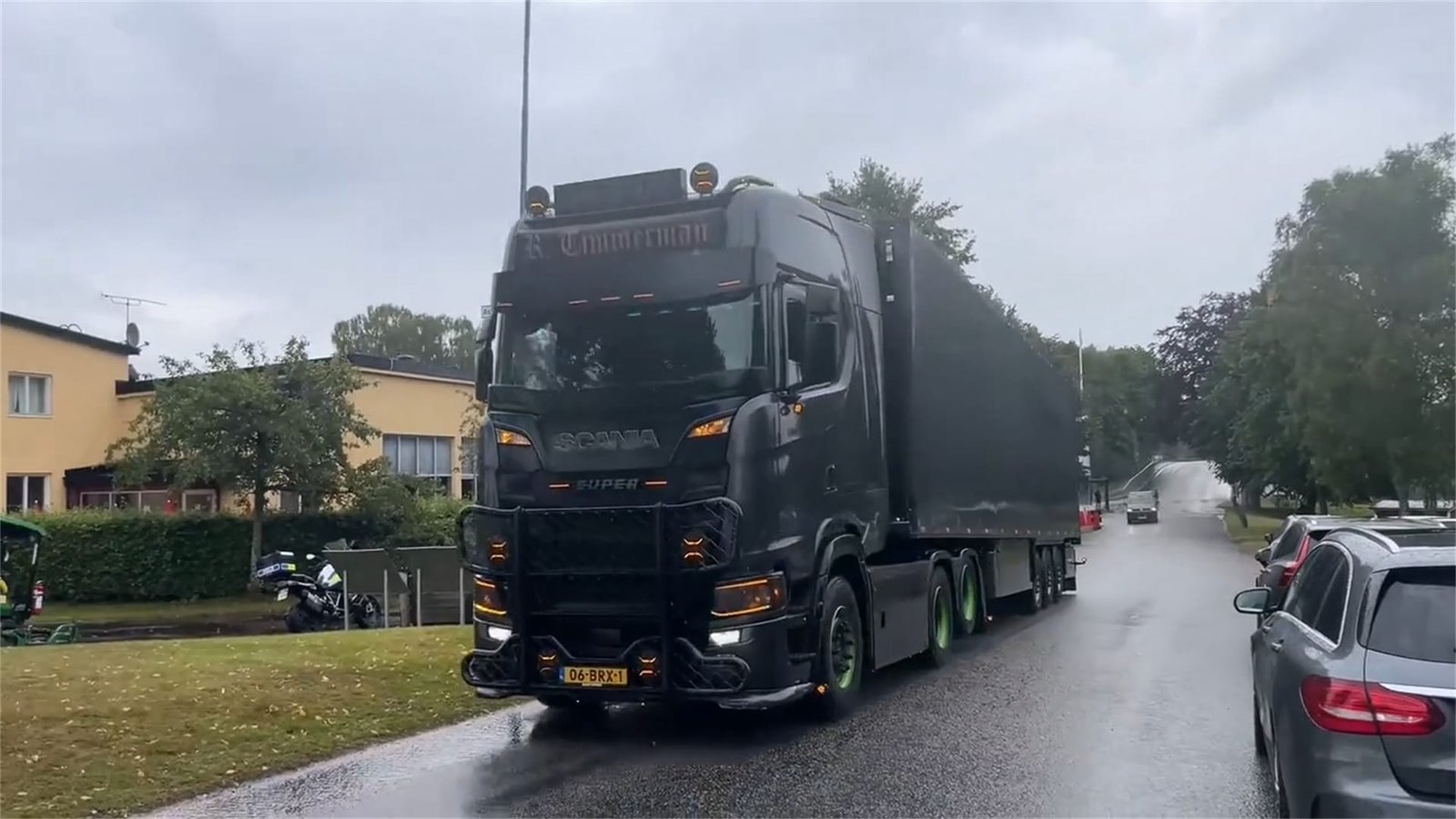
The Scania, the undisputed king of the road, continues to hold its position as the truck many long-haul professionals return to when performance, driver satisfaction, and long-term economics must all be delivered in one package. Its clean design and commanding road presence come from deliberate engineering rather than styling exercises. The prominent badge and V8 emblem signal a machine built for operators who measure success in reliable kilometres and retained drivers.
Powertrain Specifications and Torque Delivery
The 16.4-litre V8 remains the heart of the flagship offering. What matters in daily operation is not just peak output but how torque arrives and how the complete powertrain works together.
Scania V8 Engine Range – 2026
| Output | Peak Torque | RPM Range for Max Torque | Primary Applications | Fuel Options |
|---|---|---|---|---|
| 530 hp | 2,800 Nm | 925–1,325 | Efficient long-haul, standard loads | Diesel / HVO |
| 590 hp | 3,050 Nm | 925–1,350 | Mixed regional and long-haul | Diesel / HVO / Biodiesel |
| 660 hp | 3,300 Nm | 950–1,400 | Hilly routes, heavier combinations | Diesel / HVO |
| 770 hp | 3,700 Nm | 1,000–1,450 | Maximum performance, heavy haul | Diesel / HVO |
Torque and Downspeeding Advantages
| Feature | Benefit in Operation | Practical Result |
|---|---|---|
| High torque from low RPM | Fewer gear changes on gradients | Smoother progress, less driver fatigue |
| Optimised rear axle ratios | Lower engine RPM at cruise | Reduced fuel burn and component wear |
| Integrated Opticruise | Predictive shifting matched to load/terrain | Consistent efficiency across routes |
| Wide gear spread | Maintains momentum without excessive revs | Better average speed on mixed roads |
Fuel Economy and Real Operating Costs
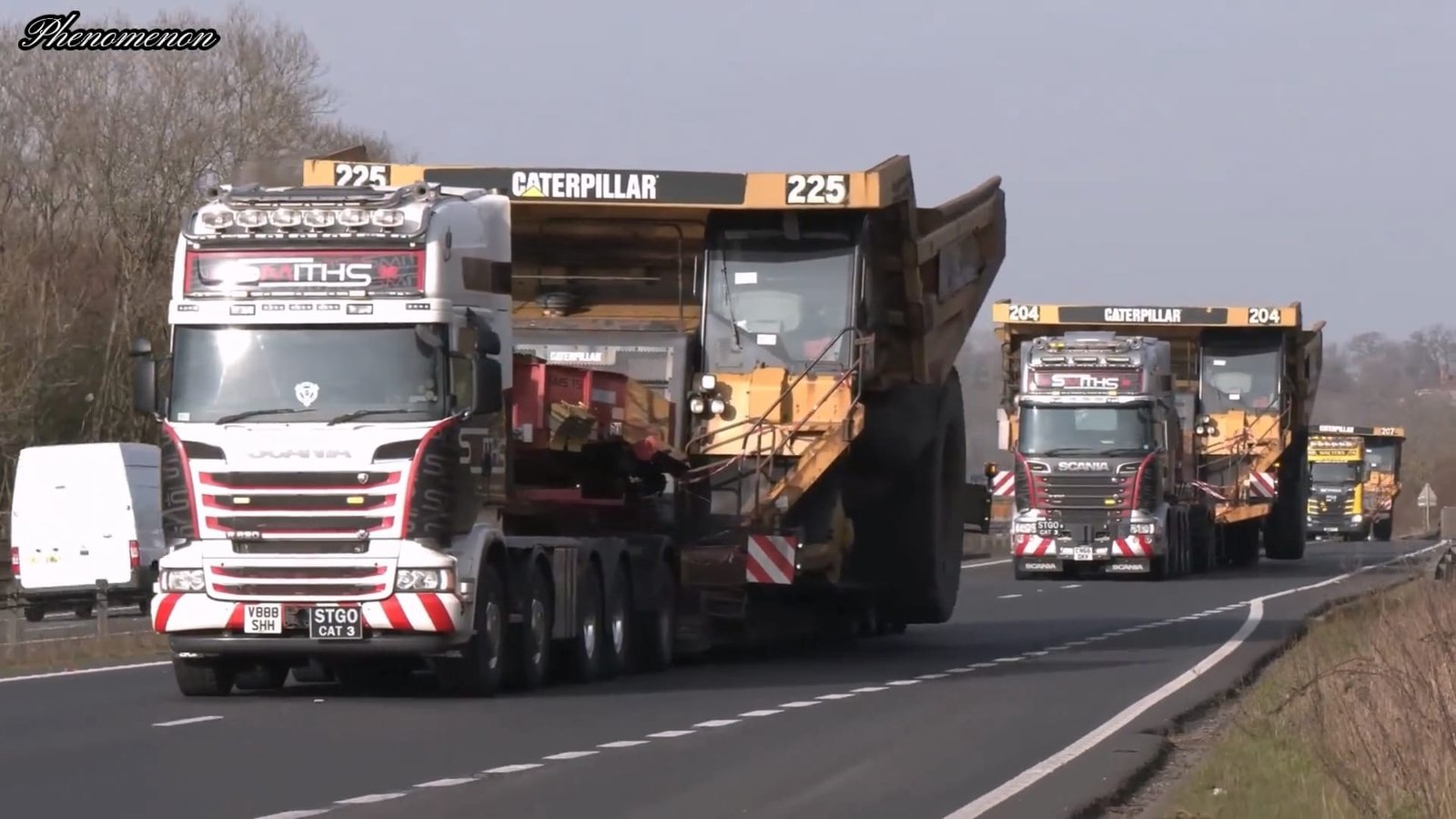
Scania’s latest V8 powertrain updates deliver measurable efficiency gains. Independent long-haul testing and fleet reports consistently show improvements in the 5–6% range versus the prior generation when the complete powertrain is specified together.
Fuel Consumption and Savings – Long-Haul Example (130,000 km/year)
| Scenario | Consumption | Annual Fuel Use | Annual Cost (@ $1.35/L) | Savings vs Previous Gen |
|---|---|---|---|---|
| Previous generation V8 | 38.0 L/100km | 49,400 L | $66,690 | Baseline |
| Updated V8 powertrain | 35.7 L/100km | 46,410 L | $62,654 | ~$4,036 per truck |
| Optimised driving + spec | 34.5 L/100km | 44,850 L | $60,548 | ~$6,142 per truck |
Five-Year Total Cost of Ownership Projection (Single Truck)
| Cost Category | Year 1–5 Estimate (Premium Spec) | Notes |
|---|---|---|
| Fuel (at updated efficiency) | $313,270 | 130k km/year, $1.35/L average |
| Maintenance & repairs | $48,000 | Includes scheduled + minor unscheduled |
| Tyres & consumables | $32,000 | Dependent on routes and loading |
| Downtime cost avoided | -$18,000 (saving) | Higher uptime vs average fleet |
| Residual value at end | -$95,000 (inflow) | Strong Scania residuals |
| Net 5-year operating cost | ~$280,270 | Before acquisition price |
Cabin Environment and Driver-Facing Features
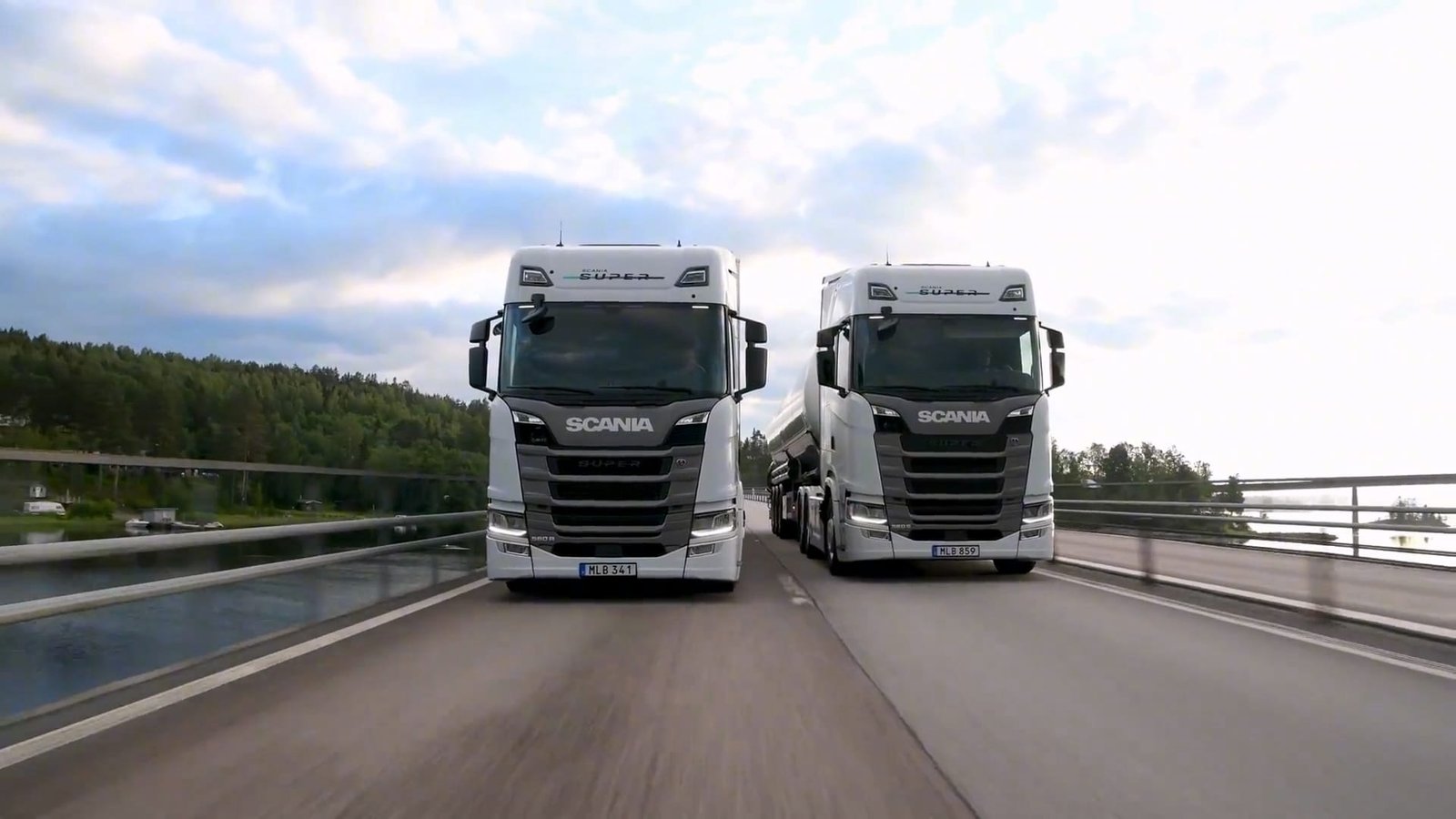
Driver retention starts with the space they occupy for 10–14 hours a day. Scania cabs have long been praised for usable room and refinement.
Detailed Cabin and Sleeper Features
| Area | Specification / Feature | Operational Benefit |
|---|---|---|
| Seating | Air-suspended, ventilated, heated, multi-adjust | All-day comfort, reduced fatigue |
| Noise insulation | High-level sealing and materials | Cabin quieter than many luxury sedans at cruise |
| Sleeper berth | Wide bed, quality mattress, storage integration | Proper rest on multi-day runs |
| Climate control | Separate zones, rapid warm-up/cool-down | Consistent environment regardless of weather |
| Storage & practicality | Multiple compartments, table, fridge options | Liveable for extended periods |
| Controls & ergonomics | Logical layout, good reach, quality materials | Less distraction, better long-term satisfaction |
| Visibility | Large glass areas, optional mirrors or cameras | Reduced blind spots, safer manoeuvring |
Safety Systems and Road Behaviour
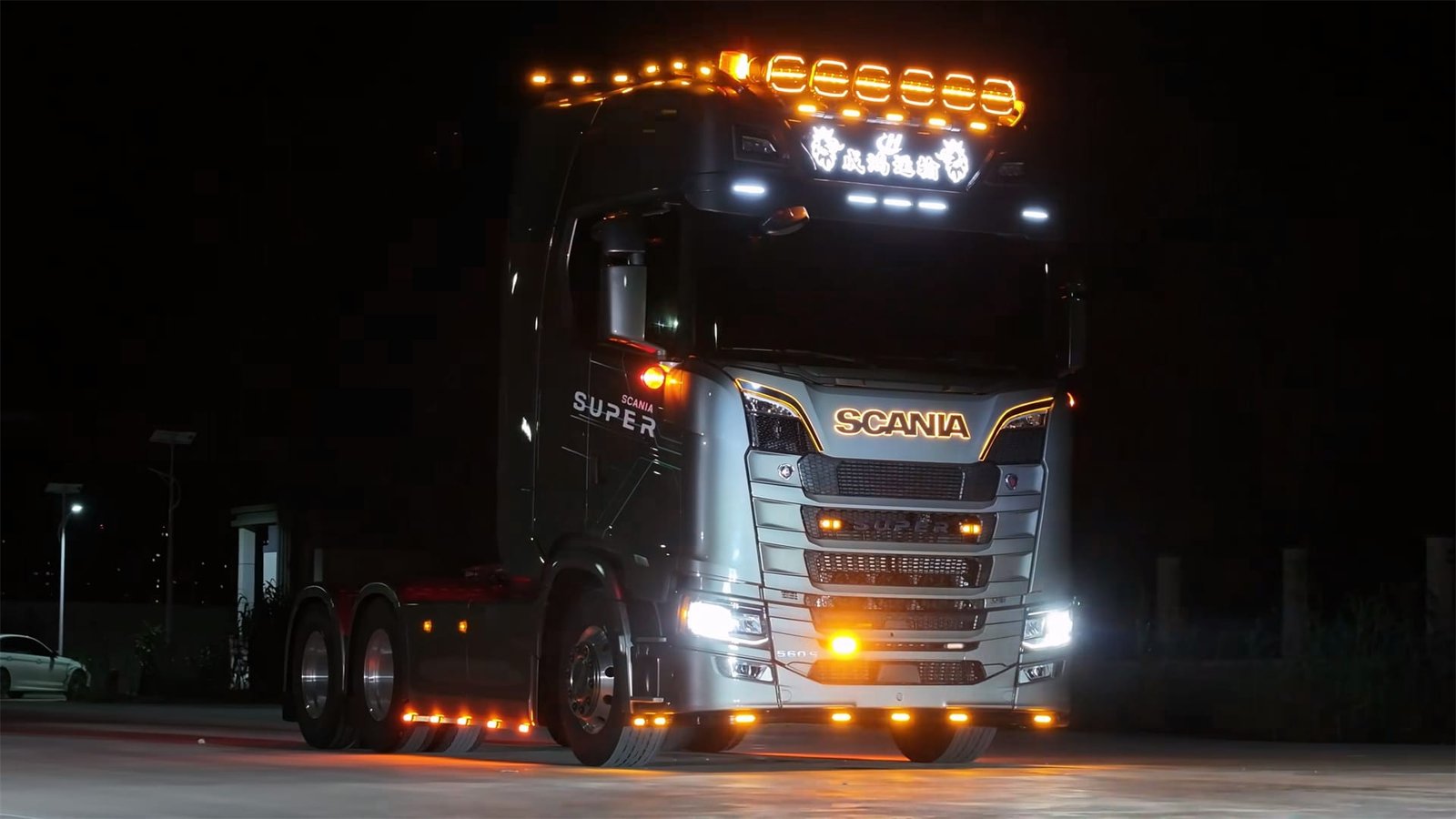
The truck remains stable and predictable when loaded. The hydraulic retarder works with disc brakes to provide strong, fade-resistant retardation on descents.
Advanced Safety and Assistance Systems
| System | Function | Benefit |
|---|---|---|
| Automatic Emergency Braking | Detects obstacles and applies brakes | Reduced collision risk |
| Lane Departure Warning | Alerts on unintended drift | Supports driver attention |
| Adaptive Cruise Control | Maintains safe distance automatically | Lower workload on long runs |
| Retarder integration | Engine + transmission braking coordination | Preserves service brakes, better control |
| Driver monitoring | Attention and fatigue detection options | Additional layer for long shifts |
| Stability systems | Electronic stability and traction control | Composure in adverse conditions |
Durability, Uptime and Lifecycle Economics
Real-world longevity remains one of the strongest arguments for the V8. Multiple documented cases show trucks exceeding 1.5 million kilometres — and in some instances 2 million kilometres — with original major components when maintenance discipline is maintained.
Reliability and Lifecycle Indicators
| Indicator | Scania V8 Experience | Fleet Implication |
|---|---|---|
| Major component life | Frequently 1.5M+ km | Fewer in-frame overhauls |
| Brake life with retarder use | 1M+ km on original pads reported | Lower brake maintenance cost |
| Parts commonality | High across power ratings | Simpler spares inventory |
| Service interval flexibility | Competitive with extended options available | More earning time |
| Unplanned downtime | Lower than segment average in well-run fleets | Schedule protection |
Head-to-Head Market Positioning
Scania V8 vs Key Competitors – 2026 Summary
| Criterion | Scania V8 | Volvo FH16 | Mercedes-Benz Actros | DAF XF | Best For |
|---|---|---|---|---|---|
| Low-RPM torque | Class-leading | Very strong | Strong | Good | Hilly/heavy work |
| Real-world fuel economy | Excellent (5–6% gains) | Very good | Very good | Often top | High-mileage fleets |
| Cabin refinement | Outstanding insulation & space | Excellent ergonomics | Innovative & functional | Good interior volume | Driver retention |
| Safety ratings | 4 stars + strong ADAS | 5 stars | 5 stars (latest) | Solid | Risk-averse operators |
| Residual value | Strong | Strong | Good | Good | Longer ownership cycles |
| Character & driver appeal | Very high loyalty | High | High | Practical | Owner-operators & premium fleets |
Strengths and Trade-Offs at a Glance
Scania V8 – Balanced View
| Strengths | Trade-Offs |
|---|---|
| Exceptional low-end torque and driveability | Higher initial acquisition cost |
| Refined, spacious cab with excellent insulation | Not the absolute leader in every safety rating |
| Strong real-world durability and residuals | Parts and service network strength varies by region |
| Integrated retarder protects brakes | Fuel economy excellent but not always the single best on paper |
| High parts commonality simplifies fleet support | Requires proper specification for maximum gains |
Who Should Specify a Scania V8 in 2026?
Decision Framework
| Operator Type | Typical Route Profile | Key Priorities | Recommendation Fit |
|---|---|---|---|
| Owner-operator / small fleet | Long-haul, mixed terrain | Driver comfort, reliability, resale | High |
| Medium fleet – demanding corridors | Hilly or heavy combinations | Torque, uptime, driver retention | High |
| Large fleet – efficiency focus | Mostly flat, high annual km | Lowest possible fuel + TCO | Evaluate closely |
| Time-critical or high-value freight | Variable loads and schedules | Predictability and low downtime | Strong |
| Transition planning to electric | Long daily distances today | Bridge solution with strong residuals | Practical |
FAQ
Scania V8 2026 – Frequently Asked Questions
| Question | Answer |
|---|---|
| Is the Scania V8 worth the premium price? | It depends on your operating profile and ownership cycle. Operators who keep trucks longer, run demanding routes, or place high value on driver retention and uptime frequently find the total cost of ownership favourable. The combination of fuel savings, lower unplanned downtime, and strong residuals often recovers the higher acquisition cost over 5+ years or 800,000+ km. |
| What real fuel savings can I expect? | Fleet data and independent tests show gains in the 5–6% range versus previous Scania V8 powertrains under comparable conditions. Results vary with load, terrain, speed, and how well the full powertrain (engine + Opticruise + rear axle) is optimised. On high-mileage operations the annual difference can reach several thousand dollars per truck. |
| How durable are these trucks in practice? | Well-maintained examples commonly exceed 1.5 million kilometres with major components intact. Documented cases in multiple markets have reached 2 million kilometres without major engine work. The hydraulic retarder plays a significant role in extending brake life and protecting the driveline when used correctly. |
| How does it compare on safety? | It carries a comprehensive ADAS suite including automatic emergency braking and lane departure warning, plus strong retarder integration for controlled descents. Recent Euro NCAP results place the R-series in the four-star category with competitive collision-avoidance scores when fully equipped, though some rivals achieve five stars in the latest assessments. |
| Is it still relevant with electrification advancing? | For long-haul and heavy operations where daily distances or charging infrastructure make full electric challenging today, the updated V8 remains a capable and economically rational choice. Its efficiency gains and strong residual values give operators a practical bridge solution while fleets plan their transition timelines. |
| Can the truck be tailored to my specific operation? | Yes. Scania’s modular approach supports extensive configuration of power output, cab height and style, axle configurations, and options. Working with an experienced dealer to match the exact specification to your routes, loads, and regional requirements is essential for maximum performance and efficiency. |
| What about parts availability and service support? | Scania maintains a global network with high parts commonality across the V8 range. Many fleets report competitive service intervals and good technical support. The key to low downtime is following recommended maintenance schedules and using the retarder effectively to protect brakes and driveline components. |
The Scania V8 is not the cheapest truck on the market, nor does it claim to be the single most efficient in every possible test. It is a focused, high-capability tool that consistently delivers where it counts for operators who value torque, refinement, durability, and the ability to keep good drivers behind the wheel.
References
