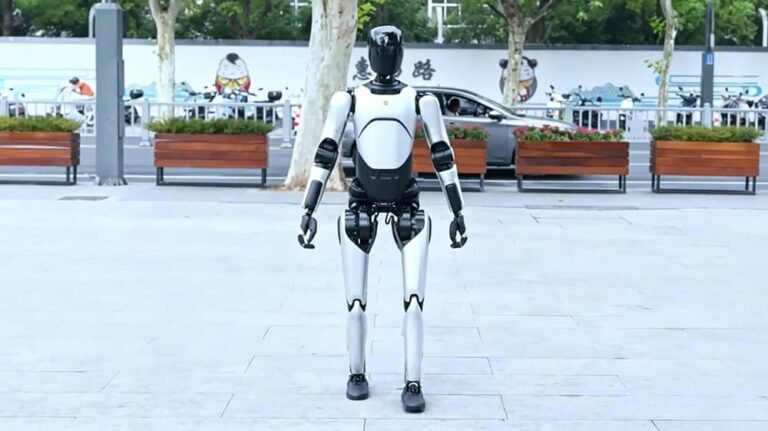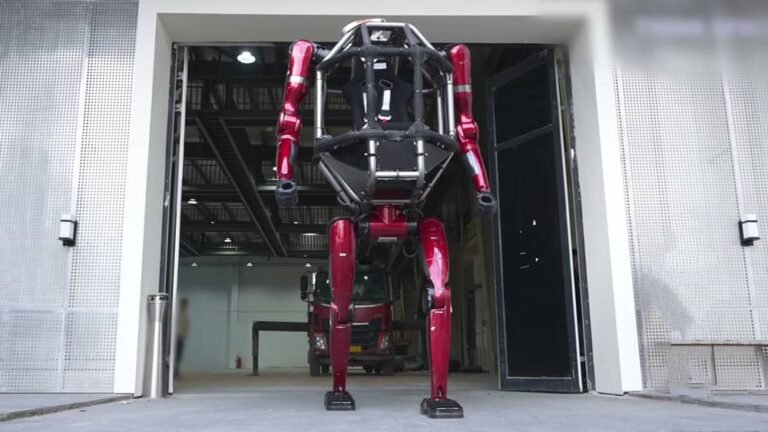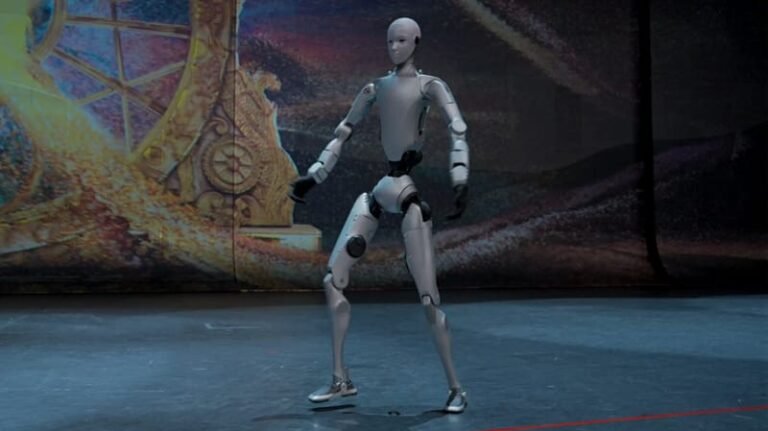
Figure 03
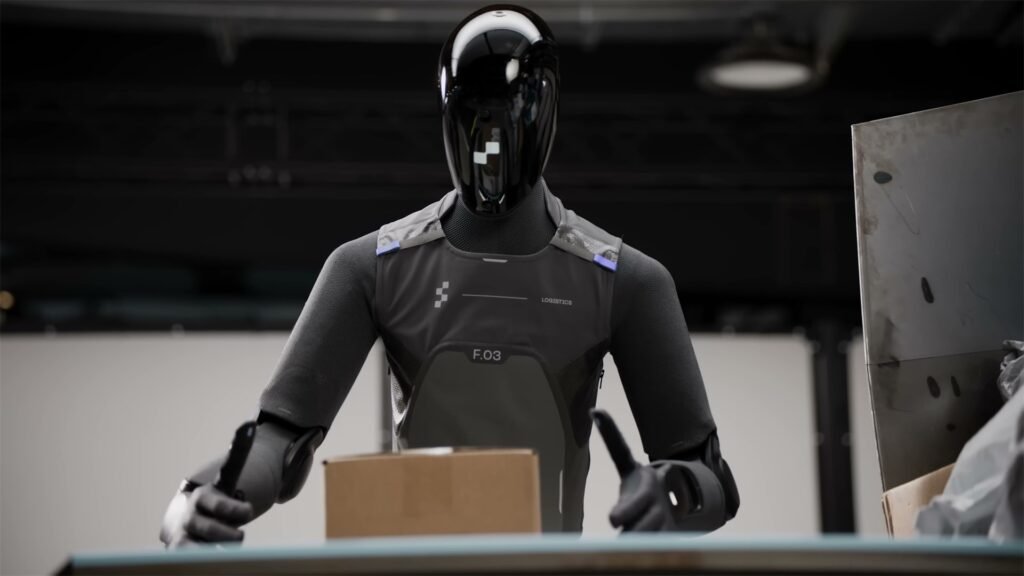
Third-Generation General-Purpose Humanoid Robot by Figure AI
A fully redesigned humanoid robot purpose-built for Helix vision-language-action AI, safe home environments, and scalable mass manufacturing.
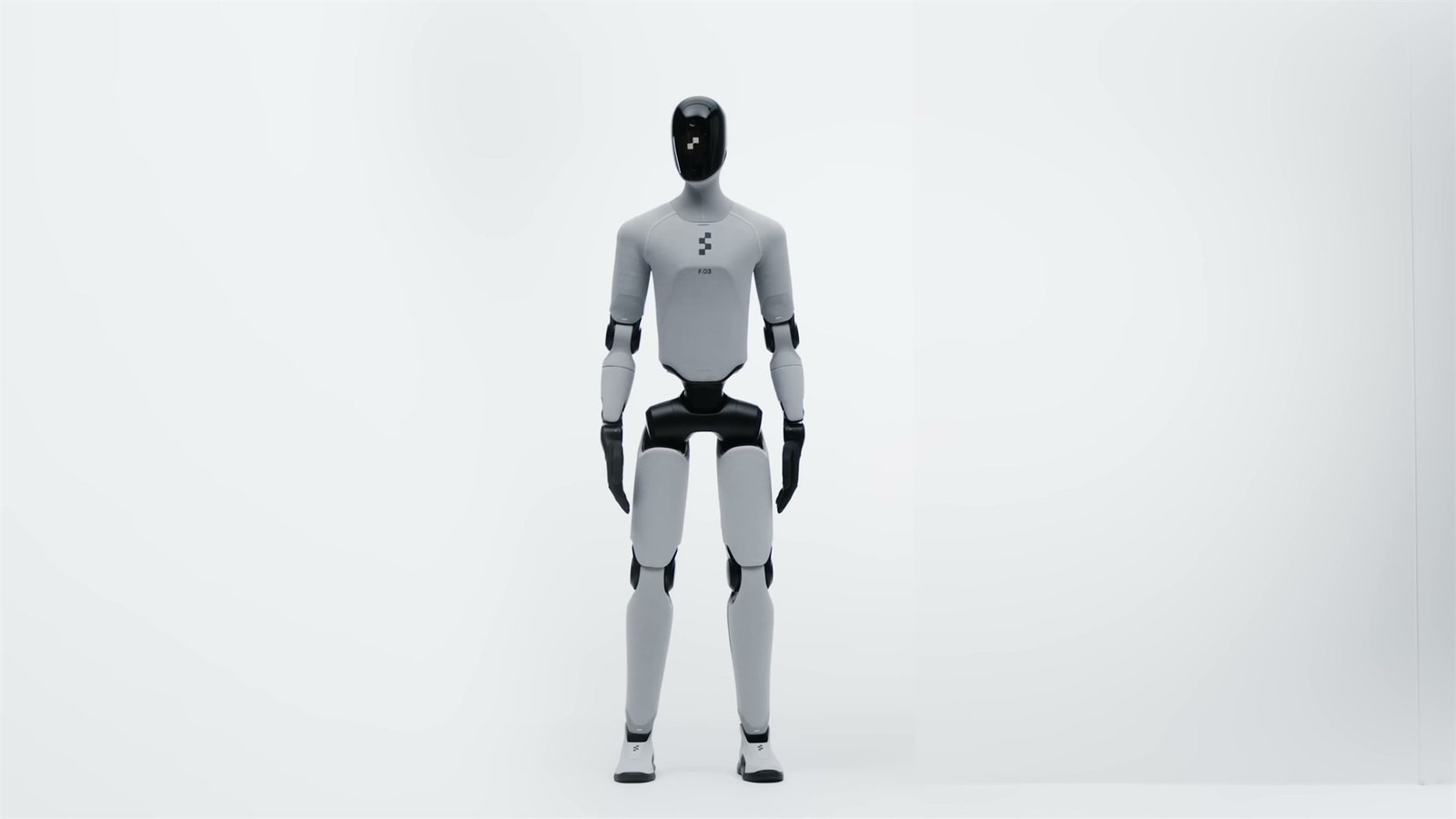
Core Highlights
| Feature | Description |
|---|---|
| Helix VLA AI | Purpose-built for Figure’s proprietary vision-language-action model with end-to-end pixels-to-action learning |
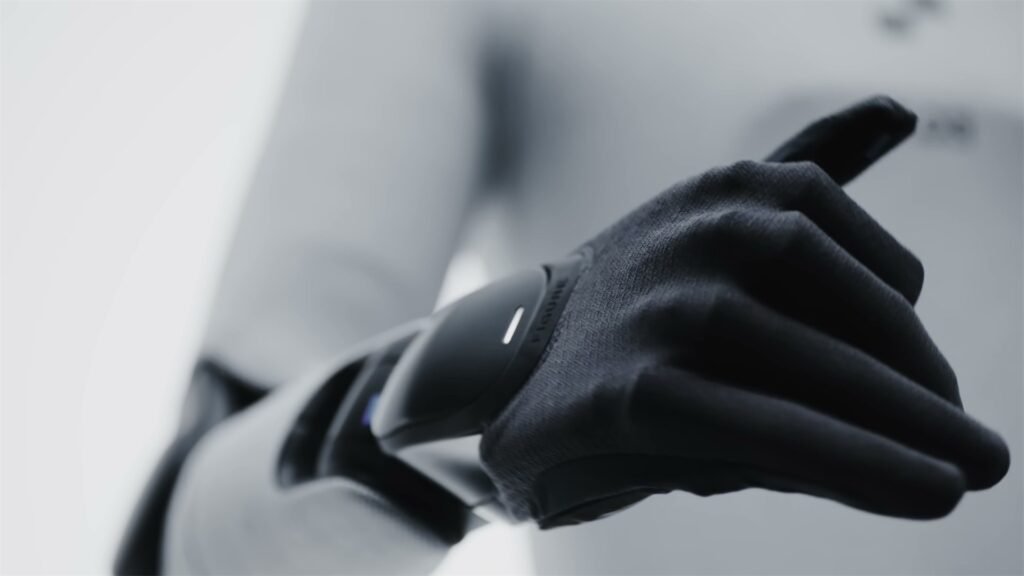
| 3g Tactile Dexterity | Fingertip sensors detect forces as small as 3 grams, plus embedded palm cameras for in-hand vision |
| Next-Gen Vision System | 2× frame rate, ¼ latency, 60% wider field of view per camera with expanded depth of field |
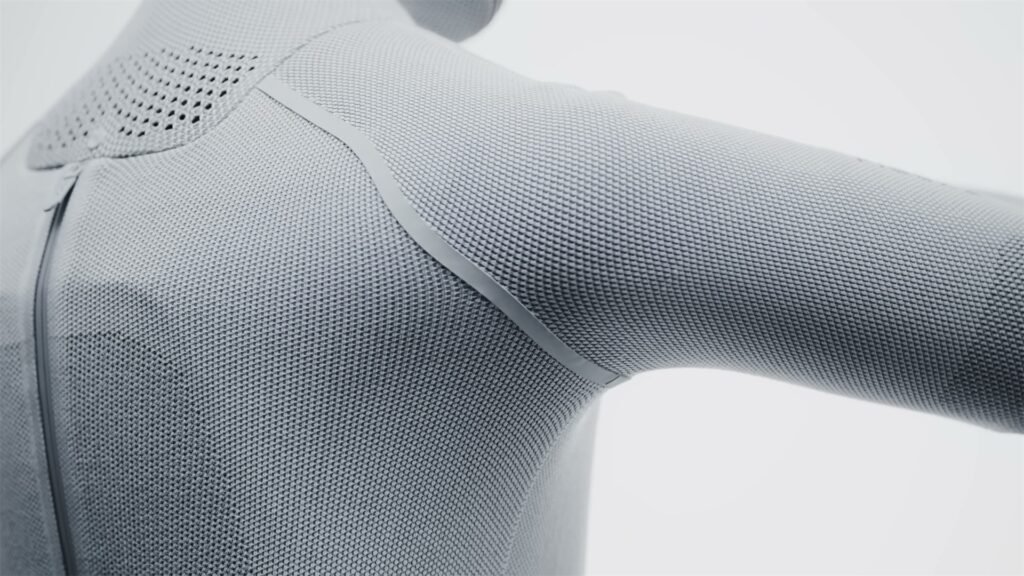
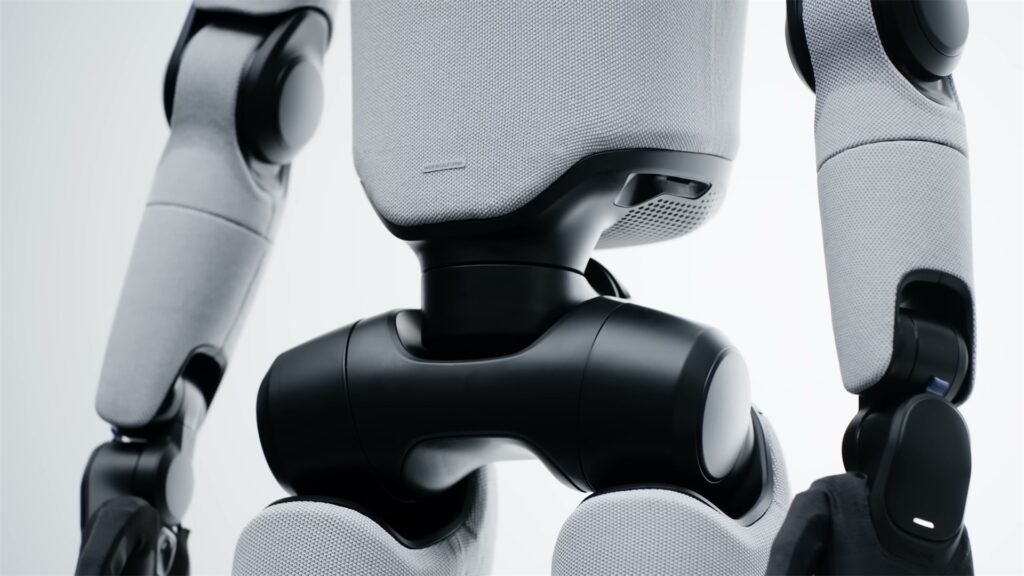
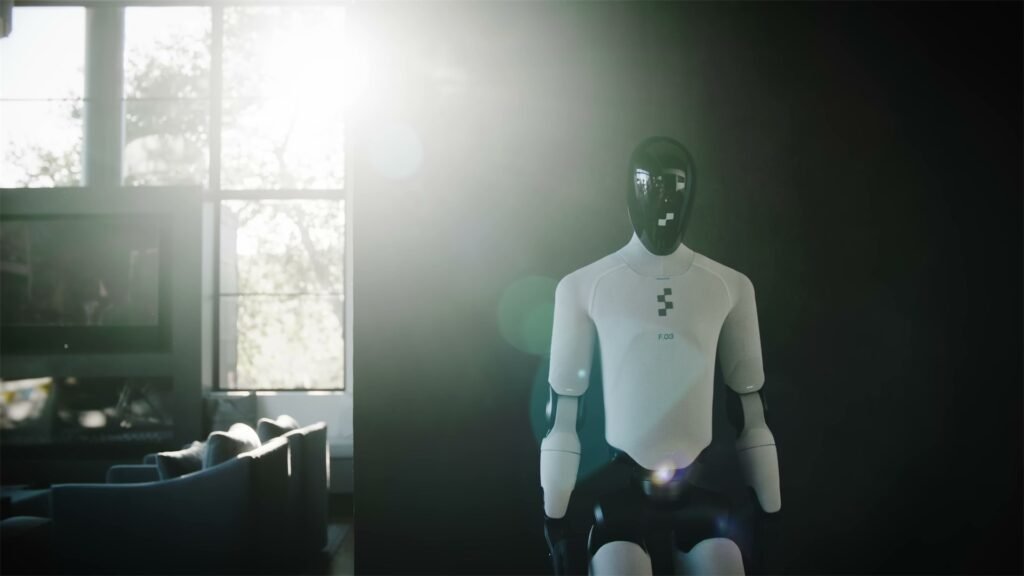
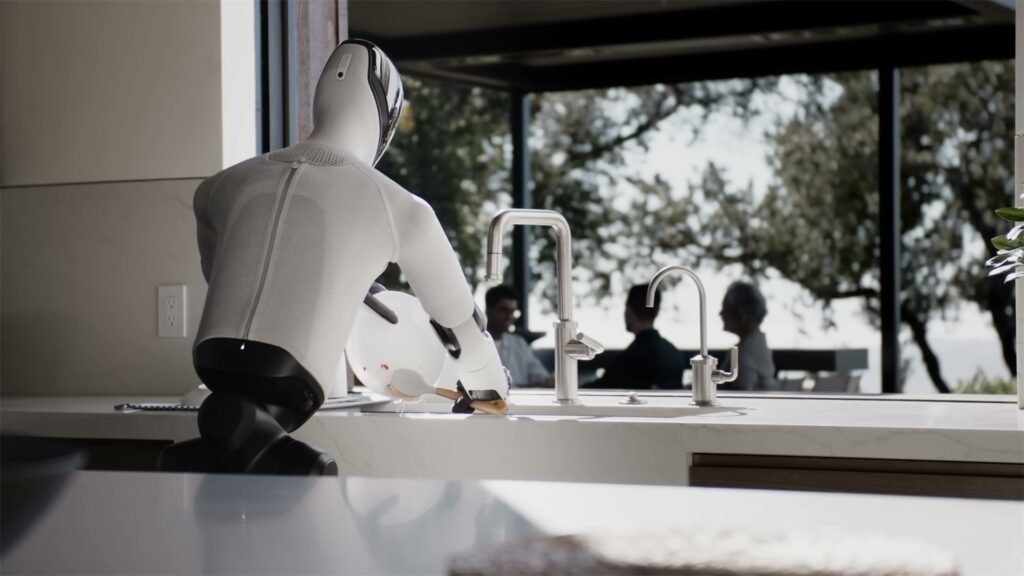
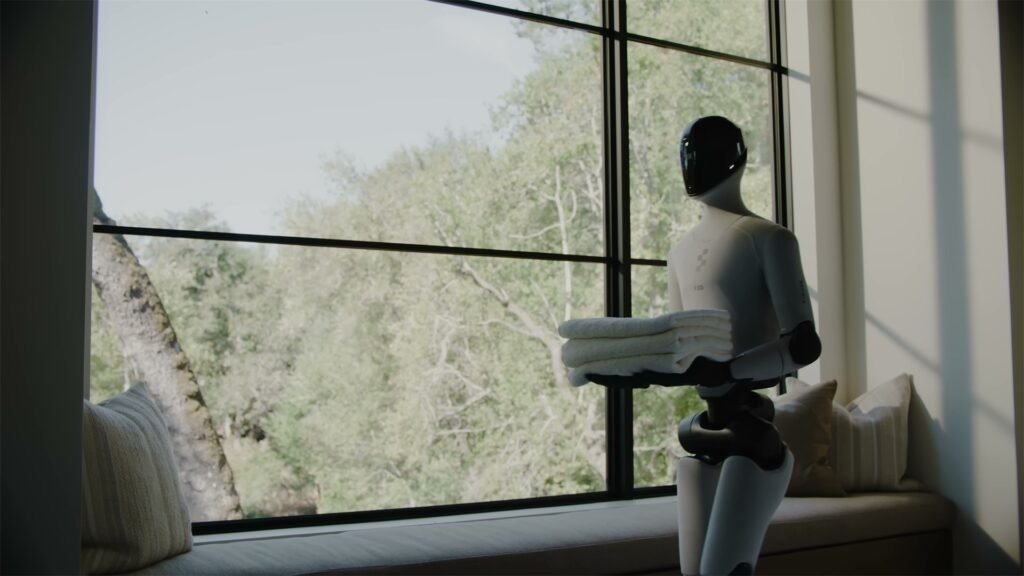
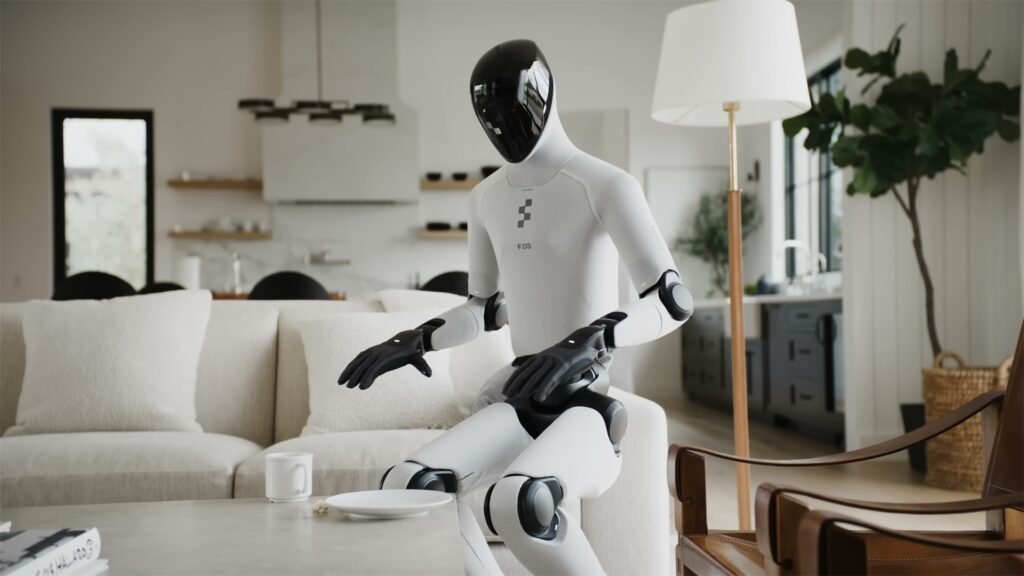
| Home-Safe Design | Soft washable textiles, multi-density foam pinch protection, 9% lighter and significantly smaller volume |
| Wireless Ecosystem | 2 kW inductive charging via foot coils + 10 Gbps mmWave wireless data offload for fleet learning |
| Mass Production Ready | Ground-up redesign for manufacturability with dedicated BotQ factory |
Release Info
- First Announced: October 9, 2025
- Developer: Figure AI
- Country: United States
- Robot Type: General-purpose bipedal humanoid
- Current Status: Early production and pilot deployments (transitioning from Figure 02)
Overview
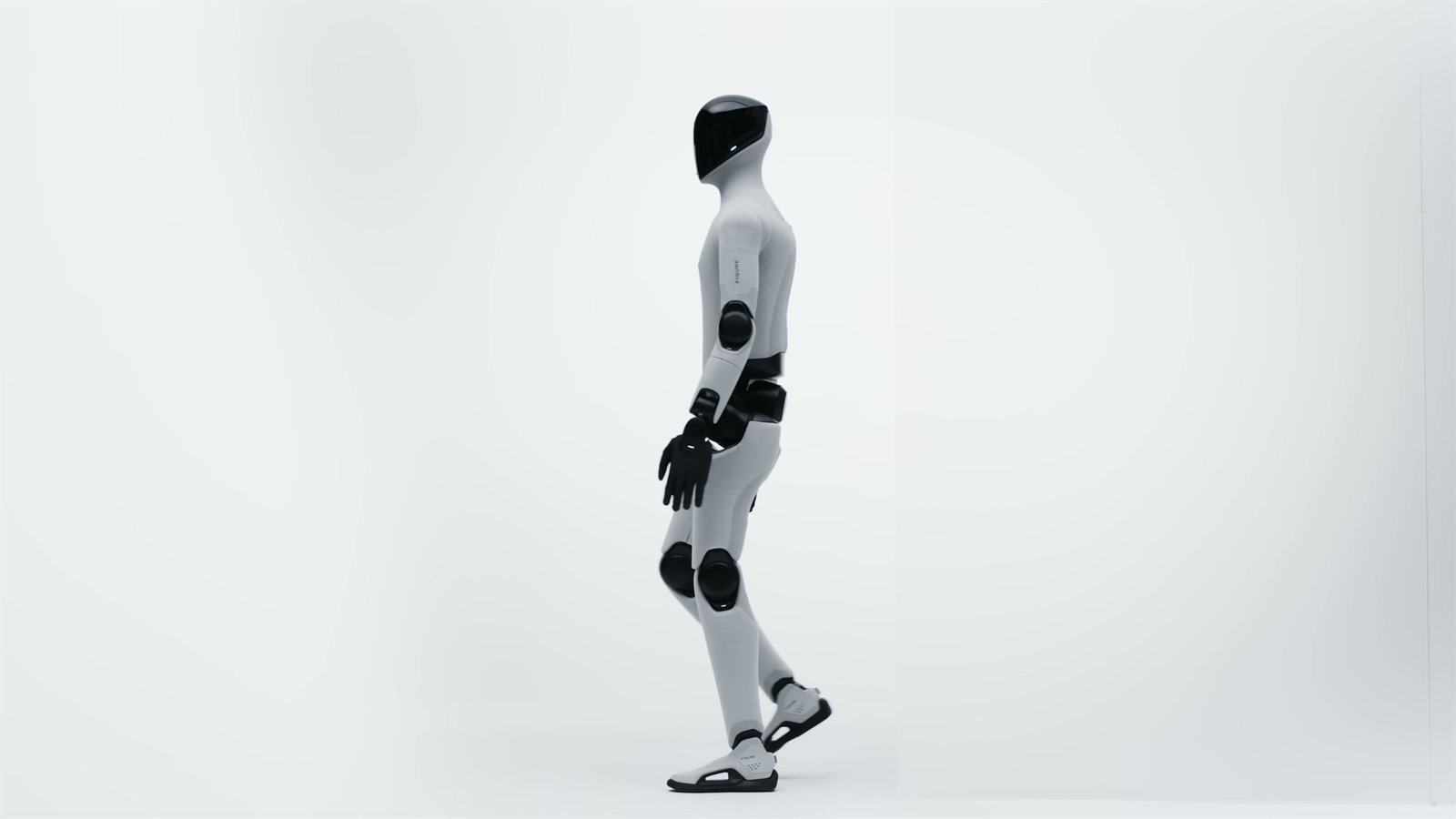
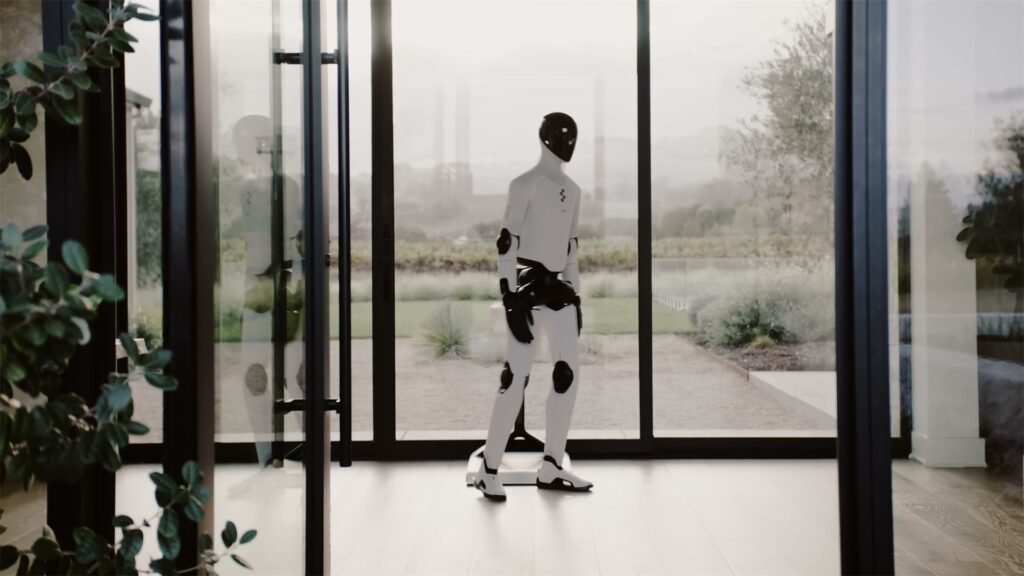
Figure 03 is Figure AI’s third-generation humanoid robot with a complete ground-up redesign. It is optimized for the company’s Helix vision-language-action model, safe operation in homes, and high-volume manufacturing. The robot features a new sensory suite and hand system, softer home-friendly construction, wireless charging and data offload, and a manufacturing architecture built for scale.
Key Specifications
| Specification | Details |
|---|---|
| Robot Name | Figure 03 |
| Developer | Figure AI |
| Country | United States |
| Robot Type | General-purpose bipedal humanoid |
| First Announced | October 9, 2025 |
| Prototype Reveal | October 9, 2025 |
| Size (Height × Width × Depth) | ~170–173 cm height (significantly more compact volume than Figure 02) |
| Weight | 60–61 kg (9% lighter than Figure 02) |
| Payload Capacity | 20 kg |
| Arm Carrying Capacity | 20 kg (dexterity-focused) |
| Moving Speed | Up to 1.2 m/s |
| Power System | Electric (frameless BLDC motors with harmonic/cycloidal drives) |
| Hand Degrees of Freedom | Highly dexterous with integrated tactile sensors + palm cameras |
| Total Degrees of Freedom | 40+ |
| Locomotion | Bipedal dynamic walking with real-time balance |
| Power Source | ~2.3 kWh structural Li-ion battery |
| Battery Life | ~5 hours (task-dependent) |
| AI System | Helix (proprietary Vision-Language-Action model) |
| Primary Use | Home assistance + light commercial tasks |
| Estimated Future Price | Not publicly disclosed (premium positioning, expected to decrease with volume) |
Design, Hardware and Engineering
Figure 03 uses a complete ground-up redesign focused on home safety, manufacturability, and tight integration with Helix AI.
Key Hardware Features
| Area | Description | Advantage |
|---|---|---|
| Overall Structure | 9% lighter + significantly smaller volume than Figure 02 | Easier home navigation |
| Covering & Safety | Soft washable textiles + multi-density foam pinch protection | Much safer for close human interaction |
| Battery | Structural torso battery with UN38.3 certification and multi-layer protection | Safer and more durable |
| Hands | Softer fingertips + 3g tactile sensors + embedded palm cameras | Excellent dexterity and slip prevention |
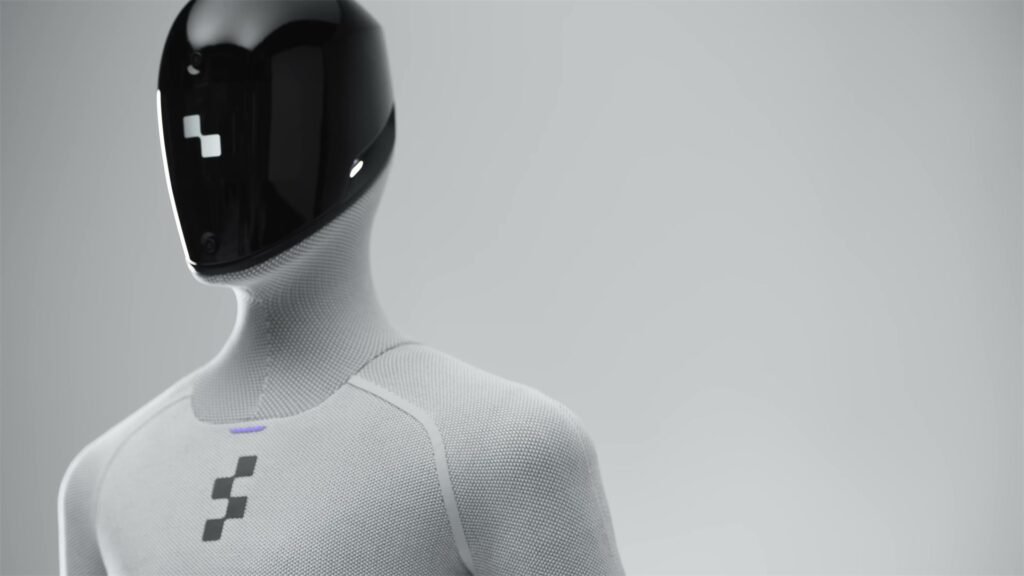
| Vision | Next-gen cameras (2× frame rate, ¼ latency, 60% wider FOV) | High-frequency visuomotor control |
| Actuators | In-house, 2× faster speed + improved torque density | Faster and more precise movement |
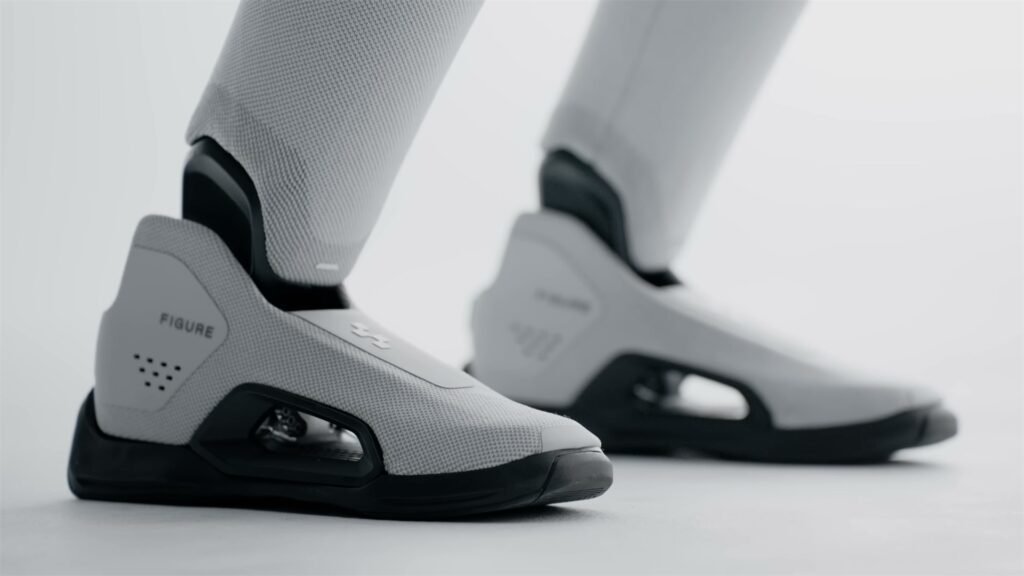
| Charging | 2 kW wireless inductive via foot coils | Fully wireless automatic docking |
| Data Offload | 10 Gbps mmWave wireless | High-speed fleet learning |
| Audio | Larger speaker + repositioned microphone | Clearer voice interaction |
| Locomotion | Bipedal walking with real-time balance control | Stable and natural gait |
AI & Technology
Vision System
Next-generation multi-camera system with palm cameras. Delivers 2× frame rate, ¼ latency, and 60% wider field of view. Provides strong environment recognition, obstacle detection, target tracking, and close-range manipulation feedback.
AI Brain (Helix)
Helix is Figure’s proprietary vision-language-action model. Figure 03 was built specifically to maximize Helix performance. It supports end-to-end learning, natural language task understanding, action planning, and adaptive behavior. 10 Gbps mmWave wireless data offload enables fast cloud/fleet training and OTA updates.
Motion Control
Real-time balance algorithms and gait control combined with high-resolution tactile feedback deliver precise grasping and manipulation. The system can detect grip security and prevent slips before failure.
Capabilities & Autonomous
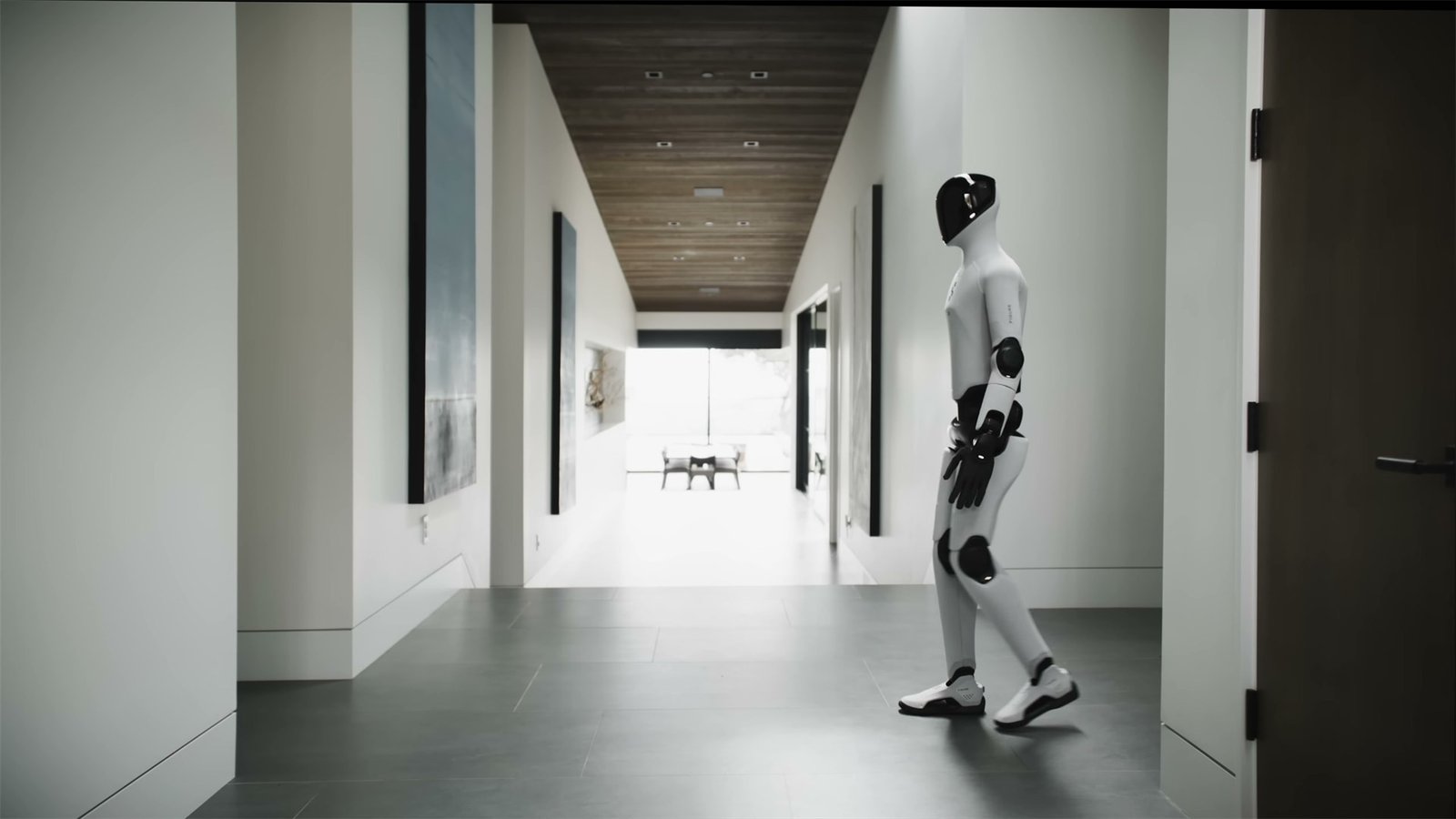
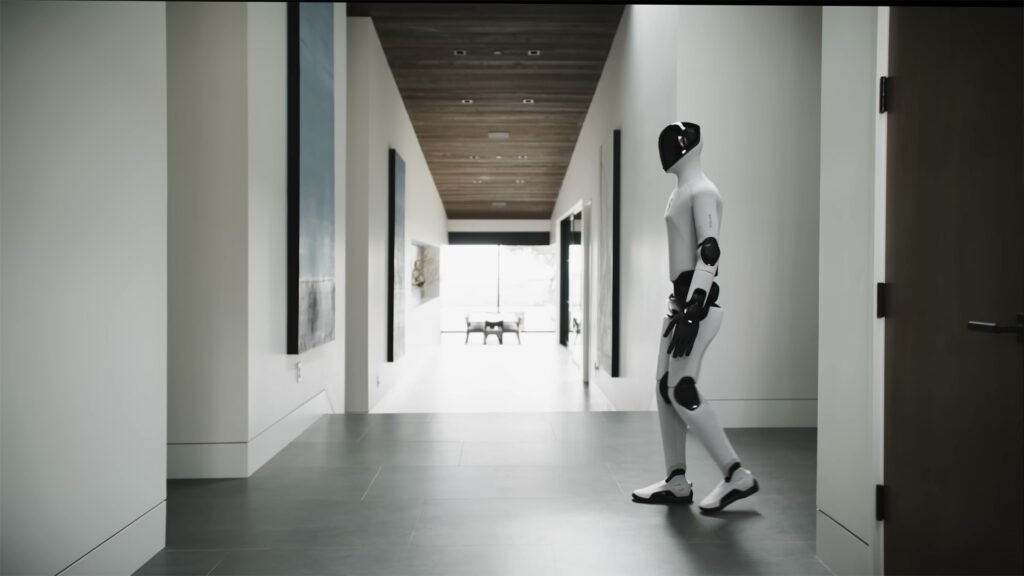
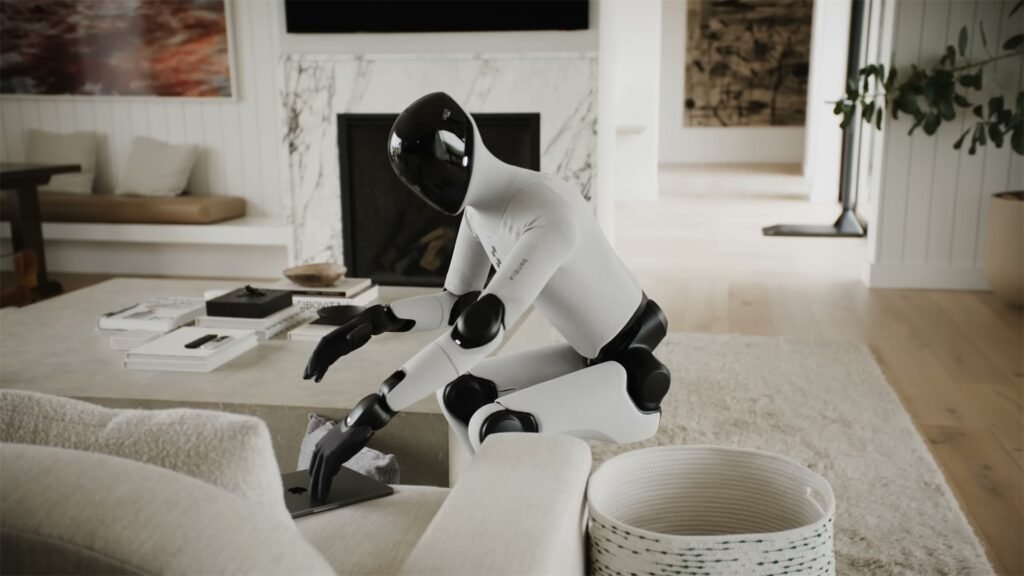
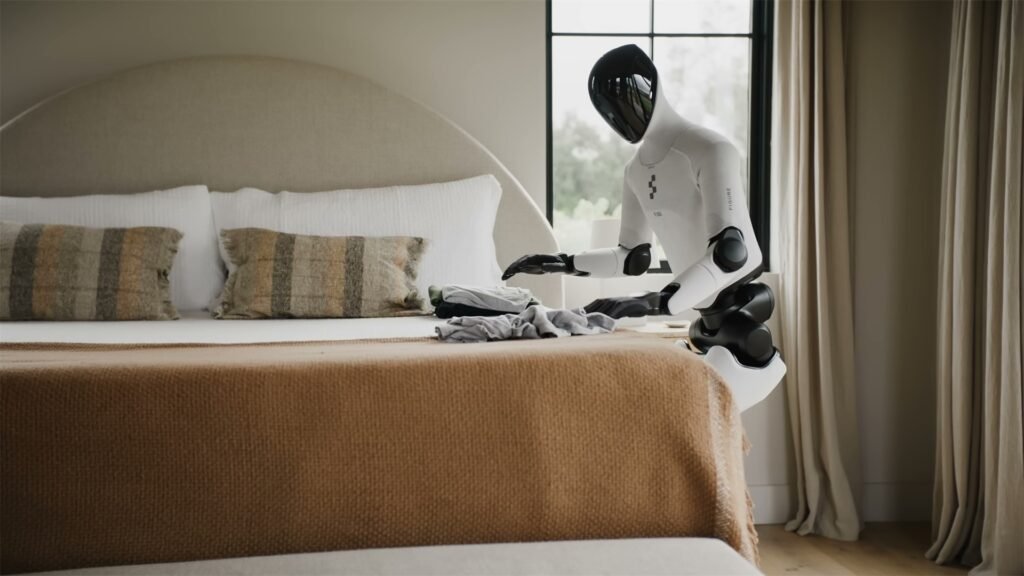
- Room tidying and surface organization
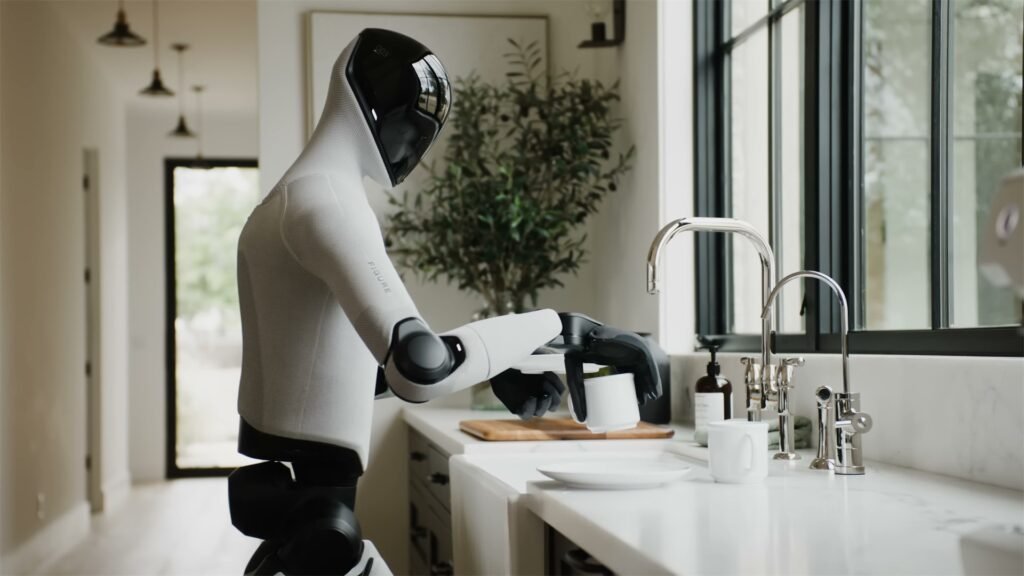
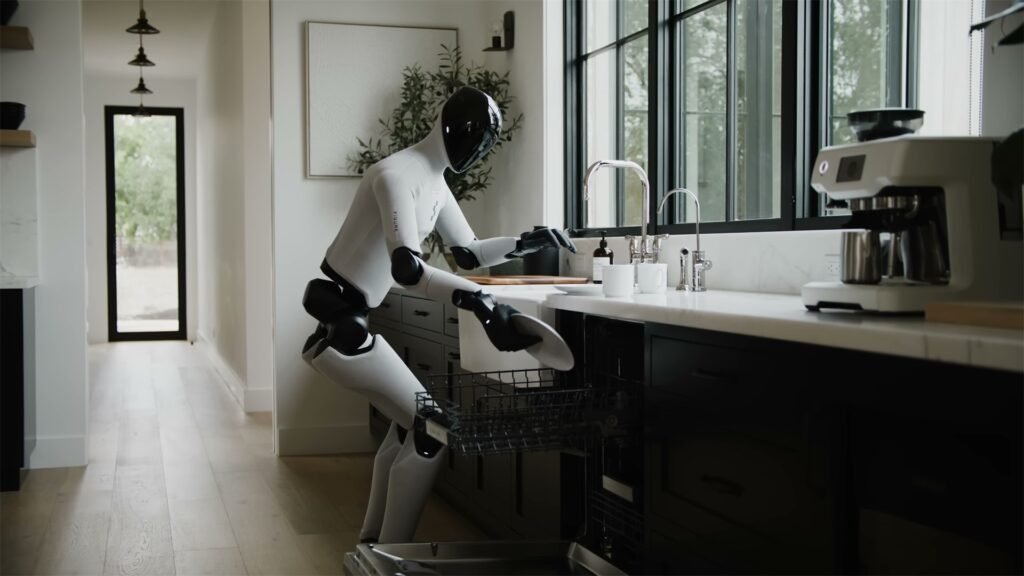
- Kitchen tasks including loading/unloading dishwashers with fragile items
- Dexterous handling of irregular and fragile objects
- Reliable indoor navigation and obstacle avoidance
- Natural voice interaction and task understanding
- Continuous improvement through fleet data collection
Current strength is highest in semi-structured home and light commercial environments. Battery life limits very long continuous operation.
Development Timeline
| Date | Milestone |
|---|---|
| Pre-2025 | Figure 01 & Figure 02; Figure 02 used in BMW pilot |
| October 9, 2025 | Figure 03 officially announced with full redesign |
| Late 2025 – 2026 | Production ramp at BotQ facility; pilot deployments |
| 2026+ | Volume scaling and capability expansion via real-world data |
Performance & Limitations
Strengths
- Excellent tactile dexterity (3g sensitivity) and precise manipulation
- Strong home-safe design with soft coverings and reduced size/weight
- Good integration between hardware and Helix AI
- Clear path to manufacturing scale
Limitations
- ~5 hour battery life requires recharging for extended use
- Early production phase with volumes still ramping
- Long-term reliability in messy, long-duration home use still being proven at scale
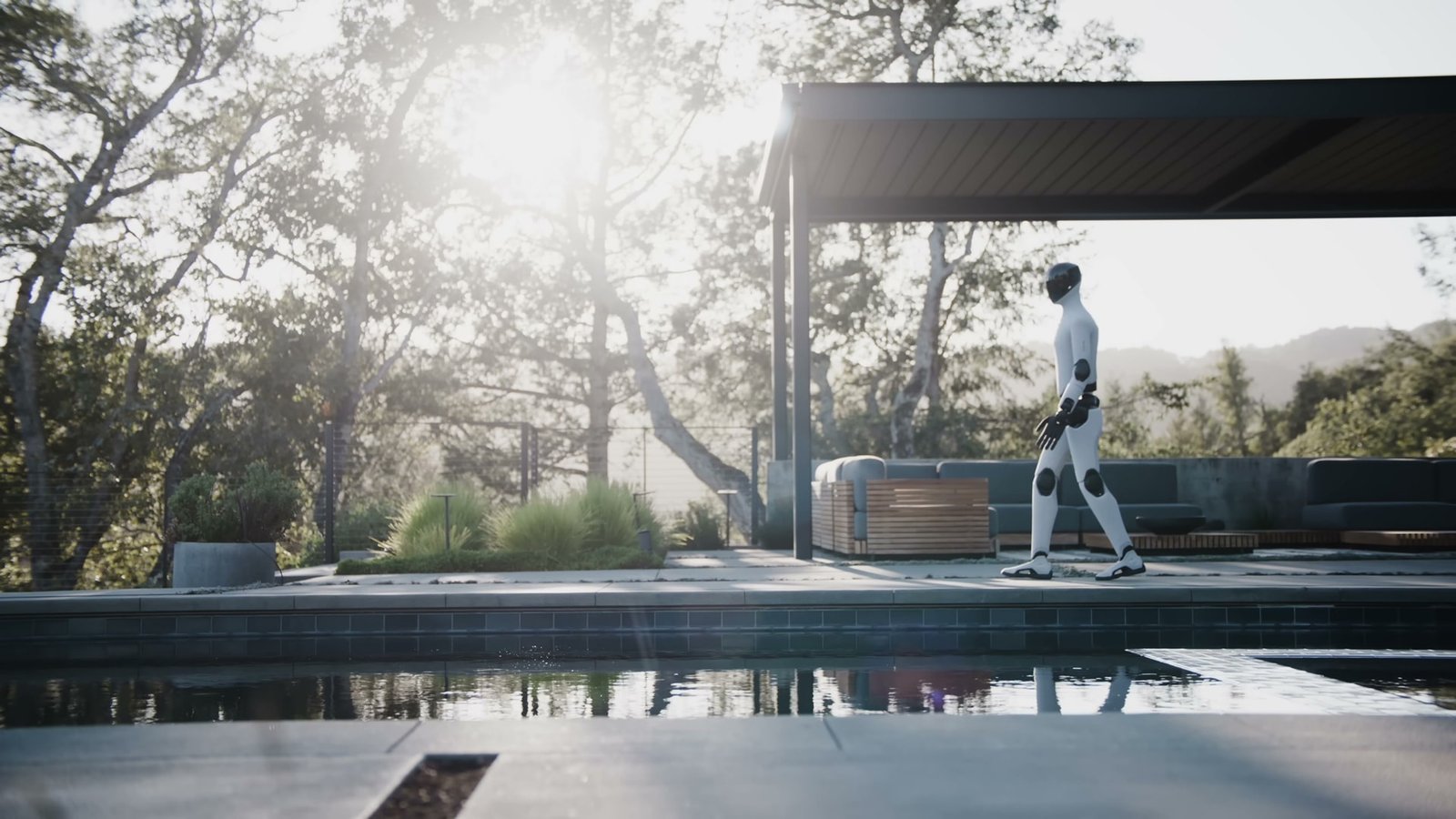
- Limited outdoor/extreme environment capability
- Premium initial pricing
Pros And Cons
| Aspect | Advantages | Risks / Drawbacks |
|---|---|---|
| Dexterity & Sensing | Industry-leading tactile + palm vision | Still maturing for very complex tasks |
| Home Safety | Soft textiles, compact size, foam protection | Needs more long-term real-home data |
| AI & Learning | Helix VLA + fast fleet data flywheel | Depends on deployment volume |
| Manufacturing | Ground-up design for scale, dedicated factory | Aggressive volume targets carry risk |
| Market Position | Strong home + light commercial focus | Tesla pushing hard on cost |
| Battery & Runtime | Convenient wireless charging | ~5 hour limit is a constraint |
| Overall | Excellent hardware-AI co-design | Hype vs current real-world scope gap |
Competitor Comparison
| Robot | Company | Height | Weight | DOF | Payload | Price (est.) | Sales Status | Core Difference |
|---|---|---|---|---|---|---|---|---|
| Figure 03 | Figure AI | 170–173 cm | 60–61 kg | 40+ | 20 kg | Premium (undisclosed) | Early production/pilots | Best tactile dexterity + home safety |
| Optimus Gen 3 | Tesla | ~173 cm | ~57 kg | ~40 | ~20 kg | $20–30k (at scale) | Internal + limited external | Manufacturing scale & cost focus |
| NEO | 1X Technologies | ~165–170 cm | ~30 kg | 30+ | ~20 kg | ~$20k / RaaS | Limited shipping | Lighter home-focused design |
| Apollo | Apptronik | ~168 cm | ~73 kg | ~40 | ~25 kg | Enterprise | Deployed (e.g. Mercedes) | Practical industrial use |
| Atlas (Electric) | Boston Dynamics | ~190 cm | ~89 kg | 56+ | High | High ($150k+) | Enterprise shipping | Superior dynamic mobility |
Real-World Applications
Home
- Tidying rooms and organizing surfaces
- Kitchen assistance (dish handling, loading/unloading)
- Basic support for elderly users (fetching items, organizing)
- Voice-interactive routine tasks
Commercial / Light Industrial
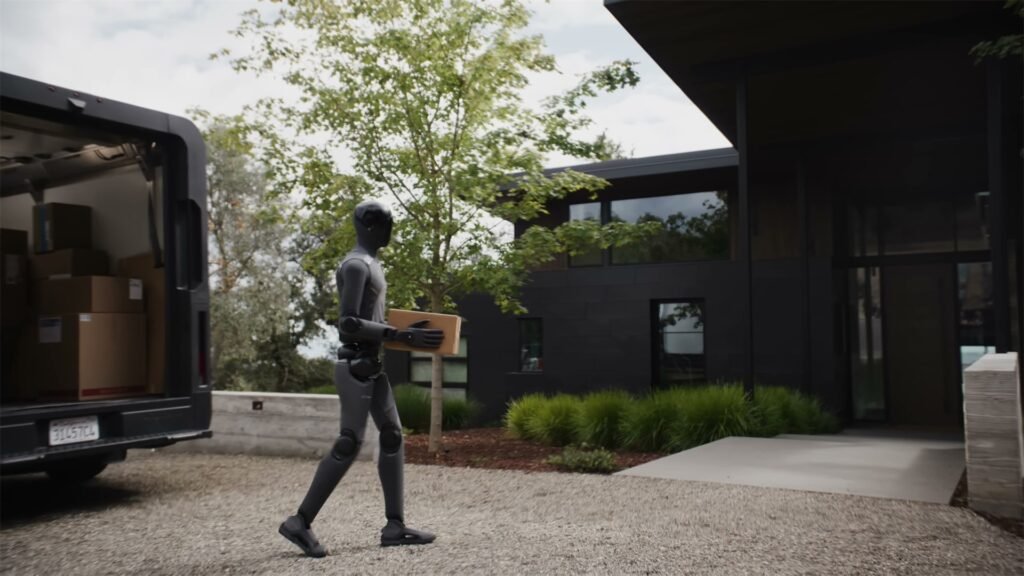
- Logistics parts kitting and handling (proven heritage from Figure 02 at BMW)
- Light assembly and inspection
- Facility support and material movement
Future
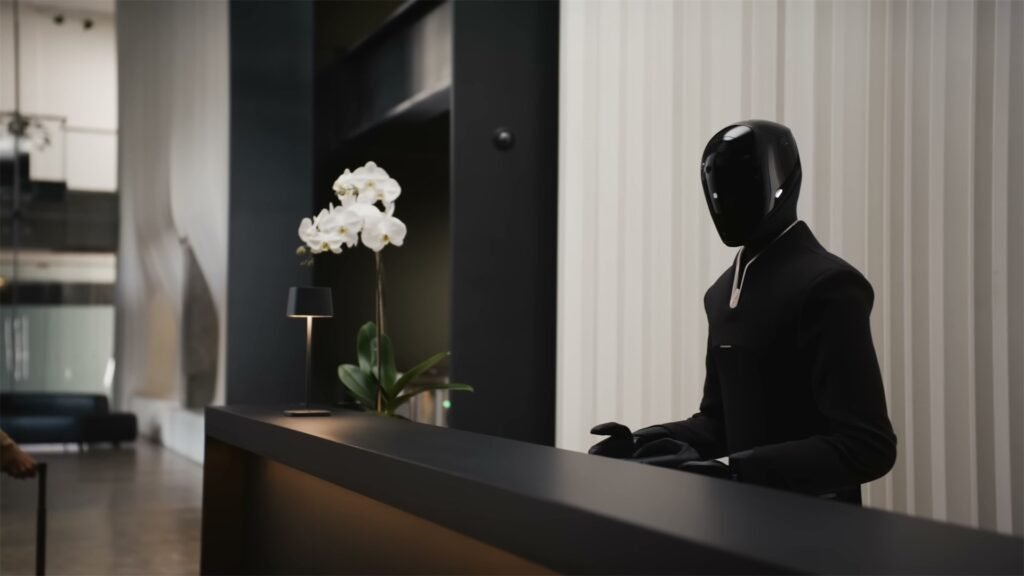
Elder care, retail support, hospitality, and broader service roles as capabilities expand.
Price & Availability
The official price has not been publicly disclosed (enterprise/pilot model).
Positioned at a premium compared to Tesla’s aggressive long-term target.
Current Status: Limited pilot deployments and early production. Not yet available for general purchase. Wider availability expected through 2026–2027 as production scales.
Production Status And Manufacturing
Figure 03 was designed from the start for high-volume production. Major changes include shift to die-casting, injection molding and stamping, in-house critical components, and large reduction in part count.
Dedicated BotQ facility targets initial capacity of 12,000 units per year, with a goal of 100,000 cumulative units over four years.
Future Outlook
Figure 03 provides a strong, production-oriented foundation for practical humanoid deployment. The combination of advanced tactile and vision hardware with the Helix learning architecture creates a powerful real-world data flywheel. Success will depend on production scaling, continued capability expansion, and real-world deployment volume over the next 2–3 years.
FAQ
| Question | Answer |
|---|---|
| What is Figure 03? | Figure AI’s third-generation general-purpose humanoid robot optimized for Helix AI, home use, and mass production. |
| How is it different from Figure 02? | Complete ground-up redesign with better vision, advanced tactile hands, softer home-safe covering, wireless charging/data, and manufacturing optimizations. |
| What is Helix? | Figure’s proprietary vision-language-action (VLA) AI model that enables reasoning, planning, and learning from real-world data. |
| Can it work safely in homes? | Yes. It uses soft washable textiles, foam pinch protection, and high-resolution tactile sensing for careful object handling. |
| What tasks can it perform now? | Room tidying, kitchen/dish tasks, dexterous object manipulation, and basic household organization. |
| How long is the battery life? | Approximately 5 hours depending on tasks. It supports convenient 2 kW wireless inductive charging. |
| How much does it cost? | Pricing is not publicly listed. It is currently available through enterprise pilots and early production programs. |
| How does it compare to Tesla Optimus? | Figure 03 leads in tactile dexterity and home-safe design. Tesla leads in manufacturing scale ambition and aggressive cost targets. |
| Is it available to buy? | Not for general retail yet. Limited to pilots and early production in 2026. |
| What is the production capacity? | BotQ factory targets 12,000 units per year initially, with a goal of 100,000 cumulative units over four years. |
| Does it learn and improve? | Yes. 10 Gbps mmWave wireless data offload allows the fleet to continuously improve Helix models. |
| What safety features does it have? | Soft coverings, pinch-point foam protection, certified structural battery, and high-fidelity tactile sensing. |
Xcar Comment (Verdict)
Figure 03 is one of the most advanced and thoughtfully engineered humanoid platforms currently in early production. The combination of high-resolution tactile sensing, in-hand vision, and home-optimized soft design gives it clear practical advantages for real human environments. While Tesla Optimus holds stronger cards on manufacturing scale and long-term cost, Figure 03 currently feels further ahead in delivering reliable fine manipulation and safe coexistence with people.
This is not yet a finished general-purpose robot ready for every home, but it is a credible, production-intent platform with a powerful learning flywheel. The next 18–36 months of deployment data and production scaling will determine whether it becomes a defining product in the humanoid wave. Strong technical foundation and clear strategic focus — worth watching closely.