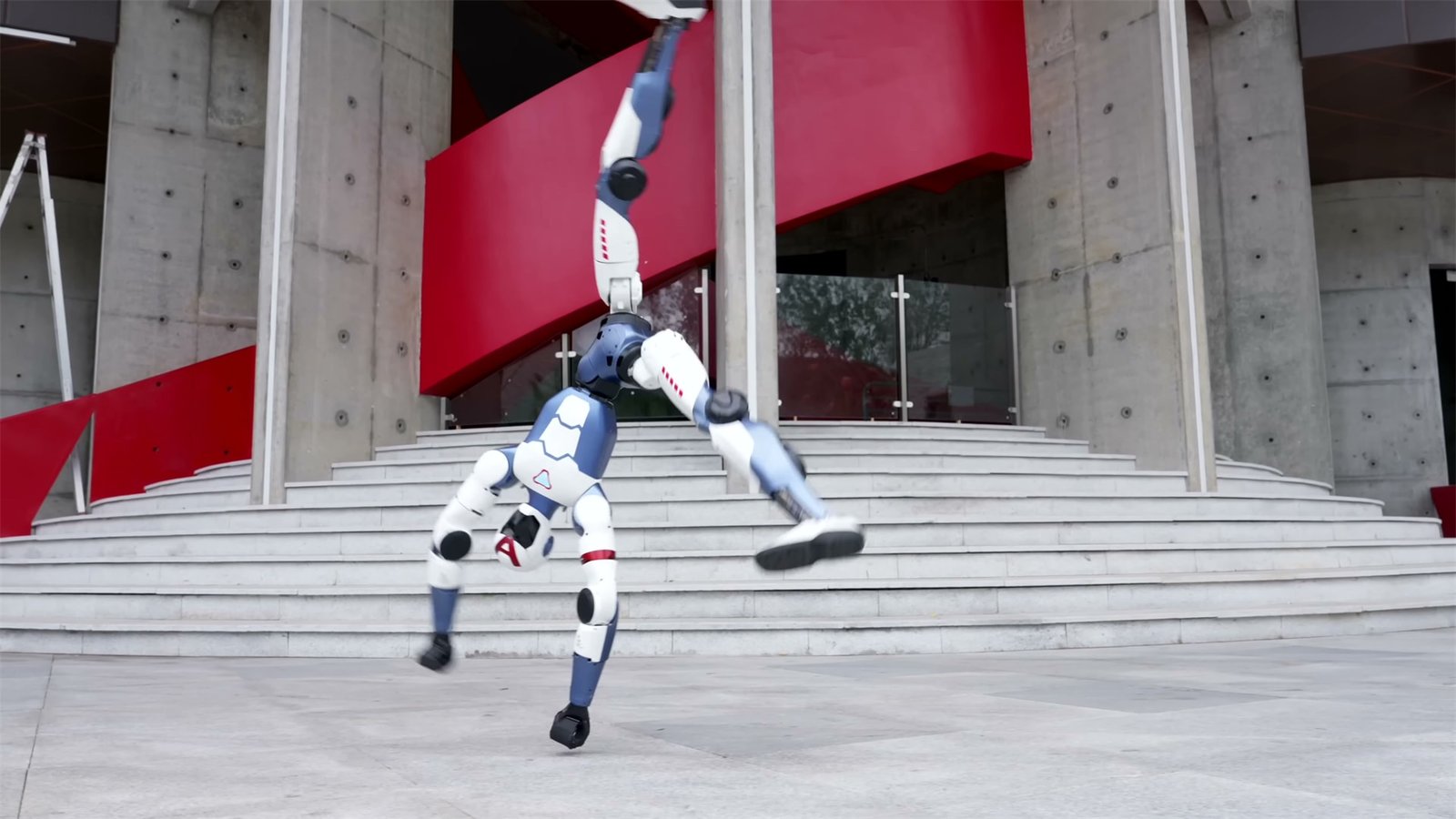
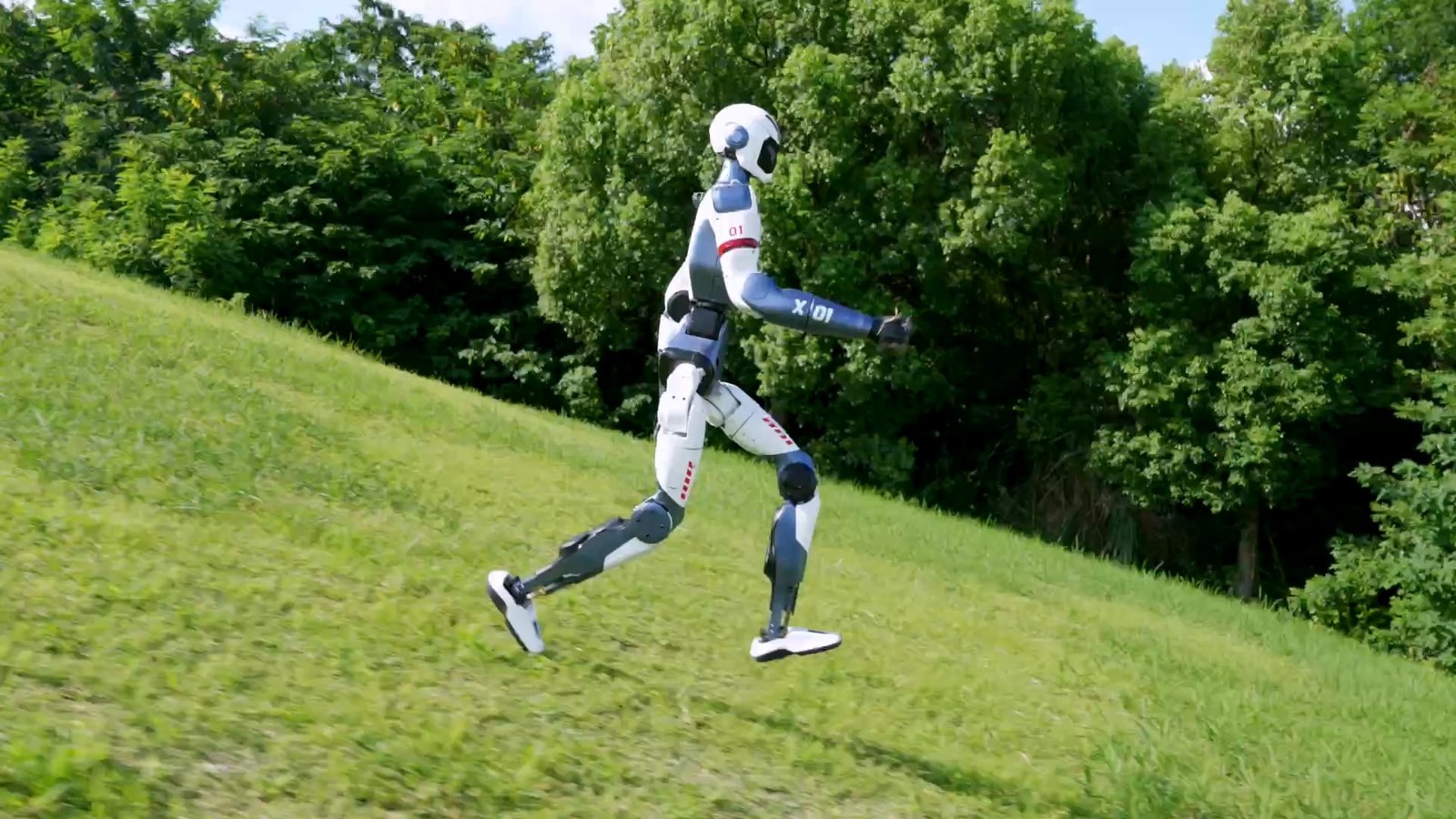
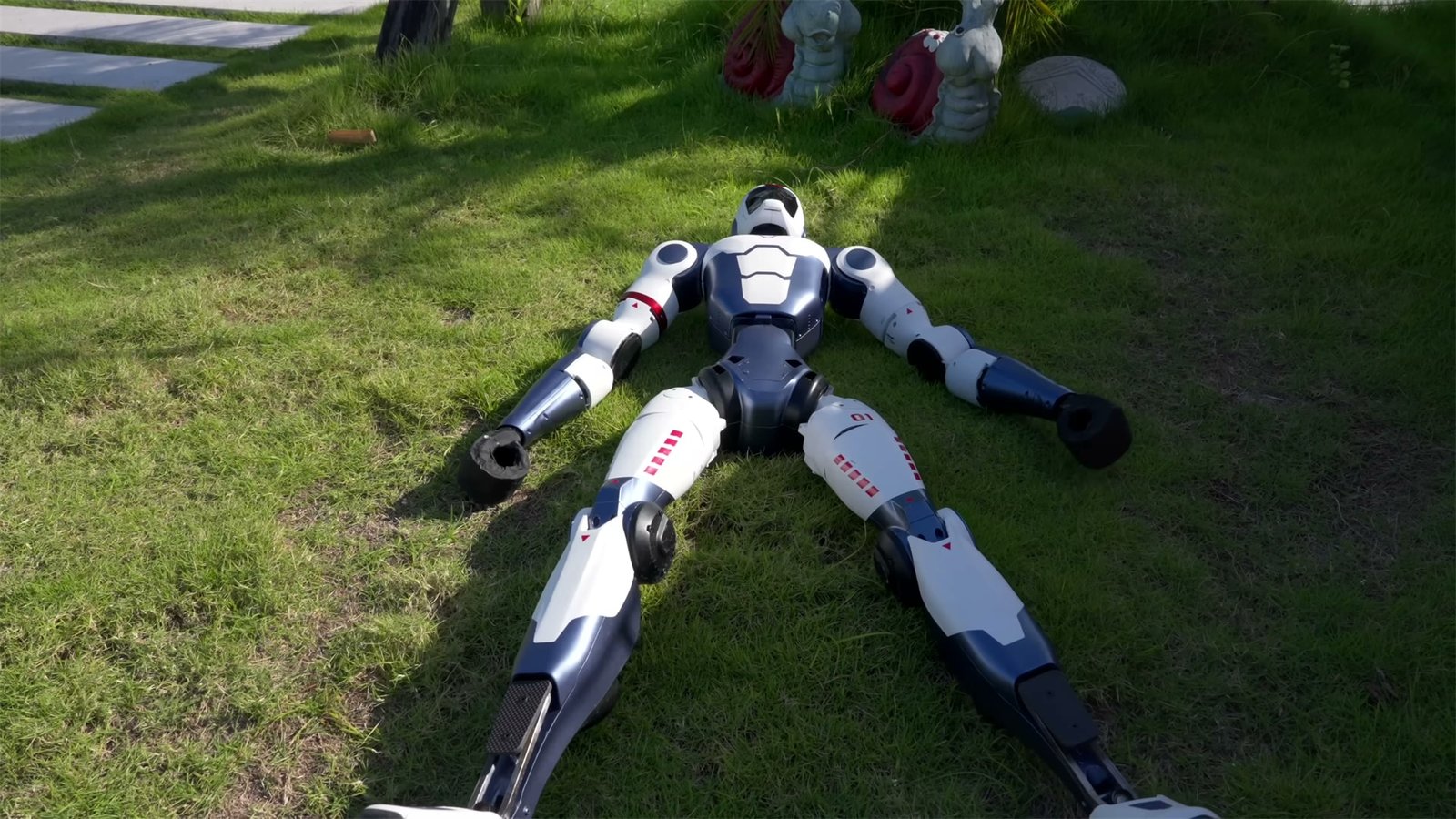
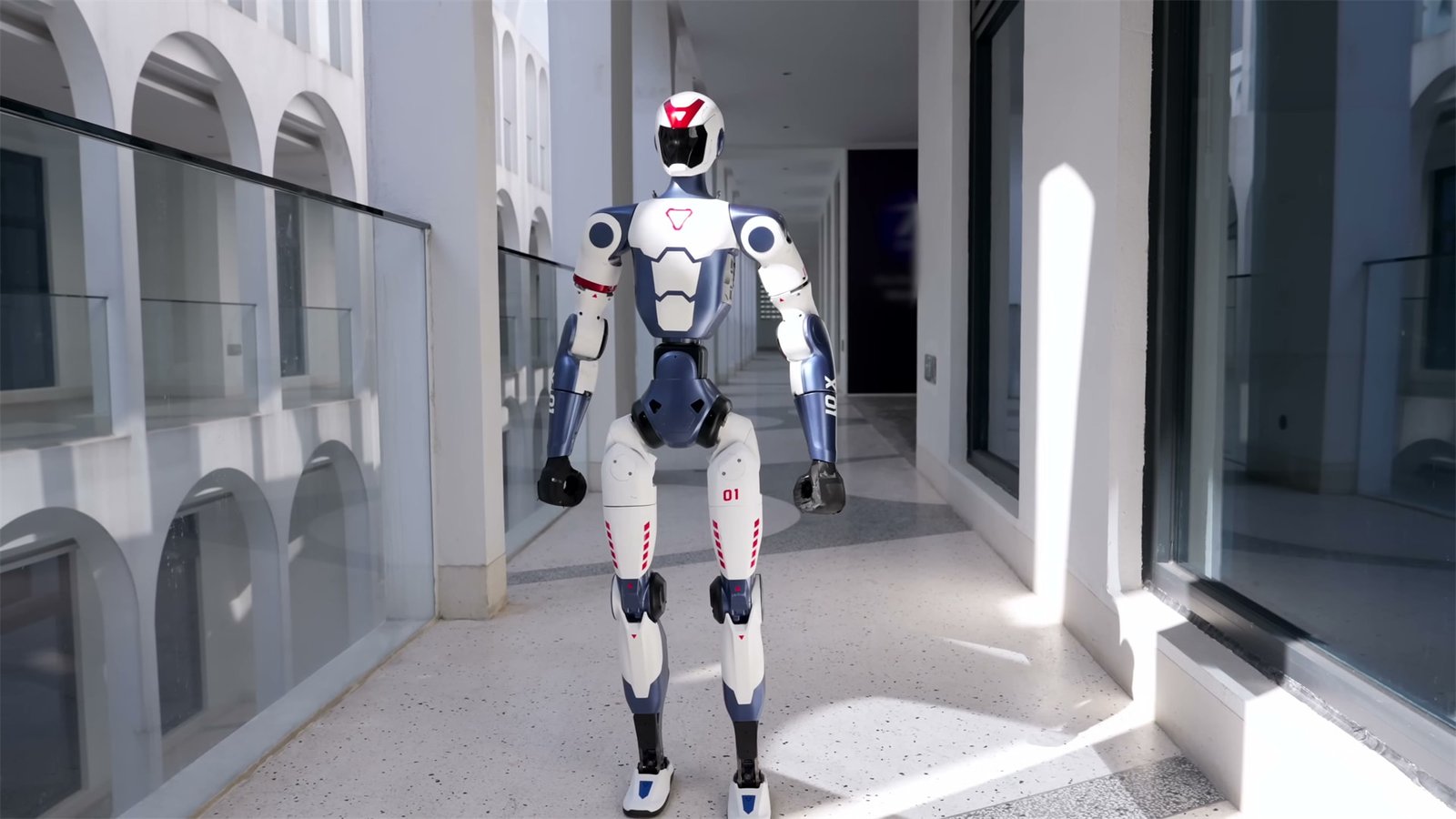
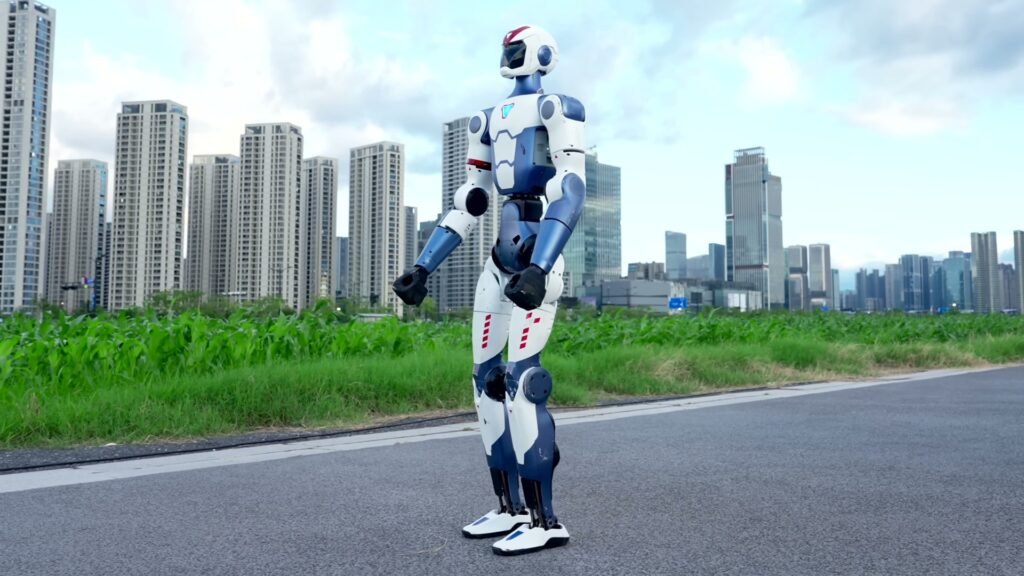
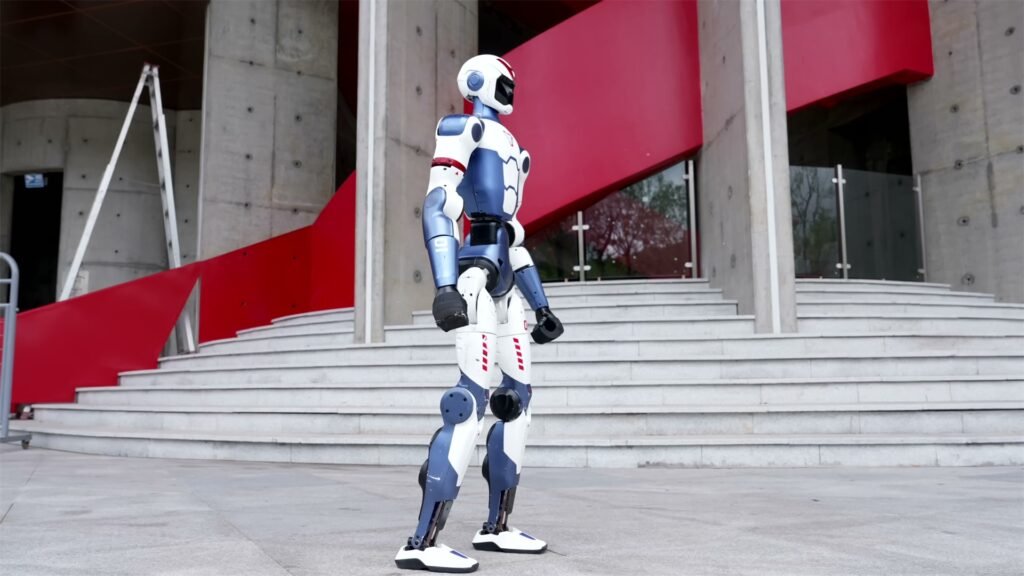
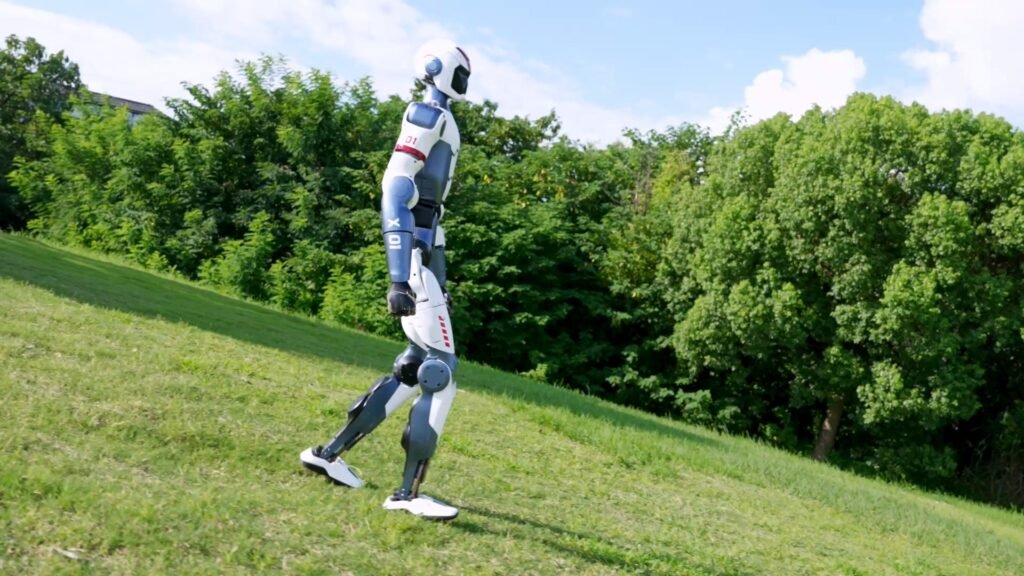
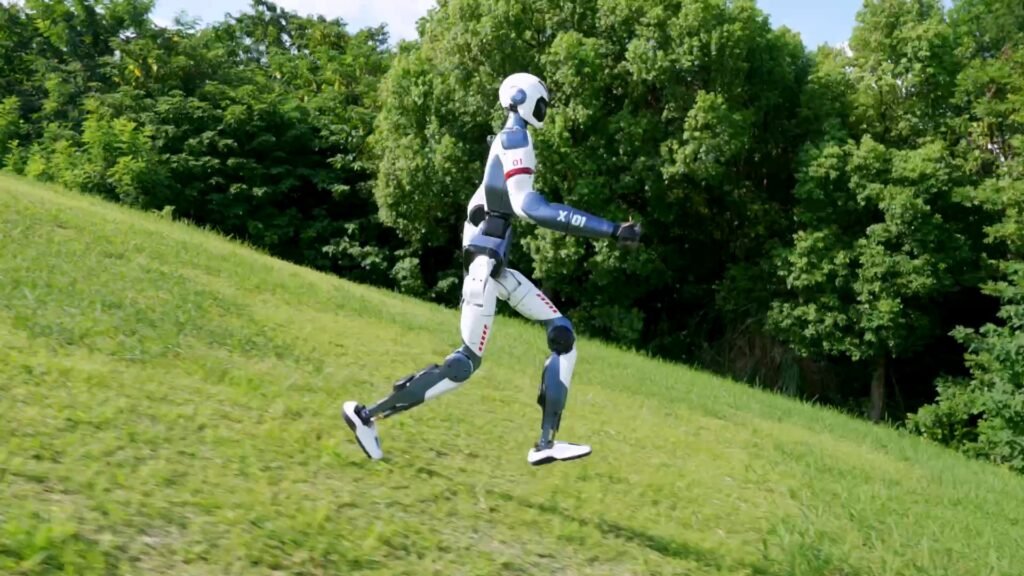
Ultra-low-cost modular humanoid embodied AI platform for university education, light industrial assembly, robotics competition, hobby R&D and small commercial display
Unitree R1
Core Highlights
Feature
Detailed Description
Industry Record Low Entry Price
Starting at $3,800 USD (26,900 CNY), the world’s cheapest mass-produced commercial humanoid robot platform
Modular Dual Product Lines
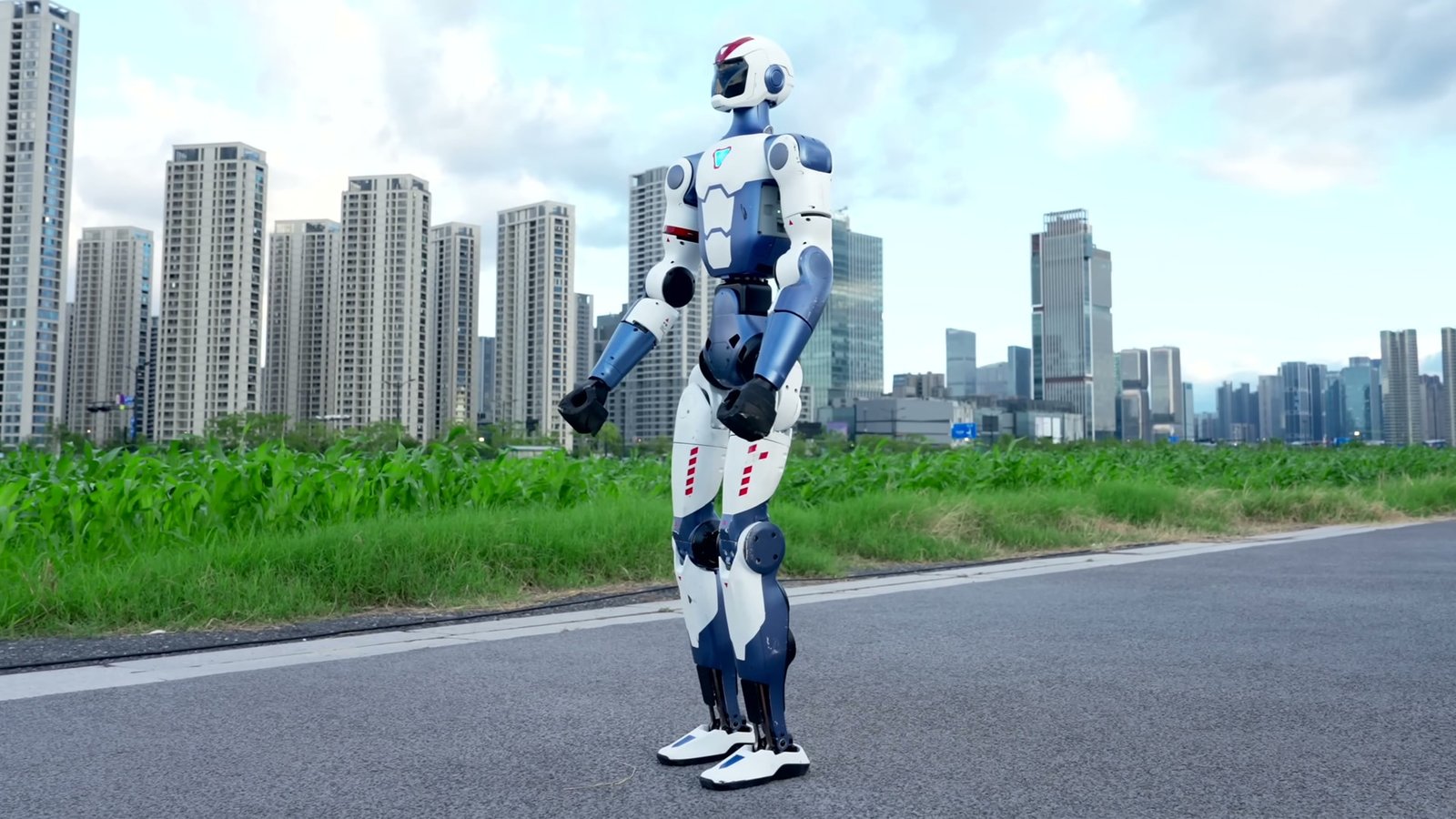
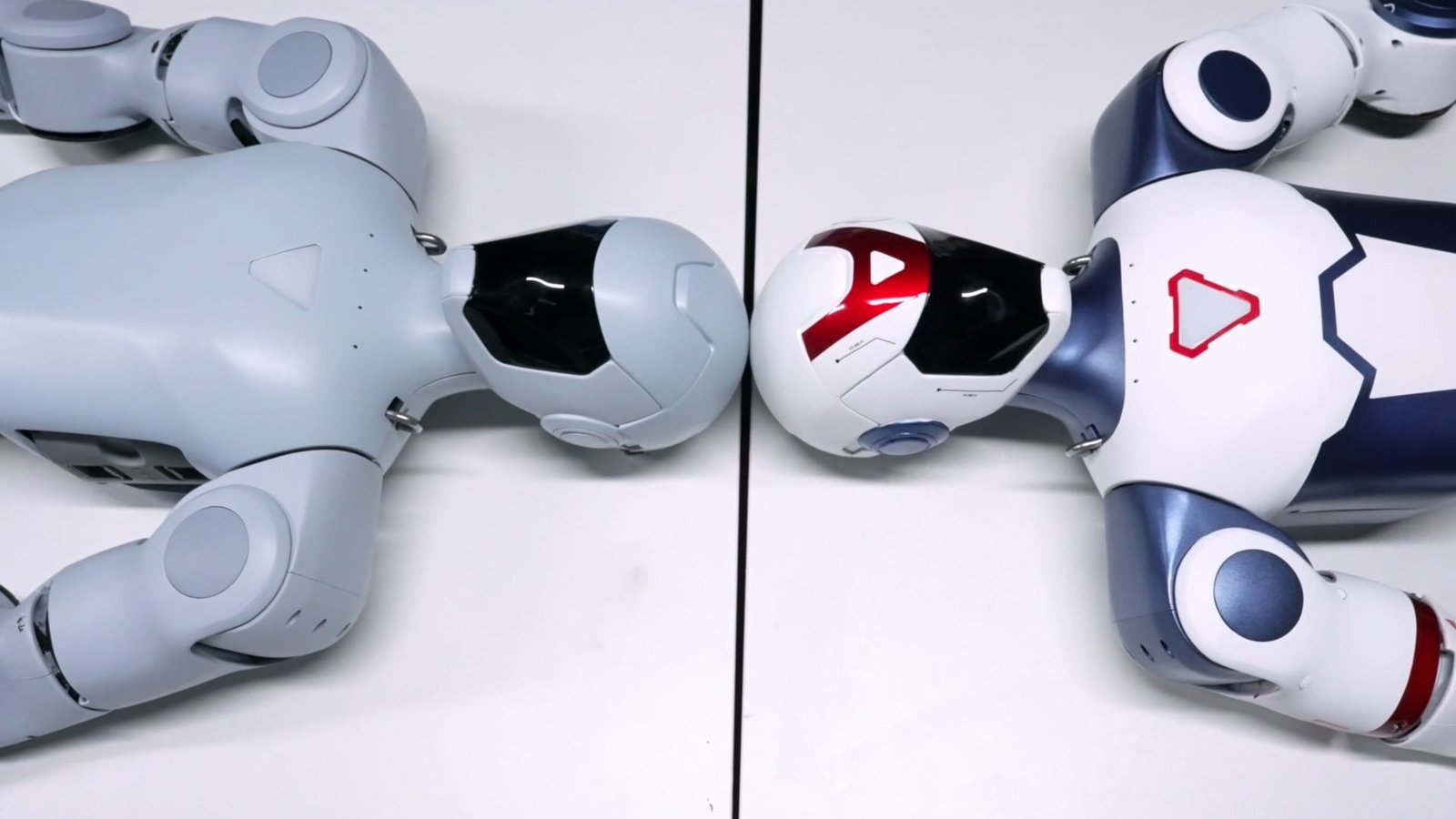
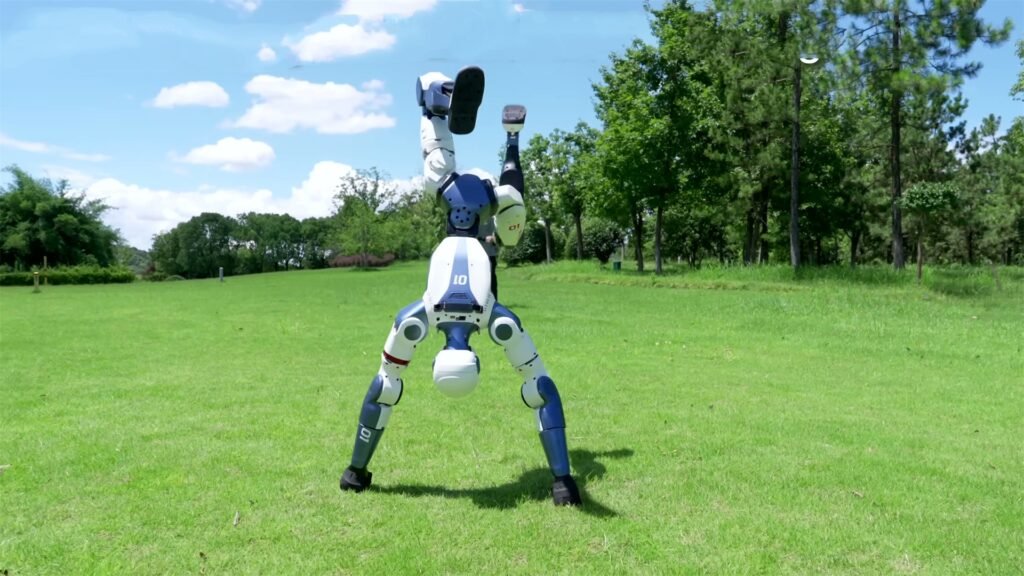
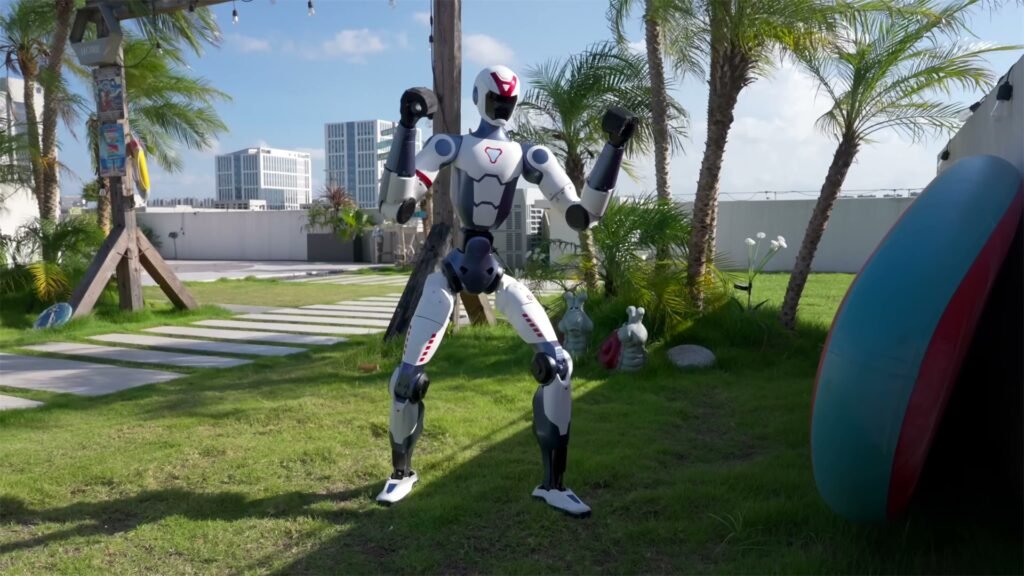
Two core variants: Full Biped R1 Mobile Humanoid / Desktop Upper-Body R1-A Series with fixed/mobile base options
15–31 Expandable Full-Body DOF
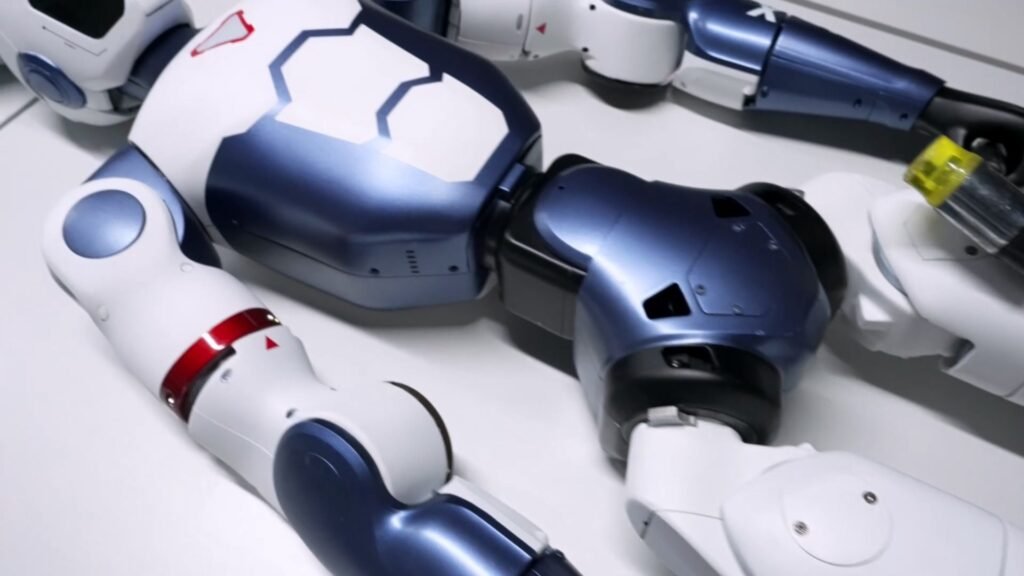
Scalable joint architecture, 5/7 DOF per arm, ±150° waist rotation, wide-range head pitch/yaw movement
Binocular RGBD Multi-Modal Perception
Dual depth cameras + 4-mic noise-cancelling array, 146° horizontal wide field of view for object tracking & voice interaction
Unitree Native UnifoLM Embodied LLM
Edge 10TOPS onboard AI compute, optional Jetson Orin upgrade for industrial-grade multi-modal reasoning & OTA remote model updates
Fully Open Full-Stack SDK
Complete Python/C++/ROS2 access, drag-and-drop teaching, zero-code task deployment for academic and small enterprise developers
Dual Deployment Modes
Fixed desktop stand for lab assembly / retractable mobile wheel chassis for factory patrol & dynamic mobile manipulation
Q4 2025 for full biped R1; Q2 2026 for R1-A desktop arm lineup
Global Mass Delivery Window
Q1–Q3 2026, worldwide authorized agent stock available
Commercial Deployment Timeline
Late 2025 onward: University labs, small manufacturing workshops, robotics contest venues, retail exhibition booths
Stand – Unitree R1
Overview
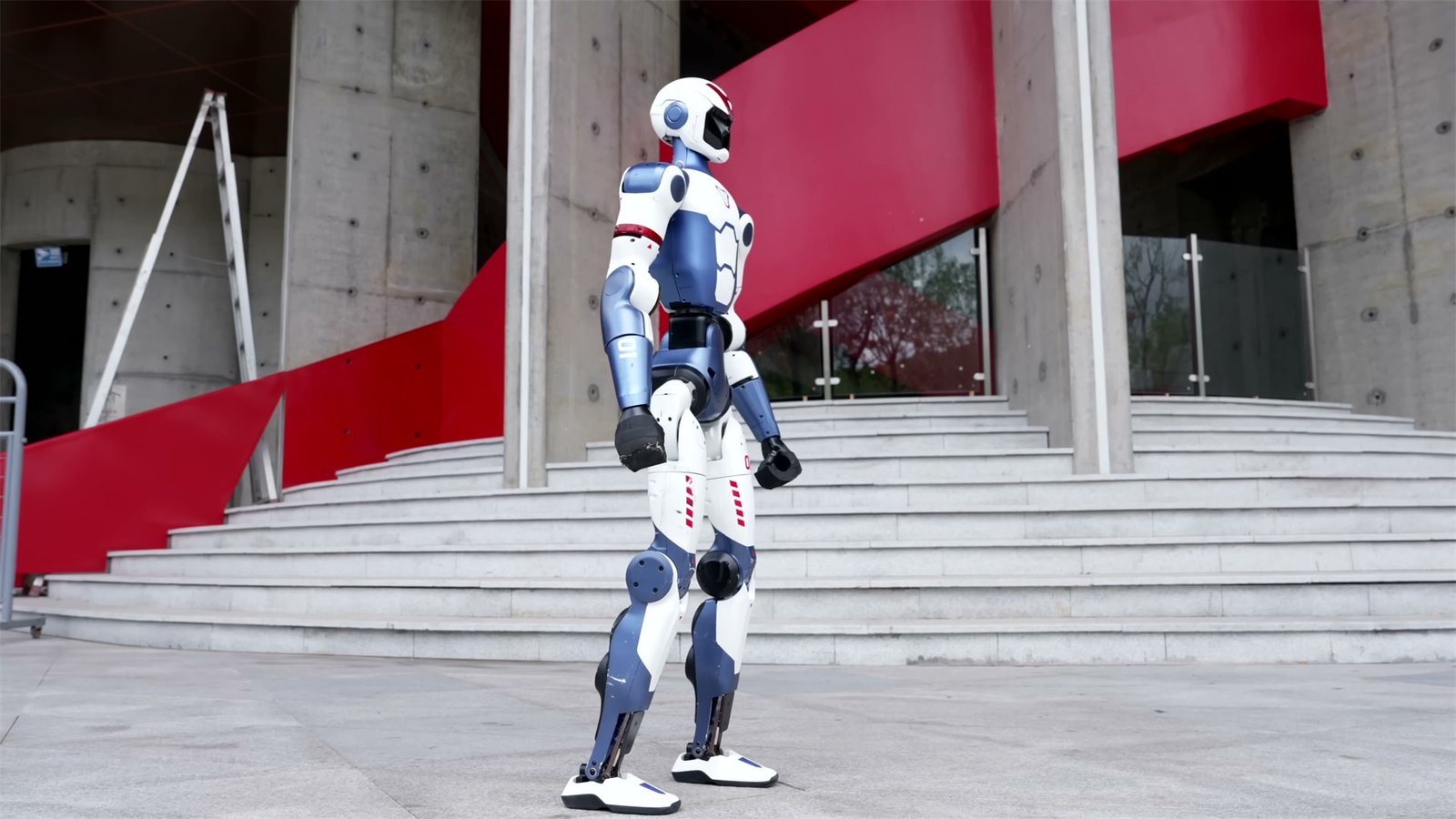
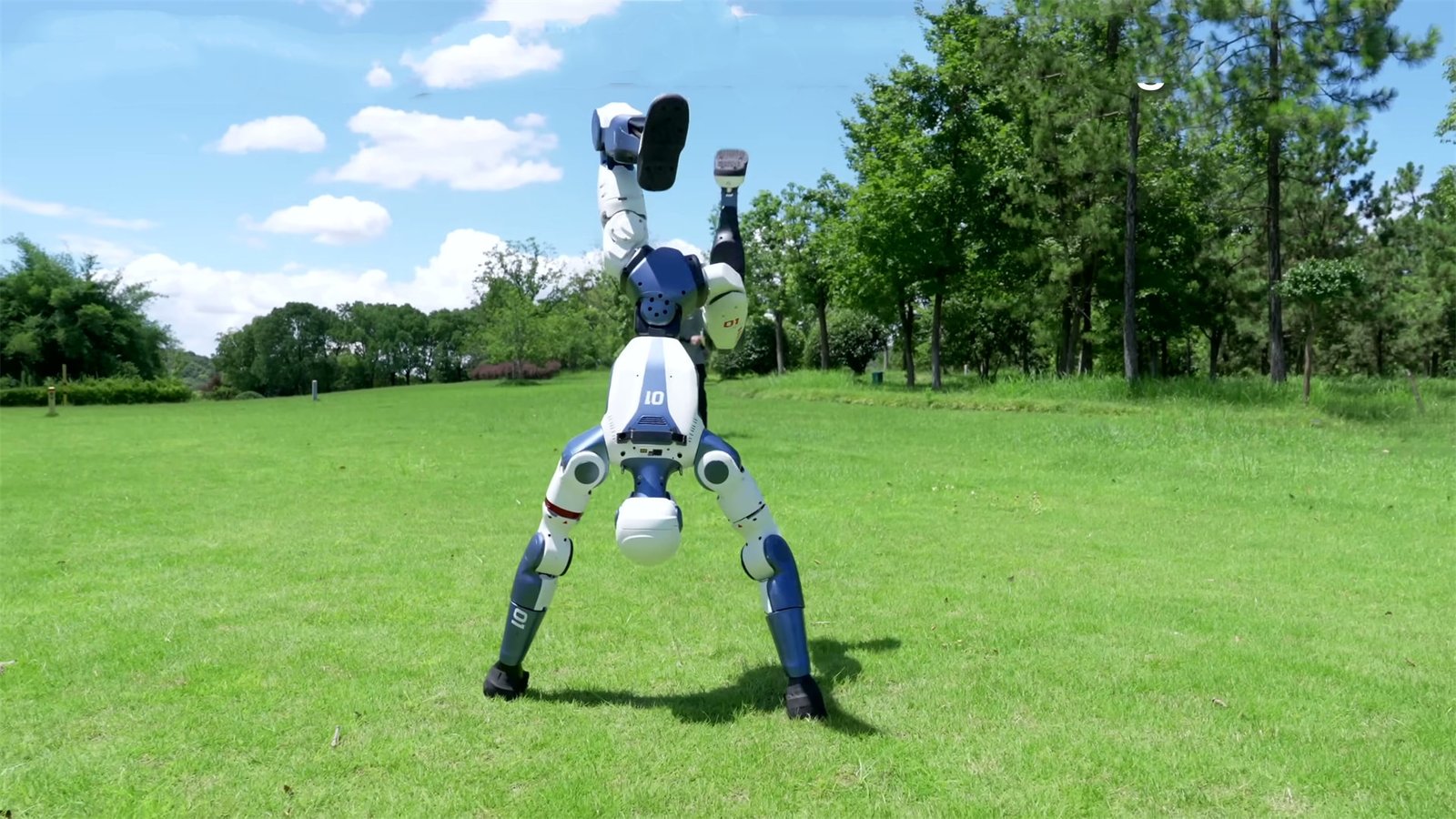
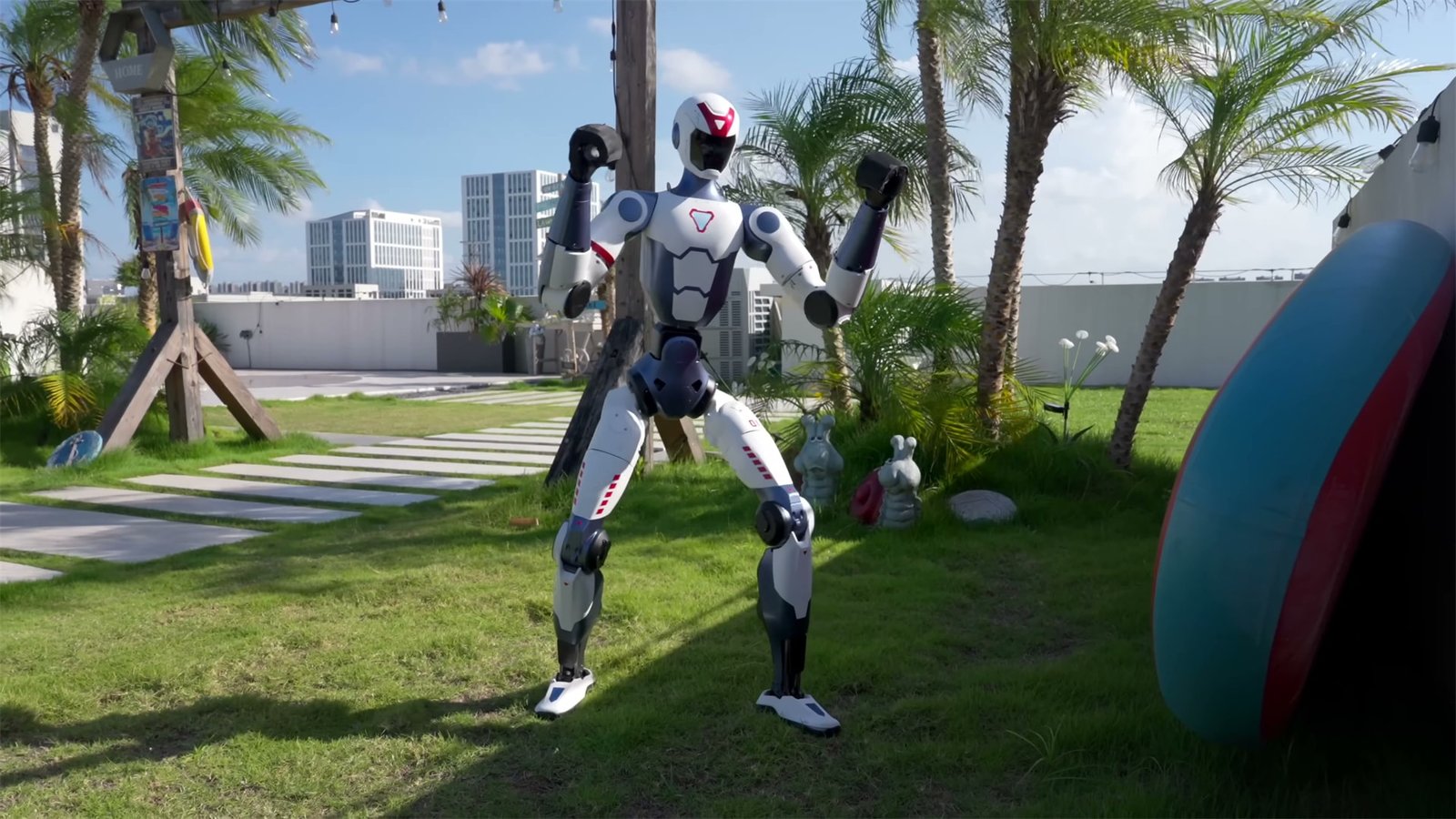
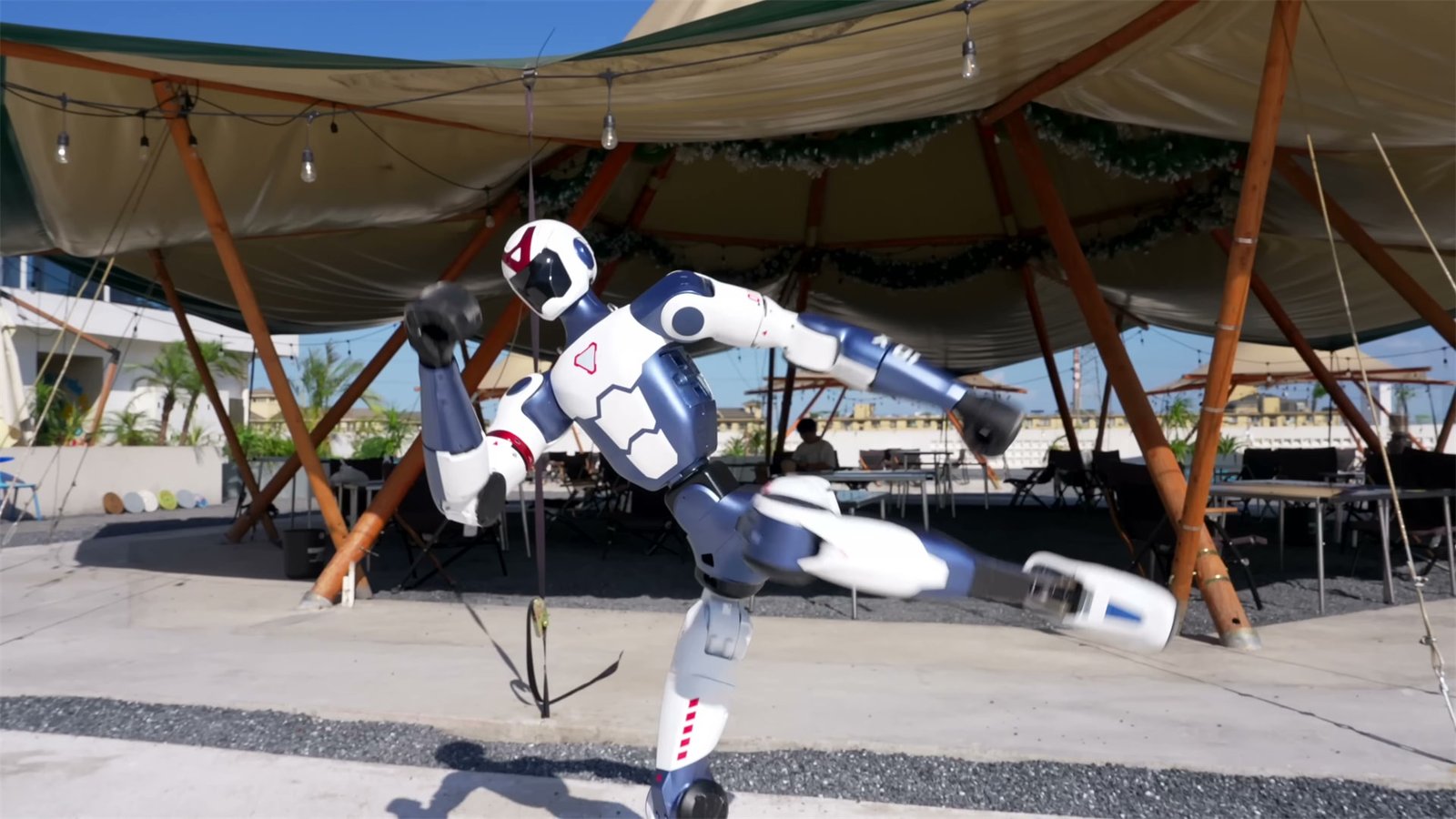
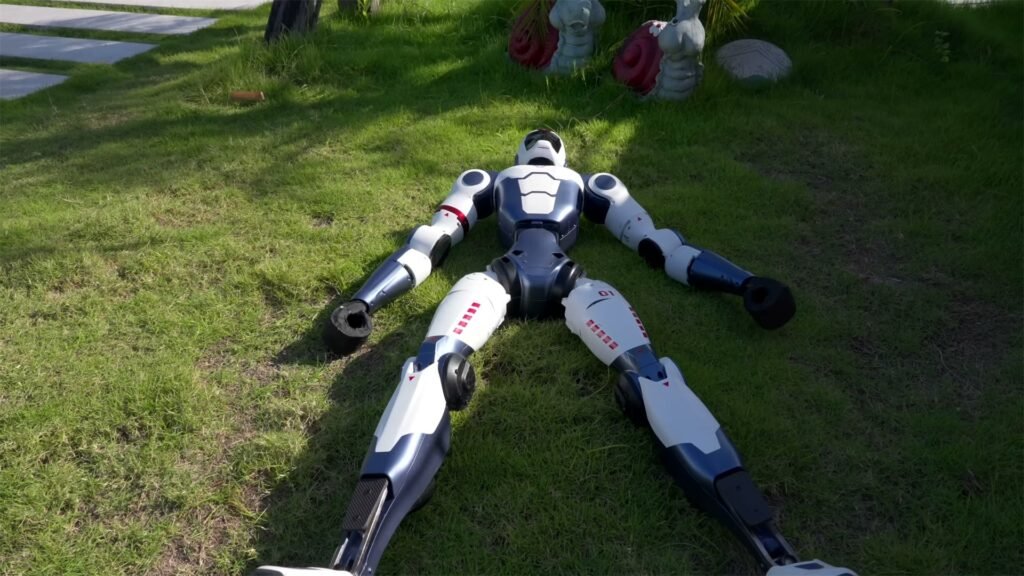
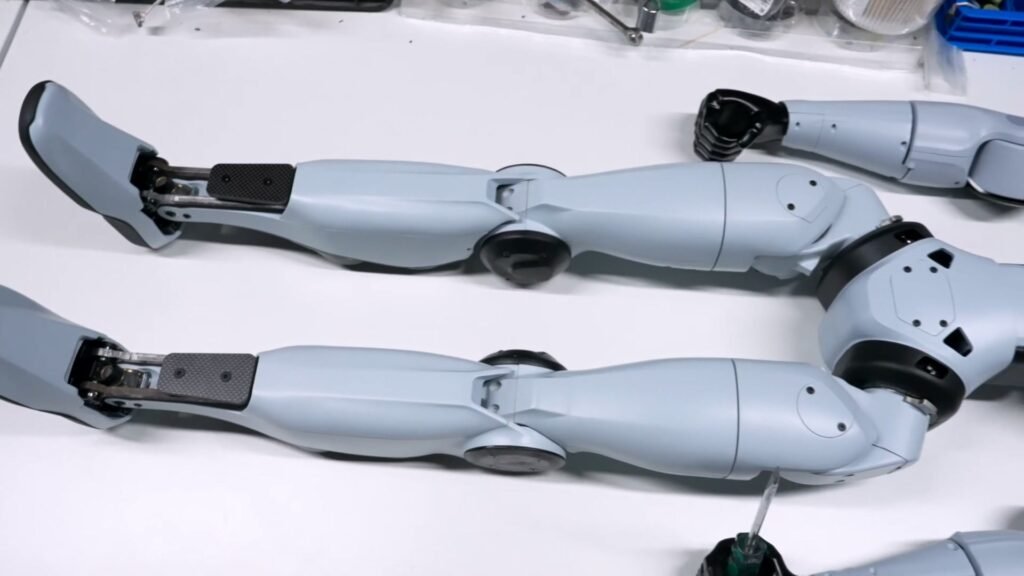
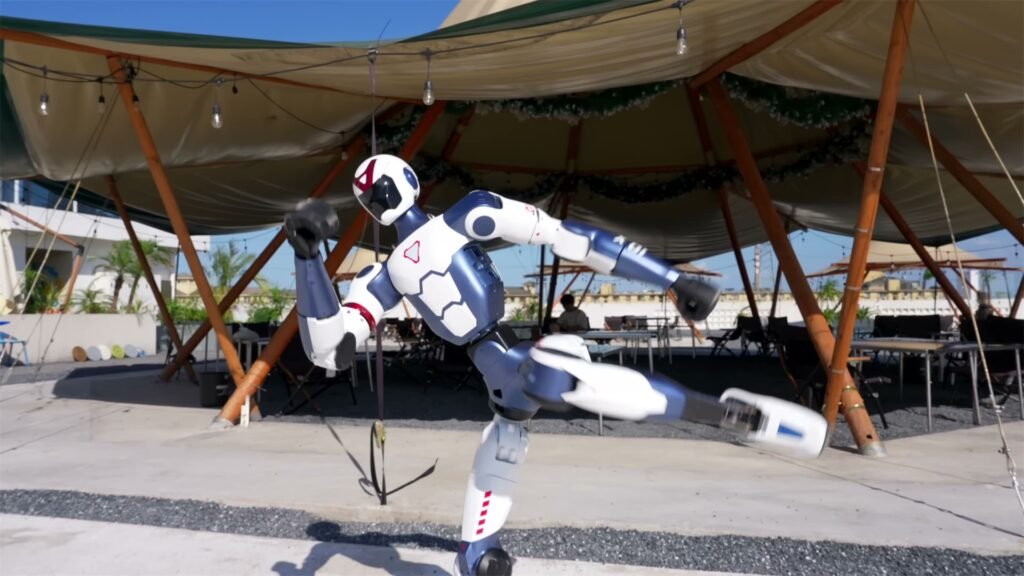
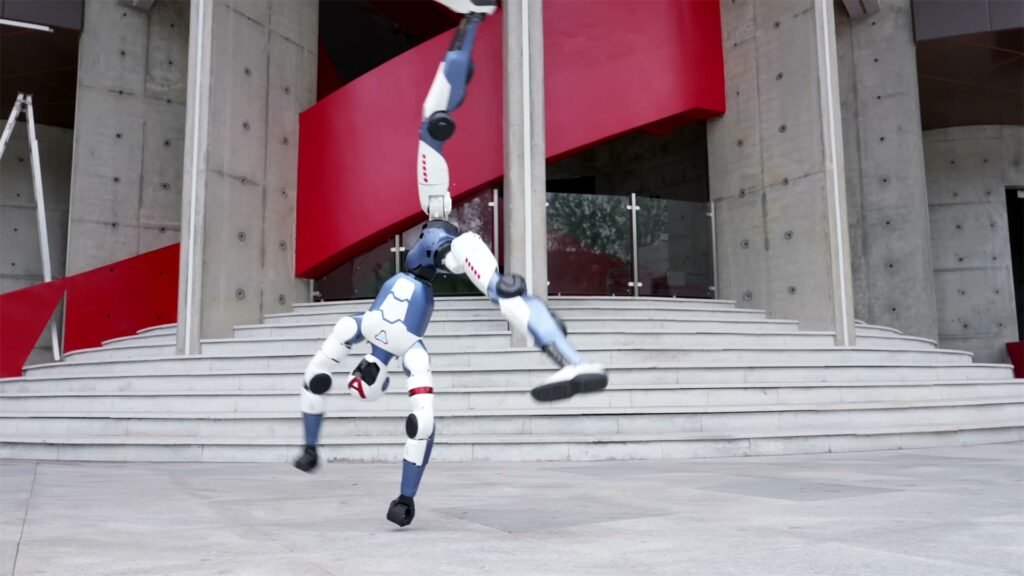
Unitree R1 is the third humanoid robot product line launched by Unitree Robotics, crafted to fill the extreme low-cost market gap below the mid-tier Unitree G1 and flagship industrial H1. Unlike Tesla Optimus, which targets full-size household and heavy factory automation, the R1 product family splits into two clear product directions: a lightweight 25kg full biped walking humanoid for dynamic motion research, and a compact desktop upper-body arm robot series with optional mobile wheel chassis for stationary assembly tasks.
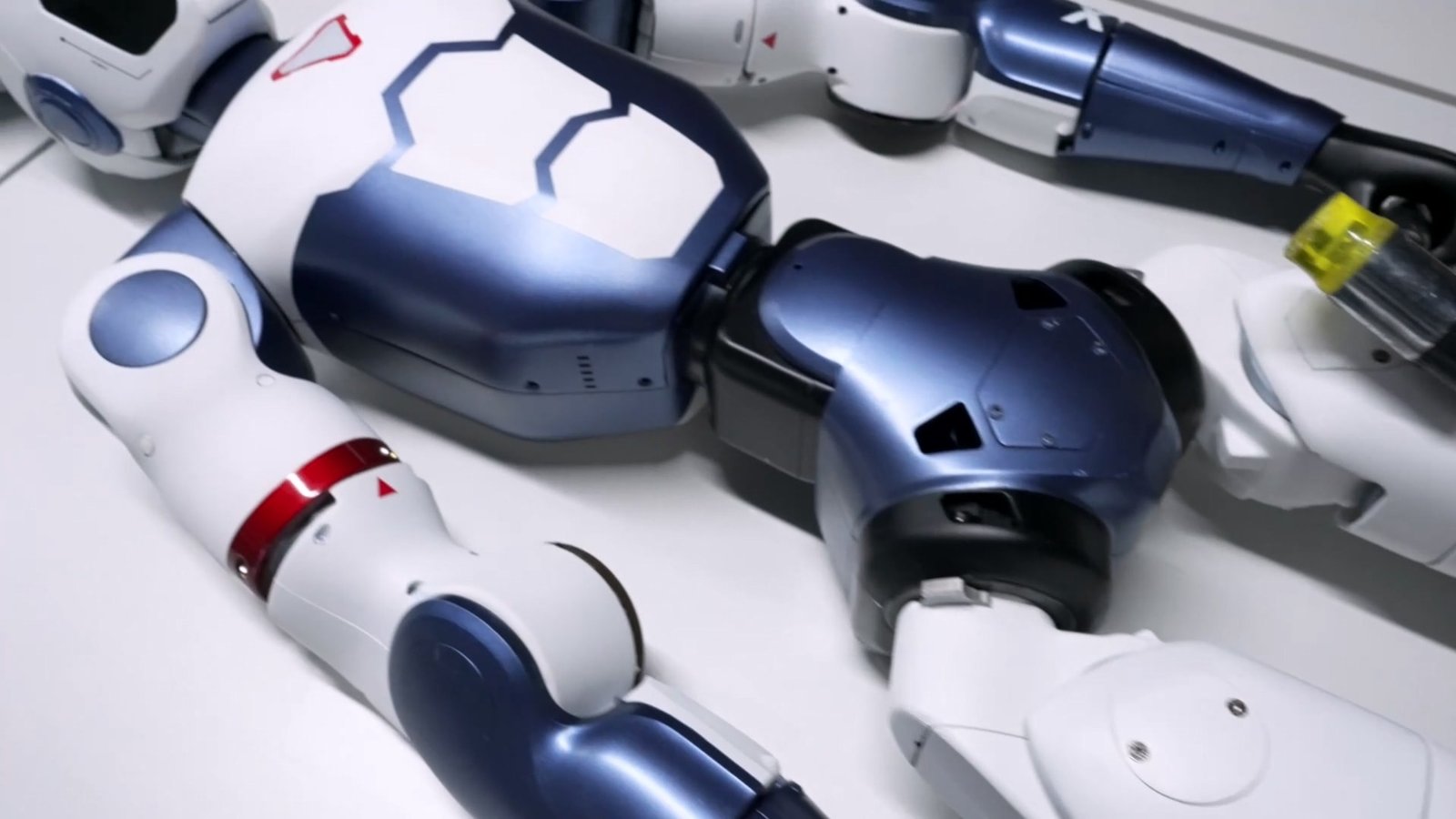
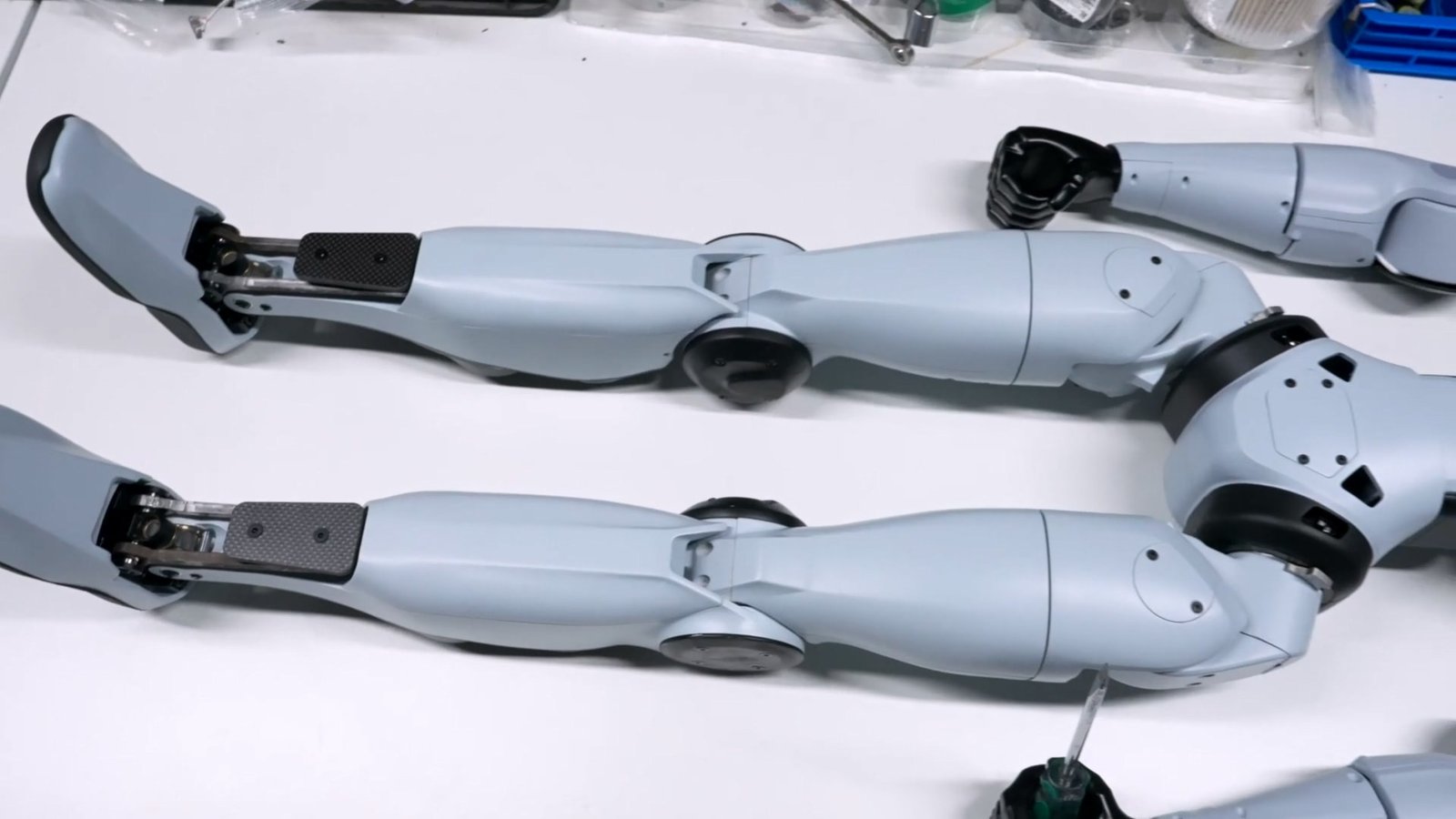
The core design logic abandons overcomplicated heavy-duty hardware, leveraging Unitree’s decade of quadruped robot motion control algorithms and self-developed low-cost joint actuators to slash manufacturing BOM costs by over 60% compared to G1. All core motion firmware, perception pipelines and UnifoLM embodied large model are independently developed in-house, eliminating overseas component supply chain risks. Its biggest market disruption is lowering the entry threshold for embodied AI research by over 85% relative to Western humanoid competitors, allowing small labs, individual developers and micro-factories to deploy multi-unit robot fleets without massive capital investment.
Short standard runtime; extended battery adds significant chassis weight
Low-cost compact frame limits lithium battery physical volume; universal lithium energy density industry-wide bottleneck
Payload Upper Threshold
Single arm max 2kg load, cannot handle heavy industrial parts over 5kg
Cost control tradeoff: lightweight small torque actuators used to hit sub-$6,000 price point
Outdoor Environmental Restrictions
Not rated for heavy rain, extreme high/low outdoor temperatures below -10°C or above +38°C
Complex full waterproof joint sealing would raise manufacturing cost by 40%, breaking the low-price positioning
Complex Long-Distance Autonomy Boundary
Multi-room large factory navigation requires constant human supervision
Onboard base 10TOPS compute insufficient for real-time large-scale global map optimization without Jetson Orin upgrade
Ultra-Fine Manipulation Ceiling
Standard two-finger claw cannot complete micro-electronics soldering and assembly; high-DOF dexterous hand is paid add-on
Base model cost reduction prioritizes entry price over premium fine motor hardware
Dynamic Rough Terrain Limitation (Full Biped R1)
Unstable walking on uneven rock, deep gravel or staircases taller than 12cm
Lightweight low-torque leg joints lack the power of high-end H1/G1 leg actuators
Pros And Cons
Core Competitive Advantages
Advantage Category
Specific Market & Technical Competitive Benefit
Unmatched Global Entry Price Threshold
$3,800 starting price is 1/3.7 the cost of Unitree G1 Base, 1/28 the estimated price of Tesla Optimus Gen 2, eliminating humanoid hardware entry barriers for small teams
Full In-House Self-Developed Core Hardware Stack
Actuators, sensors, motion control firmware, UnifoLM embodied LLM all proprietary intellectual property; stable domestic Chinese supply chain with 55%+ gross production margin
Dual Modular Product Layout Flexibility
Users choose between full biped walking robot for motion research or fixed/mobile desktop arm for stationary assembly, one product line covers two disjoint market segments
Complete Open Developer Ecosystem
Full Python/C++/ROS2 SDK, robot task app store, open UnifoLM API; rapidly adopted by thousands of global university robotics teaching labs
Scaled Domestic Low-Cost Manufacturing
Purpose-built Hangzhou lightweight robot assembly line, global delivery lead times of 7–15 business days vs multi-month waiting periods for Western competitors
Low Barrier For Batch Deployment
Ultra-low unit price allows educational institutions and small manufacturers to purchase multiple robot units for fleet testing without oversized capital budgets
Disadvantages & Long-Term Market Risk
Weakness / Market Risk
Detailed Real-World Impact Analysis
Hardware Performance Ceiling From Cost Constraints
Lightweight low-torque joints rule out heavy industrial logistics workloads; cannot compete with Unitree H1 and Tesla Optimus for factory heavy material transport tasks
Universal Industry Battery Limitation
1.5-hour standard base runtime falls far short of large humanoids equipped with 2kWh high-capacity battery packs for 8-hour factory shifts
Mainstream Consumer Brand Recognition Gap
Tesla Optimus leverages global automotive brand marketing for mainstream media visibility; Unitree remains primarily known within robotics academic circles
Consumer Home Commercial Maturity Gap
Most stable autonomous household tasks require extensive manual pre-training; fully unattended whole-home domestic service not yet production-ready for mass consumers
Internal Unitree Product Line Cannibalization Risk
R1’s ultra-low pricing pulls budget buyers away from mid-tier Unitree G1 base model, squeezing G1’s entry-level market segment revenue
Limited Extreme Environment Durability
Only certified for mild indoor temperature ranges; unsuitable for cold storage below -10°C or outdoor all-weather industrial deployment without expensive custom modification
Flip – Unitree R1
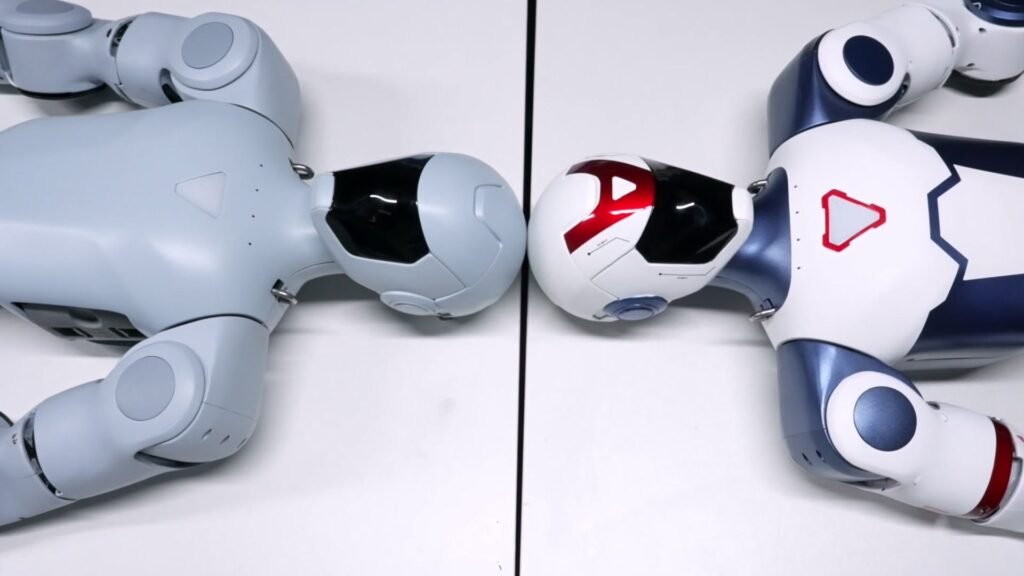
Competitor Comparison
Comparison Parameter
Unitree R1 Full Biped Base
Unitree G1 Base
Tesla Optimus Gen 2
Figure AI Figure 02
Manufacturer
Unitree Robotics (China)
Unitree Robotics (China)
Tesla (United States)
Figure AI (United States)
Standing Height
1.20 m
1.27 m
1.72 m
1.70 m
Total Empty Weight
25 kg
35 kg
57 kg
60 kg
Total Full-Body DOF Count
26
23
28
34
Single Arm Max Static Payload
2 kg
3 kg
5 kg
18 kg
Peak Forward Movement Speed
1.39 m/s
2 m/s
2.22 m/s
1.8 m/s
Standard Battery Continuous Runtime
1.5 Hours
2 Hours
2.2 Hours
1.8 Hours
Global Pre-Tax USD Starting Price
$5,720
$14,200
~$108,000
~$118,500
Mass Production & Global Shipment Status
Full mass delivery Q2–Q3 2026
Full mass delivery Q2 2026
Internal lab prototype testing only, no commercial sales
Limited pre-order multi-month waitlist
Unique Core Market Differentiator
Lowest-cost mass-produced full biped humanoid, dual desktop arm variant line for stationary assembly tasks
Balanced athletic motion + higher payload for mid-tier research & exhibition use
Unitree R1 permanently reshapes global entry-level embodied AI research hardware market
$3,800 minimum entry price cuts university lab hardware budgets by over 85% vs Western high-cost competitor humanoid platforms, accelerates mass humanoid commercialization timeline by 2–3 years
Global university robotics lab hardware standardization shift underway
Thousands of academic institutions replacing expensive imported research humanoids with affordable Unitree R1-A series desktop arm variants
Ultra-low-cost lightweight research humanoids (R1 product line) occupy separate market niche from mid-tier G1 and heavy industrial H1/Tesla Optimus product lines with zero direct competitive overlap
FAQ
User Question
Detailed Professional Answer
What core differences separate Unitree R1 full biped robot from the mid-tier Unitree G1 humanoid?
R1 is a lightweight low-cost entry platform starting at $5,720 USD, built for basic motion research and simple grasping tasks with a 2kg arm payload limit and shorter 1.5-hour battery life. The G1 starts at $14,200 USD, features higher torque joints, 3kg arm payload, longer 2-hour runtime, integrated LiDAR full environmental mapping, and far superior dynamic athletic movement capabilities for advanced research and commercial exhibition use cases. The two target completely separate budget and performance market tiers.
Can Unitree R1 run fully autonomously inside residential homes without constant human remote supervision?
Pre-programmed simple stationary tasks like sorting tableware or retrieving small desktop objects run fully unattended. Complex multi-room long-distance navigation, dynamic obstacle avoidance and full household chore sequences still require human supervision to mitigate safety risk.
What is the standard battery runtime for base R1 models, and does the robot support hot-swappable battery packs?
The base 7,200mAh battery delivers approximately 1.5 hours of continuous operation. Manual battery removal and replacement is supported on all variants; true tool-free hot-swap functionality is exclusive only to the top-tier R1-A7-D mobile chassis flagship model.
Do users need advanced professional programming experience to operate Unitree R1 out of the factory box?
Zero coding knowledge is required to run pre-built grasping, patrol and demonstration task packages via the official mobile control App. Custom deep algorithm development for advanced research includes full open Python/C++ SDK access for professional robotics engineers and computer vision developers.
What is the minimum stable operating temperature the Unitree R1 can sustain continuous operation without hardware failure?
Official factory durability testing confirmed consistent stable operation down to -10°C indoor cold storage environments; outdoor use below this temperature will cause joint actuator performance degradation and shortened battery lifespan.
What maximum stable weight can the R1 lift with a single robotic arm?
All standard R1 product variants carry a uniform 2kg single-arm static payload limit; upgrading to the optional 12-DOF Dex multi-finger dexterous hand does not increase the maximum load capacity, only improves fine object manipulation precision.
Does Unitree R1 support OTA remote over-the-air updates for motion control algorithms and the UnifoLM AI large model?
Yes, full-stack independent OTA upgrade channels cover balance control firmware, RGBD perception sensor calibration and the entire embodied large model weight set; no factory return or hardware disassembly is required to deploy software feature upgrades.
What key competitive advantages does Unitree R1 hold over Tesla Optimus Gen 2?
The R1 retails for roughly 1/28 the pre-tax USD price of Tesla Optimus, ships globally in mass production volumes with immediate warehouse stock, provides fully open unrestricted developer SDK access, and splits into desktop fixed/mobile wheeled variants for stationary workstation tasks. Tesla Optimus remains confined to internal factory prototype testing with zero commercial sales as of mid-2026, locked closed proprietary software architecture with no third-party developer access.
Can the full biped Unitree R1 walk reliably on slippery ice, gravel and uneven rough ground surfaces?
The R1’s low-torque leg joints limit performance on highly uneven terrain; it maintains stable walking on flat carpet, tile and smooth concrete indoor floors, but struggles with deep gravel, thick ice and staircases taller than 12cm without manual gait parameter re-tuning.
What warranty coverage comes with the entry-level R1-A5 desktop arm base model?
The base R1-A5 variant carries a 6-month full machine manufacturer warranty, all core servo joint actuators receive a separate 10-month warranty term, and unlimited global standard remote technical support is included with every purchase.
Does Unitree R1 feature full waterproof hardware for continuous outdoor operation in rain?
Only IP53 light splash and dust resistance is standard hardware rating; sustained rainfall exposure will damage internal joint motors and onboard computing hardware. Custom fully sealed waterproof housing enclosures are available as a paid add-on for specialized outdoor inspection industrial orders.
What is the maximum expandable total DOF count available on the top-tier R1-A7-D mobile chassis model, and what practical value do extra degrees of freedom deliver?
The flagship R1-A7-D mobile variant expands up to a maximum of 31 modular total DOF. Higher joint counts replicate complex human upper-body fine motor movement sequences, critical for advanced electronic assembly research, multi-step industrial sorting workflows and human-like interactive demonstration performance development.
Can multiple Unitree R1 robots be networked together for swarm robot multi-unit collaborative research?
Yes, all R1 variants support Wi-Fi 6 multi-device mesh networking, the official UnifoLM software stack includes native swarm task coordination APIs to deploy synchronized multi-robot sorting, patrol and demonstration workflows across fleets of 10+ robot units simultaneously.
Xcar Comment
From XcarSpace’s multi-year ongoing vertical tracking coverage of global humanoid robotics hardware, the Unitree R1 series is a market-disrupting cost-platform product that redefines the entry threshold for embodied AI research and light industrial automation.
Its core competitive strength is not limited to the eye-catching $3,800 starting price tag alone. The robot leverages Unitree’s mature quadruped motion control software stack fully reworked for low-cost lightweight humanoid hardware, with complete self-developed core motors, sensors and UnifoLM large model eliminating reliance on expensive overseas component suppliers. Unlike Tesla Optimus, which remains trapped in internal prototype validation with no mass commercial shipments, the entire R1 product line has stable scaled manufacturing lines and thousands of real-world deployments generating consistent commercial revenue across university education, small factory assembly and event exhibition verticals.
From an objective industry perspective, the R1 carries clear inherent hardware limitations forced by its ultra-low price positioning: lightweight low-torque joints eliminate heavy industrial workload compatibility, standard battery runtime is a universal bottleneck shared across all current-generation low-cost humanoids, and fully unattended multi-room autonomous household service will require at least two full hardware iteration cycles to reach consumer-ready maturity. Even with these compromises, for university robotics teaching labs, micro-manufacturing workshops, independent AI algorithm developers and robotics competition teams, there exists no comparable cost-effective modular humanoid hardware platform available on the global market in 2026.
Looking ahead over the next 2–3 years, incremental high-energy density battery upgrades and continuous UnifoLM large model iterative improvements will allow the R1 product line to capture substantial market share previously reserved for high-priced Western research humanoid platforms, cementing Unitree’s dominant position in the global entry-level embodied AI hardware segment. For mainstream everyday consumers, the R1’s biggest industry takeaway is definitive proof that general-purpose humanoid robot technology is no longer exclusive to closed corporate laboratory prototypes — mass-produced civilian-grade intelligent bipedal and desktop arm robots have formally entered affordable commercial market deployment.