The large sedan segment has become one of the smallest and most selective corners of the automotive market. Most shoppers have shifted to SUVs, yet a dedicated group still wants maximum rear-seat comfort, strong highway refinement, and a lower center of gravity without the extra height, thirst, or parking bulk of a crossover.
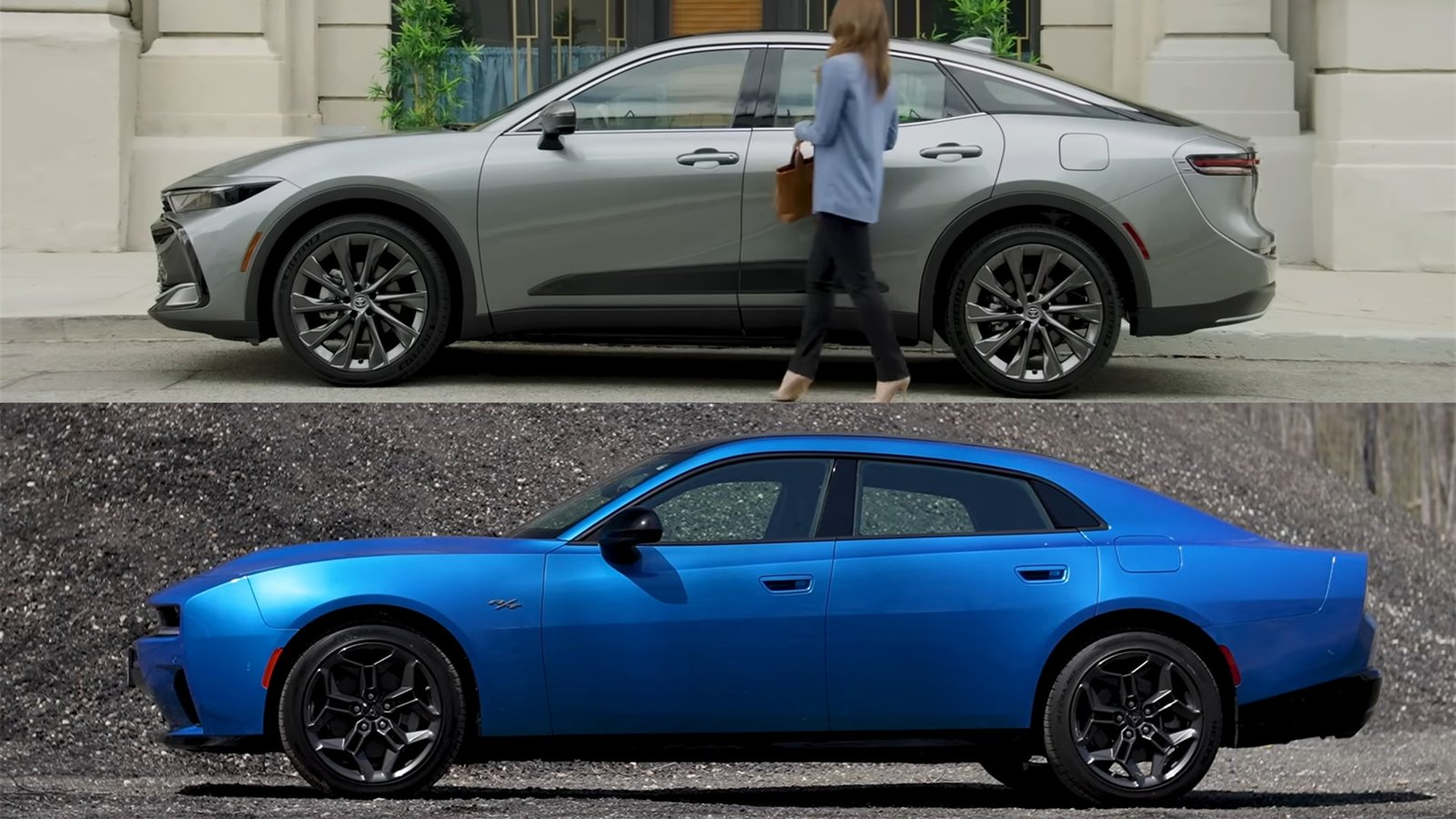
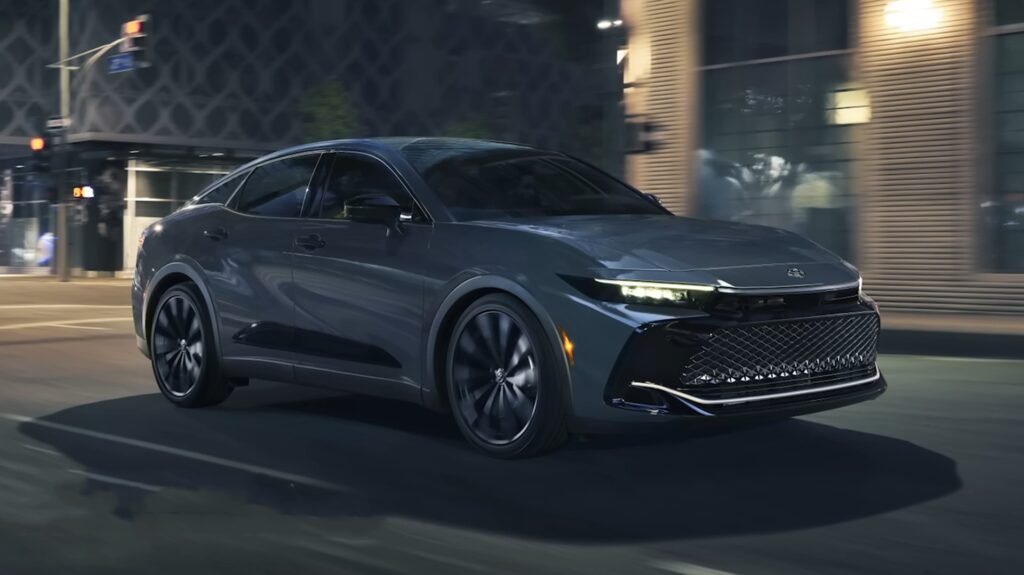
Here we list the top 2 mainstream contenders with enough data for meaningful evaluation: the 2026 Toyota Crown and the 2026 Dodge Charger. The Crown earns the higher expert score thanks to its blend of efficiency, ride quality, and distinctive style. The Charger brings muscle-car energy and surprising practicality through its liftback design.
Here is a clear, data-driven breakdown to help you decide which (if either) belongs in your driveway.
What Are Large Sedans?
Large sedans are full-size four-door vehicles that prioritize rear-seat comfort, generous trunk space, and a smooth, quiet ride. They are designed for buyers who want more interior room than a midsize sedan without moving to an SUV. These models typically offer excellent highway comfort, strong standard features, and a more car-like driving experience compared to truck-based large SUVs.
Key Characteristics of Large Sedans
| Aspect | Description | Typical Specification |
|---|---|---|
| Body Style | Traditional sedan or fastback/hatchback design | Four-door layout |
| Seating | Spacious rear seats with generous legroom and headroom | 5 seats (excellent rear space) |
| Cargo Space | Large trunk or hatch area, ideal for luggage and bulky items | 350 – 650+ liters |
| Ride Quality | Focus on comfort and refinement over sporty handling | Soft, isolated ride |
| Dimensions | Larger overall footprint than midsize sedans | Length: 4,900 – 5,100 mm |
| Fuel Economy | Varies significantly; hybrids offer strong efficiency | 19 – 41 mpg |
| Best For | Highway cruising, rear passengers, and long-distance comfort | Buyers who want space without an SUV |
Current Expert Standings for Large Sedans
| Rank | Model | Xcar Rating | Key Strengths | Main Drawbacks | Starting MSRP | Combined MPG |
|---|---|---|---|---|---|---|
| 1 | 2026 Toyota Crown | 7.1/10 | Ride comfort, fuel economy, quiet cabin, bold design | Base engine modest when loaded, higher price than expected | $41,440 | 30–41 |
| 2 | 2026 Dodge Charger | 6.2/10 | Strong acceleration, massive hatch cargo, versatile “one-car” utility | Firmer ride, some cheap interior materials, lower efficiency | $51,995 | 19–20 |
Ratings reflect comprehensive testing across performance, comfort, cargo, value, efficiency, and features. The segment remains thin, with limited direct rivals in the mainstream space.
What Makes a Large Sedan Different in 2026
Large sedans sit above midsize models in overall footprint and rear passenger space while staying lower and more car-like than most SUVs. They prioritize long-distance comfort and a smooth, isolated ride over outright sportiness or off-road capability.
Large Sedan vs Midsize Sedan vs Typical Midsize SUV
| Category | Large Sedan (Crown / Charger) | Midsize Sedan (e.g. Camry) | Midsize SUV (e.g. typical crossover) | Winner for Most Buyers |
|---|---|---|---|---|
| Rear Legroom | 940–1,080 mm | 920–1,000 mm | 950–1,050 mm | Large Sedan |
| Cargo (seats up) | 430–650 L | 400–450 L | 800–1,200 L | SUV (volume) |
| Highway Refinement | Excellent isolation | Very good | Good but more wind/road noise | Large Sedan |
| Fuel Economy | 19–41 mpg | 28–52 mpg (hybrids) | 22–35 mpg | Crown (hybrid) |
| Driving Feel | Car-like, lower center of gravity | Agile | Higher, more truck-like | Large Sedan |
| All-Weather Grip | Strong AWD available | FWD or AWD | Often AWD standard | Tie |
| Price Range | $41k–$67k | $28k–$38k | $35k–$55k | Midsize Sedan |
Large sedans win when rear passengers and highway comfort are priorities and you do not need maximum cargo volume or ground clearance.
2026 Toyota Crown – The Efficiency and Comfort Leader
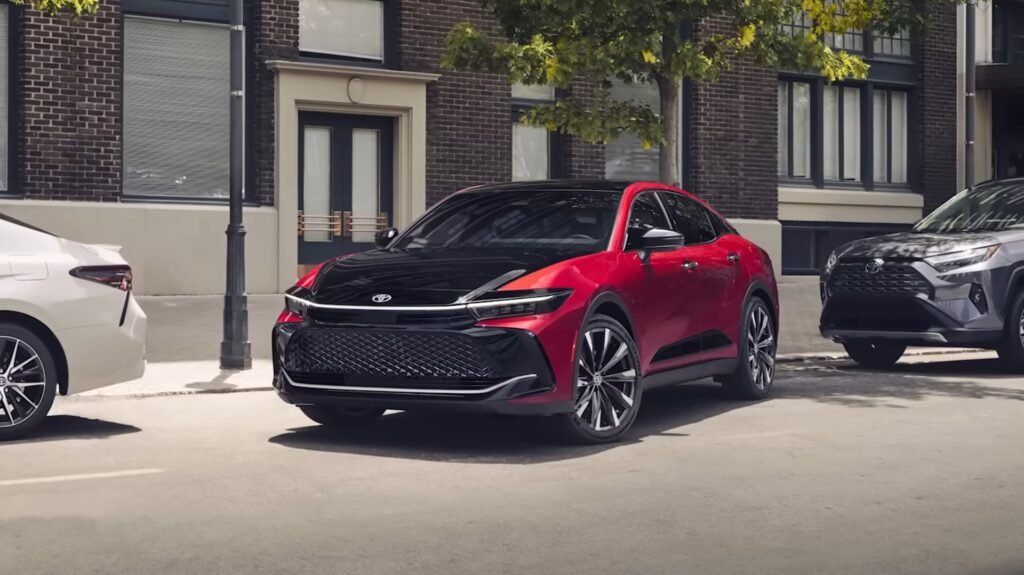
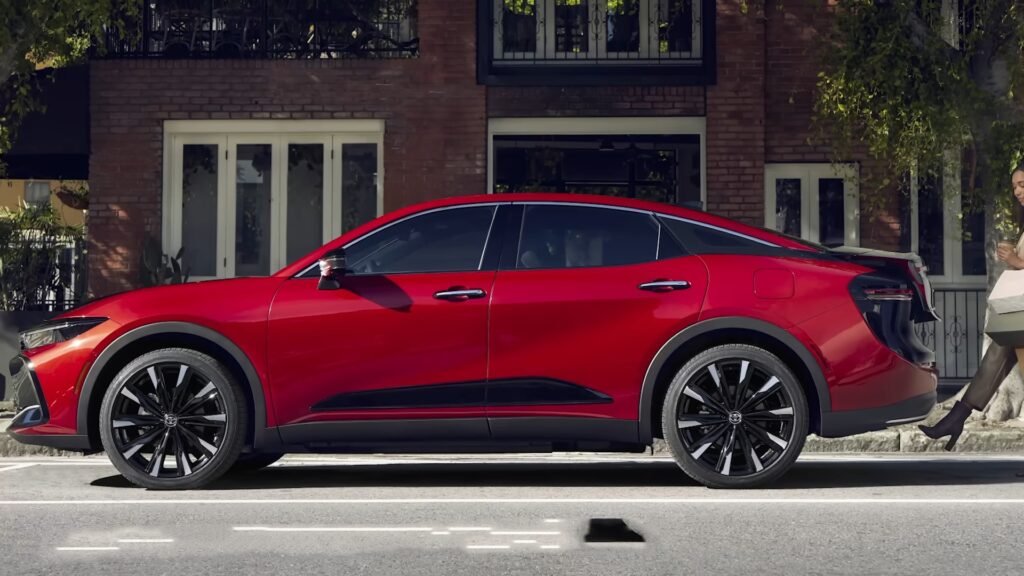
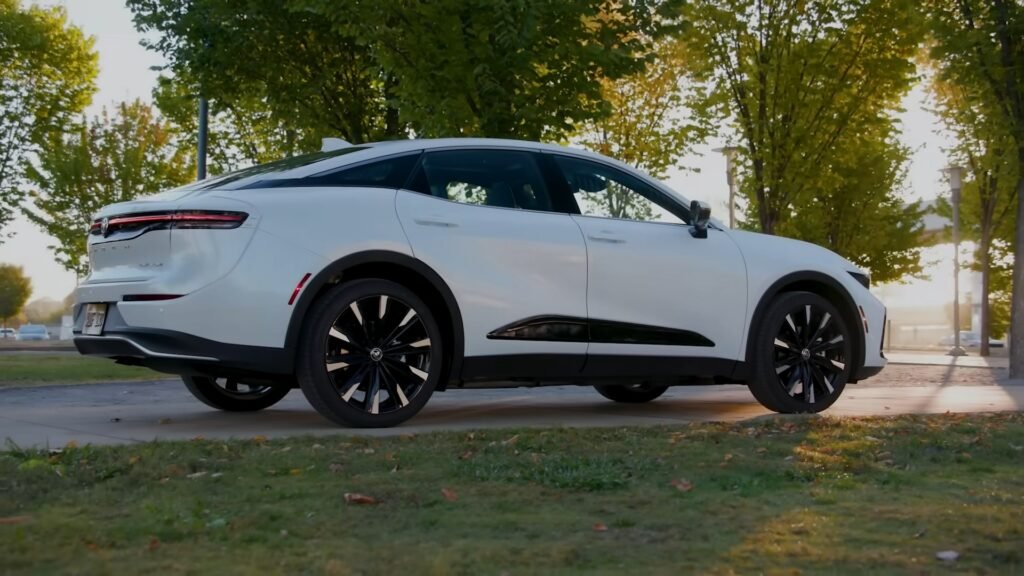
The Crown revived Toyota’s large-sedan presence after the Avalon’s departure. It offers a raised stance for easier entry/exit and standard all-wheel drive, yet keeps a lower roofline and more car-like dynamics than a true crossover.

2026 Toyota Crown Powertrain & Efficiency
| Trim | Powertrain | Total Output | 0–60 mph (approx.) | EPA MPG (City/Hwy/Combined) | Real-World Notes | Starting Price |
|---|---|---|---|---|---|---|
| XLE / Limited / Nightshade | 2.5L I4 hybrid + AWD | 236 hp | 7.1 sec | 42 / 41 / 41 | Often 38–43 mpg mixed; highway frequently beats EPA | $41,440 |
| Platinum | 2.4L turbo I4 hybrid (Hybrid MAX) + AWD | 340 hp | 5.1–5.7 sec | 29 / 32 / 30 | Real-world ~27–32 mpg; more responsive but thirstier | $54,990 |
Crown Pros & Cons
| Pros | Cons |
|---|---|
| Outstanding ride comfort and cabin quietness | Base engine feels adequate rather than exciting when fully loaded |
| Class-best fuel economy on non-Platinum trims | Platinum loses much of the efficiency advantage |
| Standard AWD with good all-weather confidence | Trunk space modest at 15.2 cu ft |
| Upscale interior materials and features | Some buyers find the price high for a Toyota |
| Strong predicted reliability and resale | Rear headroom can feel tight for taller adults |
From Xcarspace’s perspective, the Crown represents one of the smartest ways to get near-luxury comfort and hybrid efficiency without stepping into Lexus territory. For high-mileage highway drivers, the base hybrid’s real-world fuel savings can easily offset the higher purchase price within a few years.
2026 Dodge Charger – The Performance Utility Player
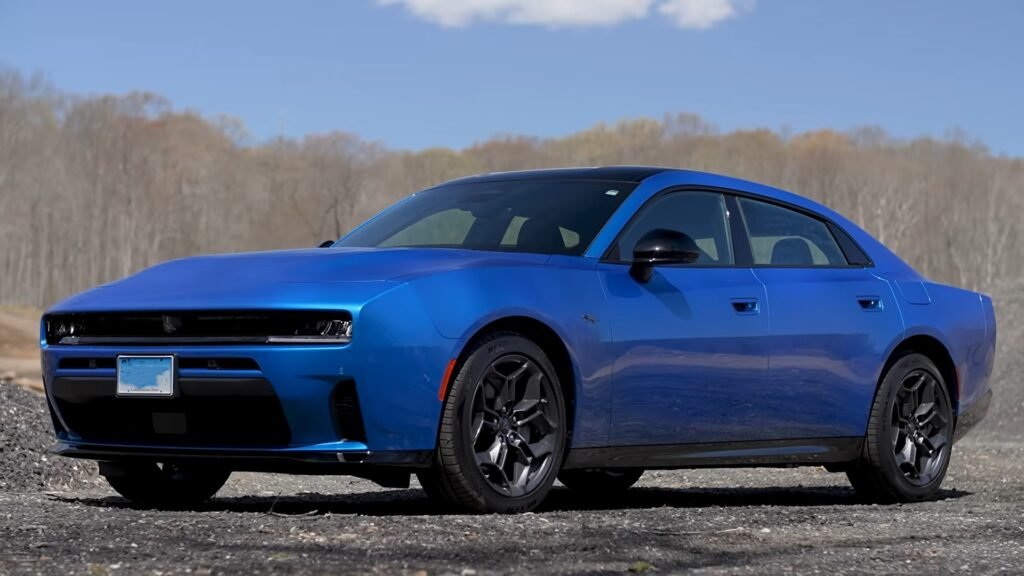
The all-new Charger (redesigned for the 2025–2026 model years) brings American muscle back to the large-sedan space in a thoroughly modern package. It offers both two- and four-door configurations, but the four-door sedan with its liftback rear opening delivers genuine practicality that traditional sedans lack.

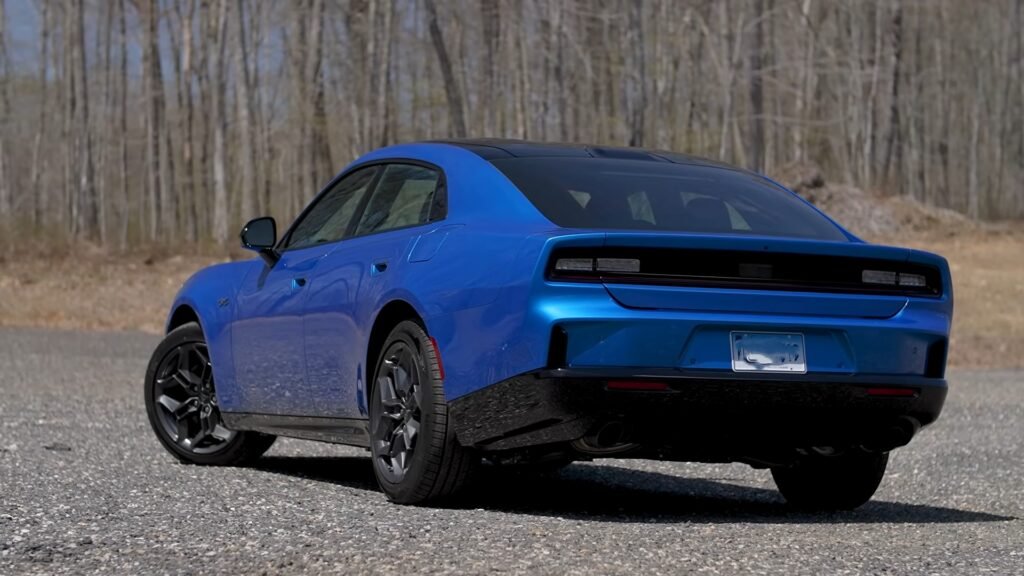
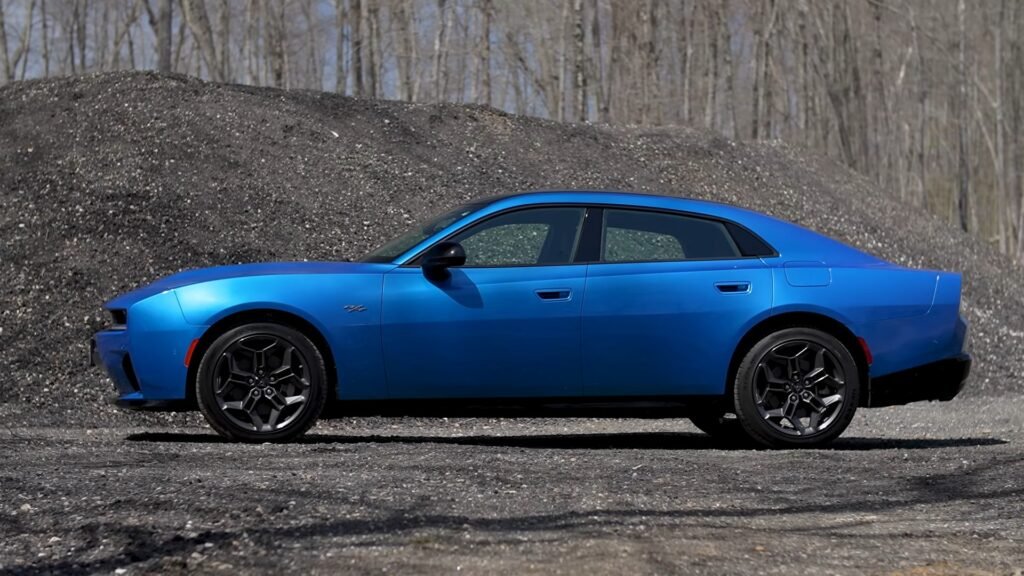
2026 Dodge Charger Powertrain & Performance
| Trim / Engine | Output | Torque | 0–60 mph | EPA MPG (City/Hwy/Combined) | Cargo (seats up / folded) | Starting Price (4-door) |
|---|---|---|---|---|---|---|
| R/T – 3.0L twin-turbo I6 | 420 hp | 468 lb-ft | ~4.6 sec | 17 / 26 / 20 | 22.8 / 37.4+ cu ft | ~$53,990 |
| Scat Pack – 3.0L twin-turbo I6 (HO) | 550 hp | 531 lb-ft | ~3.9 sec | 16 / 23 / 19 | 22.8 / 37.4+ cu ft | ~$58,990 |
Charger Pros & Cons
| Pros | Cons |
|---|---|
| Strong acceleration and engaging character | Firmer ride than traditional large sedans |
| Excellent cargo versatility thanks to hatchback design | Some interior materials feel cheap for the price |
| Standard AWD with selectable rear-drive mode for fun | Significantly higher fuel consumption |
| Modern tech and strong safety suite | New model means long-term reliability data is still emerging |
| Surprisingly practical “one-car garage” solution | Premium fuel required on higher-output versions |
The Charger’s liftback transforms it from a pure performance sedan into something closer to a practical muscle wagon. For buyers who want real speed plus the ability to swallow weekend luggage, sports gear, or even flat-pack furniture, it offers utility no traditional large sedan can match.
Head-to-Head: Crown vs Charger – Which Fits Your Life?
| Decision Factor | Toyota Crown Winner? | Dodge Charger Winner? | Why It Matters |
|---|---|---|---|
| Fuel Costs (15k miles/year @ $3.50/gal) | Yes (~$1,280/yr base) | No (~$2,625/yr R/T) | Big long-term savings with Crown |
| Rear Passenger Comfort | Yes | Close | Both excellent; Crown slightly plusher ride |
| Cargo Practicality | No | Yes (hatch advantage) | Charger wins for real-world hauling |
| Acceleration & Fun | No | Yes | Charger transforms into a performance machine |
| All-Weather Confidence | Tie (standard AWD) | Tie | Both capable |
| Predicted Reliability | Yes | Still early | Toyota’s track record is stronger |
| Resale Value | Yes | Good but lower | Toyota hybrids hold value well |
| Starting Price | Yes | No | Crown undercuts by ~$10k–$12k |
| Overall Expert Score | Yes (7.1 vs 6.2) | — | Crown currently rated higher |
Pros & Cons Summary
| Model | Pros | Cons |
|---|---|---|
| 2026 Toyota Crown | • Excellent ride comfort and refinement • Strong fuel economy (especially hybrid) • Spacious and quiet cabin • Bold, modern styling that stands out • Good standard features and technology • Comfortable for long highway trips | • Base engine can feel underpowered when fully loaded • Higher price than some traditional large sedans • Trunk space is smaller than the Dodge Charger • Some interior materials feel average for the price |
| 2026 Dodge Charger | • Strong acceleration from the turbo inline-6 • Very practical hatchback design with massive cargo space • Standard all-wheel drive improves traction • Unique muscle-car character in sedan form • Good for buyers who want performance and utility | • Ride quality is firmer than most large sedans • Interior materials feel cheap in some areas • Lower fuel economy compared to the Toyota Crown • Technology interface is not as polished as rivals • Limited rear visibility due to design |
Which Large Sedan Should You Choose in 2026–2027?
| If Your Priority Is… | Recommended Model | Reason |
|---|---|---|
| Maximum fuel savings + relaxed highway cruising | Toyota Crown (base hybrid) | 40+ mpg real-world potential and serene ride |
| Strong performance without sacrificing too much practicality | Dodge Charger R/T | 420 hp, AWD, and massive hatch in one package |
| Maximum excitement and weekend utility | Dodge Charger Scat Pack | 550 hp with genuine cargo versatility |
| Best long-term ownership costs and reliability | Toyota Crown | Proven hybrid durability + strong resale |
| Something that stands out from the SUV crowd | Either (Crown for style, Charger for presence) | Both have distinctive, non-crossover looks |
| Frequently carry passengers + bulky items | Dodge Charger | Liftback design changes the practicality equation |
The Bigger Picture: Large Sedans in an SUV World
The large-sedan segment is small because SUVs solve more problems for most families. Yet the Crown and Charger each solve different problems better than a typical crossover. The Crown delivers Lexus-like refinement and hybrid efficiency at a more accessible price. The Charger revives the fun-to-drive American sedan with modern tech and genuine utility via its hatch.
From Xcarspace’s viewpoint, these two vehicles highlight a healthy tension in the market: one side pushing efficiency and refinement, the other preserving driver engagement and versatility. As Chinese EV exports continue to reshape value expectations globally, buyers considering a large sedan should weigh real-world fuel and maintenance costs carefully. The Crown’s hybrid advantage is substantial for high-mileage drivers; the Charger’s performance and cargo edge makes sense when driving enjoyment and occasional hauling matter more than cents per mile.
Frequently Asked Questions
| Question | Answer |
|---|---|
| Are there any other mainstream large sedans worth considering in 2026? | Not really. The segment is extremely thin. Most alternatives sit in luxury or performance niches at significantly higher prices. |
| Does the Dodge Charger really have a hatchback? | Yes. The redesigned model uses a liftback rear opening that dramatically increases cargo versatility compared with traditional sedans. |
| How does real-world fuel economy compare? | Crown base hybrid often matches or beats its 41 mpg EPA rating in mixed driving. Charger R/T typically lands in the high teens combined; Scat Pack is lower still. |
| Which has better long-term reliability? | Toyota’s hybrid powertrain has a decades-long track record. The new Charger’s Hurricane inline-six is promising but unproven over high mileage. |
| Can either tow? | Limited capability at best. These are passenger cars, not trucks. Check specific tongue-weight ratings if occasional towing is required. |
| Is the Crown’s higher ride height noticeable? | It gives easier entry/exit and a bit more confidence in light snow or rough roads without feeling like an SUV. |
| Should I wait for 2027 models? | Changes are expected to be minor. Buying a well-equipped 2026 example now may offer better incentives as dealers clear inventory. |
| Which offers better value? | The Crown for most buyers due to lower purchase price, superior efficiency, and stronger predicted resale. The Charger delivers better value only if you actively want the performance and cargo it provides. |
Reference
Thank you for reading, Sincere Xcarspace.