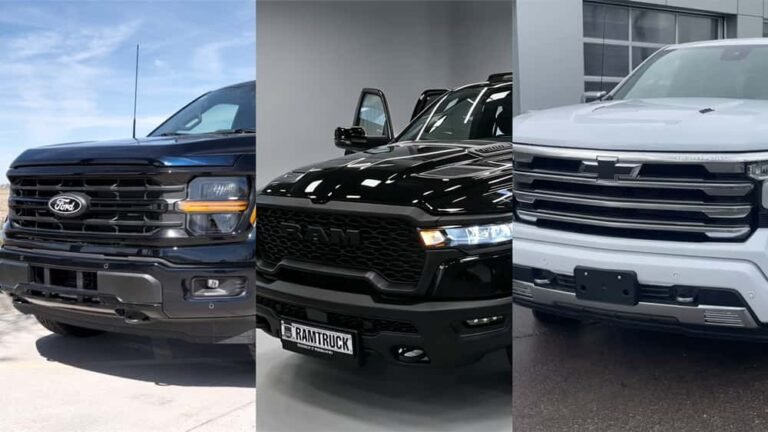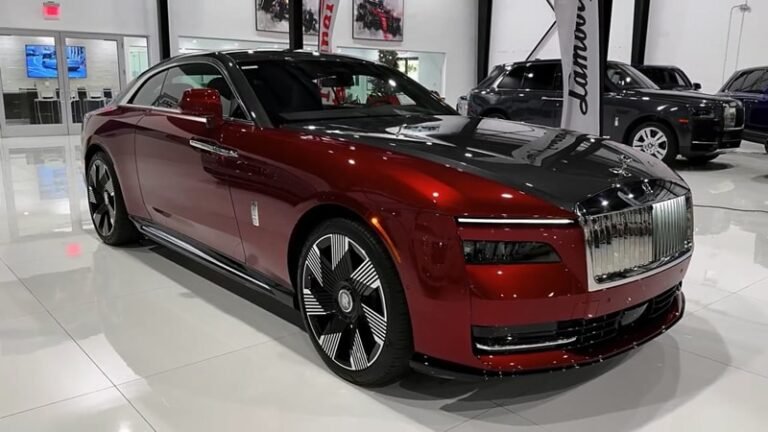
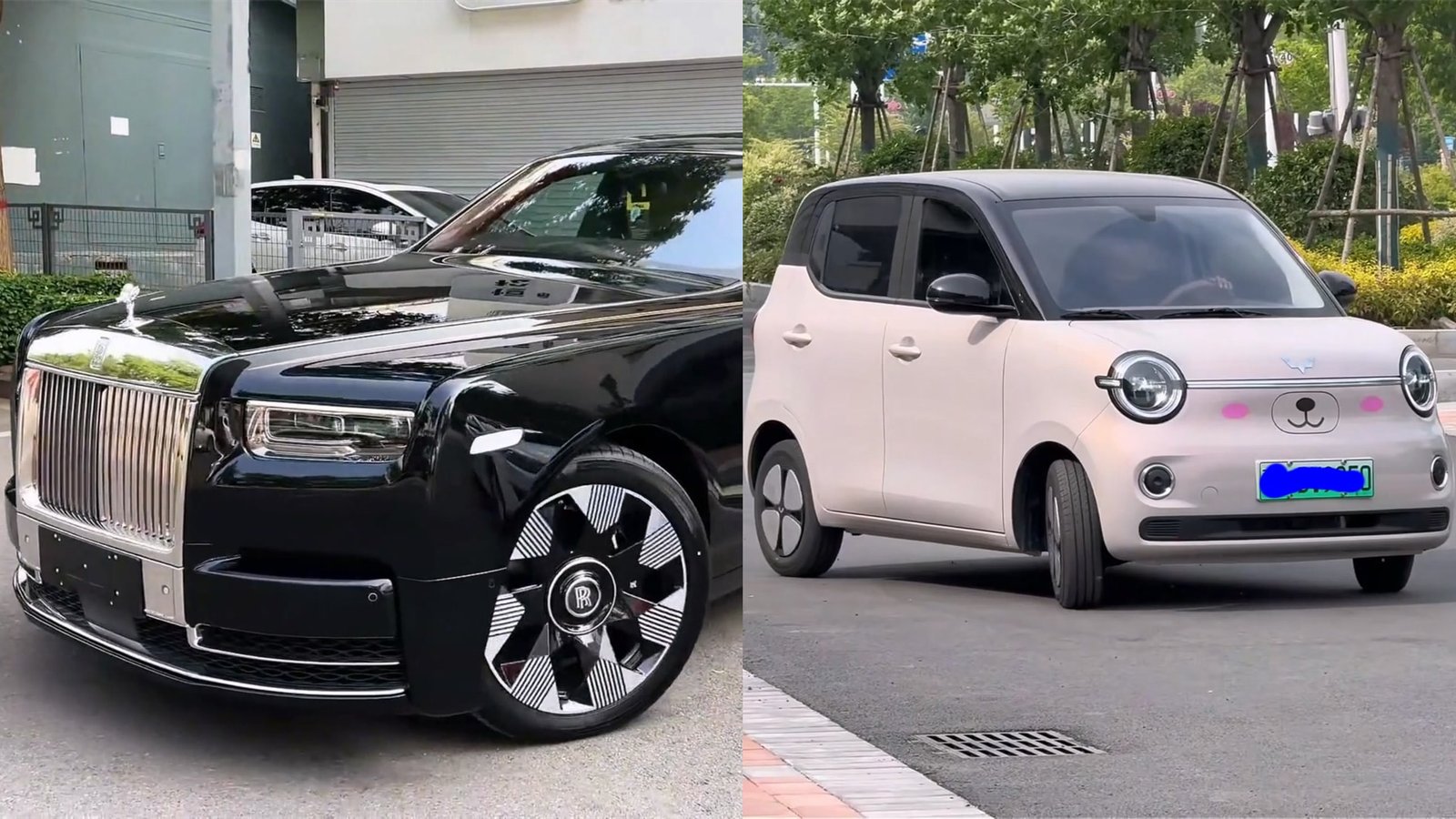
A sudden $1.4 million windfall forces an unusual choice. One path leads to a single, meticulously hand-built Rolls-Royce Phantom loaded with bespoke options. The other leads to approximately 300 Wuling Hongguang Mini EVs at prevailing Chinese market pricing.
Both answers satisfy the literal requirement of spending the money on cars. Only one aligns with the daily realities of urban movement, capital preservation and operational flexibility. This analysis examines the question across technical specifications, five-year ownership economics, real-world city performance, risk profiles, cultural signaling, environmental considerations and strategic deployment of a fleet.
1. Acquisition Reality: What $1.4 Million Actually Purchases
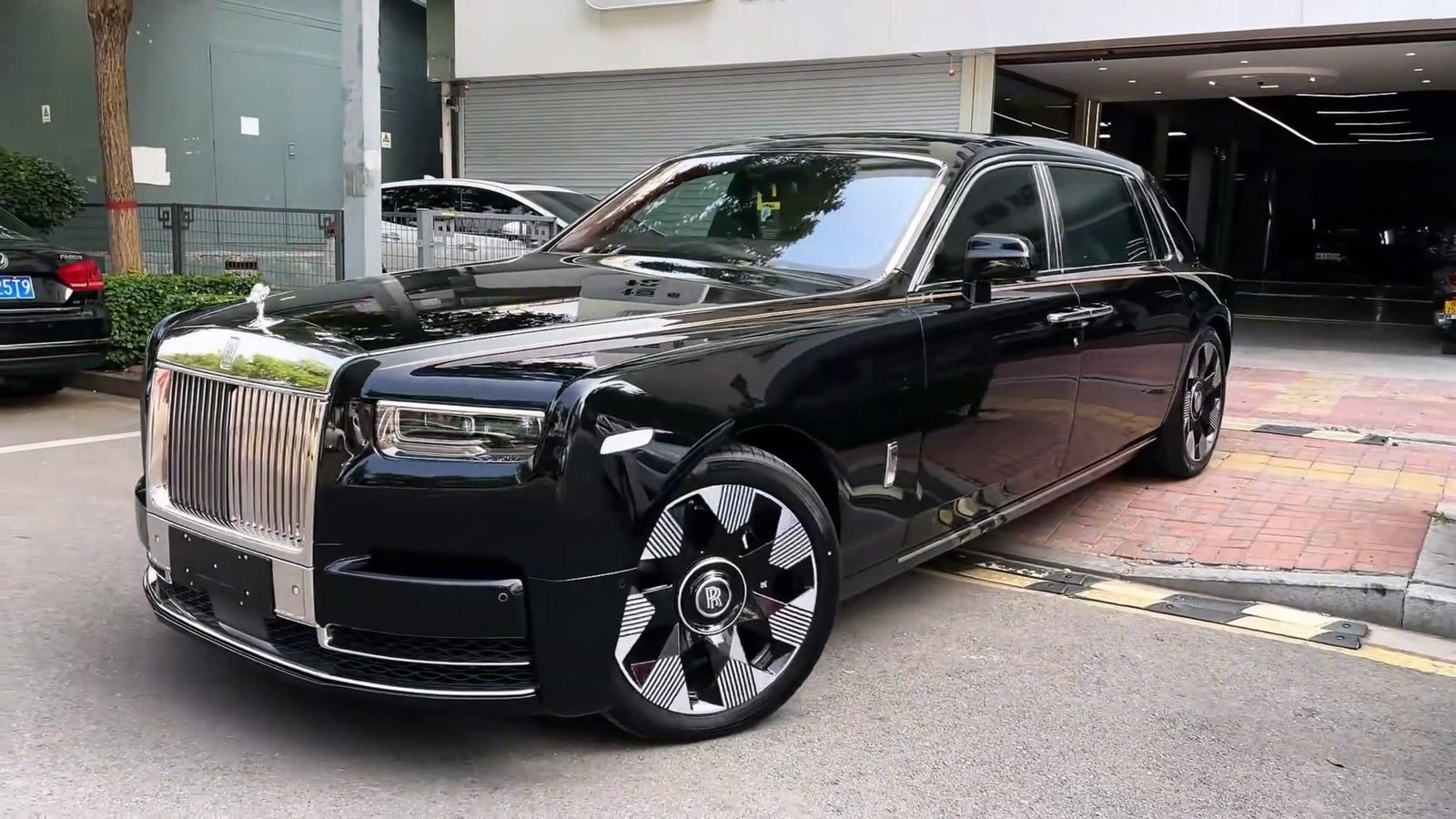
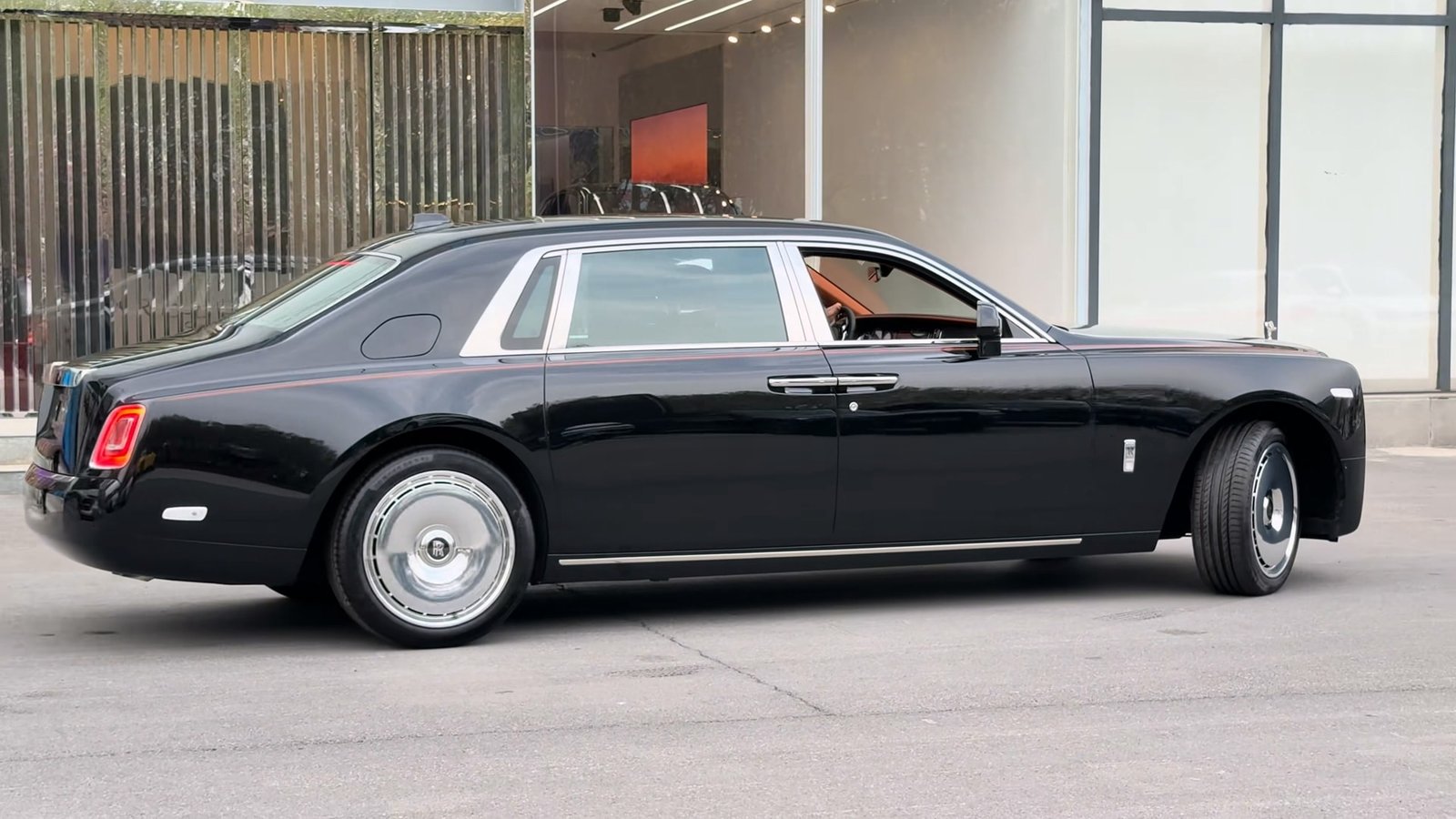
A top-spec Phantom with extensive customization, extended wheelbase, Starlight headliner, premium audio, unique paint and interior schemes, plus taxes, delivery and potential market premiums in certain regions, can reach or exceed seven figures. The figure of $1.4 million therefore functions as a realistic upper-bound benchmark for a fully realized example rather than pure fantasy.
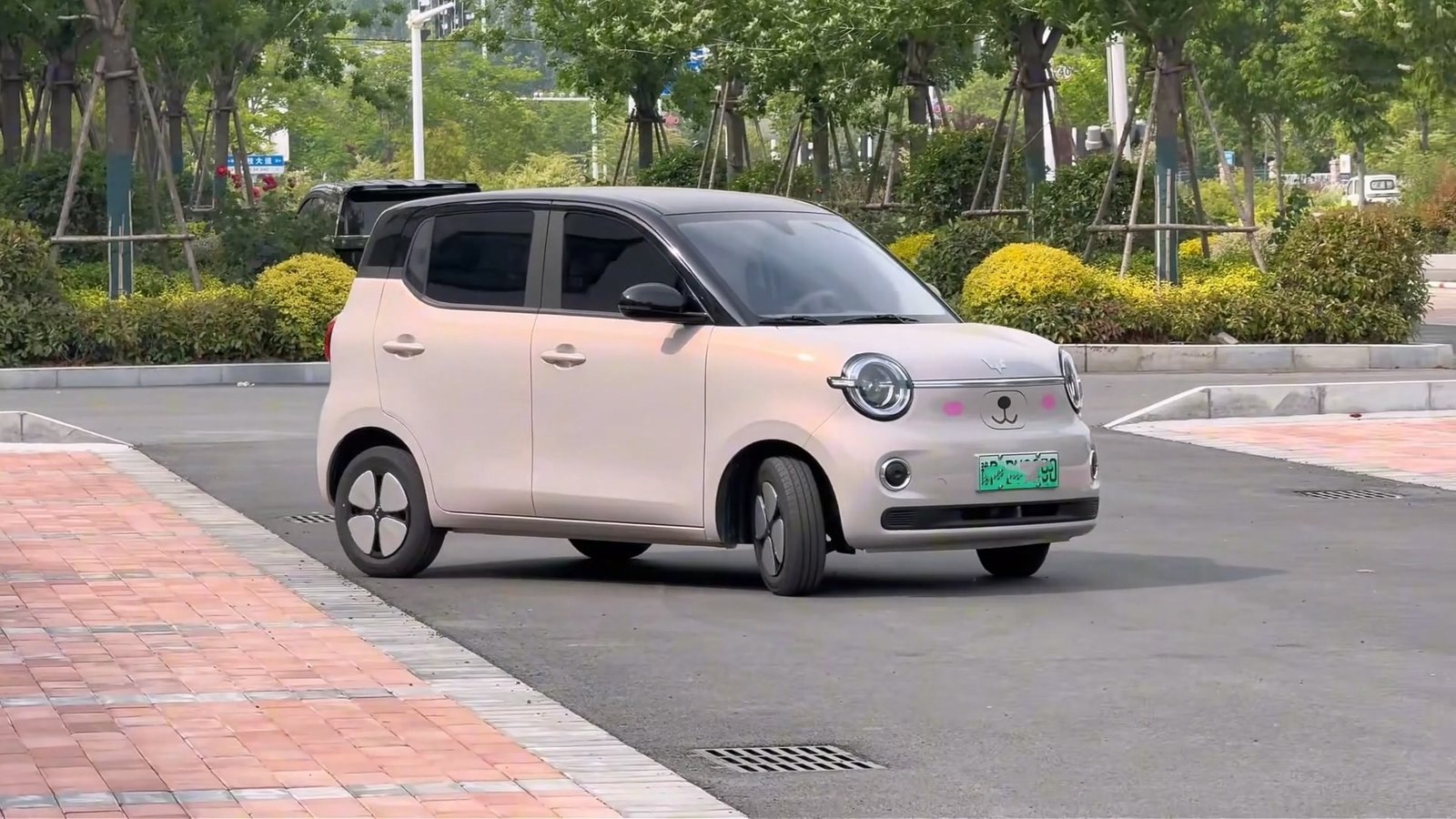
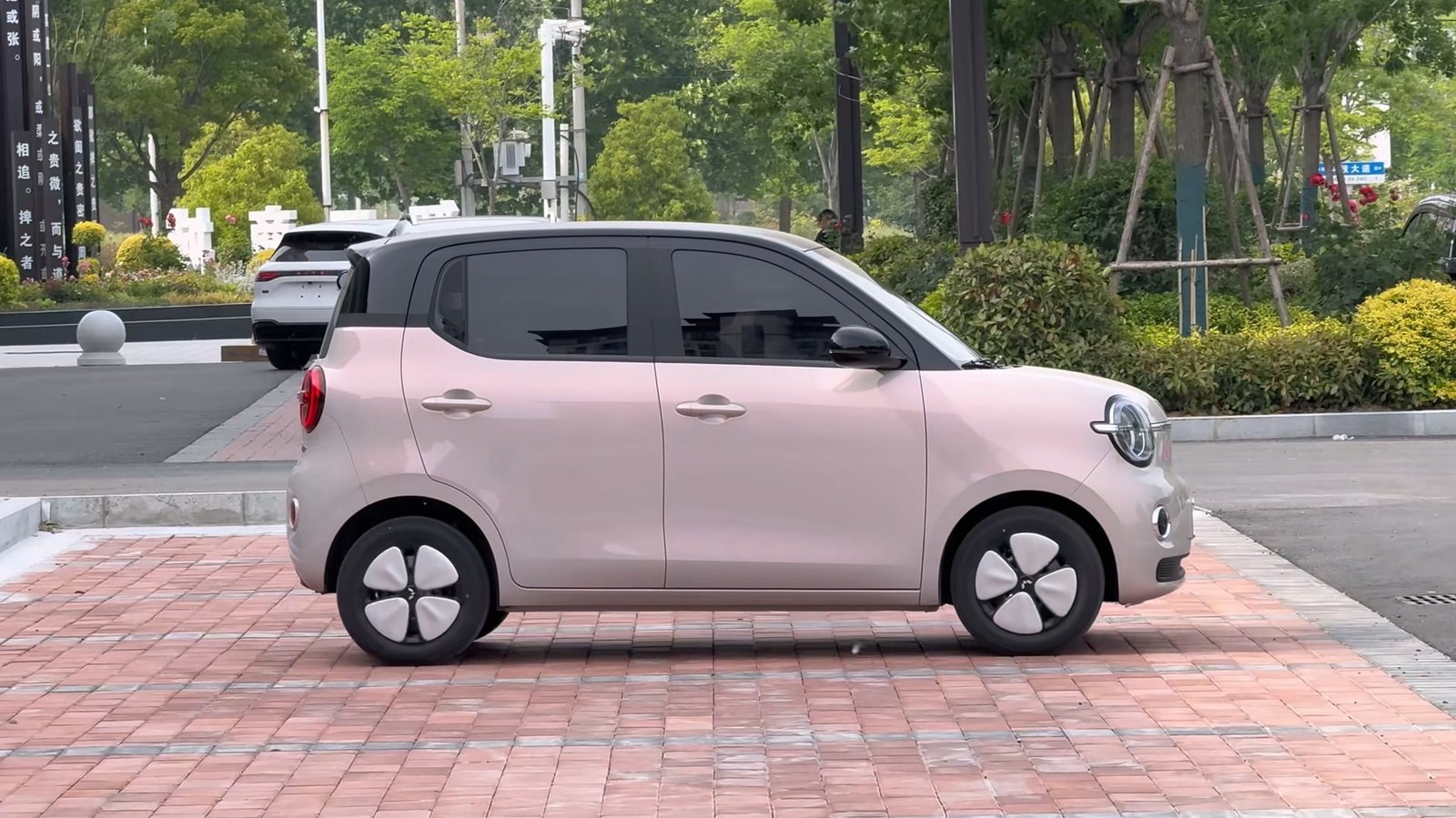
By contrast, current 2025–2026 Wuling Hongguang Mini EV variants (205 km and 301 km CLTC versions) transact in China between roughly $5,100 and $7,800 depending on battery and equipment level. At an average realized price near $5,500–$5,800 after negotiation or volume considerations, $1.4 million clears approximately 240–275 units; reaching closer to 300 units is feasible through used or lightly equipped inventory, fleet packages or modest market softening. The arithmetic is therefore directionally sound for the thought experiment.
Table 1: Capital Deployment Comparison
| Scenario | Number of Vehicles | Average Unit Cost (approx.) | Primary Character | Residual Flexibility |
|---|---|---|---|---|
| Loaded Rolls-Royce Phantom | 1 | $1.4 million | Singular statement asset | Low |
| Wuling Hongguang Mini EV fleet | ~250–300 | $4,700–$5,800 | Distributed mobility system | High |
2. Technical and Dimensional Specifications
Table 2: Core Engineering Specifications (2025–2026 Models)
| Attribute | Rolls-Royce Phantom | Wuling Hongguang Mini EV | Operational Implication |
|---|---|---|---|
| Overall Length | 5.77–6.0 m | 3.26 m | Mini fits spaces Phantom cannot approach |
| Wheelbase | 3.55–3.77 m | 2.19 m | Mini turns in tighter radii |
| Kerb-to-Kerb Turning Radius | Approximately 6.9–7.2 m | 4.2–4.5 m | Mini excels in alleys and U-turns |
| Curb Weight | 2,560–2,830 kg | 780–845 kg | Mini reduces tire/brake wear dramatically |
| Powertrain | 6.7 L twin-turbo V12, ~563 hp | Single rear motor, 30 kW (~40 hp) | Different use-case optimization |
| Top Speed | 250 km/h | 100–101 km/h | Phantom for unrestricted highways only |
| City Energy Consumption | 19–21 L/100 km premium gasoline | 8.9–9.2 kWh/100 km | Mini energy cost ~8–10 % of Phantom |
| Typical Seating & Practicality | 4–5 adults, large trunk | 4 adults, 123–745 L flexible cargo | Mini prioritizes dense urban utility |
3. Five-Year Total Cost of Ownership Projection
Assumptions: 15,000 km (9,300 miles) annual mixed but predominantly urban driving; U.S./European average premium fuel at $1.45–$1.60 per liter; residential electricity at $0.14–$0.18 per kWh; conservative insurance and service estimates. Figures are illustrative ranges.
Table 3: Five-Year Ownership Cost Summary (Single Vehicle Basis)
| Cost Category | Rolls-Royce Phantom (5 years) | Wuling Mini EV (5 years, per car) | Fleet of 300 Mini EVs (5 years total) | Notes |
|---|---|---|---|---|
| Fuel / Electricity | $22,000–$28,000 | $900–$1,400 | $270k–$420k | Largest single gap |
| Maintenance, Tyres, Service | $18,000–$32,000 | $1,500–$2,500 | $450k–$750k | Phantom requires specialist network |
| Insurance | $45,000–$75,000 | $2,000–$3,500 | $600k–$1.05M | Specialist policies for Phantom |
| Depreciation (est. residual) | 45–60 % loss | 35–50 % loss (utility value) | Similar % but distributed | Fleet retains operational value longer |
| Total 5-Year Cash Outflow | $120k–$180k+ | $5,500–$9,000 | $1.65M–$2.7M | Per-car Mini cost dramatically lower |
Even at full fleet scale the aggregate running cost remains manageable relative to the capital deployed, while the single Phantom creates continuous high fixed costs.
4. Urban Mobility Performance Matrix
Table 4: Typical 8km Morning Commute in Dense Traffic (Qualitative + Quantitative)
| Factor | Rolls-Royce Phantom | Wuling Hongguang Mini EV | Winner & Margin |
|---|---|---|---|
| Average Time in Heavy Traffic | 28–35 minutes | 18–24 minutes | Mini (25–35 % faster) |
| Parking Search & Maneuver | Often requires valet or multiple attempts | Fits standard or sub-standard bays instantly | Mini (near total) |
| Stress / Cognitive Load | High (scratch anxiety, bulk awareness) | Low (nimble, low consequence contact) | Mini |
| Ability to Use Narrow Lanes | None | Frequent where regulations permit | Mini |
| Risk of Minor Body Damage | Very high financial consequence | Low financial consequence | Mini |
5. Safety, Reliability and Real Ownership Experience
Table 5: Safety, Maintenance, and Daily Usability Factors
| Dimension | Rolls-Royce Phantom | Wuling Hongguang Mini EV | Commentary |
|---|---|---|---|
| Passive Safety Equipment | Multiple airbags, advanced driver aids | Dual airbags, ESC, basic ADAS in recent trims | Phantom higher specification |
| Real-World Crash Exposure | Lower due to mass and size | Higher theoretical risk but lower speeds in intended use | Context matters |
| Service Network | Limited to authorized centers globally | Extremely widespread in China and growing export markets | Mini far more convenient day-to-day |
| Parts & Labor Cost | Very high | Very low | Mini advantage |
| Reliability Reputation (2026) | Excellent when serviced | Strong in high-volume urban fleets | Both capable in their domains |
| “Scratch Anxiety” | Extreme | Minimal | Major quality-of-life difference |
6. The Fleet System Effect: 300 Vehicles as Strategic Asset
A single Phantom is a consumption choice. Three hundred Mini EVs constitute a distributed system with optionality.
Table 6: Potential Fleet Deployment Scenarios and Value Creation
| Use Case | Description | Revenue / Utility Potential | Risk Profile |
|---|---|---|---|
| Personal / Family Rotation | Different color or spec for different days | High lifestyle flexibility | Low |
| Private Micro-Mobility Service | Campus, hotel, corporate or tourist short rental | $8–$15 per day per unit possible in dense areas | Medium |
| Export & Re-Sale Inventory | Hold or distribute through channels | Margin on volume + logistics | Medium |
| Branded Visibility / Marketing | Rolling billboard effect in city | Brand awareness difficult to quantify | Low |
| Redundancy & Resilience | Multiple vehicles available if one needs service | Near-zero downtime for user | Very low |
7. Broader Perspectives: Culture, Environment and Capital Allocation
Table 7: Multi-Dimensional Evaluation Matrix
| Perspective | Phantom Advantage | Mini EV / Fleet Advantage | Net Insight |
|---|---|---|---|
| Status & Social Signaling | Highest tier global recognition | Functional, approachable, occasionally viral in groups | Phantom wins pure prestige |
| Environmental (Tailpipe) | High emissions per km | Zero tailpipe | Fleet wins decisively |
| Manufacturing Footprint | Lower per vehicle | Higher total for 300 units | Phantom better on absolute manufacturing CO₂ |
| Cultural Fit (Dense Asia Cities) | Limited daily utility | Native to the environment | Mini strongly preferred |
| Cultural Fit (Western Luxury) | Aligns with established aspiration | Seen as quirky or entry-level | Phantom preferred |
| Capital Efficiency | Concentrated in one appreciating (or depreciating) asset | Distributed, operational, potentially income-generating | Fleet superior for most users |
| Future-Proofing (Autonomy/EV Trends) | Complex integration | Simple platform, easier to electrify further or autonomy retrofit | Mini more adaptable long-term |
8. Xcarspace Perspective and Weighted Decision Framework
At xcarspace, we track both the pinnacle of traditional luxury craftsmanship and the rapid evolution of Chinese micro-mobility solutions destined for global markets. The Phantom represents the apex of what a single vehicle can be in terms of material quality, silence and presence. The Mini EV represents the apex of what a vehicle can be when the design brief is “remove every possible barrier to daily urban movement.”
Table 8: Weighted Scorecard for Typical Urban Owner (100 = Maximum)
| Criterion (Weight) | Phantom Score | Mini EV Fleet Score (per user access) | Weighted Phantom | Weighted Mini |
|---|---|---|---|---|
| Daily Practicality (30 %) | 35 | 92 | 10.5 | 27.6 |
| Cost Efficiency (20 %) | 15 | 90 | 3.0 | 18.0 |
| Risk & Resilience (15 %) | 40 | 85 | 6.0 | 12.75 |
| Status & Emotional Reward (15 %) | 95 | 35 | 14.25 | 5.25 |
| Flexibility & Optionality (10 %) | 20 | 88 | 2.0 | 8.8 |
| Environmental & Social License (10 %) | 25 | 80 | 2.5 | 8.0 |
| Total Weighted Score | — | — | 38.25 | 80.4 |
The scoring reveals a decisive tilt toward the fleet model for any owner whose primary use case is real daily transportation rather than occasional ceremonial display.
9. Frequently Asked Questions
Table 9: Frequently Asked Questions
| Question | Detailed Answer |
|---|---|
| Is a Wuling Mini EV safe enough for regular family use? | Recent versions include electronic stability control, dual airbags and improved structural design. They are engineered for low-to-medium speed urban environments where the majority of serious accidents are avoided through reduced kinetic energy. Real-world fleet data from high-volume Asian markets shows favorable reliability and low serious incident rates when used as intended. |
| Can the Mini EV handle occasional highway trips? | It is capable up to its 100 km/h limit but becomes noisy and less efficient above 80 km/h. For regular long-distance travel the Phantom or a different vehicle remains preferable. The Mini EV is optimized for dense urban cycles rather than sustained high-speed cruising. |
| How does insurance and registration work for a 300-vehicle fleet? | Commercial fleet policies or grouped personal policies dramatically reduce per-unit cost compared with insuring a single high-value luxury car. In many jurisdictions small EVs also benefit from lower road tax, registration fees or congestion charge exemptions, further improving the economic case for volume ownership. |
| What happens to resale value after five years? | A well-maintained Phantom retains collector or enthusiast value but still depreciates substantially from its high starting point. Individual Mini EVs retain strong utility value and active used-market demand, especially in export channels. A large fleet offers volume disposal flexibility and reduces single-asset risk. |
| Could part of the $1.4 million be invested elsewhere while still acquiring cars? | Yes. A hybrid approach (one Phantom plus a smaller fleet, or a diversified investment portfolio plus 150–200 Minis) is entirely rational and often optimal. The binary framing simply highlights the extreme difference in marginal utility between concentrated luxury and distributed practical mobility. |
| Does the Phantom offer any irreplaceable experiential qualities? | Absolutely. The materials, silence, ride quality and sense of occasion are unmatched by any mass-market vehicle. These qualities are real but apply to a very small percentage of total driving hours for most owners. The question becomes whether those rare hours justify the continuous carrying cost. |
| How practical is it to own and manage 300 vehicles logistically? | Modern fleet management software, centralized maintenance contracts and third-party operators make large-scale small-vehicle fleets routine in many markets. Storage can be distributed across multiple sites, and the low individual value reduces security overhead compared with protecting a single ultra-luxury asset. |
Closing Perspective
The $1.4 million question is not ultimately about which car is “better.” It is about which allocation of capital better serves the owner’s actual pattern of life. For the overwhelming majority of urban driving — short trips, parking constraints, daily cost sensitivity and the need for low cognitive load — the distributed fleet of Wuling Hongguang Mini EVs delivers superior outcomes across nearly every measurable dimension except pure prestige signaling.
The Phantom remains a magnificent object and a legitimate expression of success. The 300 Mini EVs represent something different: freedom of movement scaled, friction removed and capital converted into operational resilience rather than concentrated consumption.
Thank you for reading.
References
- New Rolls-Royce Phantom
- Wuling Mini EV 2025 Cars 410km – Small Body More Space
- Top 10 Luxury Cars In The World! 2025
This analysis reflects current 2026 market pricing and real-world urban usage patterns. Actual costs vary by location, driving style, insurance market, and customization level.