May 2026 delivered a historic result. For the first time, no gasoline-powered passenger vehicle appeared in China’s May monthly top 10 retail sales rankings. Every model that moved serious volume ran on battery or extended-range electric power. The data reflects buyers choosing on real product merits: space, running costs, intelligence, and usable range.
May 2026 Top 10 Retail Sales Overview
| Rank | Model | Sales | MoM Change | Powertrain | Segment | Price Range (RMB) | Price Range (approx. USD) |
|---|---|---|---|---|---|---|---|
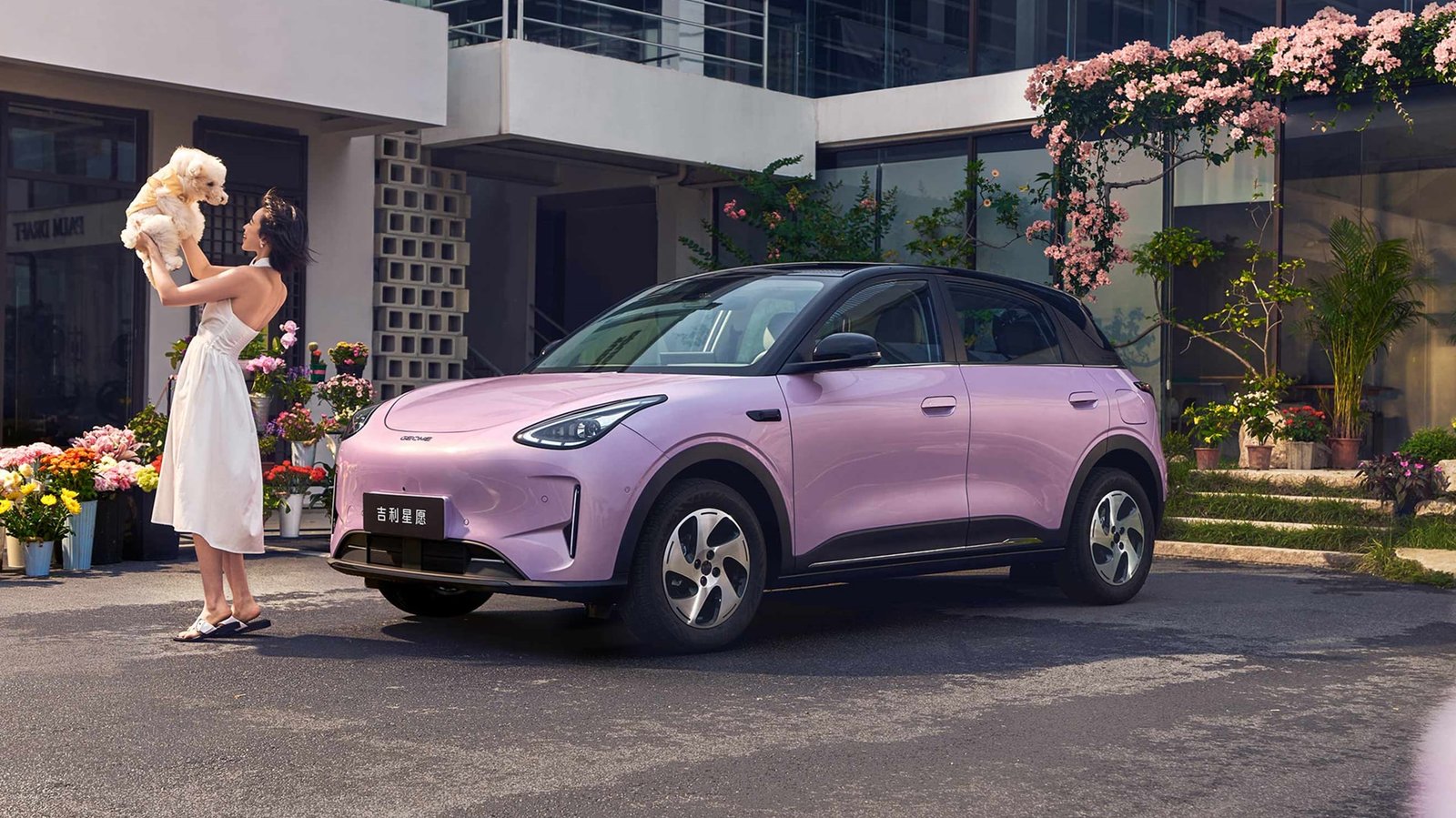
| Top 1 | Geely Xingyuan | 38,751 | +11.6% | BEV | Micro Compact EV | 61,800–91,800 | $8,640–$12,840 |
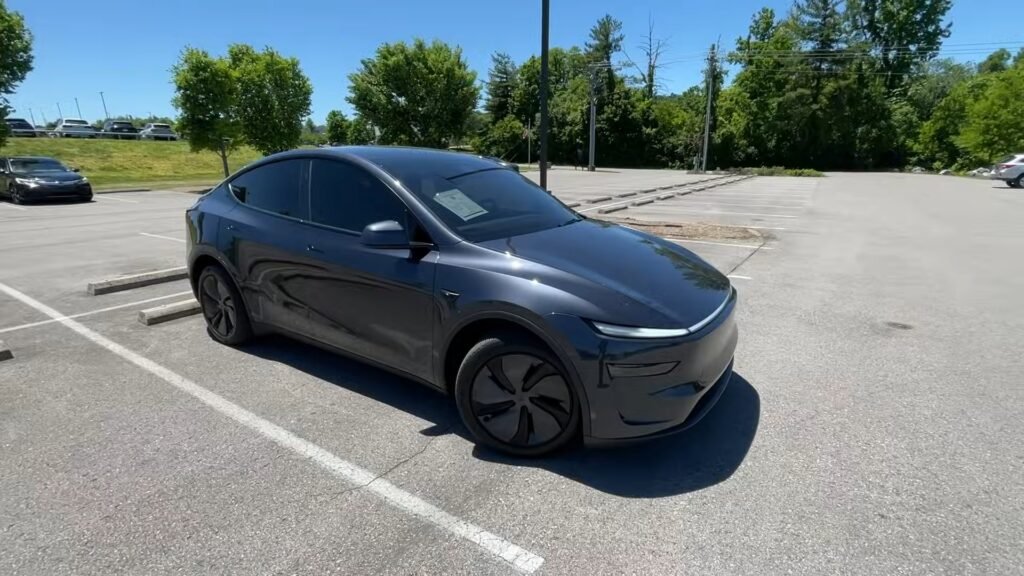
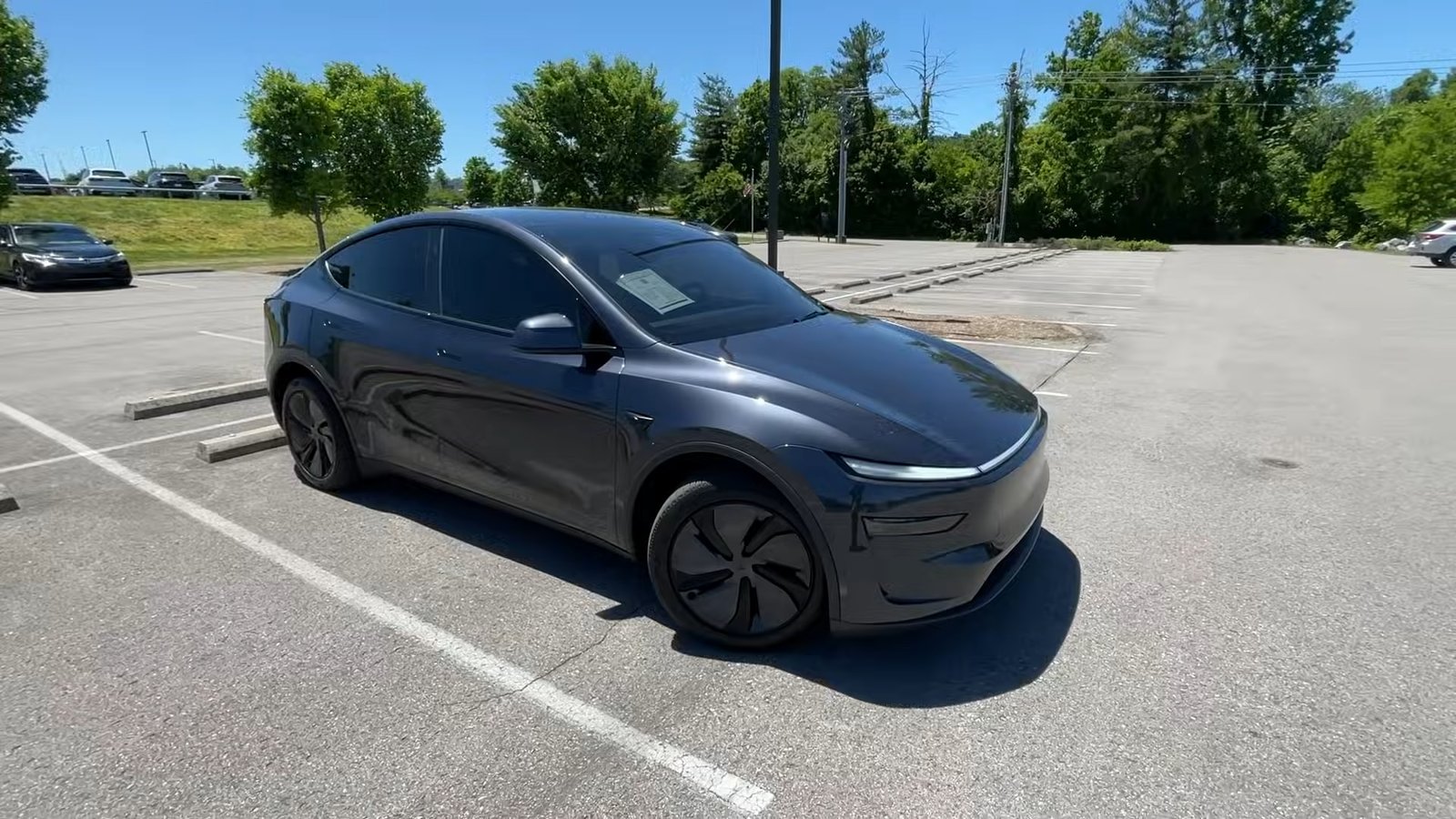
| Top 2 | Tesla Model Y | 28,911 | +25.8% | BEV | Compact SUV | 263,500–313,500 | $36,850–$43,850 |
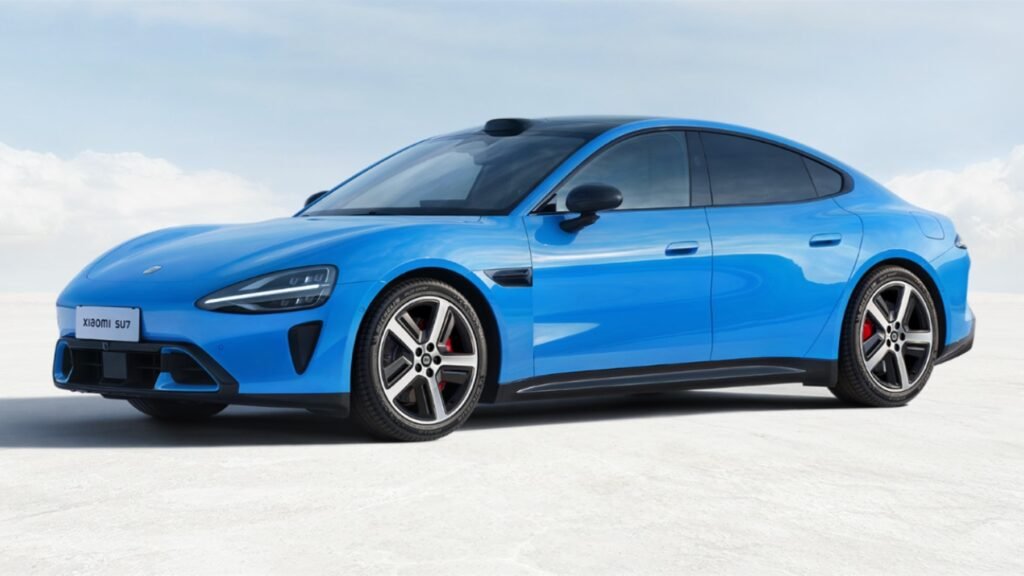
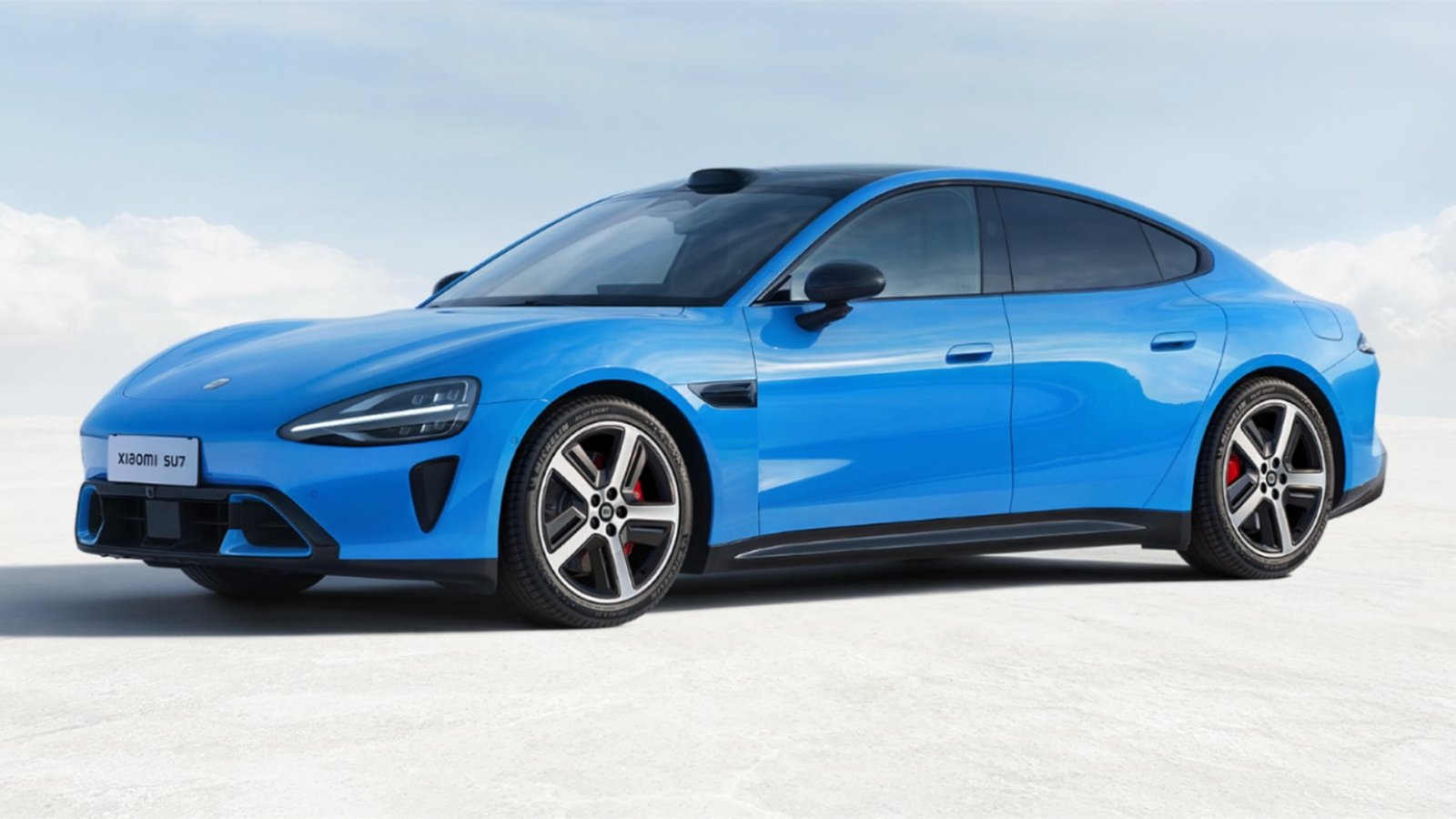
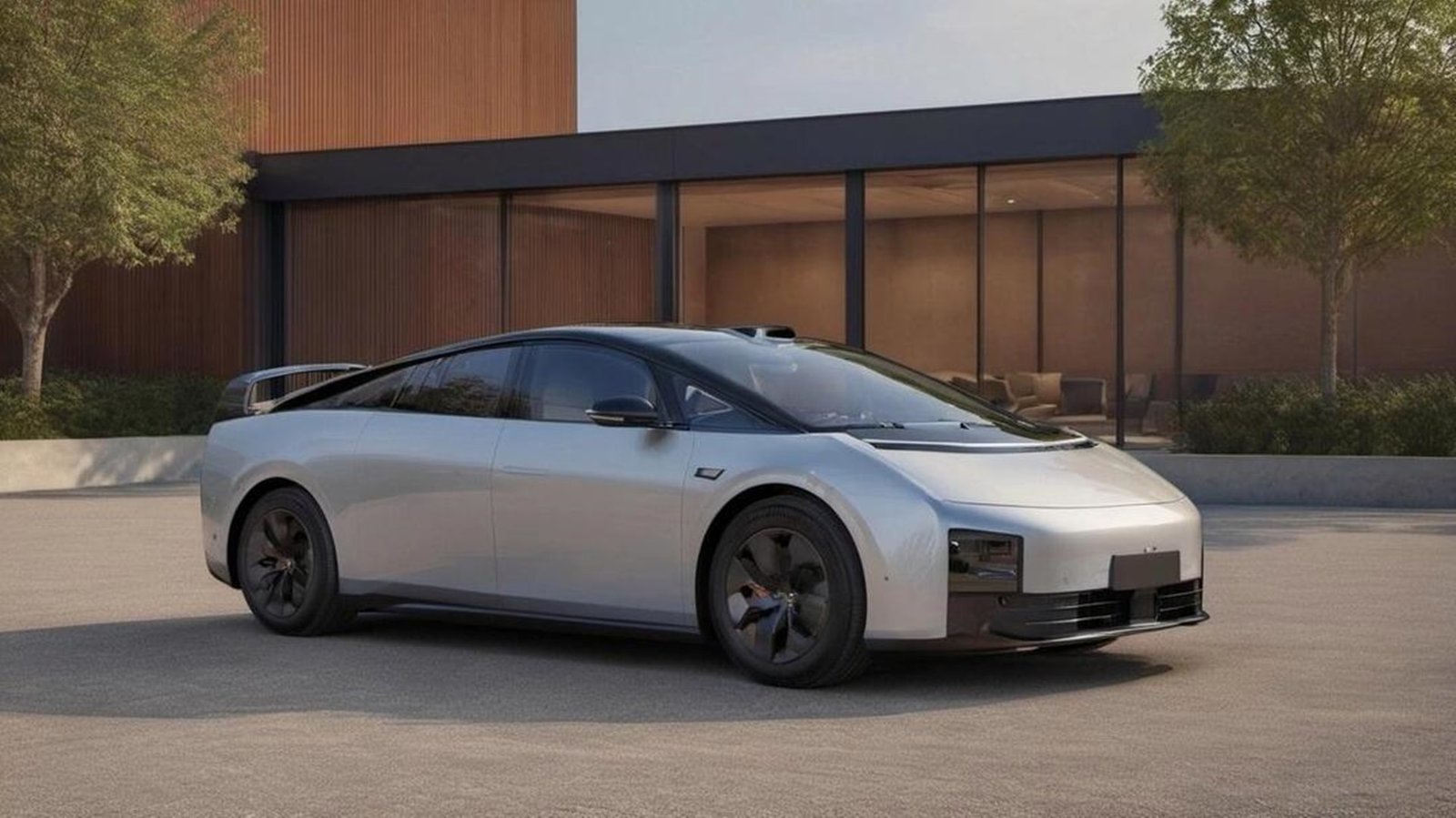
| Top 3 | Xiaomi SU7 | 24,023 | -10.4% | BEV | Mid-size Sedan | 219,900–303,900 | $30,760–$42,500 |
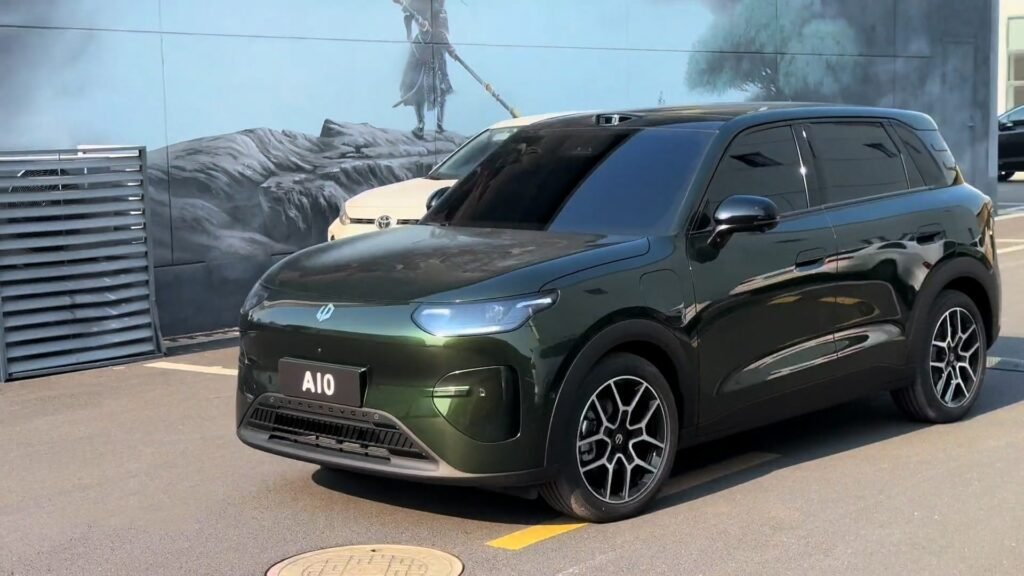
| Top 4 | Leapmotor A10 | 22,306 | +55.2% | BEV | Compact SUV | 65,800–86,800 | $9,200–$12,140 |
| Top 5 | Li Auto i6 | 20,878 | -0.7% | BEV | Mid-large SUV | 249,800–269,800 | $34,940–$37,730 |
| Top 6 | BYD Sea Lion 06 | 18,856 | -4.0% | PHEV/BEV | Compact SUV | ~150,000–220,000 | ~$21,000–$30,770 |
| Top 7 | Tesla Model 3 | 18,370 | +519.4% | BEV | Compact Sedan | 235,500–339,500 | $32,940–$47,480 |
| Top 8 | Wuling Hongguang Mini EV | 18,308 | +38.4% | BEV | Micro EV | 35,800–52,800 | $5,010–$7,380 |
| Top 9 | Aito M6 | 18,148 | +381.0% | EREV | Mid-size SUV | 259,800–299,800 | $36,340–$41,930 |
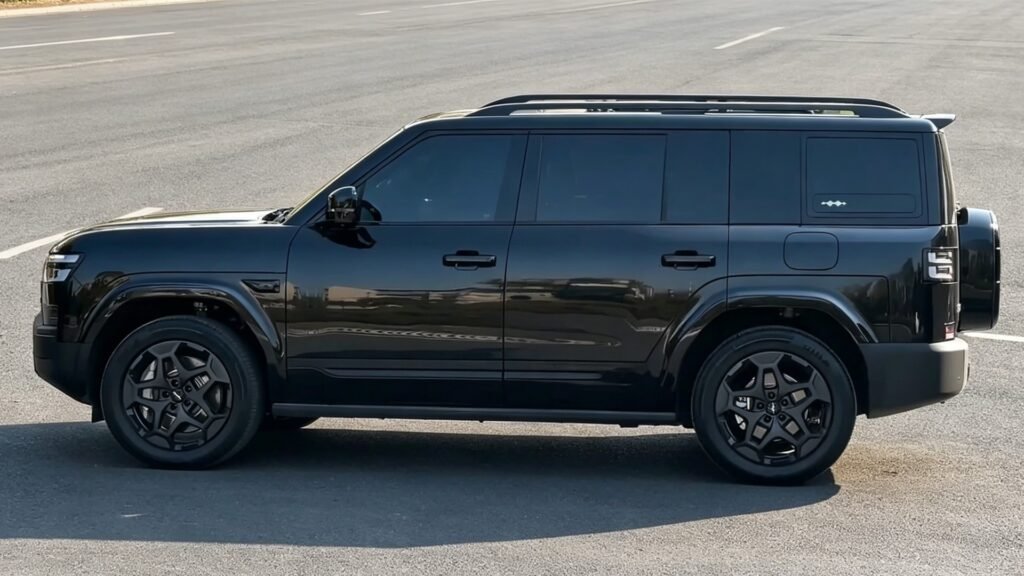
| Top 10 | Fangchengbao Ti7 | 17,510 | +23.3% | PHEV | Boxy Light Off-road SUV | ~180,000–220,000 | ~$25,170–$30,770 |
Market context: Total retail passenger vehicle sales ≈ 1.51 million units (–22.1% YoY). NEV penetration reached a record 62–63%. Gasoline models absorbed nearly the entire market contraction.
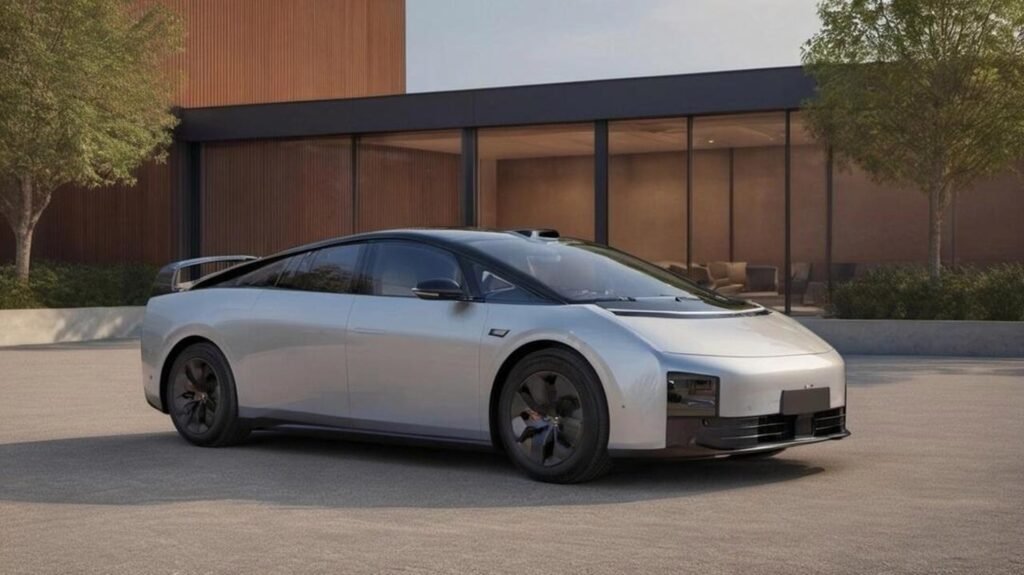
Market Context Snapshot
| Metric | May 2026 Value | YoY Change | Implication |
|---|---|---|---|
| Total PV Retail Sales | ~1.51 million | –22.1% | Soft demand, structural not cyclical |
| NEV Retail Sales | ~950,000 | –7.5% | Resilient while gasoline collapsed |
| NEV Penetration | 62–63% | +8–9 pts | Product-driven tipping point reached |
| Domestic Brand Share (Top 10) | 8 of 10 spots | Rising | JV retreat accelerating |
| NEV Export Volume | 424,000+ | +112.6% | Overseas becoming critical growth valve |
Powertrain & Segment Distribution in Top 10
| Powertrain | Sales Share | Models | Best Suited Markets |
|---|---|---|---|
| Pure BEV | 76% | Xingyuan, Model Y/3, SU7, A10, i6, Mini EV | Dense charging areas |
| EREV | 8% | Aito M6 | Markets with patchy infrastructure |
| PHEV | 16% | Sea Lion 06, Ti7 | Mixed long-distance use |
Detailed Model Breakdowns
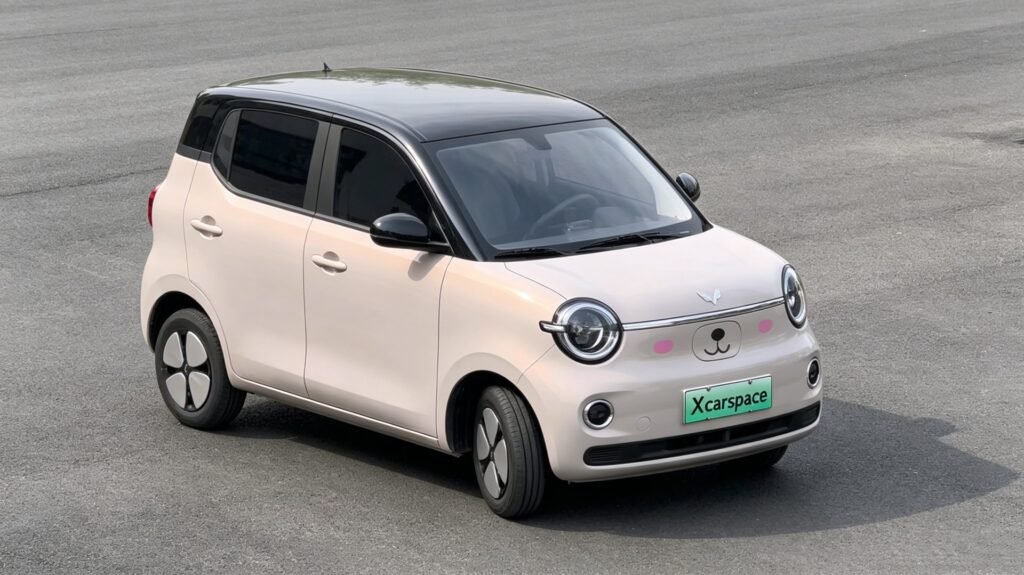
1. Geely Xingyuan (Top 1)
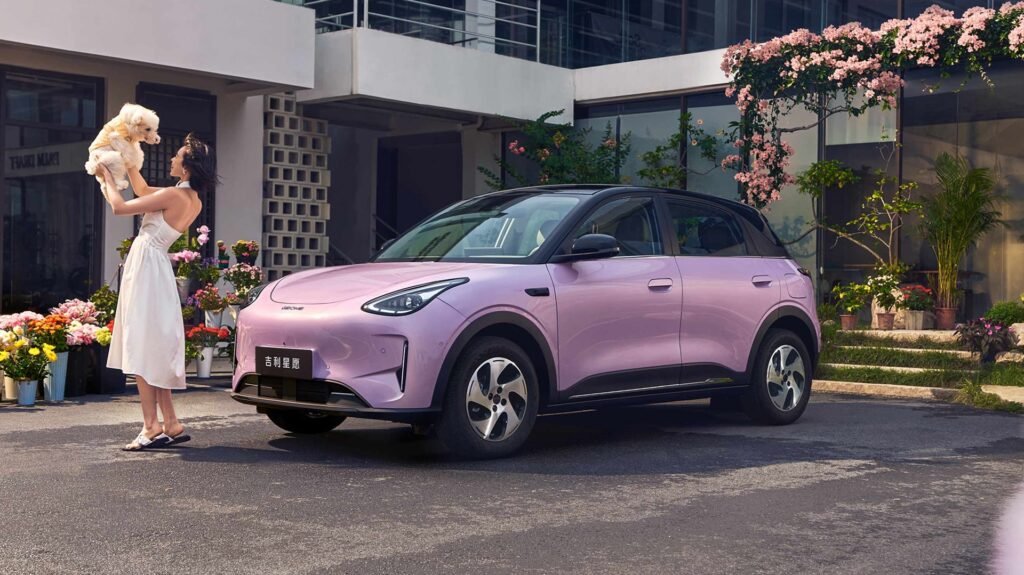
The Xingyuan is a compact electric hatchback on Geely’s SEA-E platform. It measures approximately 4,135 mm long with a 2,650 mm wheelbase and uses CATL LFP batteries for 310–480 km CLTC range. Outputs range from 79–116 PS. Priced from 61,800 RMB (~$8,640 USD), it delivers generous interior space and a modern smart cockpit that punches above its price. It took the top spot by offering better rear room and equipment than typical entry-level rivals while keeping running costs extremely low. Strong family city-car demand drove the 38,751 units. From an xcarspace view, its proven components and competitive pricing make it one of the strongest high-volume export candidates for emerging markets.
| Attribute | Details |
|---|---|
| Segment | Micro Compact EV |
| Powertrain | BEV |
| Price (RMB / USD) | 61,800–91,800 / ~$8,640–$12,840 |
| CLTC Range | 310–480 km |
| Key Dimensions | ~4,135 mm long, 2,650 mm wheelbase |
| Battery / Motor | CATL LFP, 79–116 PS |
| May Sales | 38,751 units |
| Standout Feature | Space + equipment at entry price |
| xcarspace View | Top volume export pick for price-sensitive markets |
2. Tesla Model Y (Top 2)
The Model Y is the established premium compact SUV benchmark with strong real-world range, build quality, and full Tesla ecosystem integration including Superchargers and OTA updates. It starts at 263,500 RMB (~$36,850 USD). Despite intense local competition, it delivered 28,911 units with a solid 25.8% month-on-month rebound. Its appeal rests on brand trust, resale strength, and a mature ownership experience. Buyers accept the premium because the total package feels more complete. xcarspace sees it as the ongoing quality and charging reference point when positioning Chinese SUVs internationally.
| Attribute | Details |
|---|---|
| Segment | Compact SUV |
| Powertrain | BEV |
| Price (RMB / USD) | 263,500–313,500 / ~$36,850–$43,850 |
| CLTC Range | ~600 km |
| Key Dimensions | Compact crossover proportions |
| Battery / Motor | Tesla in-house, high efficiency |
| May Sales | 28,911 units |
| Standout Feature | Ecosystem + resale value |
| xcarspace View | Maintain as premium benchmark for importers |
3. Xiaomi SU7 (Top 3)
The SU7 is a mid-size performance sedan that combines strong acceleration with Xiaomi’s smart-home and phone ecosystem integration. Pricing starts at 219,900 RMB (~$30,760 USD). It sold 24,023 units despite a modest 10.4% dip. Its rapid rise shows strong appeal among younger, tech-focused buyers who value dynamics and seamless connectivity. The car helped establish Xiaomi as a serious premium EV player. xcarspace notes its halo effect helps raise overall perception of Chinese performance EVs in new markets.
| Attribute | Details |
|---|---|
| Segment | Mid-size Sedan |
| Powertrain | BEV |
| Price (RMB / USD) | 219,900–303,900 / ~$30,760–$42,500 |
| CLTC Range | 700+ km |
| Key Dimensions | Sleek sedan proportions |
| Battery / Motor | High-performance pack |
| May Sales | 24,023 units |
| Standout Feature | Performance + Xiaomi ecosystem |
| xcarspace View | Strong halo model for tech-oriented buyers |
4. Leapmotor A10 (Top 4)
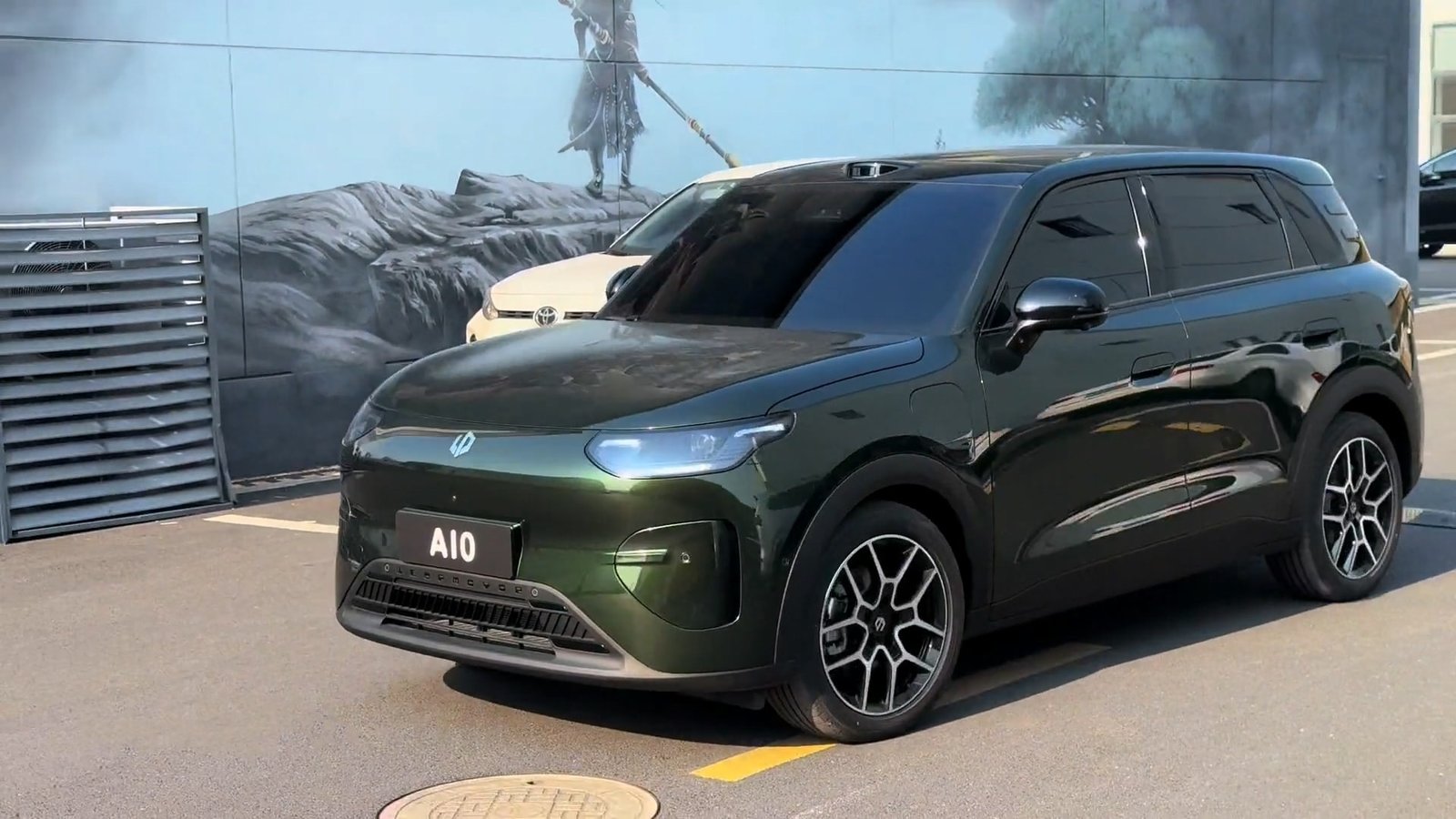
The A10 is a compact electric SUV (4,270 mm long, 2,605 mm wheelbase) offering 403–505 km CLTC range from 39.8/53 kWh batteries and 2.5C fast charging. The top version includes LiDAR and Qualcomm 8650 for advanced driver assistance. Priced from 65,800 RMB (~$9,200 USD), it brings premium intelligence into the budget segment. Its 55.2% month-on-month surge to 22,306 units proves buyers responded to the feature-to-price ratio. xcarspace ranks this as one of the highest-potential export models currently available due to its global platform design and strong spec level.
| Attribute | Details |
|---|---|
| Segment | Compact SUV |
| Powertrain | BEV |
| Price (RMB / USD) | 65,800–86,800 / ~$9,200–$12,140 |
| CLTC Range | 403–505 km |
| Key Dimensions | 4,270 × 1,810 × 1,635 mm, 2,605 mm wb |
| Battery / Motor | 39.8/53 kWh, 70/90 kW |
| May Sales | 22,306 units |
| Standout Feature | LiDAR + fast charge at low price |
| xcarspace View | Highest priority export candidate right now |
5. Li Auto i6 (Top 5)
The i6 is Li Auto’s pure-electric mid-to-large family SUV focused on space, ride comfort, and refined daily usability. Pricing sits around 249,800–269,800 RMB (~$34,940–$37,730 USD). It held nearly flat at 20,878 units. The model successfully transferred the brand’s family buyers into pure BEVs while maintaining high comfort levels. Its steady performance reflects genuine product strength rather than hype. xcarspace sees it as a solid choice for family-oriented export markets seeking mature, comfortable electric SUVs.
| Attribute | Details |
|---|---|
| Segment | Mid-large SUV |
| Powertrain | BEV |
| Price (RMB / USD) | 249,800–269,800 / ~$34,940–$37,730 |
| CLTC Range | 600+ km |
| Key Dimensions | Spacious family proportions |
| Battery / Motor | Efficient pack for family use |
| May Sales | 20,878 units |
| Standout Feature | Family comfort + refinement |
| xcarspace View | Good fit for family buyers in developed markets |
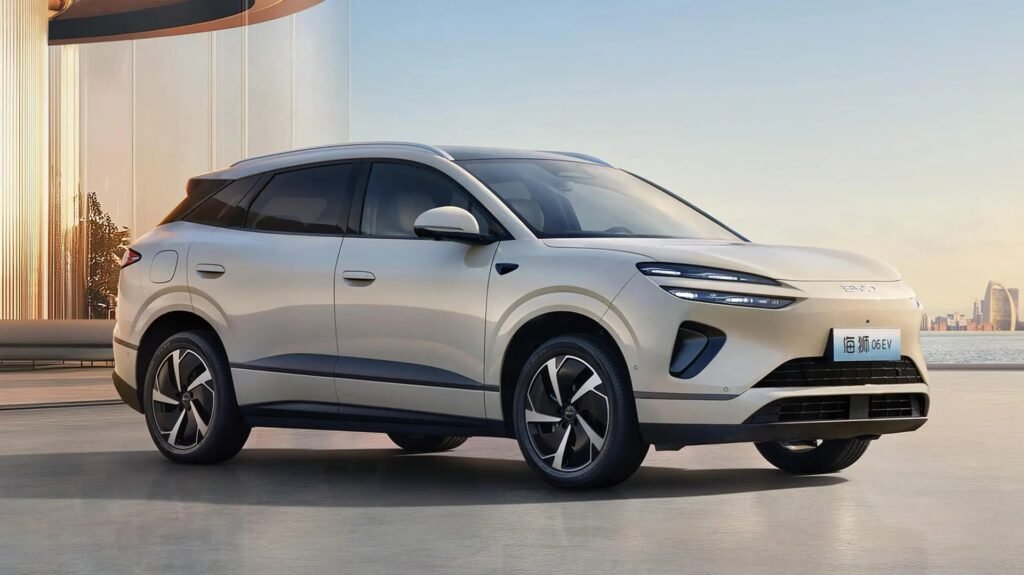
6. BYD Sea Lion 06 (Top 6)
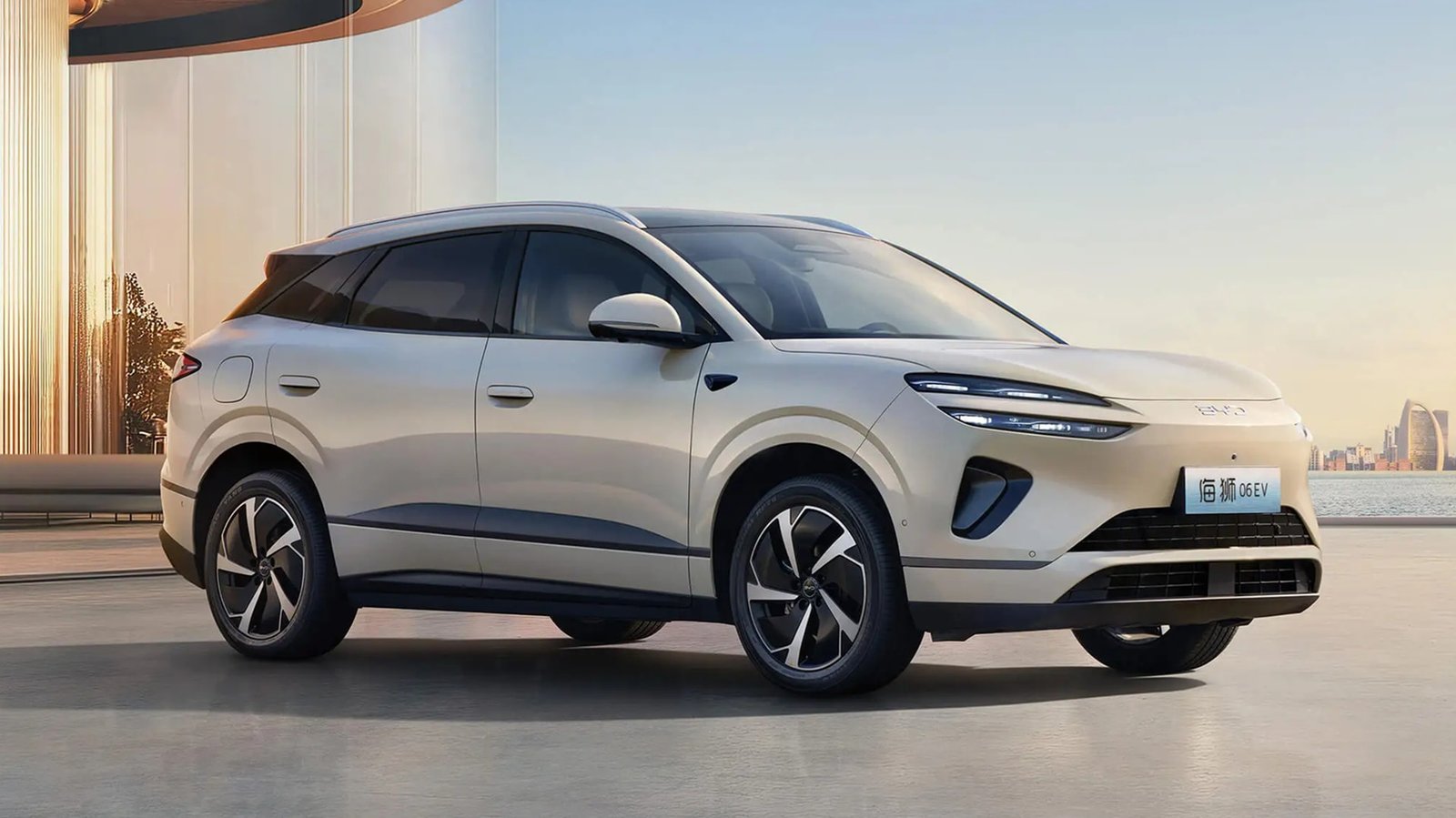
The Sea Lion 06 is a compact SUV from BYD’s Ocean network available in PHEV and BEV forms. It provides hybrid flexibility for longer trips alongside electric daily driving. Positioned in the competitive compact SUV space with pricing roughly 150,000–220,000 RMB (~$21,000–$30,770 USD), it sold 18,856 units. Its consistent performance draws on BYD’s massive scale in batteries and distribution. The PHEV option lowers risk for buyers not fully committed to pure electric. xcarspace views PHEV variants like this as practical bridge products for markets still expanding charging infrastructure.
| Attribute | Details |
|---|---|
| Segment | Compact SUV |
| Powertrain | PHEV / BEV |
| Price (RMB / USD) | ~150,000–220,000 / ~$21,000–$30,770 |
| CLTC Range | Varies by version |
| Key Dimensions | Compact crossover sizing |
| Battery / Motor | BYD blade or hybrid system |
| May Sales | 18,856 units |
| Standout Feature | Hybrid flexibility + BYD reliability |
| xcarspace View | Useful bridge model for infrastructure gaps |
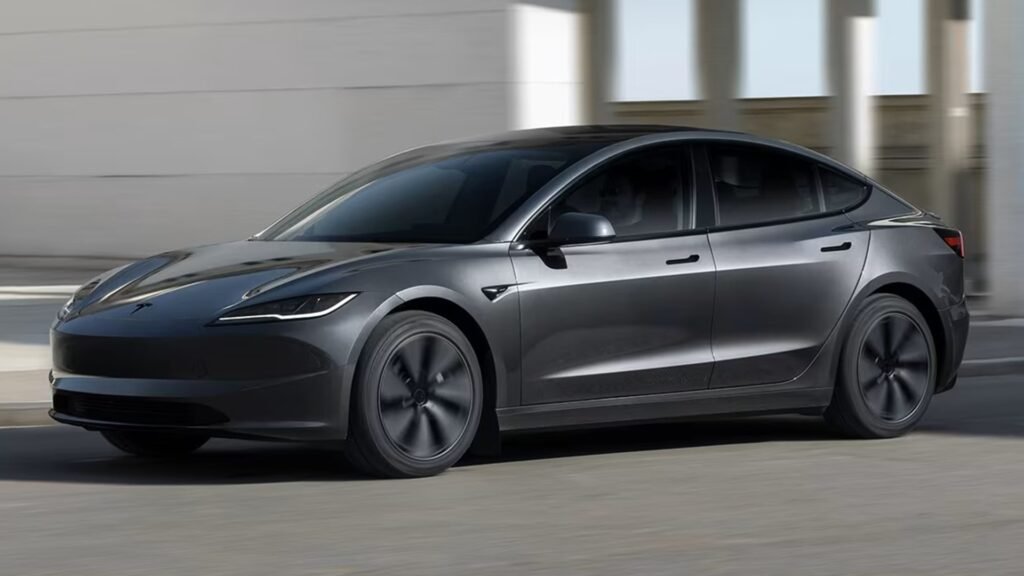
7. Tesla Model 3 (Top 7)
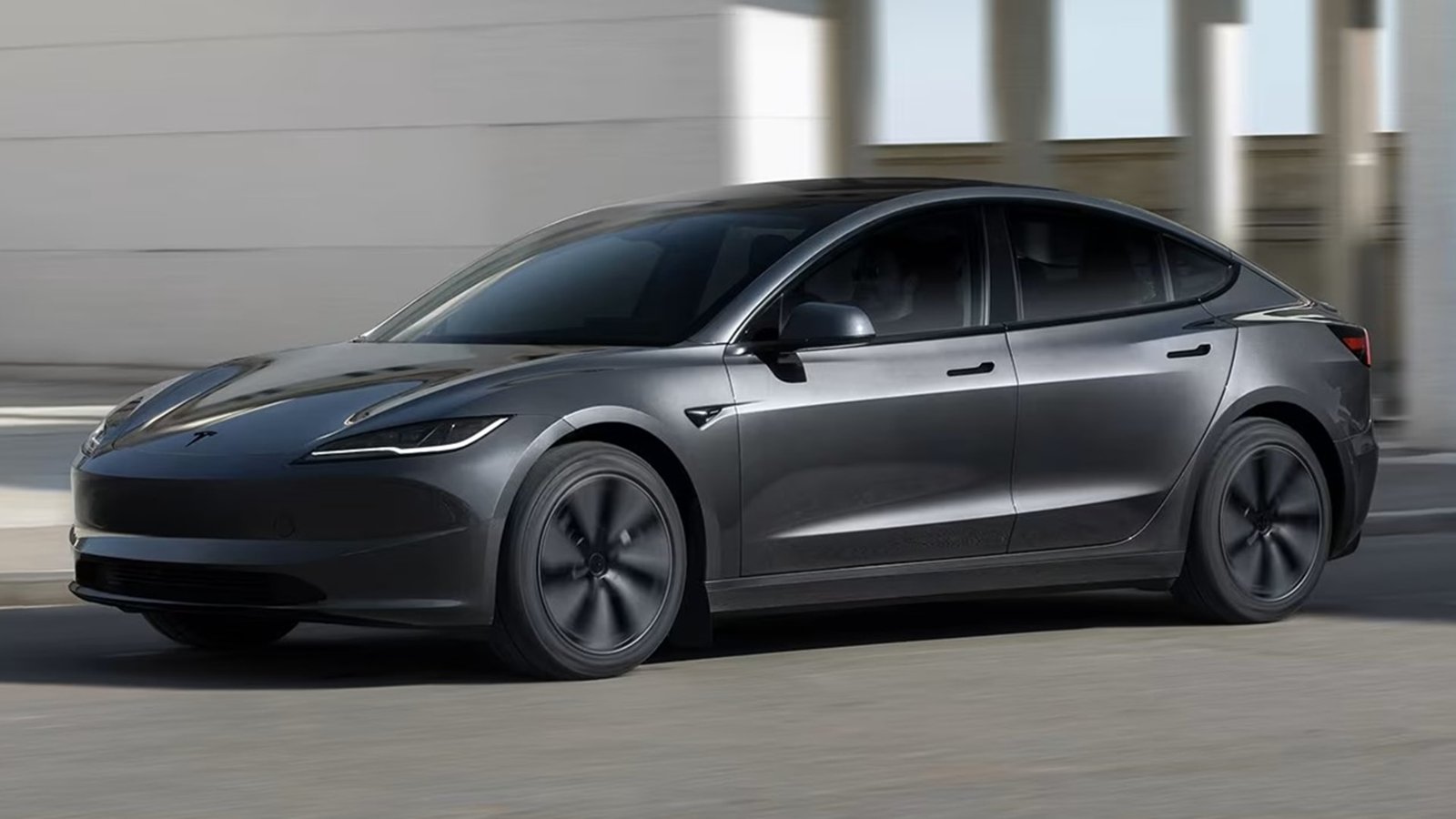
The Model 3 is Tesla’s efficient compact sedan known for minimalist design, strong dynamics, and the full Tesla ownership experience. It rebounded to 18,370 units after April production adjustments. Pricing starts from 235,500 RMB (~$32,940 USD). The sharp month-on-month increase was largely supply-driven, yet underlying demand remains solid among buyers who prioritize efficiency and brand. It continues to set a high bar for sedan dynamics. xcarspace treats it as a useful efficiency and brand benchmark against Chinese mid-size sedans.
| Attribute | Details |
|---|---|
| Segment | Compact Sedan |
| Powertrain | BEV |
| Price (RMB / USD) | 235,500–339,500 / ~$32,940–$47,480 |
| CLTC Range | 600+ km |
| Key Dimensions | Sleek sedan layout |
| Battery / Motor | High-efficiency Tesla pack |
| May Sales | 18,370 units |
| Standout Feature | Efficiency + driving dynamics |
| xcarspace View | Strong efficiency benchmark for importers |
8. Wuling Hongguang Mini EV (Top 8)
The Hongguang Mini EV is the ultra-affordable micro electric city car offering tiny dimensions ideal for urban parking and extremely low running costs. Pricing starts at just 35,800 RMB (~$5,010 USD). It sold 18,308 units in May. Its recovery demonstrates ongoing demand for simple, cheap electric mobility among first-time and short-trip buyers. While basic in features, its total cost of ownership remains unmatched in the segment. xcarspace sees continued relevance in last-mile, fleet, and ultra-budget export applications.
| Attribute | Details |
|---|---|
| Segment | Micro EV |
| Powertrain | BEV |
| Price (RMB / USD) | 35,800–52,800 / ~$5,010–$7,380 |
| CLTC Range | 200–300 km |
| Key Dimensions | Very compact city proportions |
| Battery / Motor | Small LFP pack |
| May Sales | 18,308 units |
| Standout Feature | Lowest ownership cost |
| xcarspace View | Fleet and ultra-budget entry point |
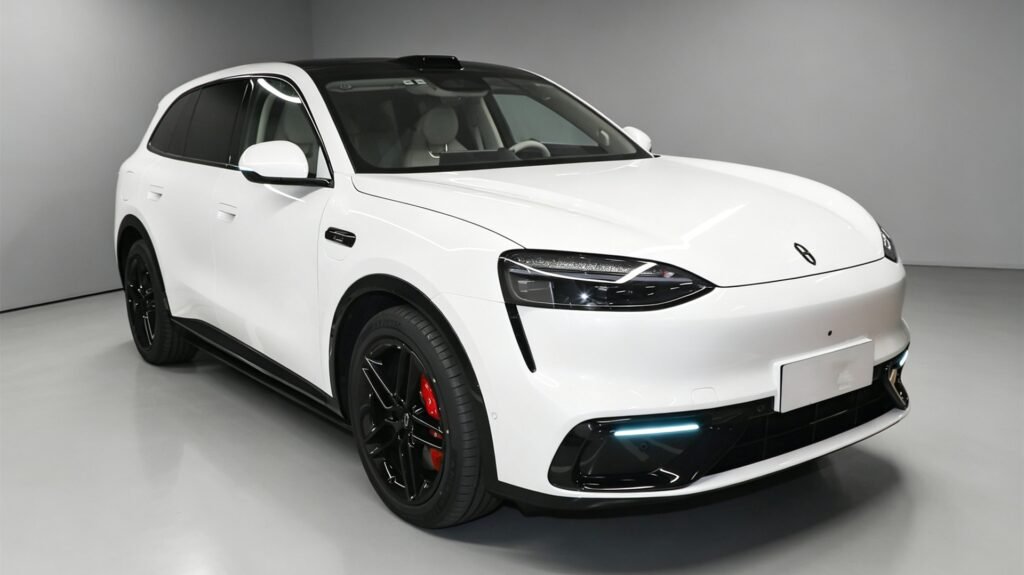
9. Aito M6 (Top 9)
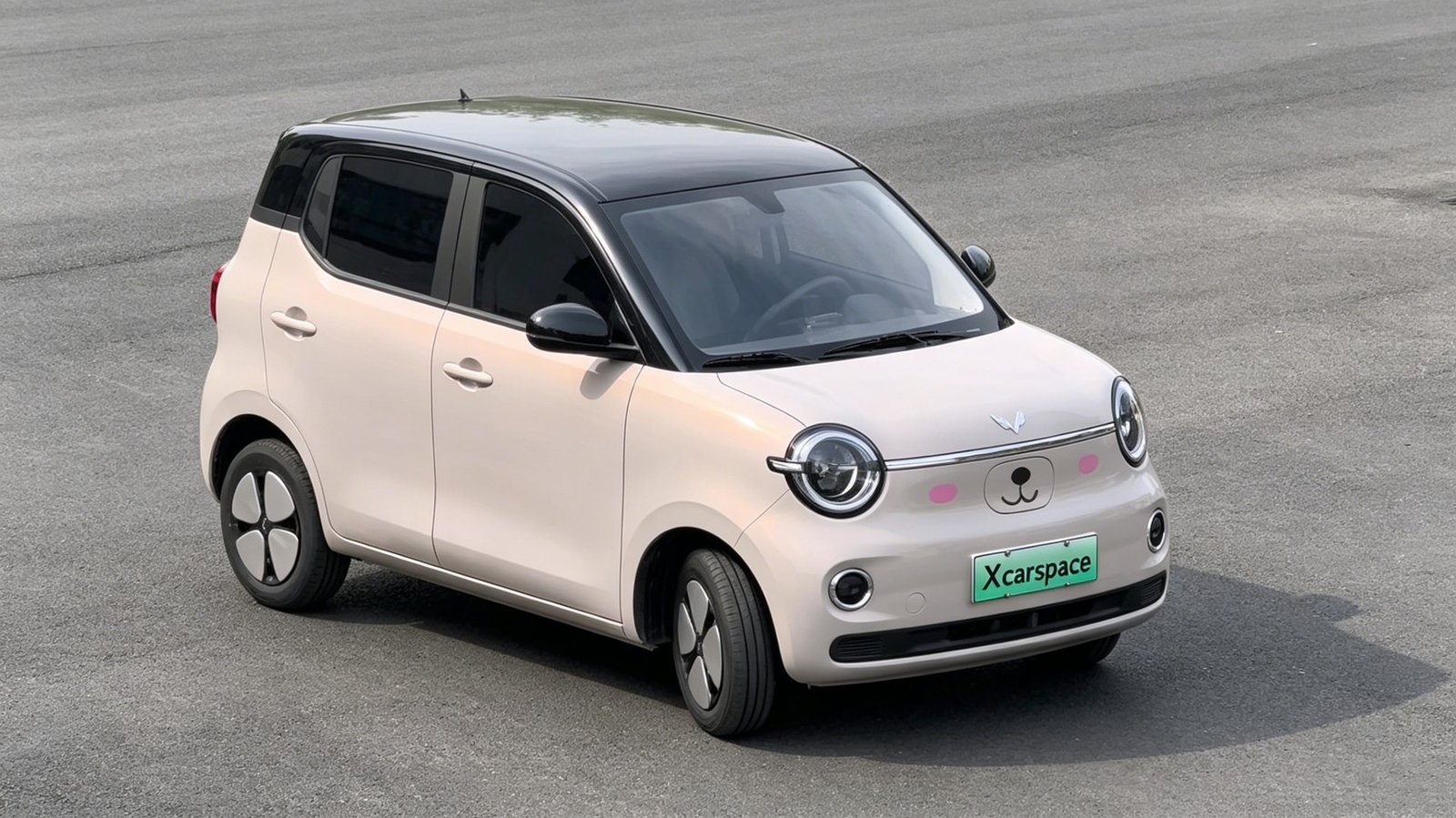
The Aito M6 is a mid-size SUV powered by Huawei’s intelligent driving and cockpit systems using an extended-range electric layout. It offers advanced ADAS and a high-quality interior. Priced at 259,800–299,800 RMB (~$36,340–$41,930 USD), it surged to 18,148 units. The strong growth reflects buyer confidence in Huawei’s technology reputation. The EREV powertrain provides electric daily driving with gasoline backup. xcarspace sees strong potential in markets where intelligence and range security are priorities.
| Attribute | Details |
|---|---|
| Segment | Mid-size SUV |
| Powertrain | EREV |
| Price (RMB / USD) | 259,800–299,800 / ~$36,340–$41,930 |
| CLTC Range | Extended with range extender |
| Key Dimensions | Mid-size family SUV sizing |
| Battery / Motor | Huawei-assisted systems |
| May Sales | 18,148 units |
| Standout Feature | Huawei ADAS + cockpit |
| xcarspace View | Intelligence leader for infrastructure gaps |
10. Fangchengbao Ti7 (Top 10)
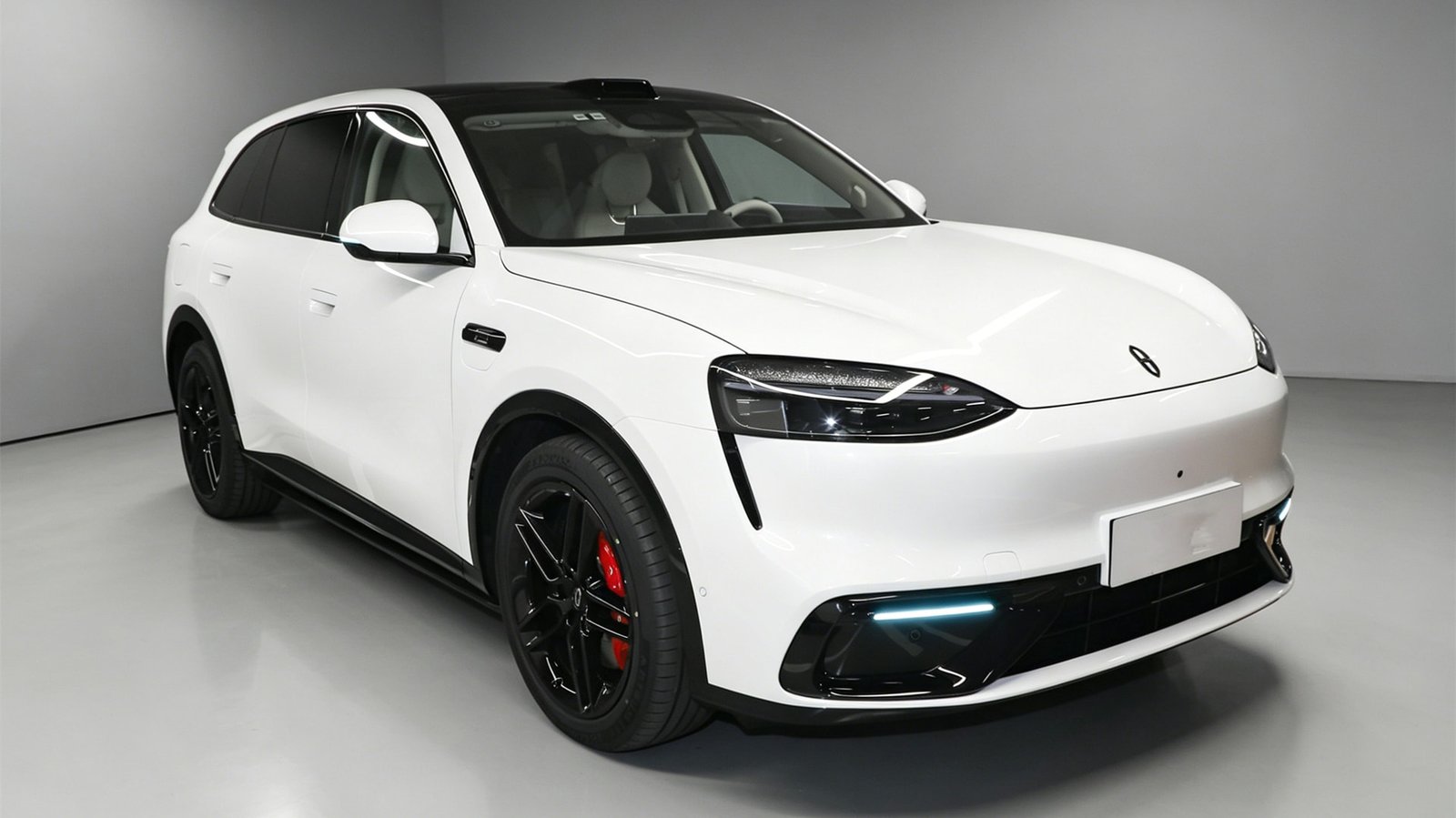
The Ti7 is a boxy, light off-road capable PHEV SUV from BYD’s Fangchengbao brand. It combines rugged styling with hybrid flexibility for city and light adventure use. Priced roughly 180,000–220,000 RMB (~$25,170–$30,770 USD), it reached 17,510 units. Its distinctive design and mixed-use capability attract buyers wanting something different from standard crossovers. The PHEV layout broadens its appeal. xcarspace views this style of rugged hybrid as an interesting niche option for markets valuing versatility and bold design.
| Attribute | Details |
|---|---|
| Segment | Boxy Light Off-road SUV |
| Powertrain | PHEV |
| Price (RMB / USD) | ~180,000–220,000 / ~$25,170–$30,770 |
| CLTC Range | Extended via hybrid |
| Key Dimensions | Boxy, capable proportions |
| Battery / Motor | PHEV system with off-road tuning |
| May Sales | 17,510 units |
| Standout Feature | Rugged design + mixed-use capability |
| xcarspace View | Niche rugged hybrid for versatility seekers |
Why Gasoline Vehicles Lost Volume — Clear Pattern
| Factor | Gasoline Reality | NEV Winner Reality | Winner Advantage |
|---|---|---|---|
| Intelligence | Basic or optional | Standard LiDAR/Qualcomm/OTA | Software speed wins |
| Running Cost | Fuel + maintenance | Electricity + minimal service | 60-70% lower TCO |
| Features per Yuan | Hardware focused | Features + ecosystem | Value perception higher |
| Resale & Brand | Legacy strength fading | Tesla holds; Chinese rising fast | Trust shifting |
| Policy Dependence | High | Now secondary to product strength | Market decides |
Buyer Decision Matrix by Profile
| Buyer Type | Best Fit from List | Reason (TCO + Use Case) | Alternative | Deal-Breaker to Avoid |
|---|---|---|---|---|
| Budget urban commuter | Xingyuan or Mini EV | Lowest purchase + running cost | — | Long highway trips |
| Young family, mixed roads | Leapmotor A10 | Space + LiDAR safety + range options | Sea Lion 06 | Weak local service |
| Tech enthusiast, performance | Xiaomi SU7 | Speed + ecosystem integration | Model 3 | Need SUV practicality |
| Premium family hauler | Li Auto i6 or Model Y | Comfort + space + refinement | Aito M6 | Budget constraint |
| Want maximum intelligence | Aito M6 | Huawei ADAS + cockpit | Model Y | Pure BEV only preference |
| Light off-road + city | Fangchengbao Ti7 | Rugged looks + PHEV flexibility | — | Pure city use |
North America Availability of These Top 10 Models (US & Canada)
| Model | Official US Availability | Official Canada Availability | Gray Market / Parallel Import | Main Barriers | xcarspace Assessment |
|---|---|---|---|---|---|
| Geely Xingyuan | No | Emerging (Geely evaluating entry) | Very limited | Tariffs, no dealer network, homologation | Low feasibility; watch Geely 24-36 month US plans |
| Tesla Model Y | Yes (widespread, multiple trims & leasing) | Yes (entry-level RWD added 2026) | N/A | None major | Fully available and recommended |
| Xiaomi SU7 | No | Potential (tariff cuts help) | Limited (social media interest, some imports) | Tariffs, no official service/warranty | High risk; monitor Canada developments |
| Leapmotor A10 | No | No (Stellantis focus on Europe/LATAM) | Very limited | Partnership not NA-focused | Not recommended currently |
| Li Auto i6 | No | No | Rare | Early global stage, tariffs | Low feasibility |
| BYD Sea Lion 06 | No | Limited (BYD planning 20+ dealers) | Possible via Mexico/Canada border | US tariffs nearly prohibitive | Possible in Canada future official or gray; US very difficult |
| Tesla Model 3 | Yes (multiple trims) | Yes | N/A | None | Fully available and recommended |
| Wuling Hongguang Mini EV | No | No | Very limited (personal imports) | Compliance, parts & support | Not practical for most buyers |
| Aito M6 | No | No | Limited | Huawei/Seres early global expansion | Low feasibility |
| Fangchengbao Ti7 | No | No | Rare | BYD sub-brand China focus | Not available officially |
Key notes on North America:
Tesla Model Y and Model 3 are the only models from this list that are straightforward to buy new with full warranty, service, and NACS charging support in both the US and Canada. All other Chinese-brand models face high US tariffs (often 100%+ effective) and lack official dealer networks or FMVSS/EPA certification. Canada has opened a limited quota pathway (reduced tariffs to ~6.1% for up to 49,000 units/year), with BYD actively building dealerships. Gray market imports exist but carry major risks: no factory warranty, difficult parts supply, potential legal/compliance issues for registration, and no official support. Mexico has more Chinese EV availability, with some cross-border movement, but US registration remains restricted (25-year import rule for non-certified vehicles).
Outlook & Risks 2026–2027
| Scenario | Probability | Impact on Top 10 Models | Importer Action Suggested |
|---|---|---|---|
| Continued gasoline collapse | High | More NEV share gains | Increase Chinese EV allocation |
| Price war intensification | High | Margin pressure on all | Focus on high-volume + differentiated models |
| Stronger export push | Medium-High | More right-hand-drive variants | Secure early supply agreements |
| Regulatory pushback (tariffs) | Medium | Affects premium Chinese models | Diversify across price bands |
| Autonomous driving race | High | Huawei/Xiaomi/Tesla accelerate | Prioritize models with strong OTA roadmap |
FAQ
| Question | Answer |
|---|---|
| Is this the permanent death of gasoline cars in China? | No single month is final, but gasoline models are now structurally losing volume share. They survive in niches or with deep discounts. Practical Takeaway: Expect heavier discounting and faster NEV transition through 2027. |
| Why did Model 3 show such huge MoM growth? | April production adjustments created a low base. May normalized deliveries. Demand itself did not suddenly explode. Practical Takeaway: Monthly swings often reflect factory timing more than pure consumer demand. |
| Which models are realistically exportable today? | Xingyuan, A10, Mini EV, and certain BYD/Fangchengbao PHEVs lead on volume + proven components. Premium models need more homologation work. Practical Takeaway: Start with high-volume, LFP-battery models that already have export variants in development. |
| How big is the TCO advantage of these NEVs? | Electricity + low maintenance typically delivers 60-70% lower running costs versus equivalent gasoline models over 5 years. Practical Takeaway: Calculate local electricity rates and service costs before importing. |
| Will Tesla lose significant share long term? | Unlikely in the near term. Brand, charging network, and resale value remain strong moats even when Chinese rivals win on features and price. Practical Takeaway: Use Tesla as the premium benchmark when positioning Chinese alternatives. |
| What should international buyers prioritize when choosing from this list? | Proven domestic volume + LFP batteries + fast software updates + realistic service support in target market. Practical Takeaway: Avoid chasing the absolute cheapest without checking aftersales reality. |
| How reliable is EREV versus pure BEV for export markets? | EREV removes range anxiety where charging is still thin. Pure BEV wins where fast charging is dense. Both have roles. Practical Takeaway: Match powertrain to local infrastructure strength. |
| Will price wars destroy margins for these winners? | Margin pressure is real, especially on volume models. Winners will be those with scale, vertical integration, and software lock-in. Practical Takeaway: Focus on models with strong brand or unique tech differentiation. |