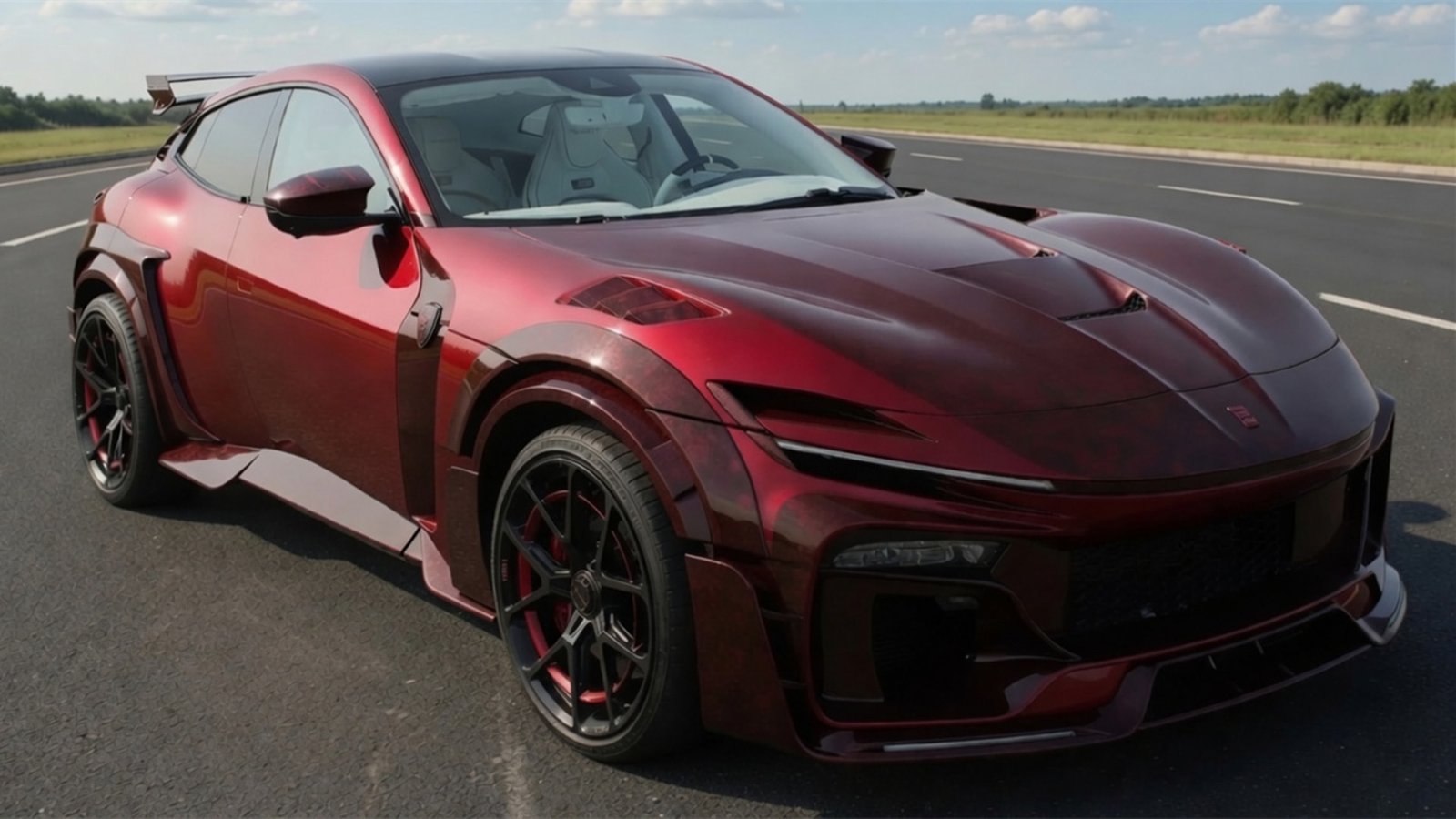
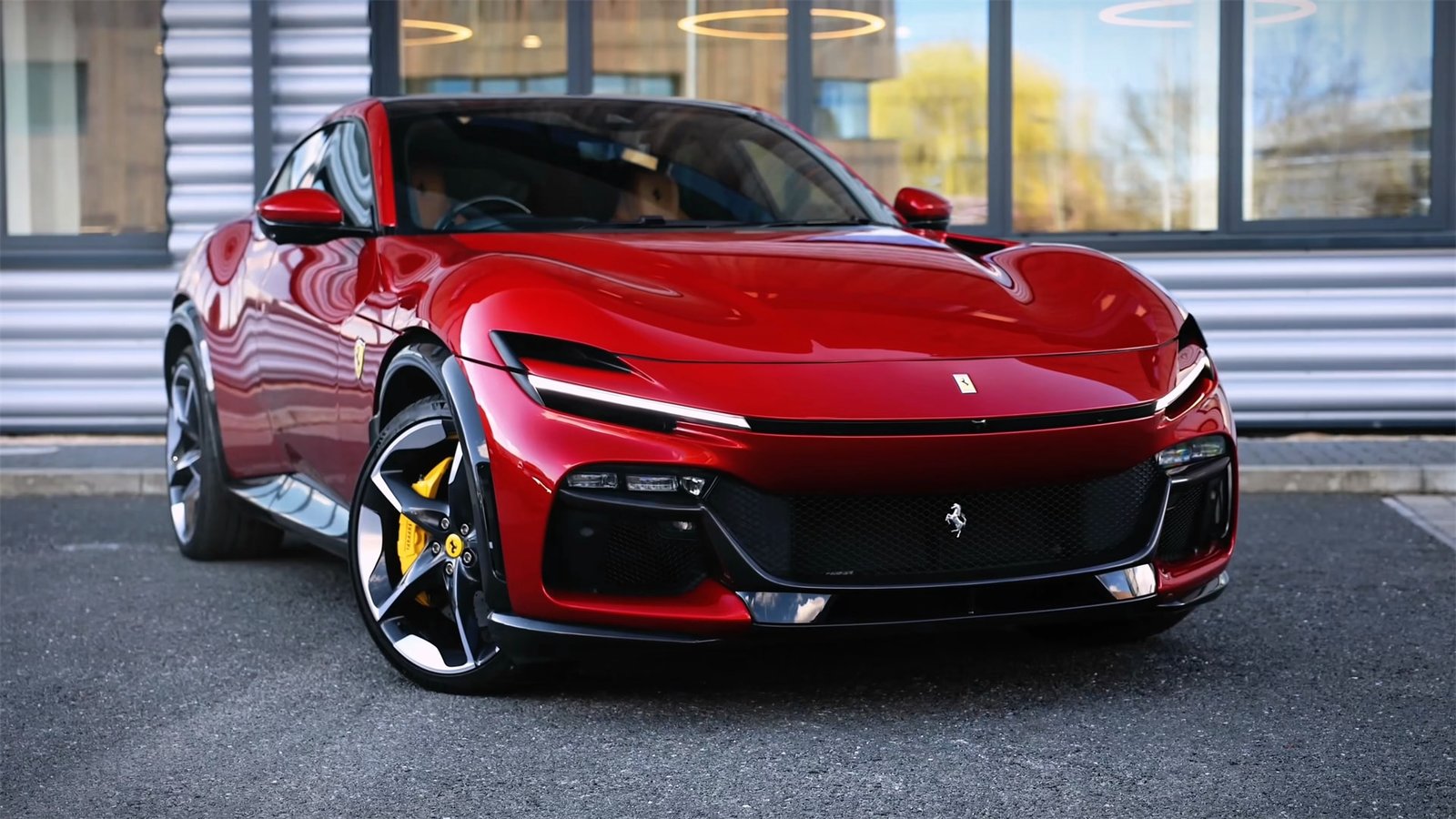
Ferrari’s first four-door SUV model arrived with clear rules: keep the brand’s driving DNA intact, limit production, and accept no compromises on character. Two years later the numbers confirm the strategy worked. Real transaction data shows strong premiums on low-mile examples. Independent tests highlight chassis performance that rivals mid-engine sports cars. The tables below organize every key metric so you can compare at a glance.
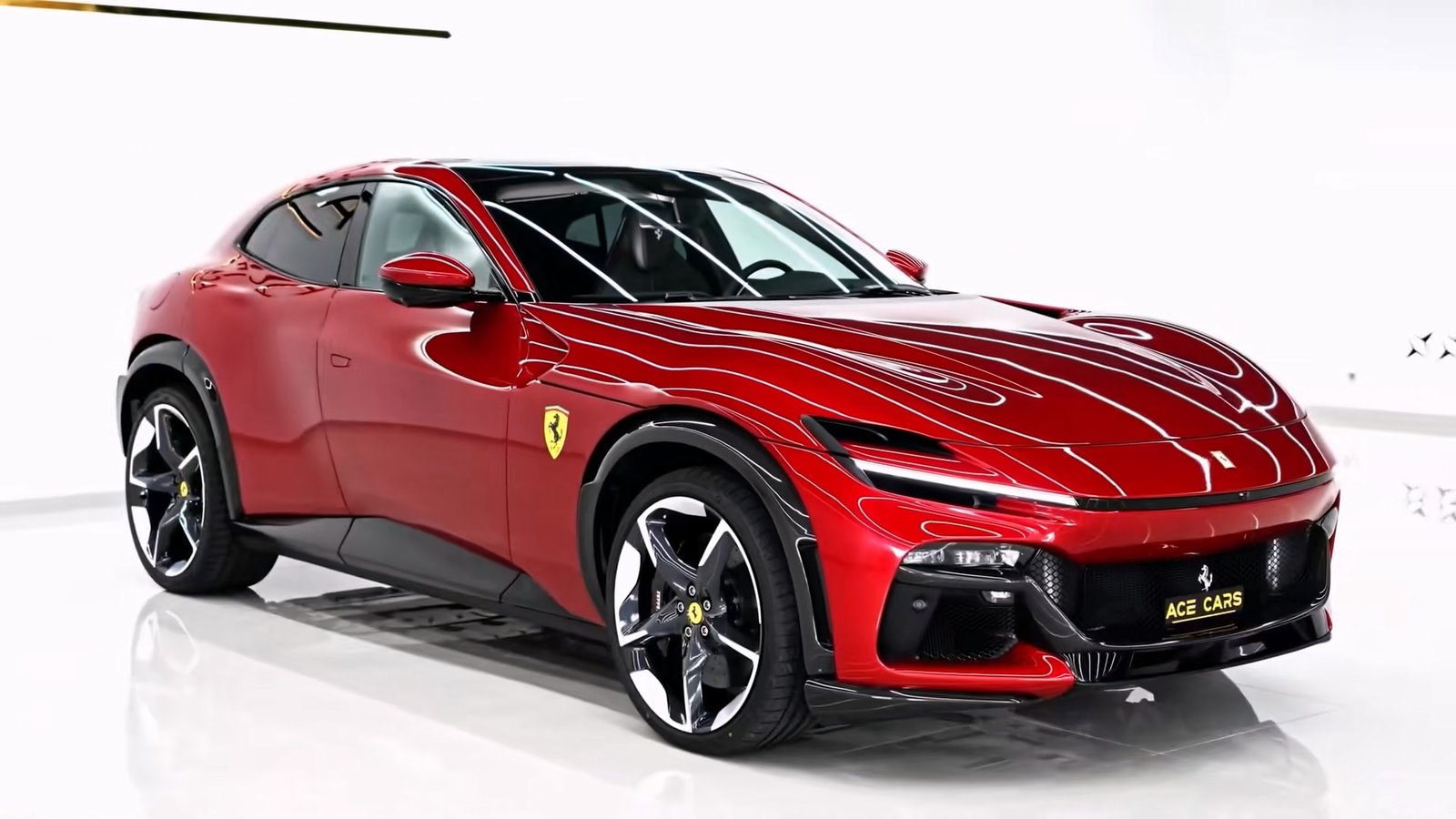
Ferrari PurosangueFerrari Purosangue
Core Technical Specifications Ferrari Purosangue 2026
Category
Specification
Detail / Source Notes
Engine Type
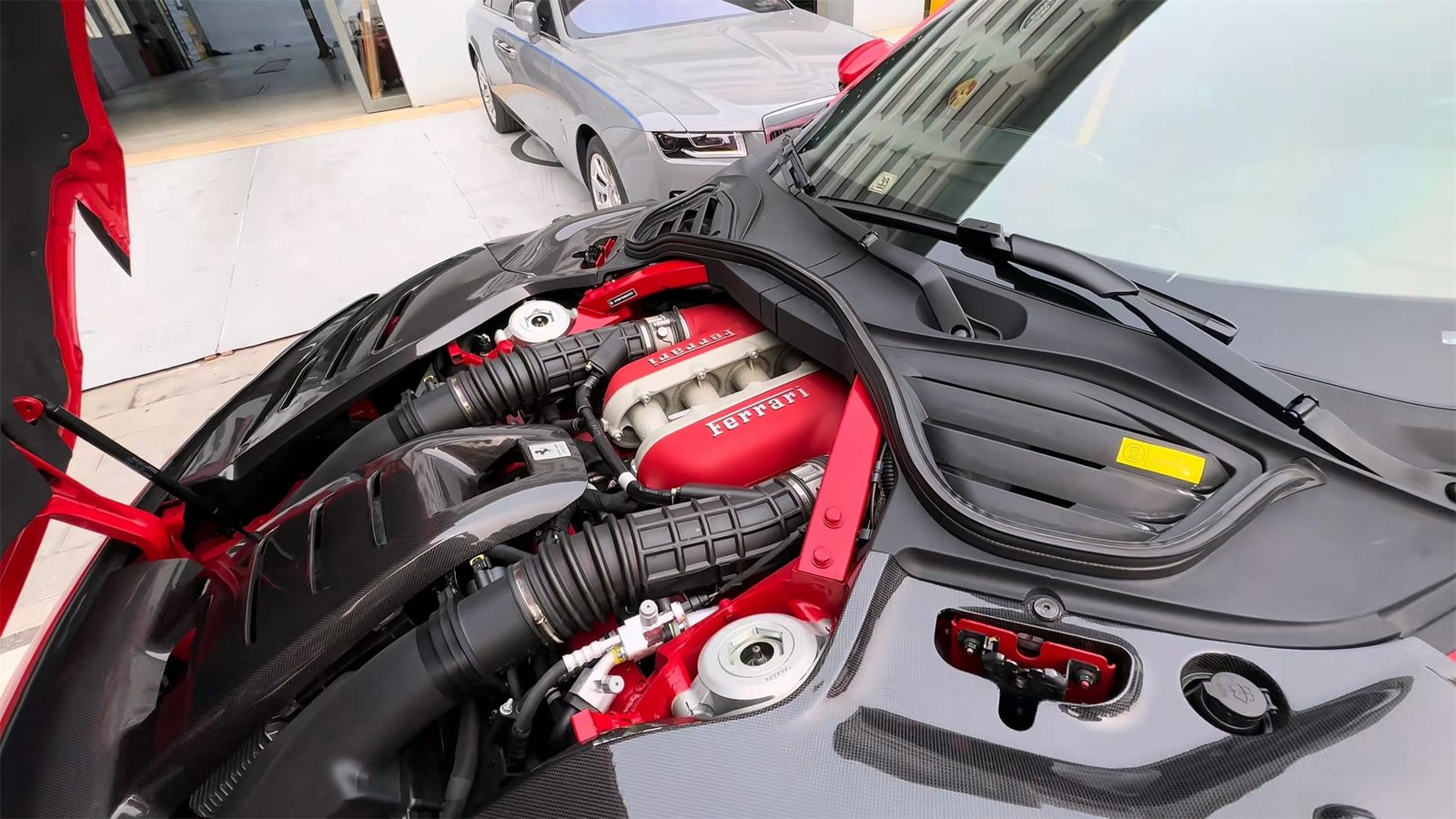
6.5L naturally aspirated V12
Front-mid mounted, F140 family evolution
Power Output
715 hp @ 7,750 rpm
725 PS metric equivalent
Torque
716 Nm (528 lb-ft) @ 6,250 rpm
Strong flexibility from large displacement
Redline
8,250 rpm
Classic high-rev NA character
Transmission
8-speed dual-clutch automatic
AWD with variable rear bias
Drivetrain
All-wheel drive
Adapted from FF architecture
Weight Distribution
49:51 front:rear
Achieved via engine placement behind front axle
Curb Weight
2,033 kg (dry) / ~2,200 kg (as-tested)
Varies by configuration
Suspension
TASV active hydraulic dampers
No anti-roll bars; first production car application
Brakes
Carbon-ceramic discs
Standard on all cars
Wheels / Tires
22-inch forged alloys
255/35 front, 315/30 rear typical
Engine – Ferrari Purosangue
Dimensions and Packaging
Measurement
Value
Comparison Context
Length
4,973 mm
Longer than most rivals
Width
2,025–2,028 mm
Wide stance for stability
Height
1,589 mm
Lower than typical SUVs
Wheelbase
3,018 mm
Long for balanced proportions
Front Track
~1,680 mm
Wide for cornering grip
Rear Track
~1,670 mm
Slight rear bias in stance
Cargo Volume
473 liters
Adequate for weekend use
Fuel Tank
100 liters
Supports long highway runs
Seating Configuration
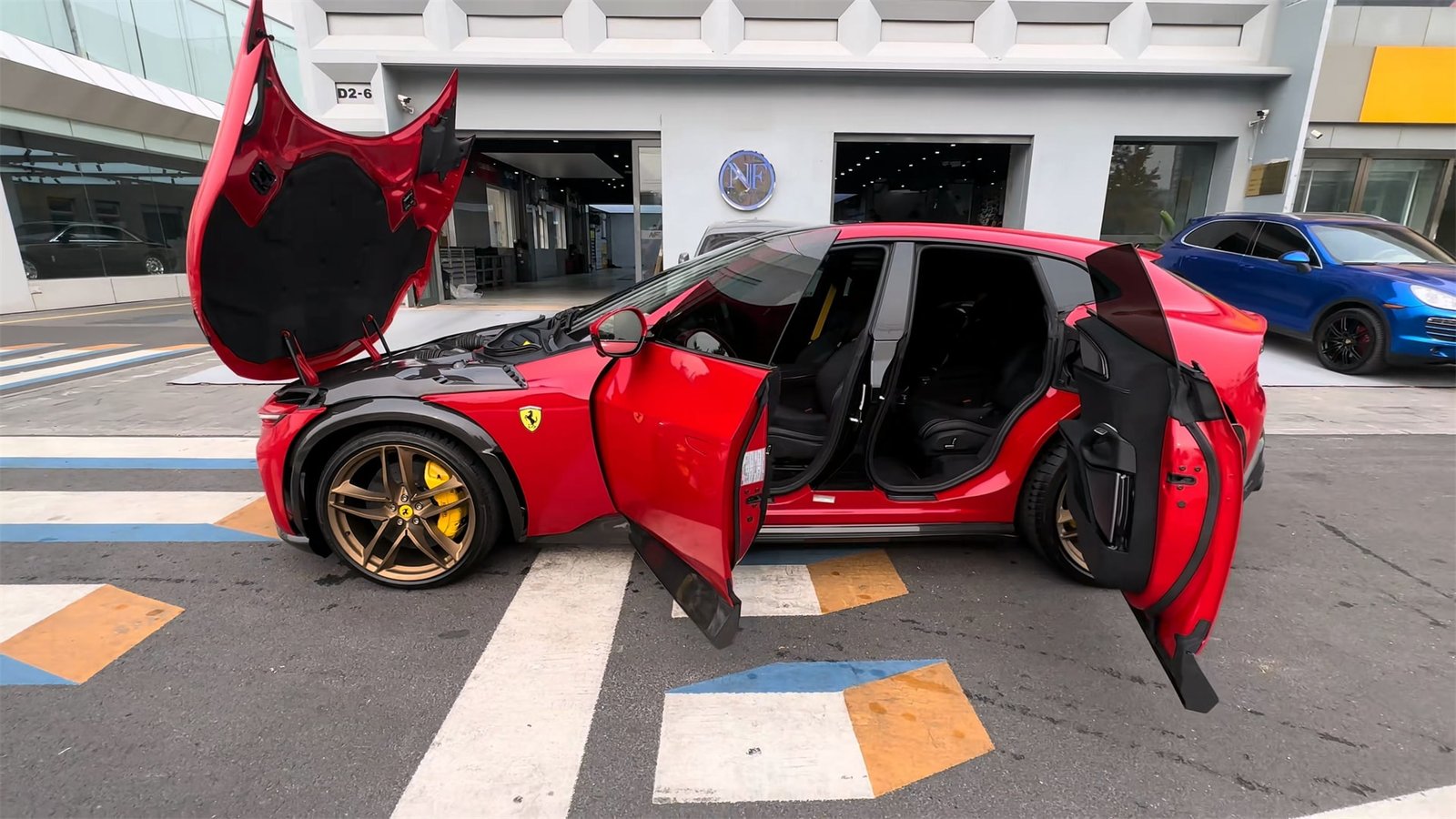
2+2 individual buckets
Strict four-seat layout
Overview – Ferrari Purosangue
Performance Benchmarks
Metric
Claimed / Tested
Notes
0-60 mph (0-100 km/h)
3.3 seconds
Multiple tests show low 3.2 s possible
0-100 mph
~7.5 seconds
Strong mid-range pull
Quarter Mile
~11.7 seconds
Consistent with power-to-weight
Top Speed
193 mph (310+ km/h)
Electronically limited
Braking (100 km/h to 0)
~32 meters
Carbon-ceramic standard
Lateral Grip (est.)
High 0.9+ g
TASV system enables flat cornering
Body Roll in Corners
~1.5 degrees
Dramatically reduced vs conventional SUVs
TASV Suspension vs Traditional Super-SUV Systems
Feature
Ferrari TASV Active Dampers
Typical Air Suspension + Active ARBs (Rivals)
Advantage
Anti-Roll Bars
None
Present
Lighter, more direct feel
Response Time
Milliseconds per wheel
Slower collective adjustment
Better wheel control
Body Roll Control
Up to 50% reduction claimed
Good but often feels artificial
More natural sports-car balance
Ride Height Management
Damper-controlled
Air springs
Simpler, more connected
Weight Penalty
Lower
Higher due to compressors & bars
Better handling agility
Real-World Tester Feedback
“Feels like lowered sports car”
“Competent but less engaging”
Purosangue wins on driver connection
Interior and Practicality Comparison
Model
Seating
Rear Seat Type
Cargo Volume
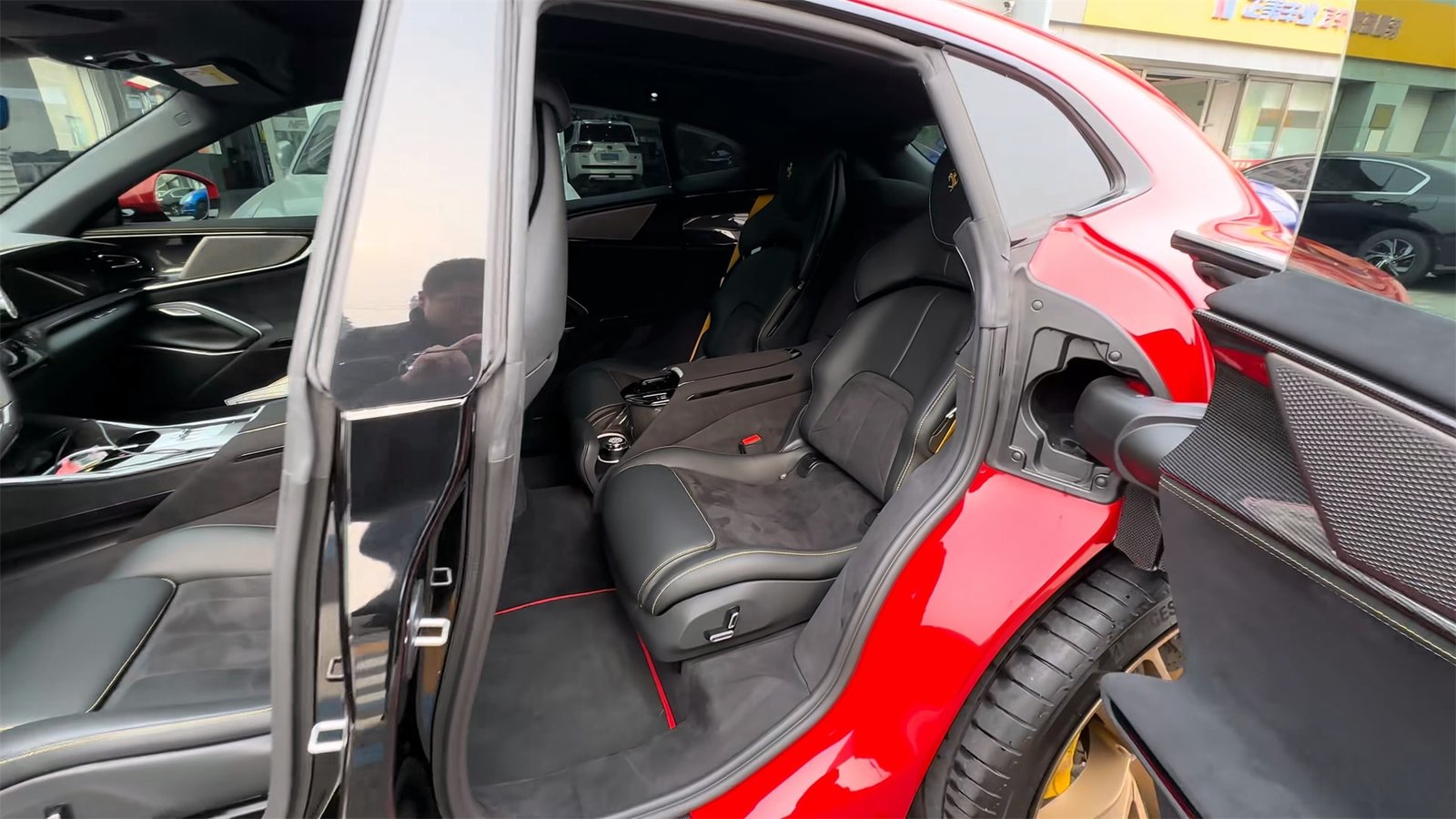
Rear Access
Daily Usability Score (Expert View)
Ferrari Purosangue
4
Individual buckets
473 L
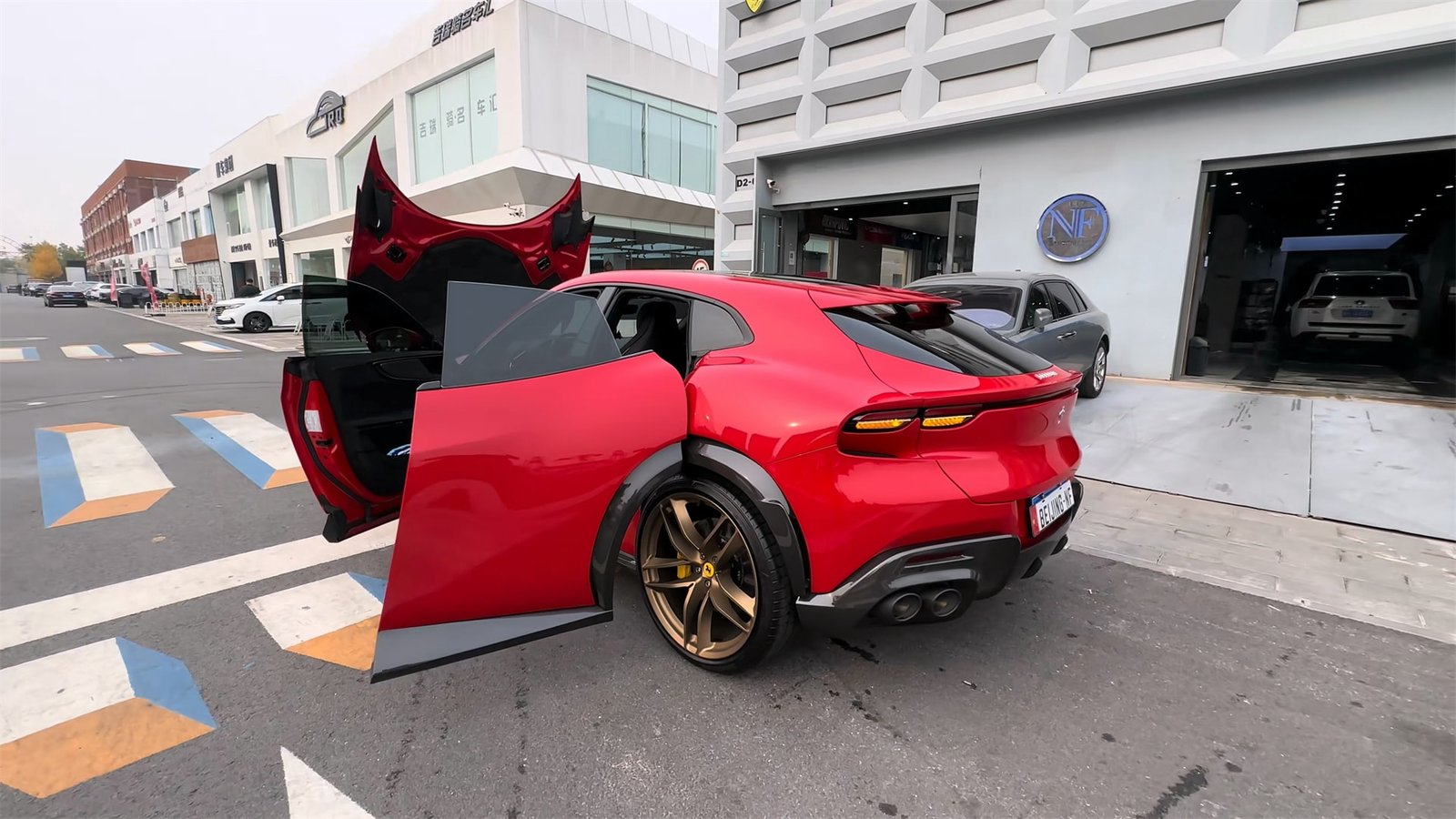
Coach (rear-hinged) doors
High for 2+2, limited for 5
Lamborghini Urus SE
5
Bench or optional buckets
~600+ L
Conventional
Higher family practicality
Aston Martin DBX707
5
Bench
~600 L
Conventional
Strong balance
Porsche Cayenne Turbo GT
4–5
Bench or buckets
~600 L
Conventional
Best everyday usability
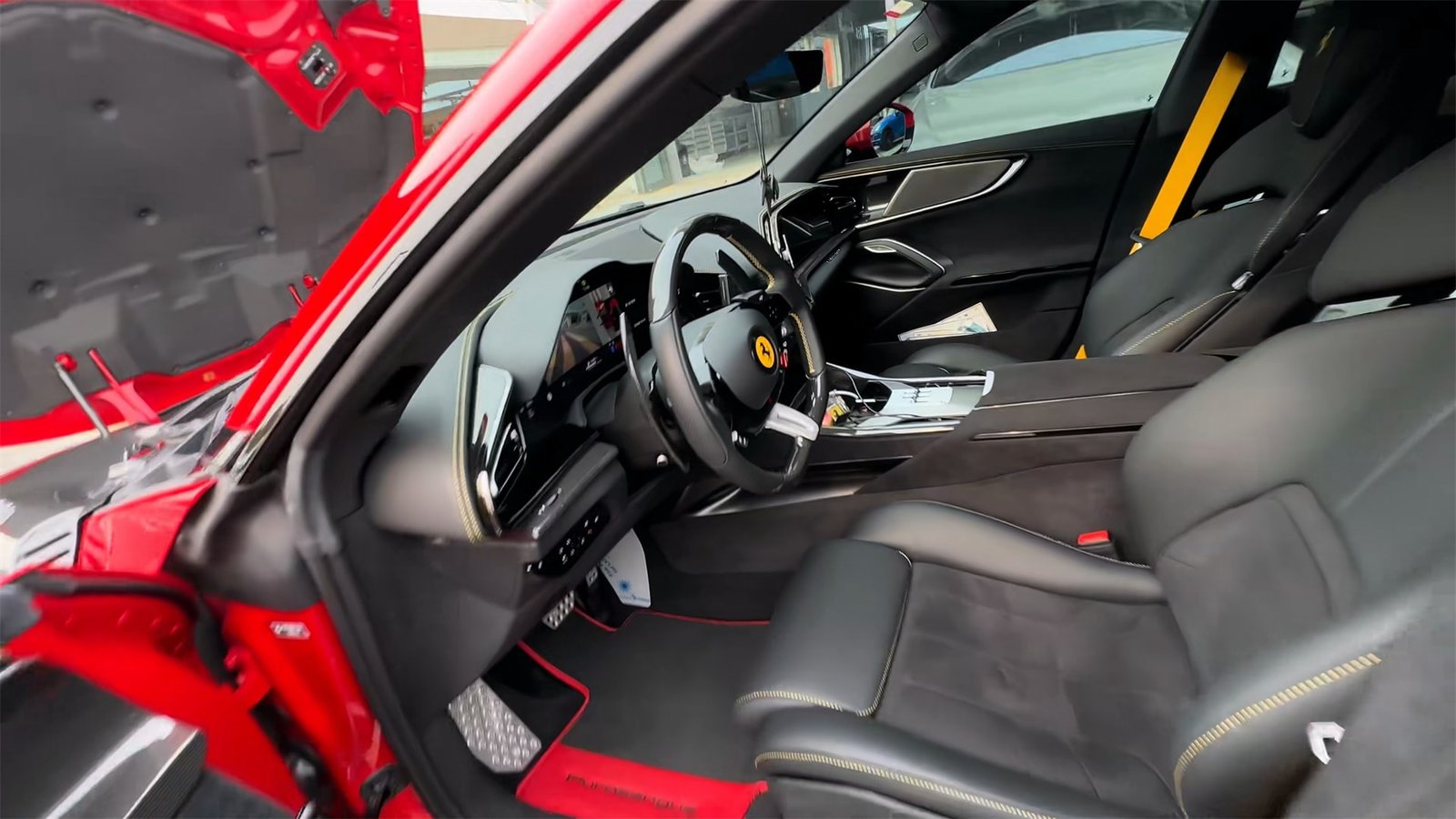
Interior – Ferrari PurosangueInterior – Ferrari Purosangue
Pricing Structure and Real 2026 Market Values
Item
Figure
Context
Base MSRP (recent model year)
$430,000–$435,000 USD
Before options and destination
Typical As-Tested Price
$520,000–$650,000+
Heavy options common
European Base (approx)
€440,000+
Plus options and taxes
UK Base (approx)
£313,000+
Options push many over £400k
Current Low-Mile Used Asking
$540,000–$650,000 median
Many examples above original MSRP
Strongest Premium Examples
$700,000+
Low miles, rare specs, clean history
Production Allocation
Limited (est. few thousand/year globally)
Maintains exclusivity
Sales Performance and Market Position Highlights
Metric
Data Point
Insight
Early Sales (first 8 months)
~1,500 units
Quickly became top-3 Ferrari model by volume
Switzerland 2025
Best-selling Ferrari model
147 units in one market alone
Wait Time for New Allocation
Up to 2 years reported
Strong demand vs constrained supply
Share of Ferrari Total Sales
~11% shortly after launch
Significant for a new body style
Resale Strength
30–50%+ premiums common on clean cars
Better than most performance SUVs
Primary Buyer Profile
Existing Ferrari owners + collectors
High option take rate
Ferrari Purosangue
Expanded Head-to-Head Rival Comparison
Category
Ferrari Purosangue
Lamborghini Urus SE
Aston Martin DBX707
Porsche Cayenne Turbo GT
Winner (Driver Focus)
Power
715 hp
~789 hp (hybrid)
697 hp
631 hp
Urus (raw numbers)
Torque
716 Nm
950 Nm
900 Nm+
850 Nm+
Turbo rivals
0-60 mph
3.3 s
3.4 s
3.1 s
~3.1 s
DBX / Cayenne
Top Speed
193 mph
194 mph
193 mph
190 mph
Urus
Chassis Engagement
Exceptional
Very good
Strong
Excellent daily
Purosangue
V12 / Character
Pure NA V12
Turbo V8 + hybrid
Turbo V8
Turbo V8
Purosangue
Practicality (5 seats)
No
Yes
Yes
Yes
Urus / DBX / Cayenne
Base Price
$430k+
$260k
$240k
$180k
Cayenne (value)
Real-World Premium
Highest resale
Good
Solid
Strong
Purosangue
Ownership and Running Cost Considerations
Item
Estimate / Range
Notes
Fuel Economy (combined)
12–15 mpg US / ~17 L/100 km
Typical for high-output NA V12
Annual Fuel Cost (est.)
High (owner dependent)
100 L tank helps highway range
Service & Maintenance
Ferrari program available
7-year complimentary in some markets
Tire & Brake Replacement
Expensive
Carbon-ceramic lasts longer under normal use
Insurance
Very high
Performance exotic category
Depreciation (projected)
Strong holding or appreciation on clean examples
Supply constraint supports values
Resale Liquidity
Excellent
Low-mile, well-specced cars move quickly
Ferrari Purosangue
xcarspace Buyer Decision Matrix
Buyer Type
Best Fit for Purosangue?
Reason
Alternative Recommendation
Existing Ferrari collector
Yes
Preserves brand DNA in usable format
—
Wants maximum driving engagement
Yes
TASV + V12 combination unmatched
—
Needs 5 full seats regularly
No
Strict 4-seat layout
Urus or DBX707
Prioritizes value / lower entry
No
Highest price in segment
Cayenne Turbo GT or DBX707
Wants hybrid power & efficiency
No
Pure ICE only
Urus SE
Seeks long-term collectibility
Yes
Limited production + strong resale
—
Daily family hauler
Limited
Cargo and rear space adequate only for light use
Porsche or Bentley
Frequently Asked Questions
Does the Purosangue feel like a proper Ferrari on the road?
Yes. The front-mid engine layout, 49:51 weight distribution, and TASV suspension deliver responses closer to a sports car than any other super SUV. Independent testers consistently rank it as the most engaging vehicle in its class.
How limited is production really?
Ferrari has kept allocation deliberately tight since launch. Global output remains in the low thousands per year. This constraint directly supports strong resale performance and multi-year wait times for new cars.
Is the rear seat actually usable for adults?
The individual rear buckets are properly shaped with electric adjustment and good legroom. Two adults can travel comfortably on longer trips. It remains a strict 2+2 layout and is not designed as a five-passenger vehicle.
Will values hold or rise?
Clean, low-mile 2024–2025 examples are already trading at 30–50%+ premiums over original MSRP in multiple markets. Constrained supply combined with sustained demand continues to support strong residual values.
How does it compare to the Urus in daily driving?
The Urus offers more outright power, hybrid options, and five-seat practicality. The Purosangue counters with superior chassis precision, pure V12 character, and a more intimate four-seat grand touring experience.
What about long-term ownership costs and maintenance?
Service costs follow typical Ferrari levels, with extended maintenance programs available. Fuel economy sits in the low teens mpg combined. Carbon-ceramic brakes and strong resale help offset running costs for most owners.