Volkswagen earned its place in automotive history by blending smart engineering with everyday practicality. While many remember the brand for reliable family cars, a select few models raised the bar dramatically. The Beetle, Golf, Passat B5, and Phaeton each represent a defining chapter: from making cars accessible to everyone, to pioneering fun performance, delivering executive refinement, and chasing true luxury. These icons continue to influence modern VW thinking and remain benchmarks for durability and innovation.
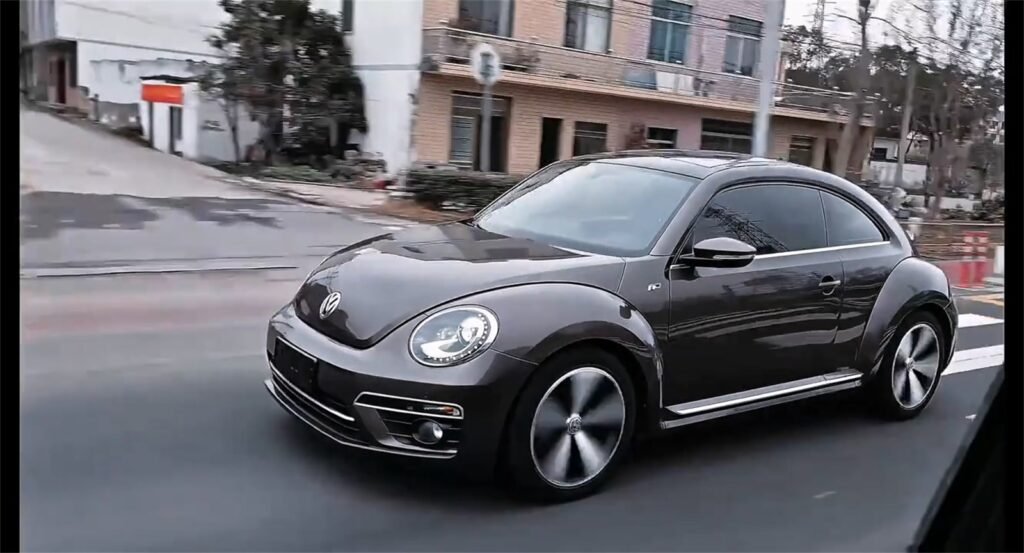
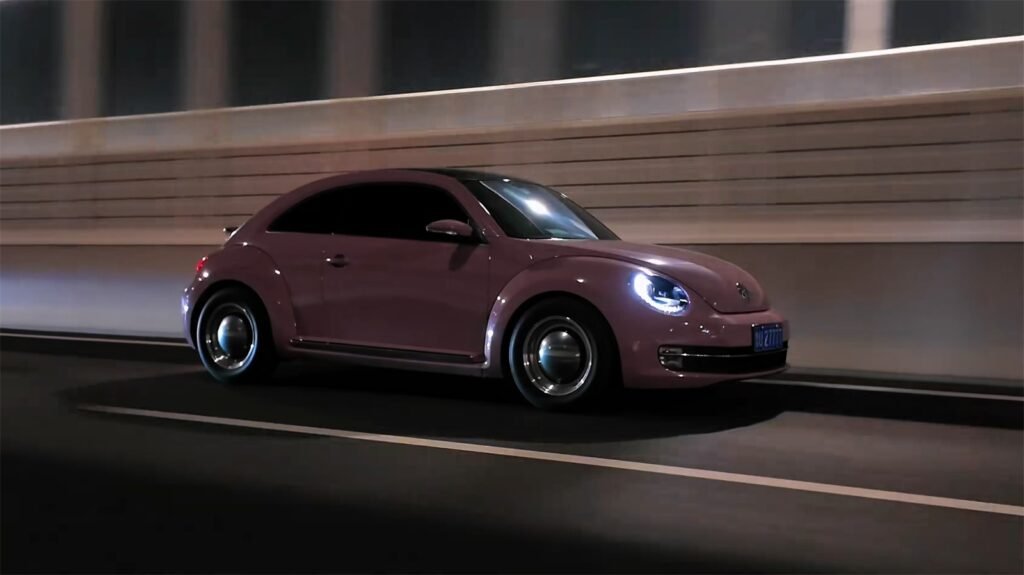
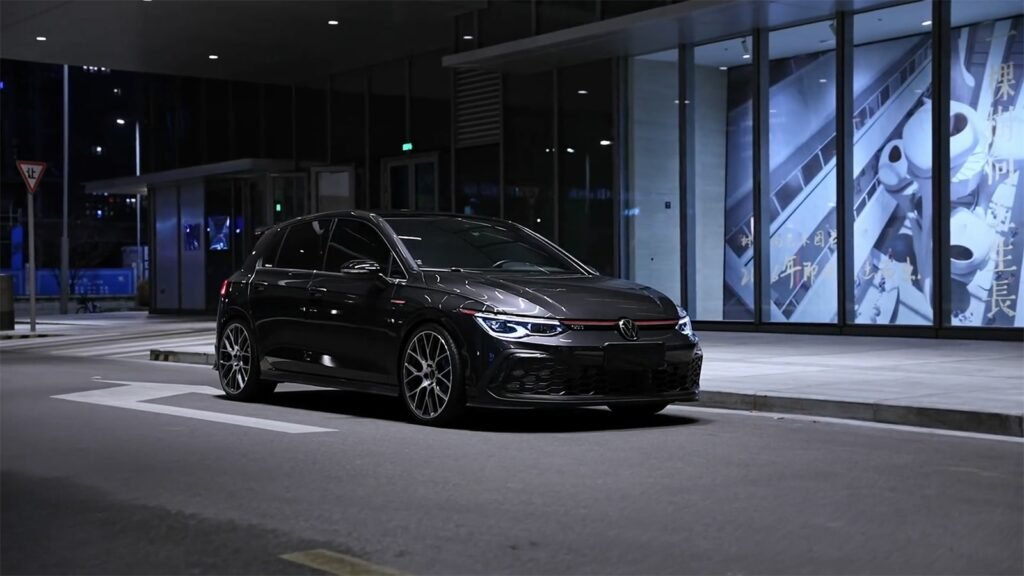
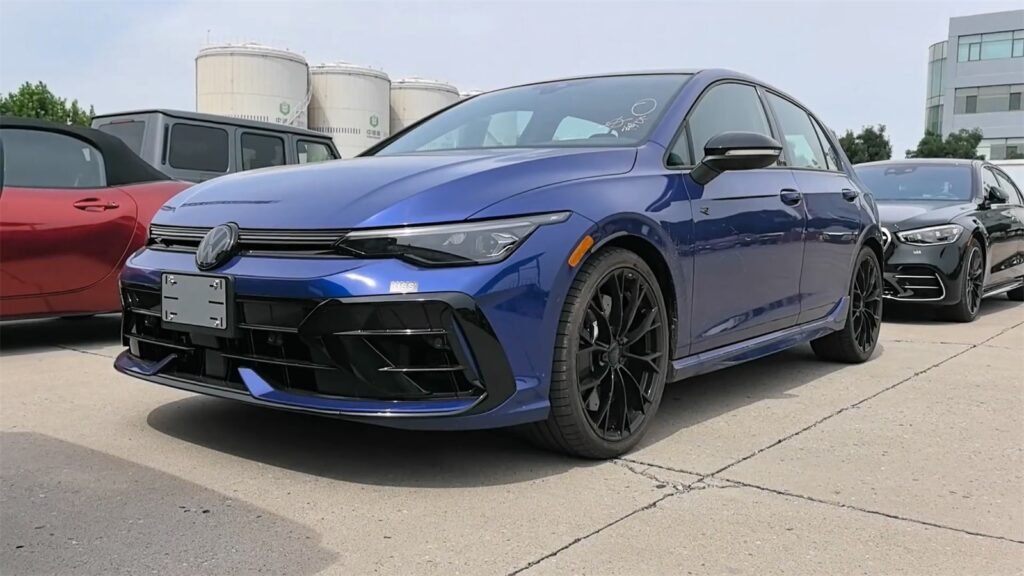
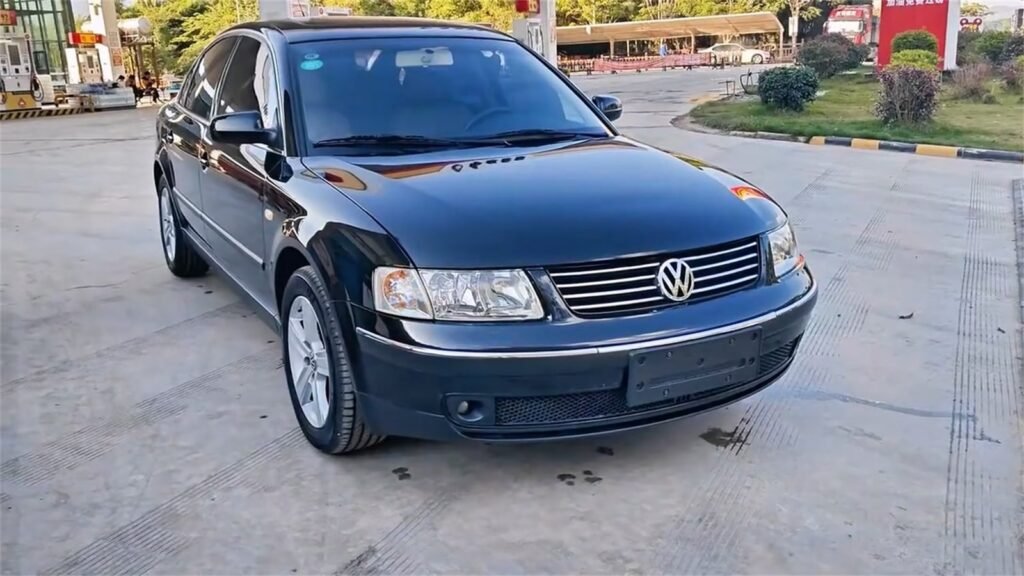
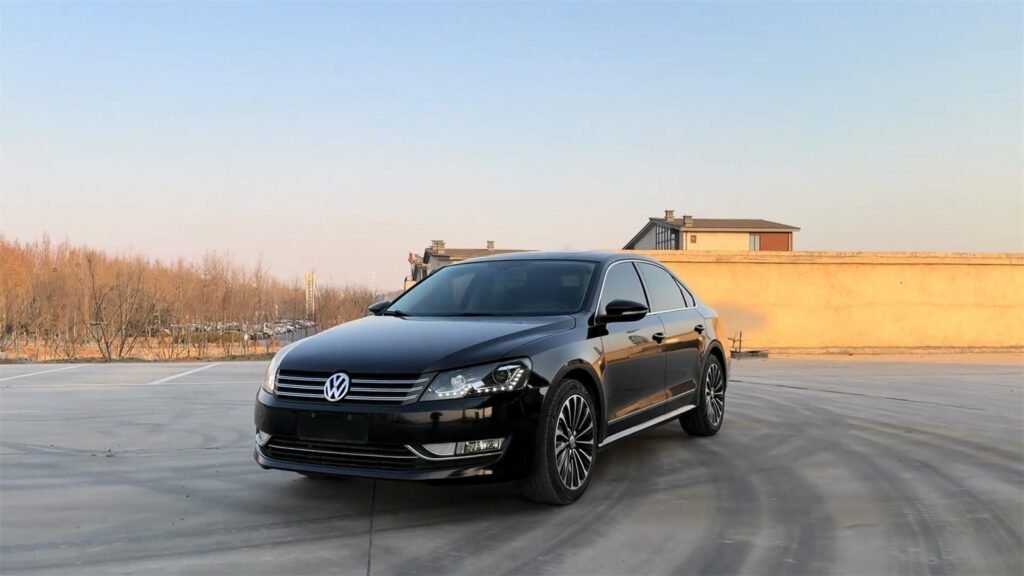
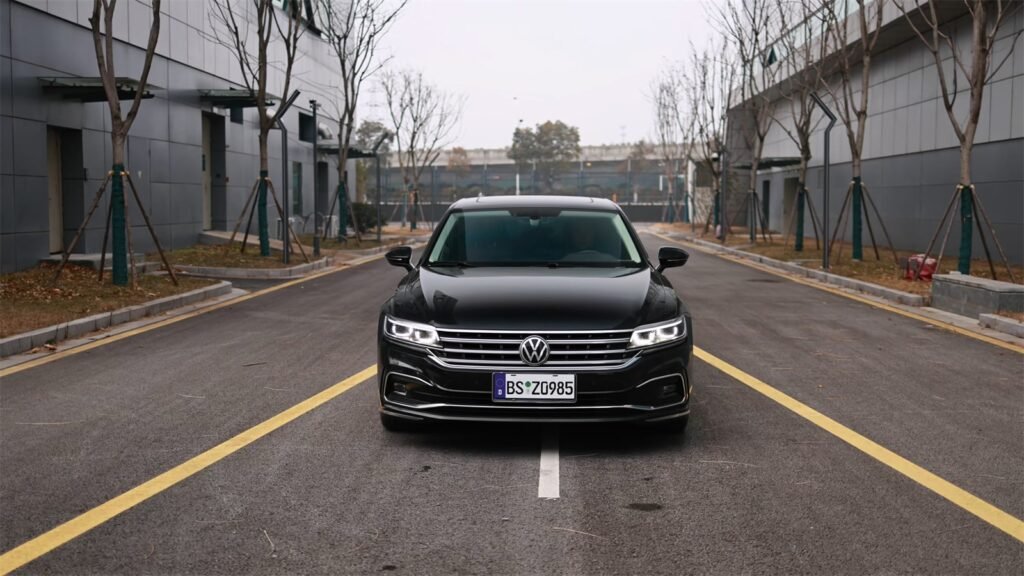
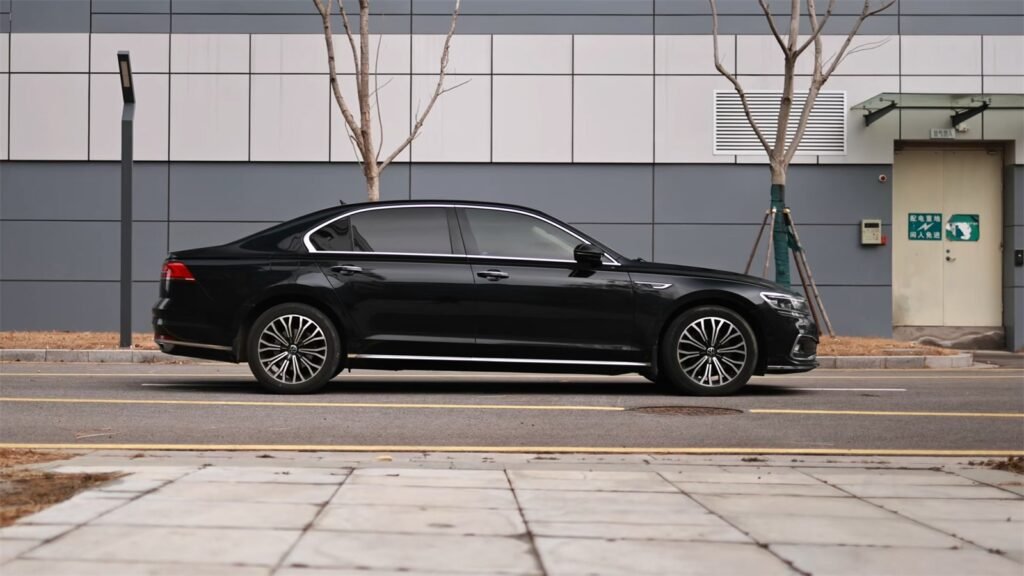
The Beetle: The People’s Champion That Started It All
Ferdinand Porsche designed the Beetle in the late 1930s with a clear goal: create an affordable, tough car for ordinary families. Its air-cooled rear engine, simple mechanics, and rounded shape delivered low running costs and surprising reliability even on poor roads. After World War II, production scaled up and turned the Beetle into a global success story.
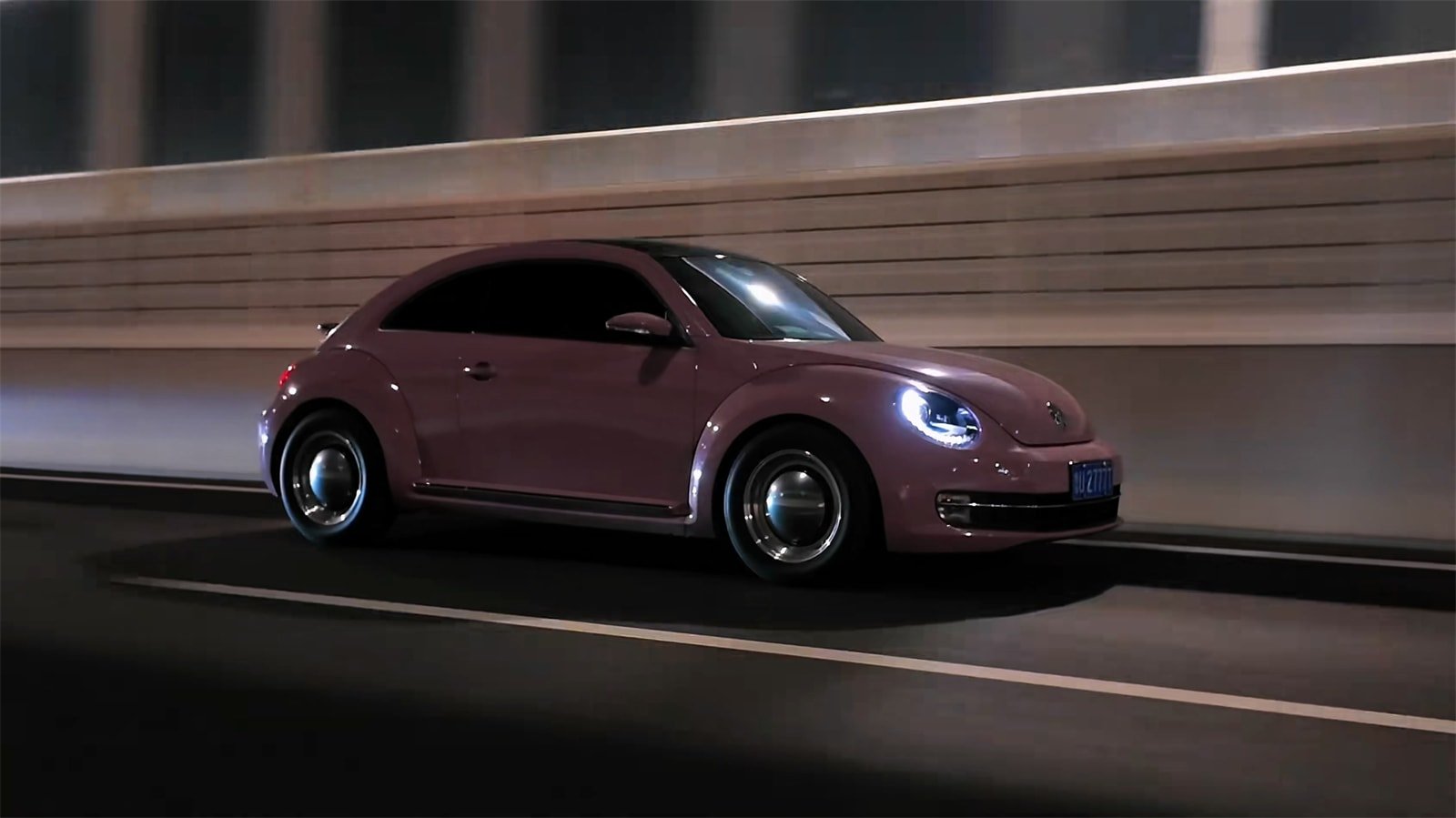
Beetle Production Milestones
| Milestone | Details | Global Impact |
|---|---|---|
| Design Origin | 1938 concept | Affordable daily mobility |
| Record Breaker | 1972 surpassed Model T | 15 million+ units by then |
| Total Output | 21.5 million units | Longest single-platform run |
Beetle Engineering Essentials
| Feature | Specification | Real-World Benefit |
|---|---|---|
| Engine | Rear air-cooled | Simple maintenance |
| Suspension | Torsion bars | Tough on rough terrain |
| Pricing | Around 990 Reichsmarks | Opened car ownership to masses |
The Beetle proved that smart simplicity could conquer the world and laid VW’s foundation of durable, no-nonsense design.
The Golf: The Modern Icon That Saved VW and Sparked a Revolution
By the early 1970s the Beetle felt dated. VW needed a fresh start. The 1974 Golf Mk1, penned by Giorgetto Giugiaro, introduced front-wheel drive, water-cooled engines, and a practical hatchback body. It quickly became a European favorite. The 1976 GTI version added sporty tuning and essentially invented the hot hatch category.
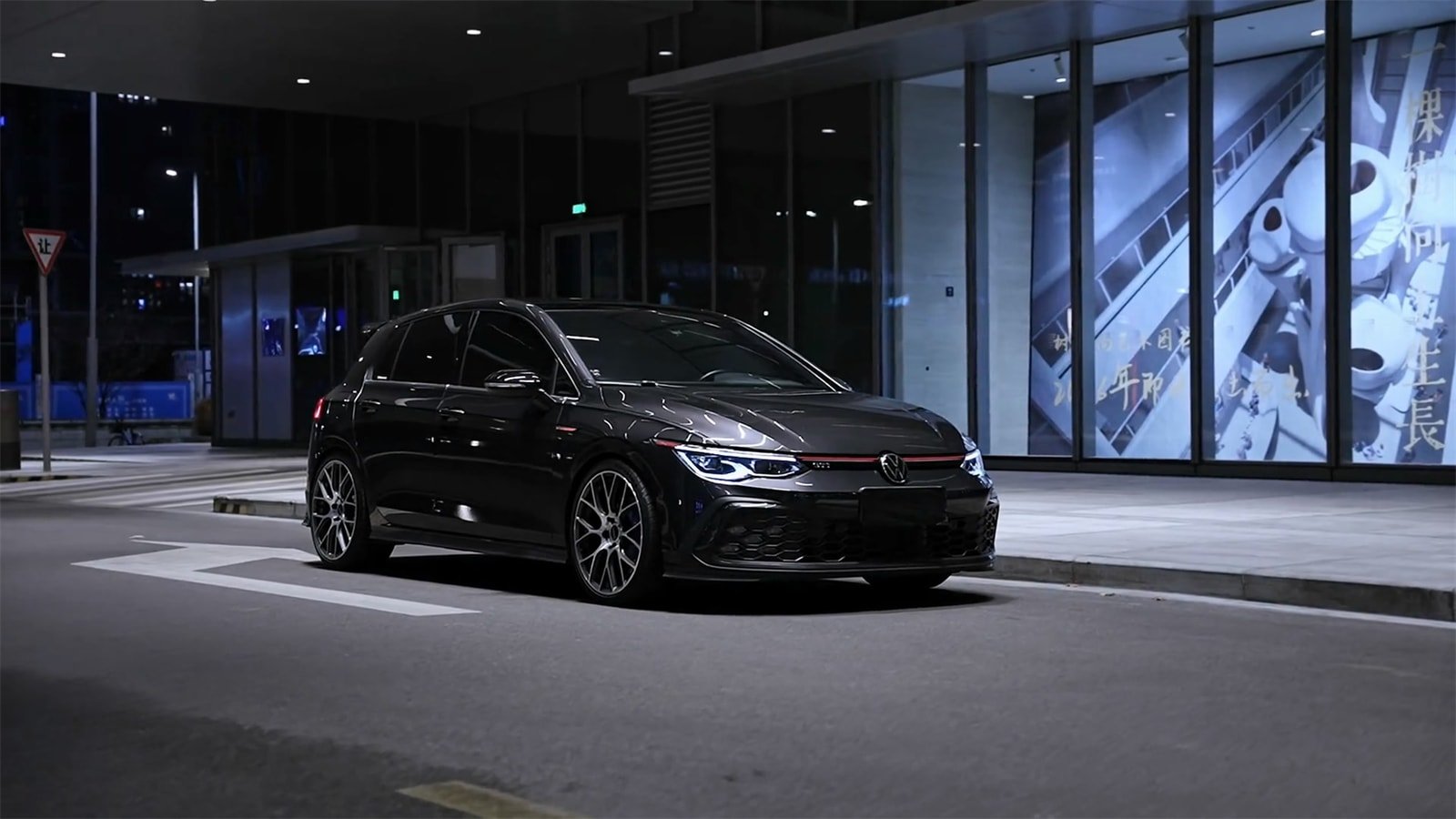
Golf Mk1 Performance and Sales
| Metric | Figure | Why It Mattered |
|---|---|---|
| Planned Build | 5,000 units | Demand exploded |
| First Generation | Over 460,000 produced | Instant bestseller |
| Family Total | 35 million+ | VW’s long-term volume king |
Key Shift from Beetle to Golf
| Aspect | Beetle Era | Golf Mk1 | Advantage Gained |
|---|---|---|---|
| Drive System | Rear-engine RWD | Front-engine FWD | Improved space and grip |
| Engine Type | Air-cooled | Water-cooled | Better efficiency |
| Driving Character | Reliable basic | Sporty GTI fun | Daily excitement |
The Golf allowed VW to move forward while keeping its practical soul intact and influencing performance cars for decades.
The Passat B5: The Refined Business Sedan That Raised Expectations
In 1996 VW targeted mid-size executive buyers with the Passat B5. Sharing its platform with the Audi A4 brought premium engineering to a mainstream price point. Sophisticated suspension, excellent aerodynamics, and strong engines made it ideal for comfortable long-distance driving.
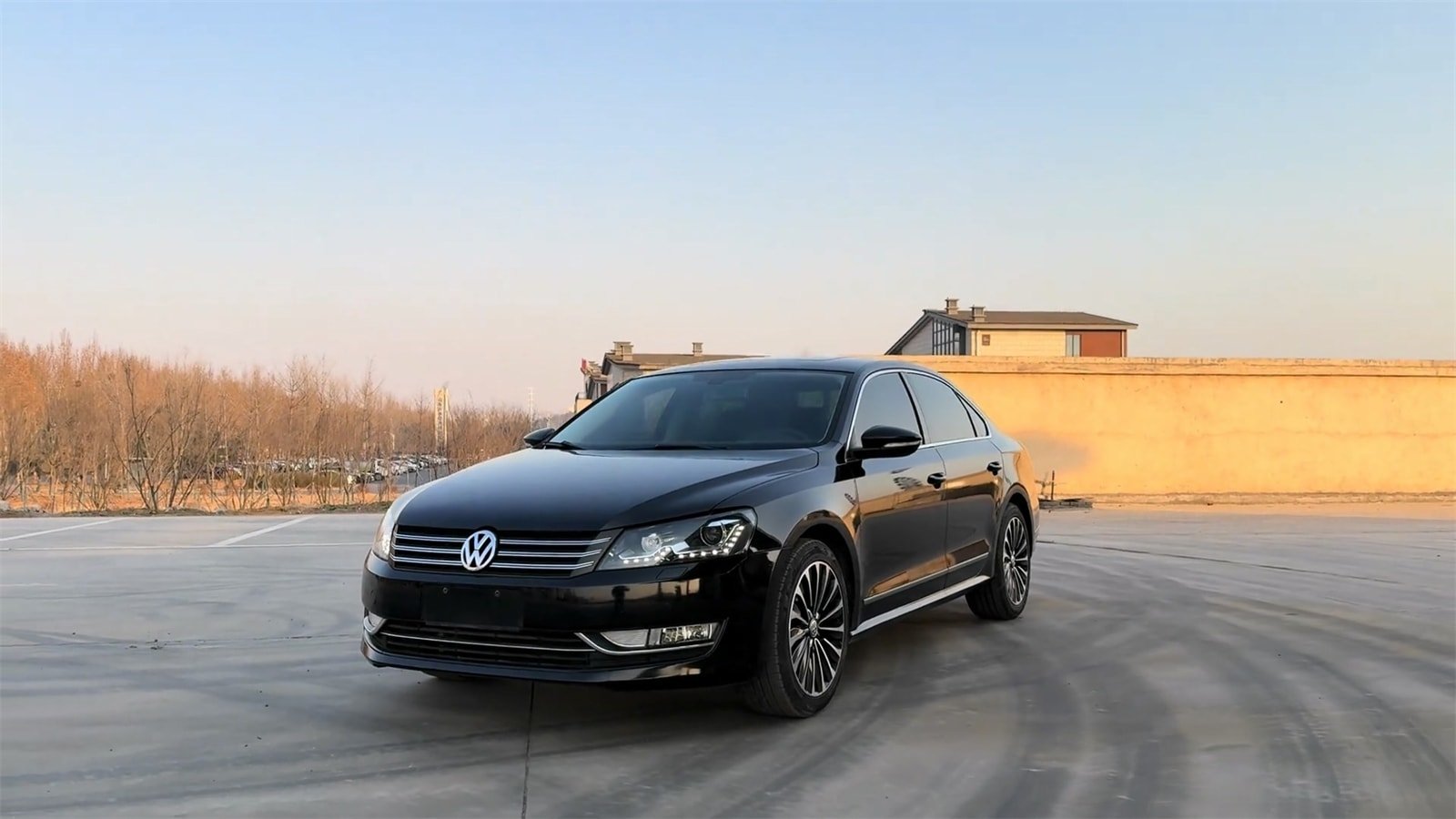
Passat B5 Technical Highlights
| Category | Details | Owner Benefit |
|---|---|---|
| Suspension | 4-link front, independent rear | Smooth highway ride |
| Aerodynamics | 0.27 drag coefficient | Stability and efficiency |
| Engines | 1.8T, V6, TDI options | Flexible power choices |
Why Enthusiasts Still Love the B5
| Strength | Description | Modern Appeal |
|---|---|---|
| Quality Feel | Premium materials | Timeless cabin |
| Market Role | Fleet and executive favorite | Refined used buy |
| Reputation | King of business sedans | Strong enthusiast following |
The B5 showed VW could deliver near-luxury comfort without the luxury badge price.
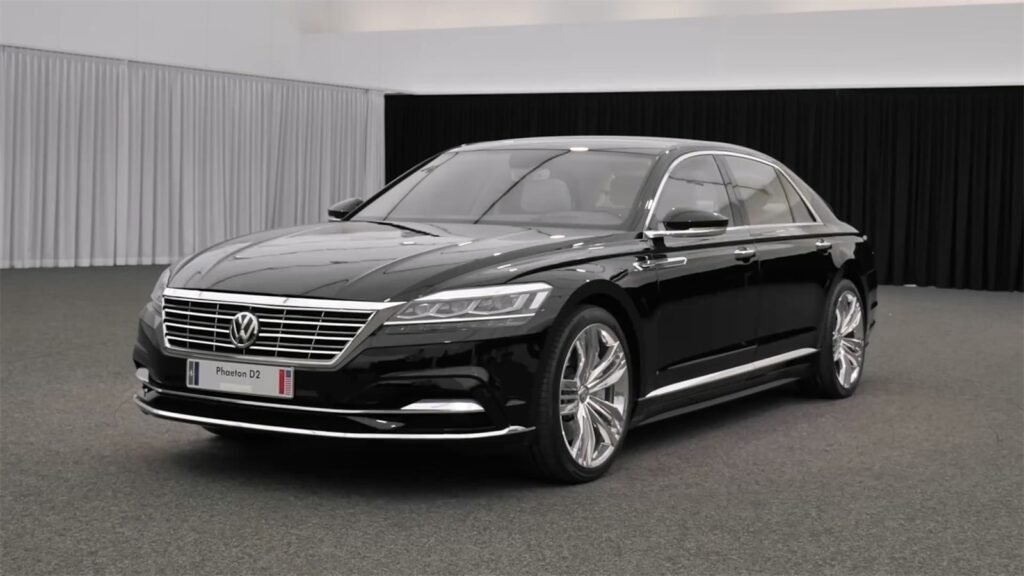
The Phaeton: VW’s Bold Leap into True Luxury Territory
Launched in 2002, the Phaeton was VW’s first serious flagship. Hand-assembled in Dresden’s Transparent Factory, it featured advanced air suspension, a hybrid steel-aluminum body, and powerful engines including a W12. Engineers pushed every limit to prove VW’s technical capability.
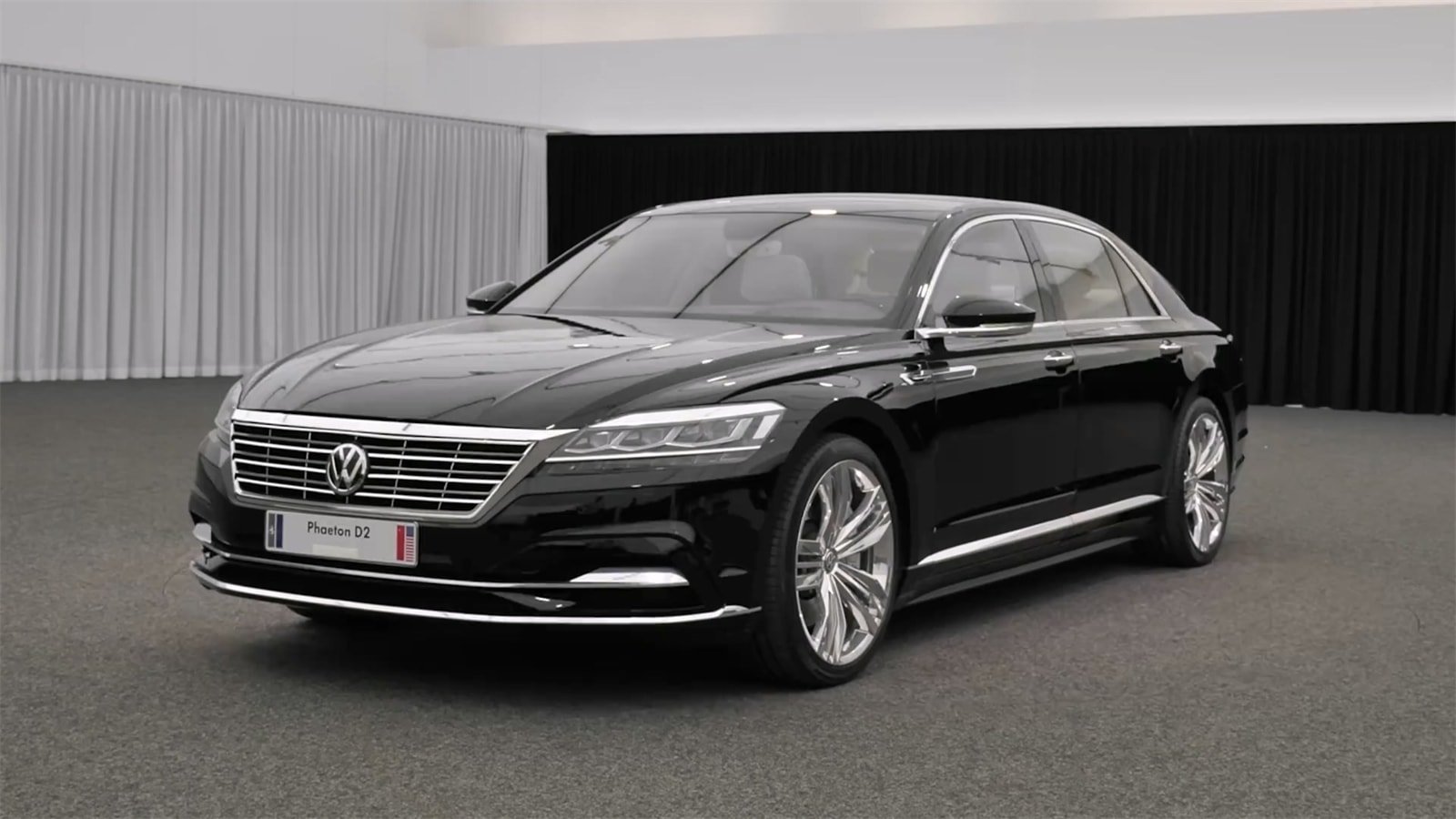
Phaeton Powertrain Options
| Engine | Power Output | Acceleration | Key Trait |
|---|---|---|---|
| 4.2L V8 | Around 335 hp | About 6.5 sec 0-60 | Balanced daily luxury |
| 6.0L W12 | 420+ hp | Around 6.0 sec | Flagship performance |
Phaeton Production Facts
| Metric | Data | Significance |
|---|---|---|
| Total Built | Approximately 84,000 | 2002 to 2016 |
| Assembly | Dresden factory | Hand-built attention |
| Engineering Goal | Cabin comfort at high speeds | Extreme testing standards |
Though sales were limited, the Phaeton demonstrated what VW engineering could achieve at the highest level and remains a respected cult classic today.
VW Soul Cars Compared at a Glance
Overall Legacy Summary
| Model | Era | Core Strength | Production Scale | Today’s Standing |
|---|---|---|---|---|
| Beetle | 1938–2003 | Simplicity and toughness | 21.5 million+ | Cultural icon |
| Golf Mk1 | 1974 onward | Practical performance | 35 million+ family | Hot hatch pioneer |
| Passat B5 | 1996–2005 | Executive comfort | Strong in fleets | Refined classic |
| Phaeton | 2002–2016 | Overbuilt luxury | Around 84,000 | Underrated gem |
These four models capture VW’s journey perfectly: starting with the people, moving to performance, excelling in business, and daring to go luxury. They all share obsessive attention to engineering detail and long-term value.
Which of these legends would you love to own or drive? The humble Beetle, the fun Golf, the comfortable Passat, or the sophisticated Phaeton? Let us know in the comments.
FAQ
| Question | Answer |
|---|---|
| Why does the Beetle remain historically significant? | It achieved unmatched production volume and longevity while becoming a true global cultural symbol. |
| Did the Golf really create the hot hatch segment? | Yes, the 1976 GTI version essentially defined the fun-yet-practical performance hatch category. |
| What stands out about the Passat B5? | Its premium platform, refined ride, and build quality made it a standout executive sedan of its time. |
| Why was Phaeton sales modest? | Strong loyalty to traditional luxury brands and VW’s mainstream image held back wider acceptance despite superior engineering. |
| Are these models worth buying today? | Yes—clean examples of early Golfs, well-kept B5s, and low-mileage Phaetons offer strong character and enthusiast value. |
This analysis draws from established automotive history and real-world owner experiences to highlight what truly made these Volkswagens special.