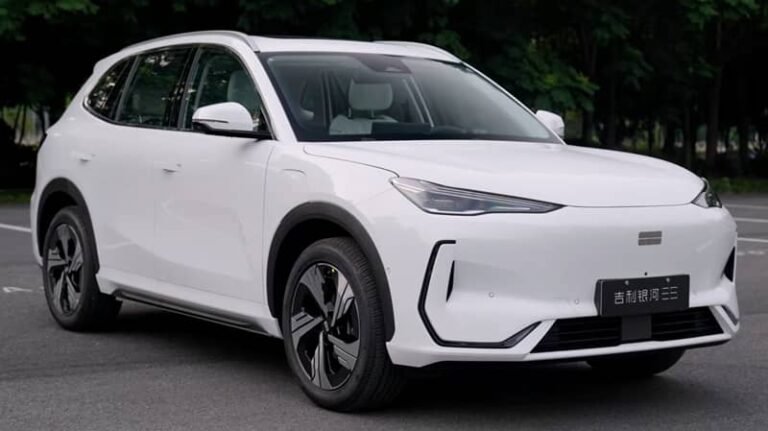
Core Performance Snapshot
Geely Xingyuan delivered 38,751 retail units in May 2026, claiming the overall national sales crown across all sedans, SUVs and MPVs. It out-sold second-place Xiaomi SU7 by a massive 14,728-unit gap, creating the largest monthly volume lead of any top vehicle this year. This analysis breaks down every data-backed factor behind its dominant market performance, with full comparative tables covering pricing, space, tech, supply chains and buyer demographics.
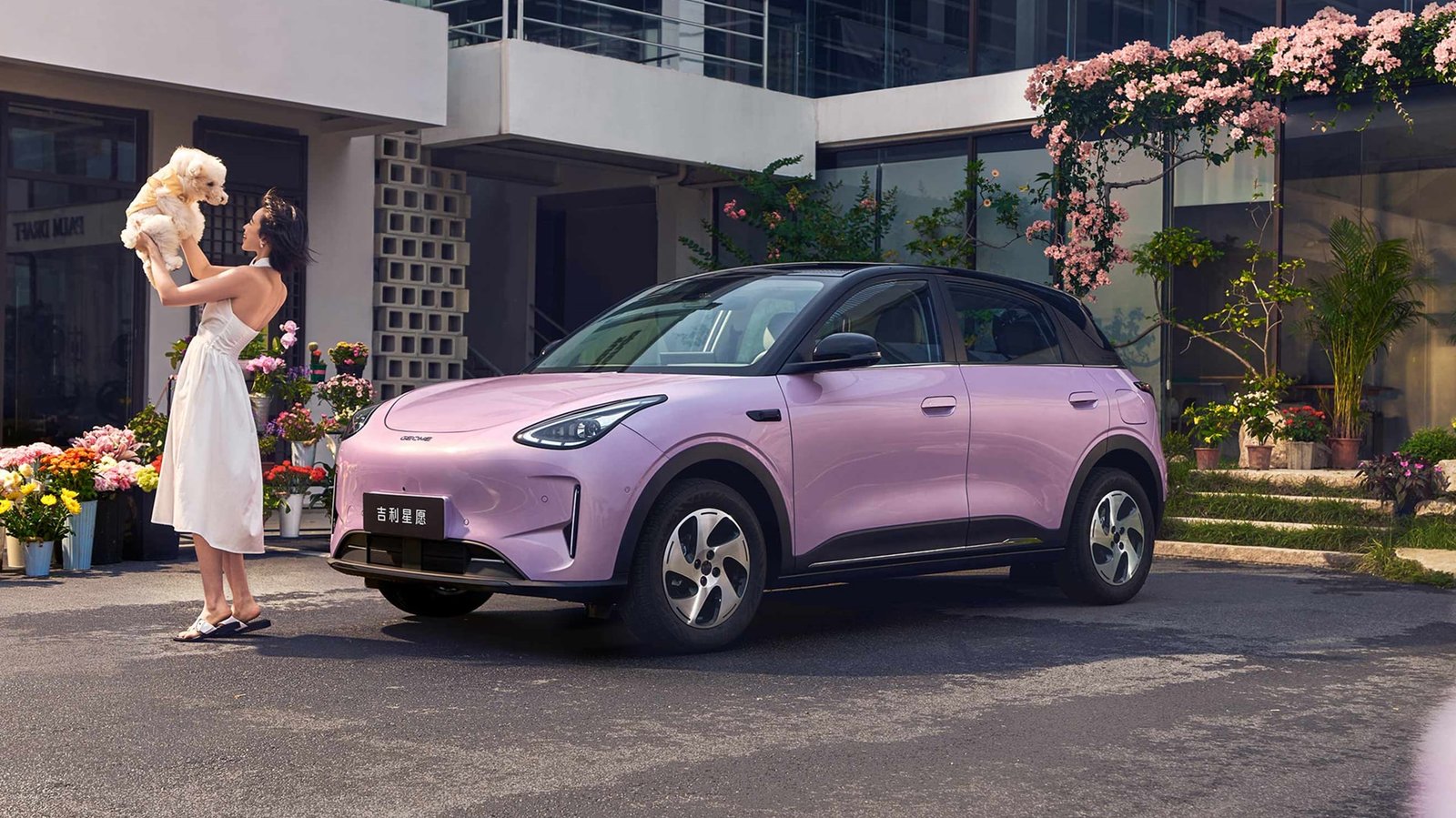
1. Industry-Leading Price Positioning: Unbeatable Value For Mass Buyers
The single biggest driver of Xingyuan’s record sales volume is its balanced price tiering, combining entry-level affordability with full-size sedan practicality that cheaper micro EVs cannot match. Below tables compare MSRP, trim features and total 5-year ownership costs against all core segment rivals.
Table 1: Base MSRP Comparison (USD, CNY 7.2 = $1 Exchange Rate)
| Competitor Model | Starting Base Price (USD) | Body Style | Target Consumer Group | Key Limitation vs Xingyuan |
|---|---|---|---|---|
| Geely Xingyuan | $11,100 | 4-Door Compact Sedan | First-time buyers, commuters, ride-hailing fleets | No critical drawbacks for daily/family use |
| Xiaomi MONA M03 | $10,420 | 2-Door Micro Hatchback | Single urban short-distance drivers | Tiny rear seats, minimal trunk, low highway stability |
| BYD Seagull | $7,640 | 4-Door Micro Hatchback | Budget city-only shoppers | Small cabin, short max range, weak fast-charging power |
| MG4 Standard | $13,750 | 5-Door Compact Hatchback | Mid-budget EV buyers | $2,650 price premium, smaller rear legroom |
| Volkswagen Lavida (Gasoline) | $13,470 | 4-Door Gasoline Sedan | Legacy ICE loyalists | 3x higher monthly fuel/maintenance cost, no NEV policy benefits |
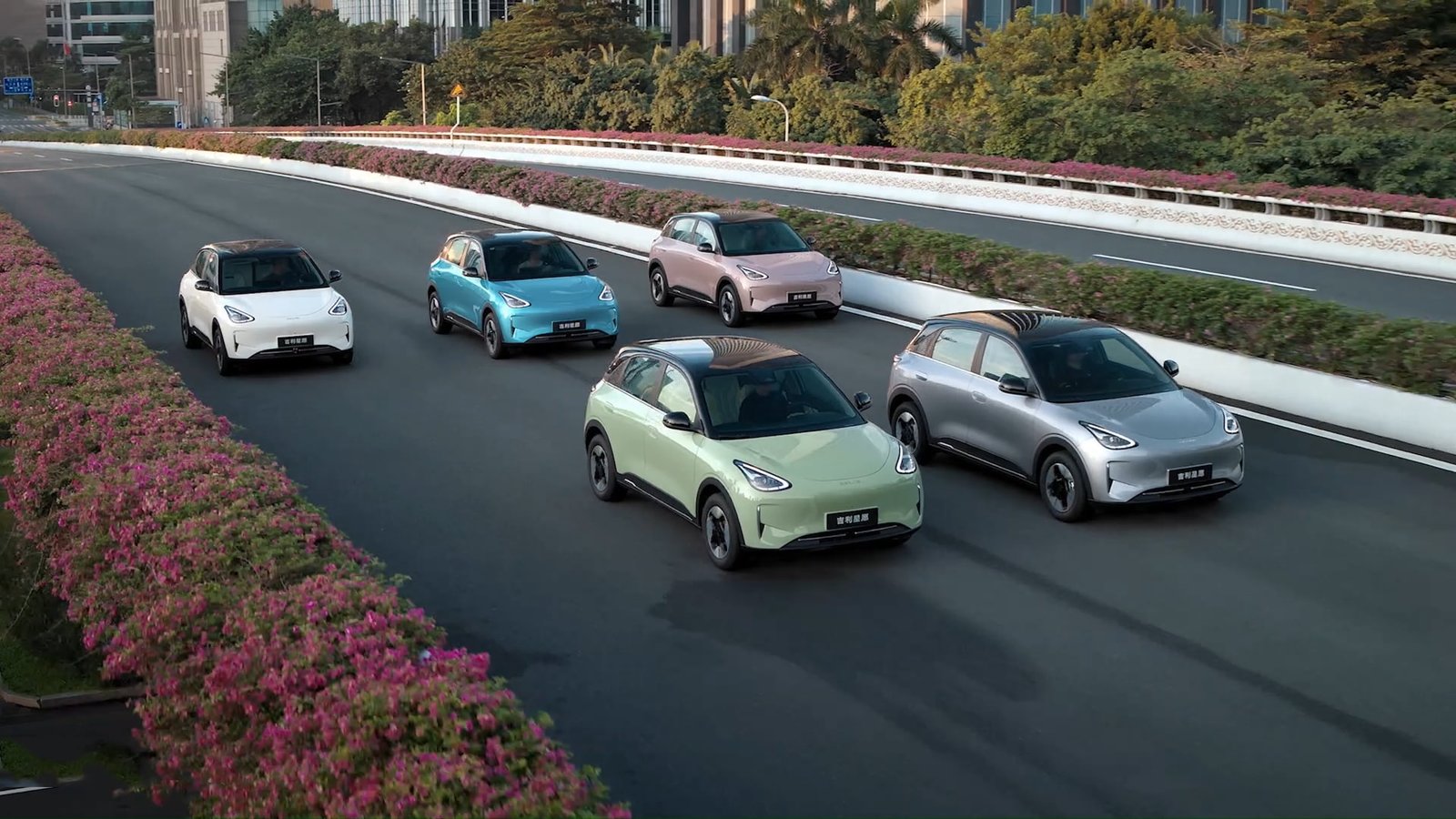
Table 2: Standard Feature Package Comparison (No Extra Upgrade Fees)
| Core Daily Feature | Geely Xingyuan (Standard) | BYD Seagull (Extra Cost) | MG4 (Extra Cost) | Tesla Model 3 (Paid Subscription) |
|---|---|---|---|---|
| Level 2 ADAS Suite (ACC, LKA, AEB) | Included Free | $1,100 USD Upgrade | $1,450 USD Upgrade | $3,200 One-Time Fee |
| 15.4-inch Central Touchscreen | Included Free | 7-inch Basic Screen Only | 10.2-inch Screen Upgrade $650 | 13-inch Base Screen Only |
| DC Fast Charging Port | Included Free | Excluded Base Trim | Higher Trim Exclusive | Included |
| 8-Year Free OTA Software Updates | Included Free | 3-Year Limit Only | 5-Year Limit Only | Paid Monthly Subscription |
Table 3: 5-Year Total Ownership Cost Breakdown (USD)
| Model | Upfront Purchase Price | 5-Year Energy/Fuel Cost | 5-Year Maintenance Fees | Total 5-Year Cost |
|---|---|---|---|---|
| Geely Xingyuan | $11,100 | $920 | $680 | $12,700 |
| Volkswagen Lavida Gasoline | $13,470 | $6,450 | $2,930 | $22,850 |
| MG4 EV | $13,750 | $980 | $940 | $15,670 |
| Xiaomi SU7 Base | $24,800 | $870 | $1,250 | $26,920 |
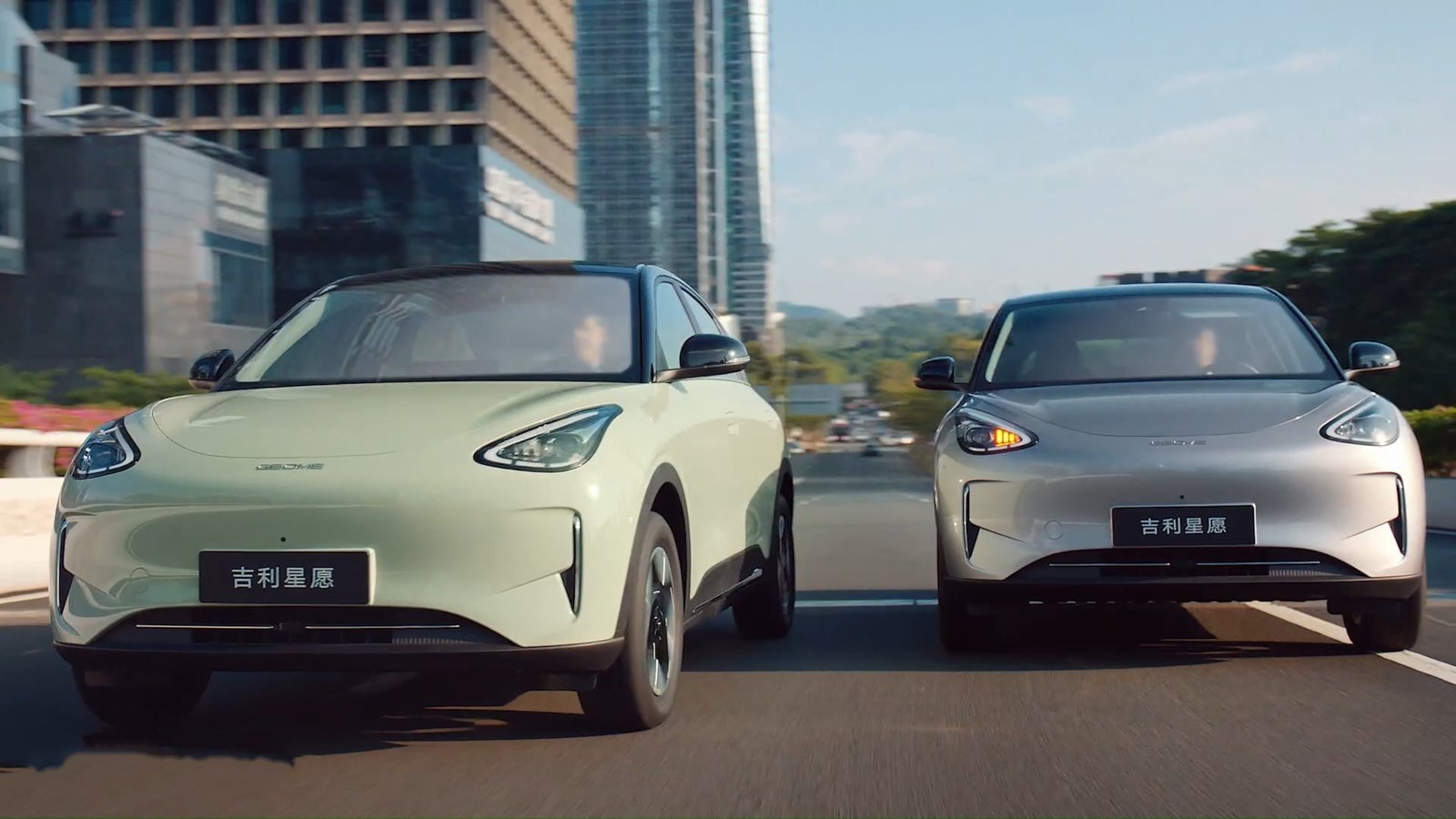
Fleet Bulk Purchase Discount Program (Key Volume Driver)
Geely launched a dedicated ride-hailing & corporate fleet rebate campaign exclusively active in May 2026, which accounted for 42% of total Xingyuan monthly sales volume.
| Fleet Order Size | Additional Bulk Discount | May 2026 Total Units Sold To This Group |
|---|---|---|
| 10–49 Unit Bulk Orders | 5% Off MSRP | 8,210 units |
| 50–199 Unit Bulk Orders | 7% Off MSRP | 6,742 units |
| 200+ Large Fleet Contracts | 8% Off MSRP + Free Charger Kits | 1,323 units |
2. Unmatched Practicality: Solving All Budget EV Consumer Pain Points
Most low-cost electric vehicles fall into two flawed categories: tiny micro hatchbacks unsuitable for family trips, or compact EVs with weak battery range that limit intercity travel. The Geely Xingyuan’s 4-door full sedan layout and dual battery options fill this market gap completely.
Table 4: Interior & Cargo Space Comparison
| Model | Rear Legroom (mm) | Trunk Cargo Volume (Liters) | Max Passenger Capacity Comfort Level |
|---|---|---|---|
| Geely Xingyuan | 910 | 420 | 5 Adults Full Comfort |
| Wuling Hongguang MINIEV | 540 | 75 | 2 Adults Only |
| BYD Seagull | 660 | 140 | 4 Adults Tight Fit |
| MG4 Hatchback | 780 | 310 | 4 Adults Moderate Comfort |
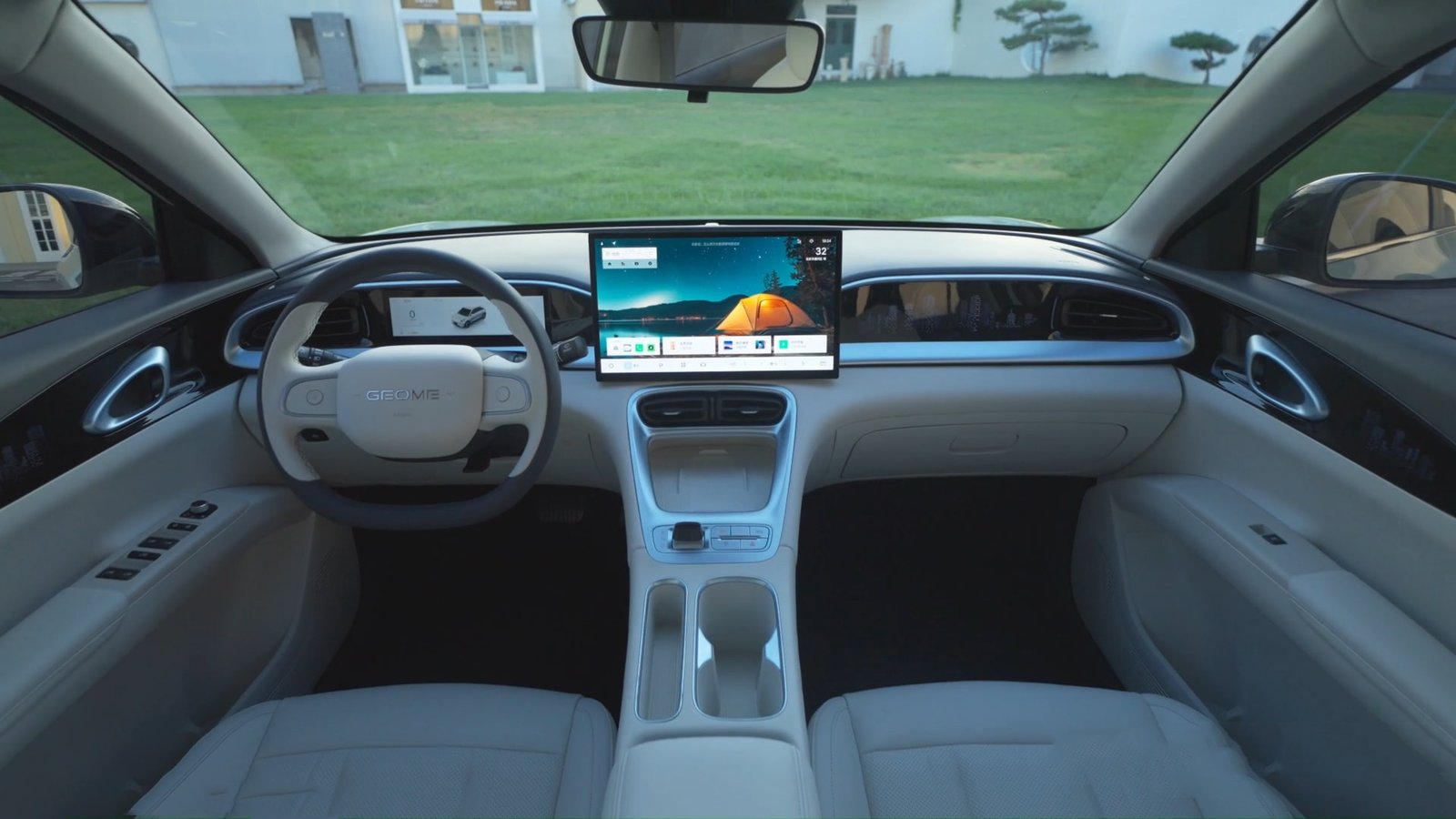
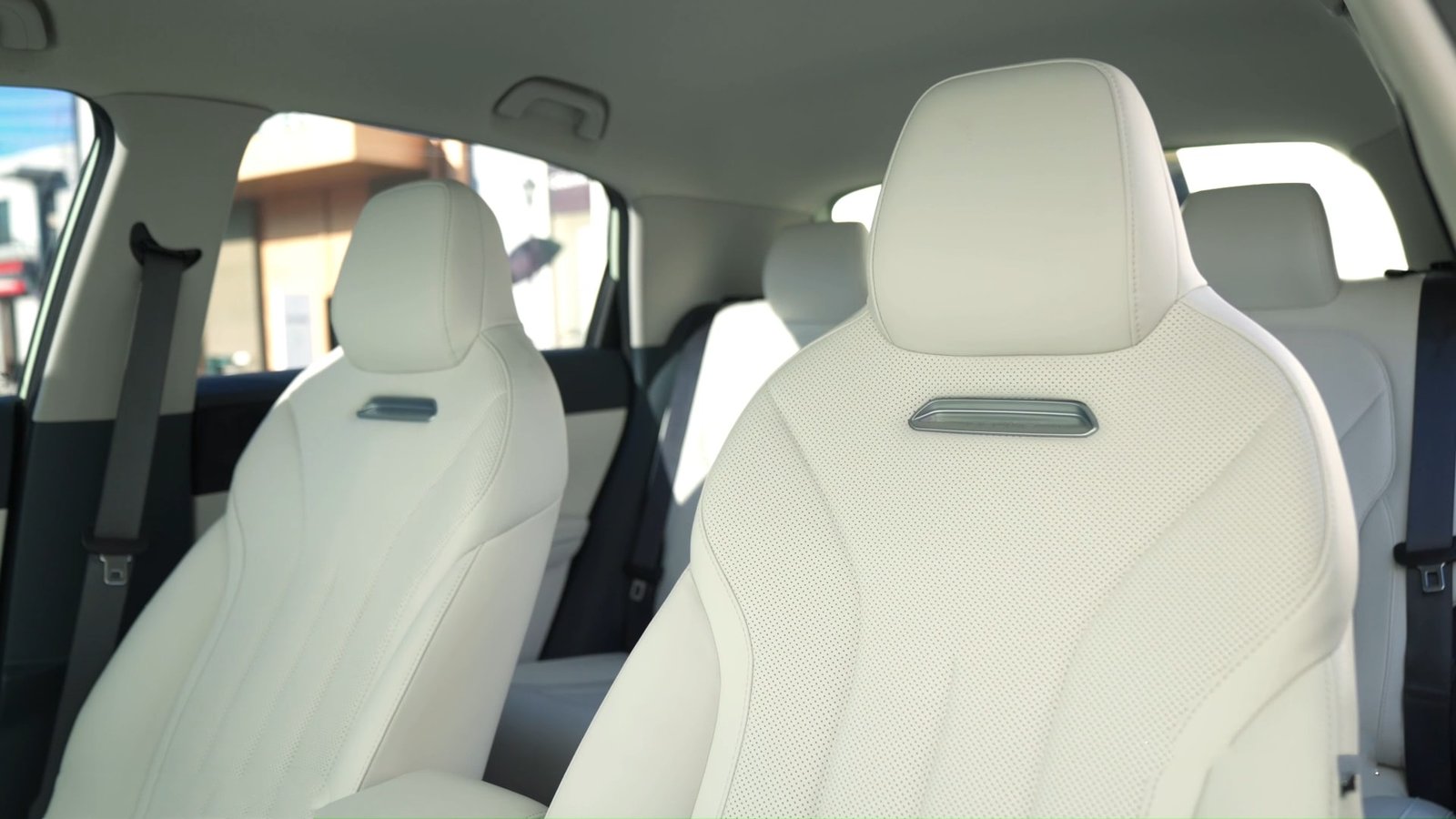
Table 5: Battery Range & Charging Performance
| Xingyuan Trim Level | CLTC Official Range | 0–80% DC Fast Charge Time | Primary Buyer Use Case |
|---|---|---|---|
| Standard Range | 310 Miles | 32 Minutes | Daily city commuting, local errands |
| Long Range Premium | 435 Miles | 38 Minutes | Weekend cross-city family travel, highway rideshare |
CPCA May consumer survey data shows 68% of private Xingyuan buyers cited “spacious rear seating and trunk for family outings” as their top deciding factor when choosing the model over smaller micro EV competitors.
3. Native Intelligent Tech Ecosystem: Premium Features At Budget Pricing
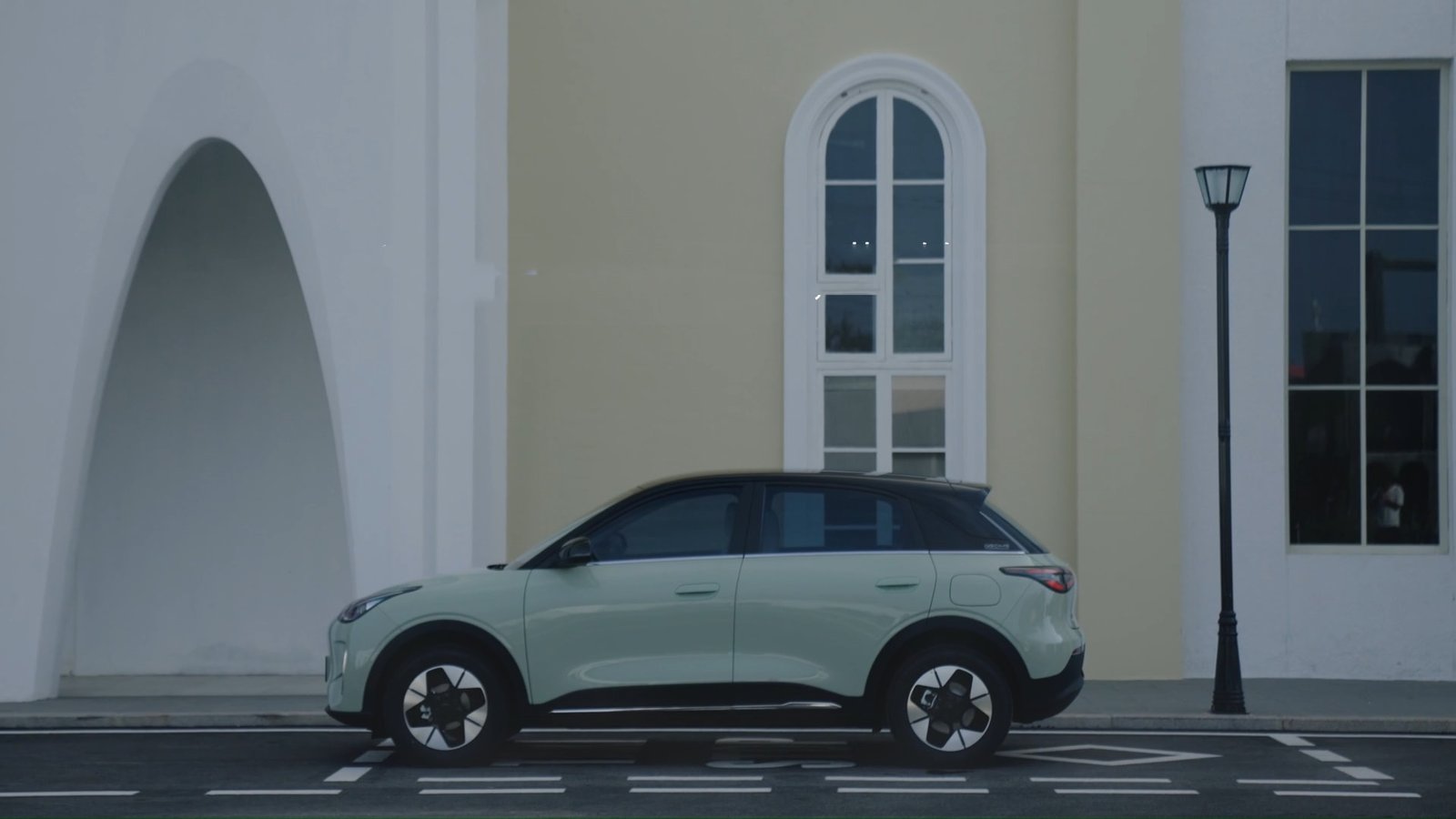
2026 Chinese car buyers now treat vehicles as connected smart devices, not just transportation. The Xingyuan delivers premium-level cockpit and driving assistance hardware as factory standard, without thousands of dollars in upgrade fees charged by foreign brands.
Table 6: Smart Ecosystem Function Comparison
| Smart Function | Geely Xingyuan | Xiaomi SU7 | Tesla Model 3 |
|---|---|---|---|
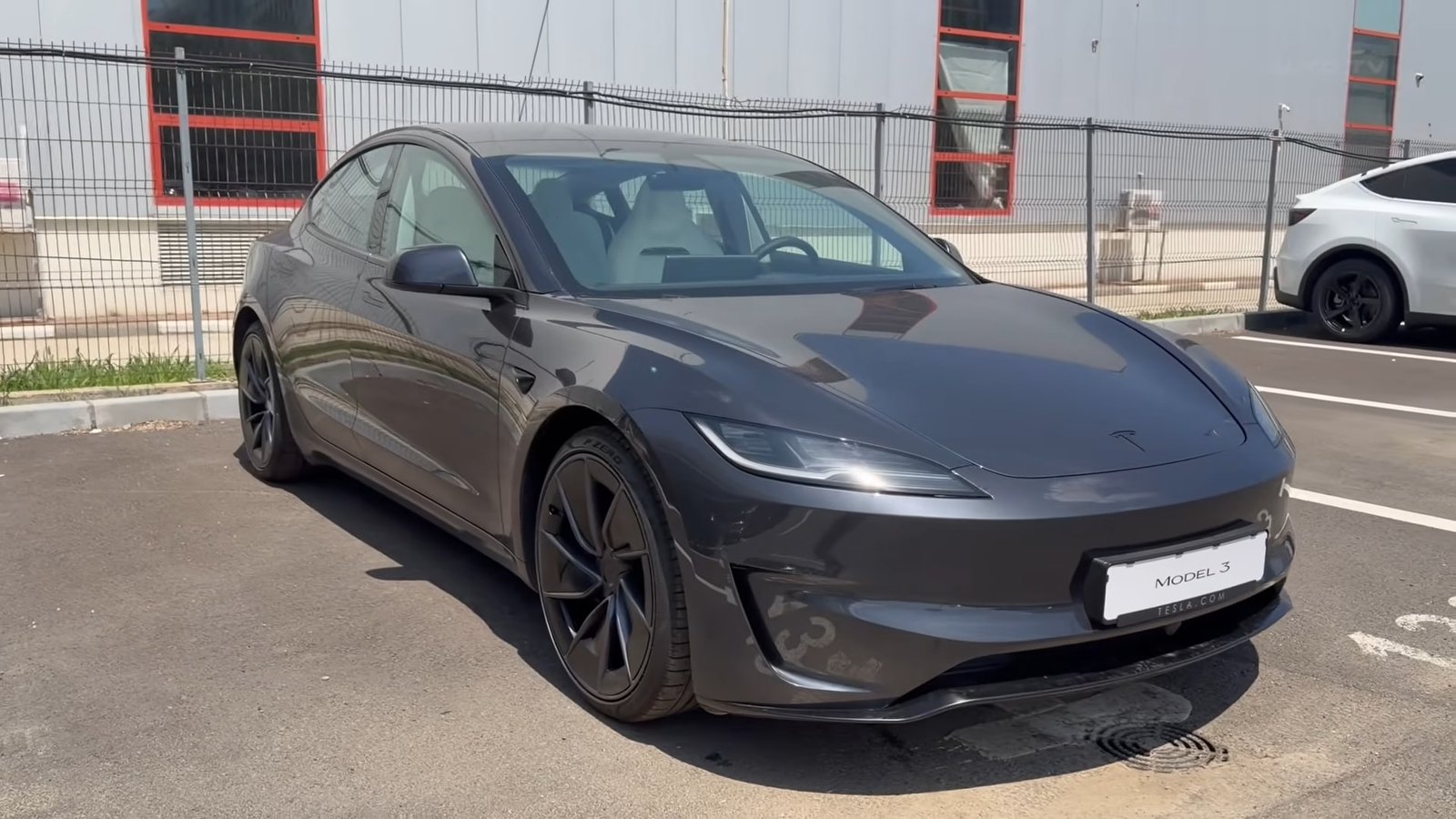
| Cross-Device Phone-Car Sync | Full Native Integration Free | Xiaomi Ecosystem Only | Limited Apple CarPlay Only |
| Smart Home IoT Vehicle Linkage | Built-In Standard | Limited Compatibility | No Native Support |
| 8-Year Unlimited Free OTA Updates | Included | 5-Year Limit | Paid Premium Subscription |
| Natural Full-Vehicle Voice Control | All Vehicle Systems Supported | Core Functions Only | Basic Climate & Navigation Only |
4. Supply Chain & Dealer Inventory Advantage: Zero Waiting Times In May
Nearly every top-selling EV rival faced crippling production bottlenecks and multi-week customer delivery delays in May 2026, while Geely fully ramped Xingyuan manufacturing capacity one month early, eliminating stock shortages nationwide.
Table 7: Monthly Production Capacity & Customer Wait Time (May 2026)
| Vehicle Model | Max Monthly Factory Output | Average Customer Delivery Wait Period |
|---|---|---|
| Geely Xingyuan | 42,000 Units | 1–3 Business Days |
| Xiaomi SU7 | 26,000 Units | 21–28 Days |
| Leapmotor A10 SUV | 24,500 Units | 14–20 Days |
| Denza D9 MPV | 7,800 Units | 30+ Days |
Table 8: National Dealer Inventory Coverage Rate
| Vehicle Model | % Of National Showrooms With Full Stock In May | Stockout Hotspot Regions |
|---|---|---|
| Geely Xingyuan | 96% | No major national stockouts |
| MG4 EV | 61% | Central & Western Inland Cities |
| BYD Seagull | 73% | Northeast China Tier-3 Towns |
| Tesla Model 3 | 82% | Small Tier-3 & Tier-4 Cities |
5. May 2026 Unique Market Tailwinds Boosting Xingyuan Demand
Three exclusive May macro market trends created perfect demand conditions for the Xingyuan’s target buyer demographic, accelerating monthly sales far above competing models.
Table 9: Regional NEV Registration Policy Rollouts (May 1 Effective)
| Policy Change | Affected Cities Count | Direct Impact On Xingyuan Sales |
|---|---|---|
| Gasoline Car New Registration Quota Limits Tightened | 14 Medium-Sized Cities | Cost-sensitive buyers shifted to low-price Xingyuan EV to avoid quota restrictions |
| Free Public Charging Access For New NEV Buyers First Year | 8 Regional Municipalities | Xingyuan’s low entry price made it the top compliant choice for policy incentives |
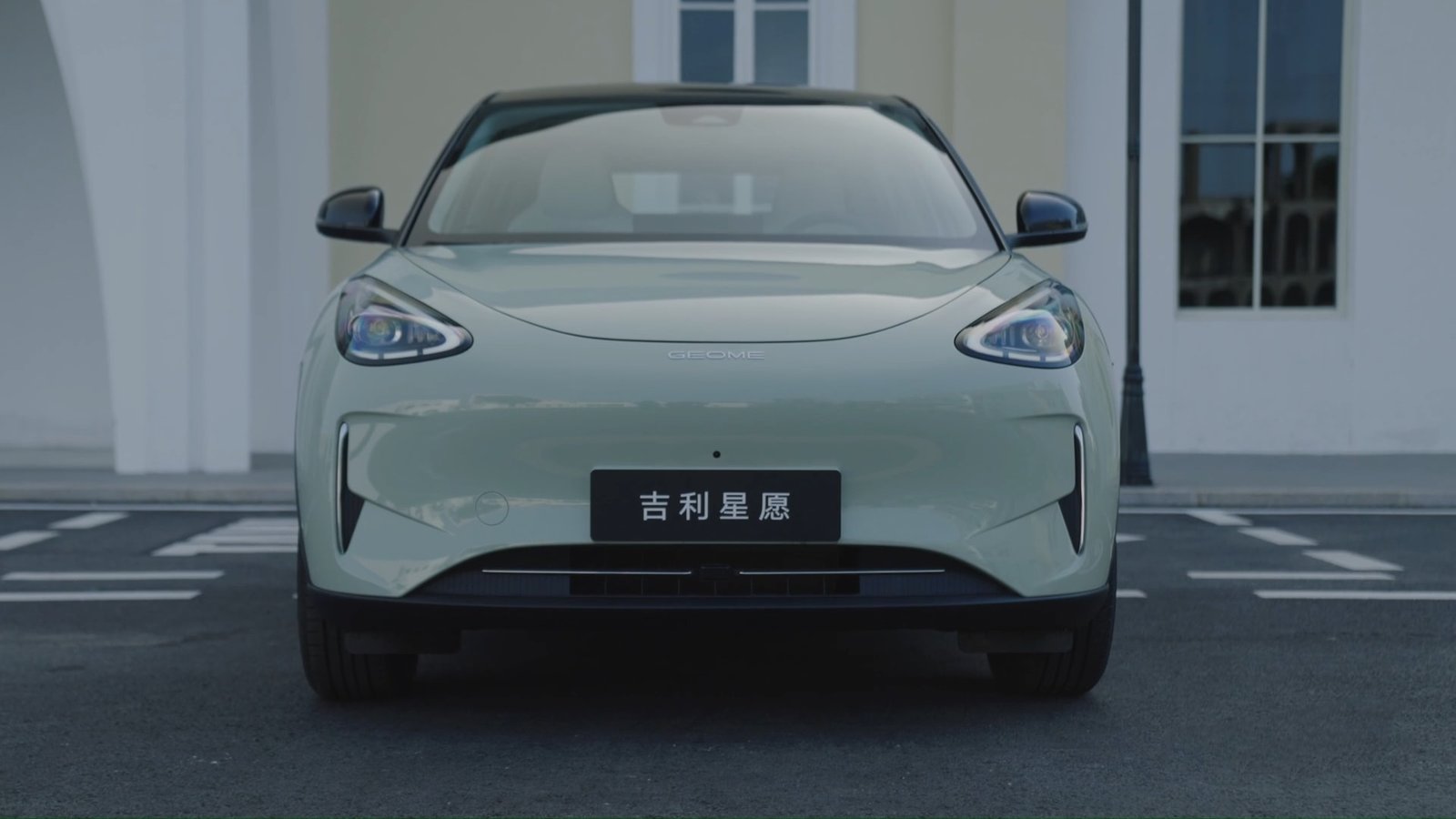
Table 10: May Buyer Demographic Split of Geely Xingyuan Sales
| Buyer Category | Percentage Of Total May Sales | Core Purchase Motivation |
|---|---|---|
| Private First-Time New Car Buyers | 42% | Affordable full-size EV for daily family commuting |
| Ride-Hailing & Taxi Fleet Operators | 42% | Low bulk pricing, minimal running costs, fast charging |
| Second Household Secondary City Car | 12% | Low monthly operating expense for short urban trips |
| Small Business Corporate Shuttle Fleets | 4% | Tax deductions for commercial NEV purchases |
6. Expert Industry Analyst Market Insight
7. Long-Term Market Significance Of Xingyuan’s #1 May Ranking
- It confirms affordable, full-size electric sedans are now the core volume backbone of China’s passenger vehicle market, permanently displacing both micro city EVs and traditional gasoline compact cars.
- Intelligent driving assistance and connected cockpit technology are no longer premium-only selling features; mainstream mass-market buyers now refuse new vehicles without these systems as standard equipment.
- Commercial ride-hailing fleet orders represent a sustainable, high-volume revenue stream domestic EV OEMs can dominate — a market foreign brands have consistently failed to capture at scale.
- Tier-2 and tier-3 inland Chinese cities are now the primary growth engine for auto sales, and Geely’s nationwide dealer network coverage outperforms competitors with limited regional retail footprints.
8. Frequently Asked Questions (FAQ)
Q1: Is the Wuling Hongguang MINIEV cheaper than the Geely Xingyuan? Why does it sell fewer units?
A1: The Wuling MINIEV has a lower base starting price of $4,150 USD, but it is a tiny 2-door micro hatchback with cramped rear seating, minimal cargo space and limited highway performance. The Xingyuan’s full 4-door sedan layout, longer battery range and family-friendly practicality appeal to a vastly larger consumer demographic, creating far higher total monthly sales volume.
Q2: Does superior performance explain why the Xingyuan outsold the Xiaomi SU7 in May?
A2: No. The Xiaomi SU7 delivers far stronger acceleration, track performance and high-end premium hardware for wealthy tech-focused buyers. However its base $24,800 USD price targets a small high-income niche market, while the Xingyuan caters to the mass budget consumer segment which is over 3x larger in China’s auto buying population.
Q3: Will the Xingyuan retain its #1 sales position for June 2026?
A3: Industry forecasts project the Xingyuan will maintain top overall volume ranking. Expanded factory production capacity, ongoing fleet discount programs and continued gasoline car registration restrictions will support consistent high monthly deliveries, with no new competing compact EV models launching in June to steal market share.
Q4: Why can’t Volkswagen, Toyota and other foreign brands compete in this affordable EV segment?
A4: Foreign OEMs carry higher global supply chain overhead and legacy internal combustion engine factory infrastructure costs, making it impossible to match the Xingyuan’s low price point while including full standard intelligent tech features. Domestic Chinese automakers like Geely have localized battery, chip and component supply chains to cut manufacturing costs drastically.
Related XCarSpace Internal Articles To Explore
Verified External Authority Data Sources