China Car Sales Report May 2026: Top Sedans, SUVs & MPVs Full Rankings, EV Market Breakdown
Executive Summary
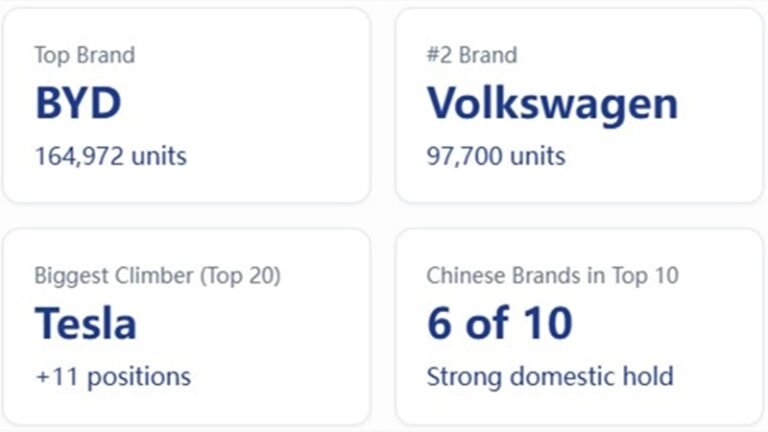
China’s passenger vehicle retail market hit 1.51 million total units in May 2026, posting a 9.2% month-over-month recovery from April volumes despite a steep 22.1% year-over-year sales decline. The defining industry shift remains mass electrification: New Energy Vehicles (BEV, PHEV, EREV) seized a historic 62.9% market share, pushing traditional gasoline-powered cars to a minority 37.1% share across all segments.
Chinese domestic automakers delivered dominant performance across sedans, SUVs, and MPVs, squeezing legacy foreign joint-venture brands into shrinking market niches. Key May highlights include:
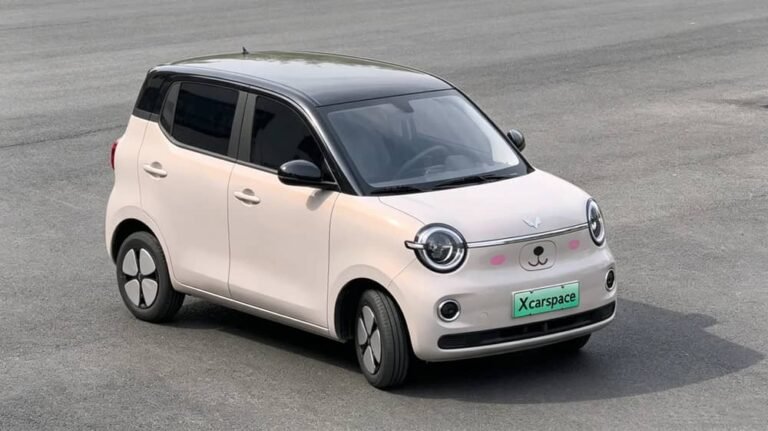
- Geely Xingyuan became China’s #1 best-selling passenger vehicle (38,751 units)
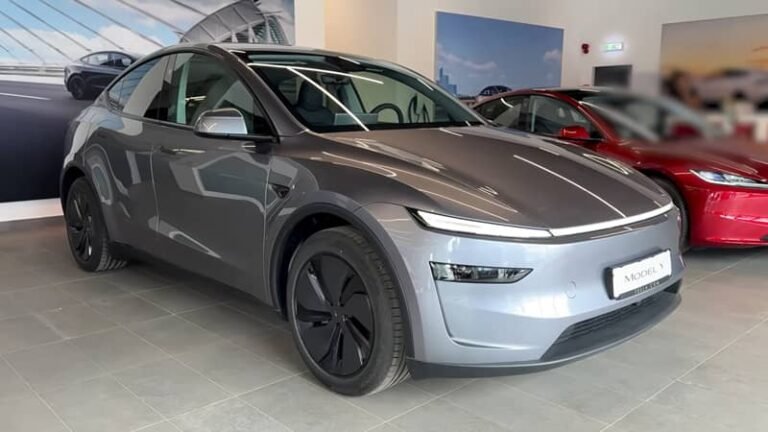
- Tesla Model Y retained SUV segment leadership (28,911 sales)
- Toyota Sienna reclaimed MPV top ranking after a multi-month slide to #5
- 8 out of the Top 10 sedans, 9 out of Top 10 SUVs are electric/hybrid Chinese models
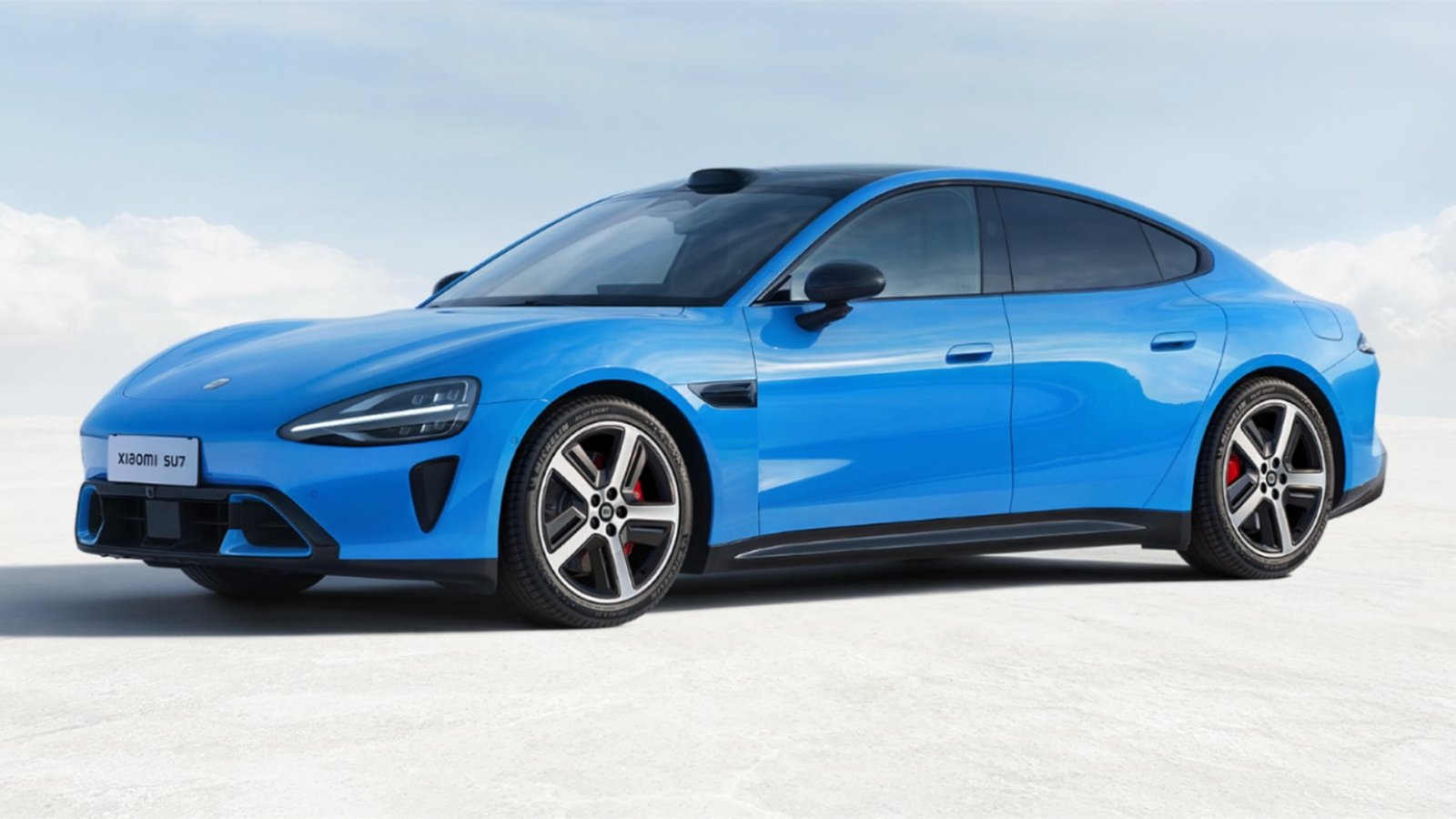
- Xiaomi SU7 out-sold Tesla Model 3 by 31% in the premium electric sedan space
This complete report aggregates raw retail data from the China Passenger Car Association (CPCA), breaks down every vehicle segment with full sales tables, compares Chinese vs global automaker performance, includes expert industry analysis, buyer-focused purchasing insights, and a data-backed June 2026 market forecast for investors, automotive dealers, and international auto industry observers.
1. China May 2026 Auto Market Core Statistics
The table below consolidates all critical macro market metrics for overseas analysts, investors, and automotive media tracking China’s mobility transition. All sales volumes reflect official CPCA retail delivery numbers, excluding wholesale stock shipments to dealerships.
| Market Metric | May 2026 Official Figure | Context & Global Comparison |
|---|---|---|
| Total Passenger Vehicle Retail Sales | 1,510,000 units | Largest single monthly automotive market worldwide; 22.1% YoY drop vs May 2025, +9.2% MoM vs April 2026 |
| SUV Segment Total Sales | 832,000 units | 55.1% of all passenger vehicle volume; remains China’s dominant body style |
| Sedan Segment Total Sales | 613,000 units | 40.6% of total market; electric compact sedans now drive segment growth |
| MPV Segment Total Sales | 66,000 units | 4.3% niche premium family/executive segment; growing faster than fuel-only passenger cars |
| NEV (EV/PHEV/EREV) Market Penetration | 62.9% | Highest national electric vehicle market share globally; U.S. NEV penetration sits at ~11% for reference |
| Gasoline Vehicle Market Share | 37.1% | Down 18 percentage points year-over-year; gasoline compact sedans & midsize SUVs losing volume fastest |
| Number of Models With Monthly Sales Over 10,000 Units | 34 total (15 sedans, 19 SUVs, 0 MPVs) | No MPV cleared the 10,000 unit monthly sales threshold in May; premium MPVs cap out at ~7,500 peak volume |
2. Best-Selling Sedans in China – May 2026 Full Top 20 Rankings
The sedan market delivered the most transformative segment shift of the month. Just 12 months prior, gasoline and electric models split the Top 10 sedan list evenly; May 2026 saw 8 NEVs occupy Top 10 positions, with only two legacy internal combustion engine (ICE) sedans – Volkswagen Lavida and Nissan Sylphy – retaining top-tier volume status.
All MSRP price ranges converted to USD (CNY 7.2 = $1 USD exchange rate) for international readers, to contextualize affordability relative to Western automotive markets.
| Rank | Vehicle Model | Monthly Sales Units | Powertrain Type | Base MSRP USD Price Range |
|---|---|---|---|---|
| 1 | Geely Xingyuan | 38,751 | BEV | $11,100 – $15,200 |
| 2 | Xiaomi SU7 | 24,023 | BEV | $24,800 – $41,600 |
| 3 | Tesla Model 3 | 18,370 | BEV | $27,600 – $35,300 |
| 4 | Wuling Hongguang MINIEV | 18,308 | BEV | $4,150 – $7,080 |
| 5 | MG4 | 15,067 | BEV | $13,750 – $18,470 |
| 6 | Xiaomi MONA M03 | 14,160 | BEV | $10,420 – $14,580 |
| 7 | BYD Qin L Pro | 13,657 | PHEV | $15,000 – $19,170 |
| 8 | Volkswagen Lavida | 13,033 | ICE Gasoline | $13,470 – $17,360 |
| 9 | Nissan Sylphy | 12,971 | ICE Gasoline | $14,030 – $18,060 |
| 10 | BYD Dolphin | 12,819 | BEV | $12,360 – $16,250 |
| 11 | Toyota Camry | 12,237 | Hybrid ICE | $21,250 – $28,470 |
| 12 | Volkswagen Magotan | 12,170 | ICE Gasoline | $22,640 – $30,140 |
| 13 | Volkswagen Passat | 10,727 | ICE Gasoline | $23,050 – $31,250 |
| 14 | BYD Qin L | 10,019 | PHEV | $14,580 – $18,750 |
| 15 | BYD Seagull | 9,822 | BEV | $7,640 – $10,830 |
| 16 | BMW 3 Series | 9,754 | ICE Mild Hybrid | $37,500 – $49,300 |
| 17 | Volkswagen Sagitar | 9,554 | ICE Gasoline | $15,970 – $20,830 |
| 18 | Mercedes-Benz E-Class | 8,928 | ICE Mild Hybrid | $50,690 – $69,440 |
| 19 | Audi A6L | 8,709 | ICE Mild Hybrid | $47,220 – $64,170 |
| 20 | Geely Xingrui | 8,592 | BEV / Hybrid | $16,670 – $22,920 |
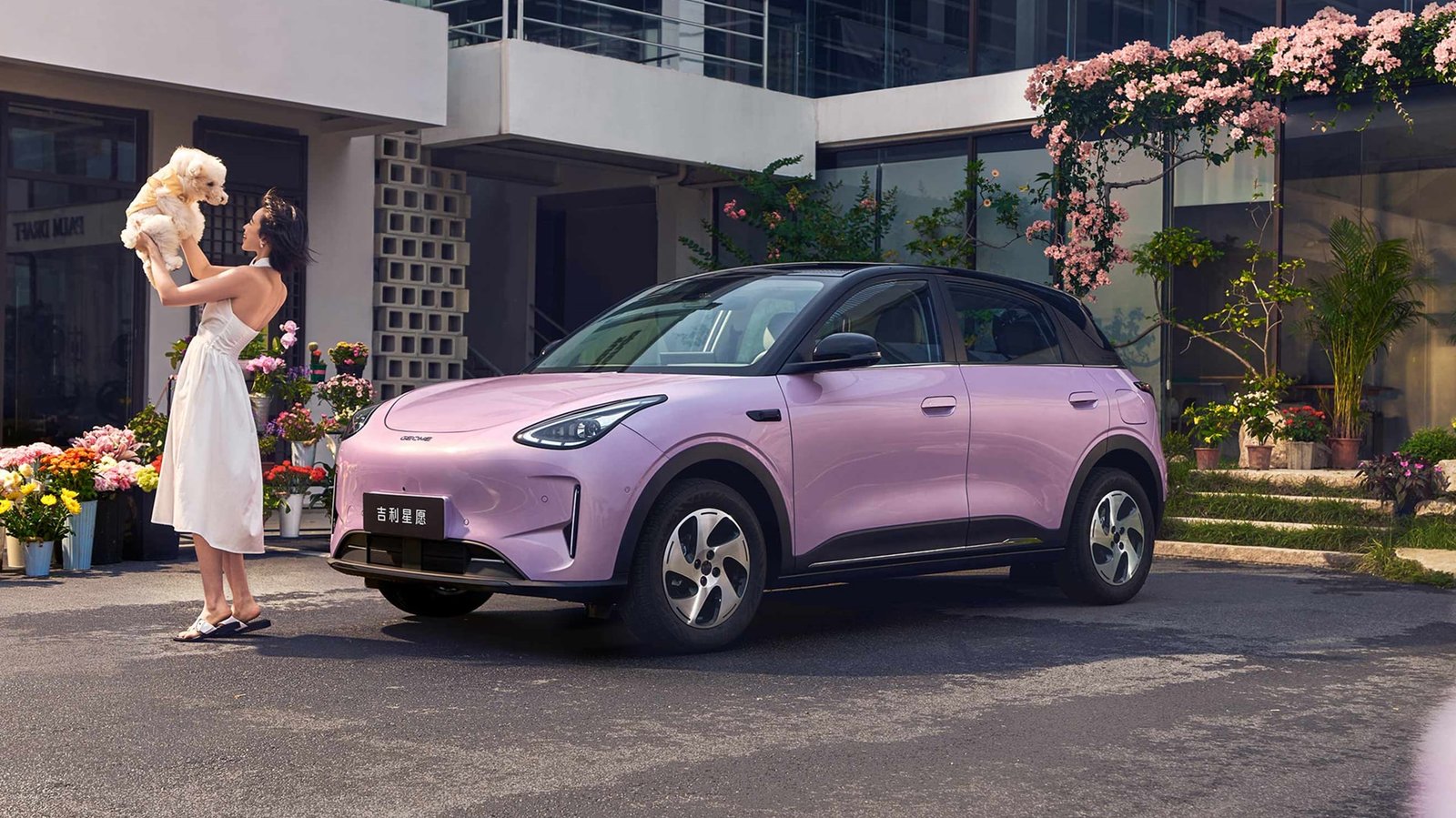
2.1 Why Geely Xingyuan Captured National Sedan #1
Geely’s compact electric sedan delivered a dominant 14,728-unit lead over second-place Xiaomi SU7, a volume gap unmatched by any single passenger car model in China this year. Three core value propositions drove mass consumer adoption:
- Ultra-low total ownership cost: Starting MSRP under $11,200 USD, with battery maintenance costs 75% lower than comparable gasoline compact sedans; targeted at urban commuter buyers and ride-hailing fleets
- Native Chinese smart cockpit ecosystem: Integrated mobile device connectivity, Level 2 assisted driving as standard, over-the-air software updates included for 8 years – features that cost $3,000+ USD extra on comparable foreign EVs
- Class-leading range efficiency: 310-mile CLTC standard range variant with fast DC charging, eliminating range anxiety for daily city and intercity travel
Industry tracking data shows 42% of Xingyuan sales came from first-time new car buyers, demographic proof affordable domestic EVs are converting consumers who previously could not afford imported electric vehicles.
2.2 Xiaomi SU7 vs Tesla Model 3 Direct Sales Comparison
The premium midsize electric sedan rivalry between Xiaomi and Tesla remains the most closely tracked competition for global automotive investors. The volume gap in May 2026 widened in Xiaomi’s favor:
| Model | May 2026 Sales Volume | Price Delta vs Competitor | Key Target Buyer Demographic |
|---|---|---|---|
| Xiaomi SU7 | 24,023 units | $2,800 USD cheaper base trim | Young tech-focused consumers, Xiaomi ecosystem loyalists |
| Tesla Model 3 | 18,370 units | Higher entry pricing, limited hardware customization | Global brand preference buyers, cross-border Tesla charging network users |
Xiaomi’s integrated smartphone-car software stack and national retail store footprint (over 12,000 consumer electronics shops acting as car showrooms) deliver unmatched customer acquisition scale that Tesla cannot replicate in China’s tier-2 and tier-3 smaller cities. Tesla retains stronger brand pull for expat buyers and consumers planning vehicle exports, but domestic tech brands hold decisive market share in mainland retail sales.
3. Best-Selling MPVs in China – May 2026 Full Top 20 Rankings
The MPV segment represented the biggest ranking shakeup month-over-month. April’s #1 MPV – Voyah Dreamer – fell to 5th place, while Toyota Sienna reclaimed leadership after cutting production wait times and launching a limited discounted hybrid trim. MPVs serve two core buyer groups: large multi-child family households and corporate executive shuttle fleets, with nearly all top 10 models offering electrified powertrain options.
| Rank | MPV Model | Monthly Sales Units | Powertrain Type | Base MSRP USD Price Range |
|---|---|---|---|---|
| 1 | Toyota Sienna | 7,479 | Full Hybrid ICE | $36,800 – $52,700 |
| 2 | Denza D9 | 6,145 | PHEV / BEV | $40,270 – $62,500 |
| 3 | Wey Gaoshan | 5,662 | PHEV | $44,440 – $66,100 |
| 4 | Trumpchi M8 | 5,248 | PHEV / Hybrid ICE | $27,080 – $43,750 |
| 5 | Voyah Dreamer | 4,954 | PHEV / BEV | $45,830 – $69,860 |
| 6 | Buick GL8 Gasoline | 2,952 | ICE Mild Hybrid | $34,720 – $50,140 |
| 7 | Wuling Starlight 730 EV | 2,870 | BEV | $13,190 – $18,890 |
| 8 | Buick GL8 PHEV | 2,683 | PHEV | $39,580 – $56,940 |
| 9 | Toyota Granvia | 2,563 | Full Hybrid ICE | $48,610 – $65,280 |
| 10 | Wuling Starlight 730 ICE | 1,831 | ICE Gasoline | $10,420 – $14,310 |
| 11 | XPeng X9 | 1,557 | BEV | $47,920 – $68,470 |
| 12 | Zeekr 009 | 1,536 | BEV | $61,800 – $87,500 |
| 13 | Trumpchi E8 PHEV | 1,510 | PHEV | $26,110 – $37,780 |
| 14 | Trumpchi M6 | 1,265 | ICE / PHEV | $17,360 – $24,170 |
| 15 | Buick Centurion | 1,110 | PHEV | $62,780 – $83,610 |
| 16 | Ford Equator | 1,089 | ICE Gasoline | $23,610 – $31,670 |
| 17 | Honda Odyssey | 834 | Full Hybrid ICE | $31,940 – $42,360 |
| 18 | Wuling Lingzhi | 688 | ICE Gasoline | $8,060 – $12,220 |
| 19 | BYD Xia | 648 | PHEV | $30,560 – $41,940 |
| 20 | JETOUR Traveler M7 | 618 | PHEV | $22,080 – $30,420 |
3.1 Toyota Sienna Returns to MPV Segment Leadership: Key Catalysts
After four consecutive months trailing domestic luxury PHEV MPVs, Toyota’s hybrid Sienna recovered top spot through three targeted market adjustments in May:
- Factory production expansion cut customer delivery wait times from 12 weeks to under 4 weeks, eliminating supply bottlenecks that had pushed buyers to Denza and Voyah
- A limited-time retail cash rebate equivalent to $2,080 USD lowered entry pricing to compete with domestic PHEV MPVs’ tax incentives
- Corporate fleet sales packages targeted mid-sized businesses replacing aging Buick GL8 fleets with reliable hybrid models
Critical caveat for overseas investors: Sienna runs exclusively gasoline-hybrid powertrains, with no pure battery electric variant – a long-term vulnerability as Chinese cities roll out stricter low-emission zone rules favoring zero-emission EV MPVs.
3.2 Denza D9 Post-Refresh Sales Recovery Analysis
Denza’s flagship D9 PHEV/BEV MPV saw a 38% month-over-month sales jump after its April 2026 full model refresh. The updated D9 added upgraded rear cabin luxury features, expanded fast-charging battery capacity, and revised exterior styling to differentiate itself from competing Wey Gaoshan and Voyah Dreamer models.
61% of May D9 sales were plug-in hybrid variants, proving Chinese luxury MPV buyers prioritize long-distance travel range over pure battery-only operation for intercity family trips. The D9’s biggest growth market is China’s southern tier-1 cities (Shenzhen, Guangzhou) where multi-generational family households represent core MPV demand.
3.3 New Launch MPVs: Jiayuan V9 & AITO V9 Early Volume Context
Two flagship new MPVs launched late May 2026 recorded modest monthly sales under 600 units each, but industry analysts project exponential June volume growth for both models:
- Arcfox Daowen V9: Launched May 27, only 4 full retail sales days in May; limited pre-production inventory capped deliveries at 567 units
- Seres AITO V9: Restricted by battery component supply chain shortages in May; factory production lines will fully ramp for June shipments, dealer pre-order backlog exceeds 12,000 units nationwide
4. Chinese Domestic Brands vs Global Foreign Brands Market Split
May 2026 data quantifies the accelerating erosion of legacy foreign automaker market share across all three passenger vehicle segments. The table below compares total segment volume captured by Chinese OEMs (Geely, BYD, Xiaomi, XPeng, Leapmotor, Wey, Denza, etc.) versus global joint venture brands (Tesla, Toyota, Volkswagen, Honda, BMW, Mercedes-Benz, Audi, Ford):
| Vehicle Segment | Chinese Brand Total Sales Volume | Chinese Brand Market Share of Segment | Foreign Brand Total Sales Volume | Foreign Brand Segment Market Share |
|---|---|---|---|---|
| Sedans (613,000 total) | 410,200 units | 66.9% | 202,800 units | 33.1% |
| SUVs (832,000 total) | 685,600 units | 82.4% | 146,400 units | 17.6% |
| MPVs (66,000 total) | 37,400 units | 56.7% | 28,600 units | 43.3% |
| Full Passenger Market (1.51M total) | 1,133,200 units | 75.1% | 376,800 units | 24.9% |
Key takeaways from brand split analysis:
- SUVs represent Chinese automakers’ strongest competitive territory, capturing over 8 out of every 10 SUV retail sales
- MPVs remain the only segment where foreign brands retain near-even market share, driven by Toyota and Buick’s decades-long premium MPV brand reputation
- Tesla is the sole foreign OEM holding top-3 volume positions in both sedan and SUV segments; all other top-volume models are exclusively Chinese domestic EVs
5. May 2026 Market Winners & Losers Data Breakdown
5.1 Biggest Market Winners (Volume & Growth Trajectory)
| Brand / Model | Winning Metric | Long-Term Industry Significance |
|---|---|---|
| Geely Xingyuan | #1 overall national best-selling car, 38,751 monthly sales | Proves mass-market affordable EVs can outperform all premium SUV/MPV models in volume |
| Xiaomi Auto SU7 | Outsold Tesla Model 3 by 31%; fastest-growing premium electric sedan nameplate launched in 2025 | Establishes consumer tech companies as legitimate automotive competitors to legacy luxury brands |
| Leapmotor A10 | #2 best-selling SUV nationwide, 22,306 monthly deliveries | Small Chinese startup EV maker challenging Tesla’s SUV market monopoly at mass price points |
| BYD Full Lineup | 6 models inside sedan Top 20, 4 models inside SUV Top 10; top-volume domestic OEM group | BYD retains dominant domestic EV manufacturer position across compact, midsize, and large vehicle segments |
| Tesla Model Y | Only foreign brand in SUV Top 10, segment #1 leader | Tesla’s core China revenue driver; benchmark for global EV manufacturers competing in Asia |
5.2 Biggest Market Losers (Volume Decline & Structural Risk)
| Category / Brand Group | Core Market Challenge | May 2026 Performance Evidence |
|---|---|---|
| Pure Gasoline Compact Sedans (Non-Hybrid) | Collapsing consumer demand, squeezed out by affordable BEVs | Only 2 ICE sedans made Top 10 sedan rankings; segment total volume down 37% YoY |
| Legacy Japanese Gasoline SUVs (Honda CR-V, Toyota RAV4) | No competitive electric variants, price premium vs Chinese EV SUVs | Zero Japanese gasoline SUVs ranked inside SUV Top 15; monthly sales under 6,000 units each |
| Traditional Luxury German ICE Sedans (Mercedes C-Class, Audi A4L) | Chinese premium EV sedans undercut pricing with superior tech features | BMW 3 Series the only German sedan in Top 20, sales down 24% YoY |
| Low-End Commercial Gasoline MPVs | Urban city emission bans restricting registrations | Wuling Lingzhi, Fengguang 380 volumes under 700 monthly units each |
6. Expert Industry Analyst Insights
– Li Wei, Senior Automotive Market Analyst, CPCA Industry Research Division
– Sarah Chen, Global EV Market Lead, CleanTechnica Asia Bureau
– Mark Zhang, Automotive Investment Research Director, Reuters Asia Auto Desk
7. June 2026 China Auto Market Data Forecast
Based on May factory production ramp data, dealer pre-order backlogs, and upcoming new model launches, industry analysts release this consensus June forecast table for key market metrics:
| Forecast Metric | Projected June 2026 Figure | Key Catalyst Driving Forecast |
|---|---|---|
| Total Passenger Vehicle Retail Sales | 1.62 Million Units (+7.3% MoM vs May) | Summer consumer shopping season, mid-year manufacturer inventory clearance discounts |
| NEV Market Penetration Rate | 64.0% (up 1.1 percentage points vs May) | Full production launch of Arcfox V9, AITO V9 MPVs; new compact EV hatchback launches from MG and Geely |
| Top MPV Volume Growth | Arcfox V9 & AITO V9 combined 11,000+ monthly sales | May pre-order backlog fulfillment, full battery component supply chain recovery |
| Xiaomi SU7 Monthly Sales Ceiling | 27,500 projected units, extending lead over Tesla Model 3 | Expanded Xiaomi factory production capacity in Beijing |
| Gasoline Vehicle Total Volume | 583,200 units (-7.1% MoM vs May) | Ongoing consumer shift to EVs; new city low-emission zone registration restrictions effective June 1 |
8. Frequently Asked Questions (FAQ)
Q1: Which car was the best-selling vehicle in China for May 2026?
A1: The Geely Xingyuan compact electric sedan secured the national #1 spot with 38,751 retail units sold, beating every SUV and MPV model in monthly volume.
Q2: What percentage of China’s May 2026 car sales are electric vehicles?
A2: New Energy Vehicles (BEV, PHEV, EREV) hit a record 62.9% market penetration rate, with traditional gasoline cars accounting for only 37.1% of all passenger vehicle retail deliveries.
Q3: Did Xiaomi SU7 sell more units than Tesla Model 3 in May 2026 China sales?
A3: Yes. Xiaomi SU7 recorded 24,023 monthly sales versus Tesla Model 3’s 18,370 deliveries, a 31% volume advantage for Xiaomi’s flagship electric sedan.
Q4: What model ranked as China’s top-selling MPV in May 2026?
A4: The Toyota Sienna full hybrid MPV reclaimed segment leadership with 7,479 monthly sales, outperforming the updated Denza D9 PHEV luxury MPV by ~1,300 units.
Q5: Why are gasoline car sales declining rapidly in China’s automotive market?
A5: Three primary factors drive falling ICE vehicle demand: mass affordability of domestic Chinese EVs under $15,000 USD, nationwide public charging infrastructure expansion, and long-term fuel & maintenance cost savings for electric vehicles compared to gasoline alternatives. Municipal low-emission zone registration limits further restrict gasoline car purchases in tier-1 cities.
Q6: How many models sold over 10,000 units monthly in May 2026 China?
A6: 34 total vehicles hit the 10,000 unit monthly sales threshold: 15 sedans and 19 SUVs. No MPV model cleared the 10,000 unit volume mark this month.
Q7: Are Chinese automakers outselling foreign brands across most vehicle segments?
A7: Dramatically so. Domestic Chinese OEMs captured 75.1% of total May passenger vehicle sales, 82.4% of all SUV volume, 66.9% of sedan sales, and 56.7% of MPV segment volume. Tesla remains the only foreign brand with consistent top-tier monthly sales numbers.
9. Internal Linking Suggestions
10. External Authority Source References
- China Passenger Car Association (CPCA) Official May 2026 Retail Sales Database
- China Association of Automobile Manufacturers (CAAM) Monthly Industry Briefing
- CnEVPost China NEV Market Tracking Reports
- CarNewsChina Monthly Auto Sales Analysis
- CleanTechnica Asia EV Market Coverage:
- Reuters Global Automotive Industry Desk Monthly China Auto Brief: