The automotive industry has officially entered its “Post-Hardware” era. In 2026, the value of a vehicle is no longer dictated solely by what is under the hood, but by the lines of code governing its behavior. We are seeing a radical transition from cars that are merely “connected” to vehicles that are fundamentally Software-Defined (SDVs). Let’s talk about Top Car Technology Trends for 2026.
For buyers and enthusiasts, 2026 represents a crossroads. The technologies making their debut this year—ranging from commercial solid-state electrolytes to agentic AI co-pilots—are not just incremental upgrades; they are structural shifts in how we define mobility.

2026 Technology Comparison: The Shift in Specs
| Feature | 2023–2024 Standard | 2026 Emerging Standard |
| Battery Chemistry | Liquid Lithium-Ion / LFP | Semi-Solid & Bipolar LFP |
| Charging Speed | 10%–80% in 25–30 mins | 10%–80% in <12 mins |
| Processing Power | Decentralized ECUs | Centralized “Zonal” Compute |
| Connectivity | 5G / Basic OTA | 5G-Advanced / V2X (Vehicle-to-Everything) |
| User Interface | Touchscreens & Voice | AR-HUD (Windshield Projection) + Agentic AI |
1. The Commercial Arrival of Solid-State Batteries (SSBs)
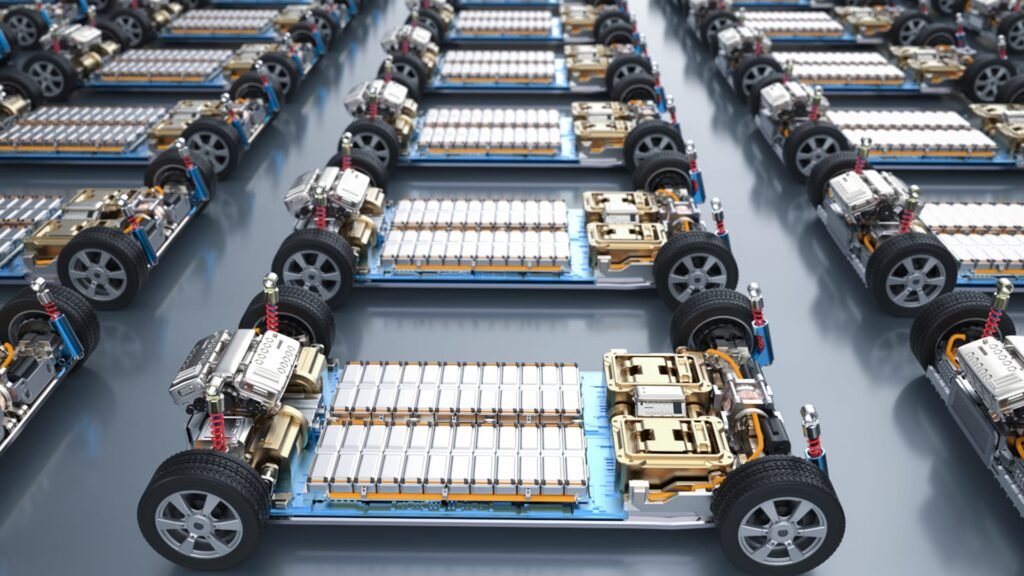
For years, solid-state technology was the “holy grail” that was always five years away. In 2026, the wait is over. Manufacturers like Dongfeng and Stellantis (via Factorial Energy) have moved from laboratory prototypes to pilot production and demonstration fleets.
Unlike traditional Lithium-Ion batteries that use liquid electrolytes, SSBs utilize solid ceramics or polymers.
- The “1,000km” Milestone: 2026 models equipped with semi-solid and full solid-state packs are breaking the 600-mile (1,000km) range barrier on a single charge.
- Thermal Safety: By removing flammable liquids, these batteries are virtually immune to “thermal runaway,” making them the safest high-energy storage solution in history.
2. Agentic AI: From Voice Commands to “Digital Butlers”
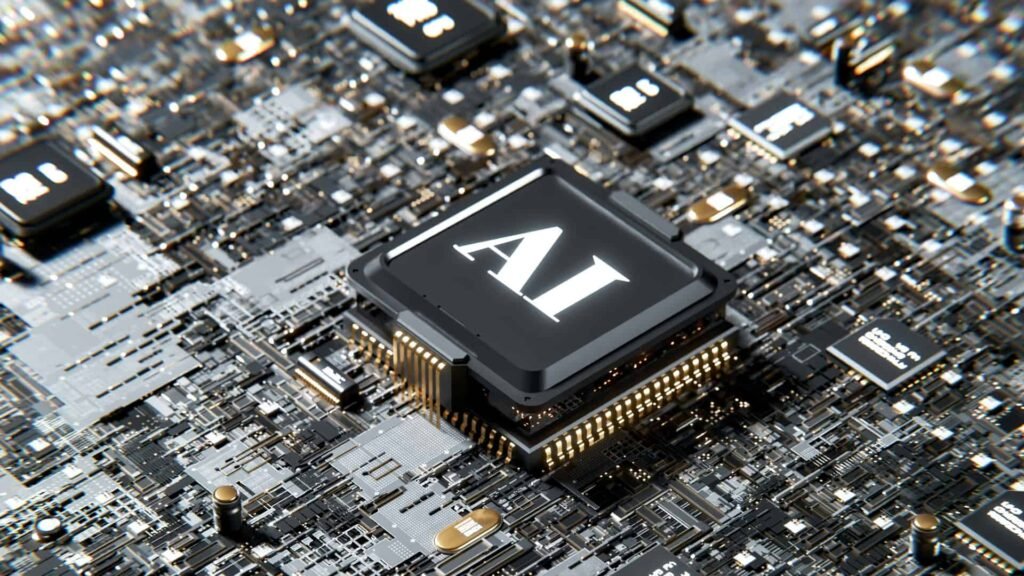
The era of “Hey Mercedes, find a gas station” has evolved into Agentic AI. Integrated with Large Language Models (LLMs) like GPT-5 or proprietary Micro-LLMs running at the edge, the 2026 car doesn’t just respond—it anticipates.
Rather than acting as a simple interface, the AI acts as a proactive agent. It monitors your calendar, tire pressure, and local weather to independently book a service appointment and reroute your morning commute before you even step into the garage. This is “Zero-Click” ownership.
3. Level 3+ Autonomy: The “Eyes-Off” Standard
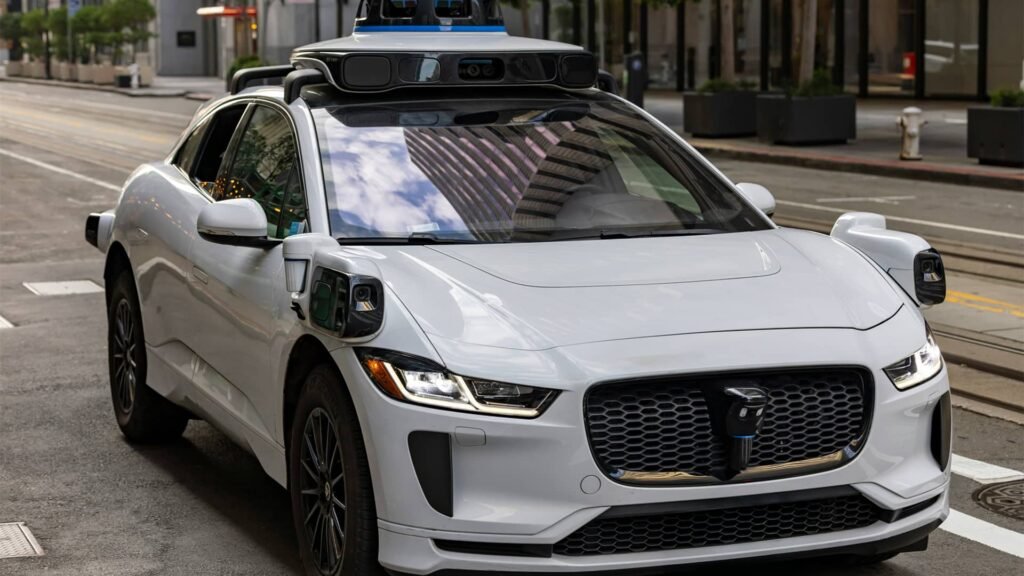
While Level 2 “hands-on” systems are now standard, 2026 marks the aggressive expansion of SAE Level 3 Autonomy across non-luxury segments.
Thanks to the plummeting cost of 4D Imaging Radar and Solid-State LiDAR, vehicles can now maintain full control in highway traffic jams and designated corridors without driver intervention. The legal framework has caught up in major markets, allowing drivers to engage in secondary tasks (reading, messaging) while the vehicle assumes full liability for the driving task.
4. Circular Manufacturing & “Cradle-to-Cradle” Tech
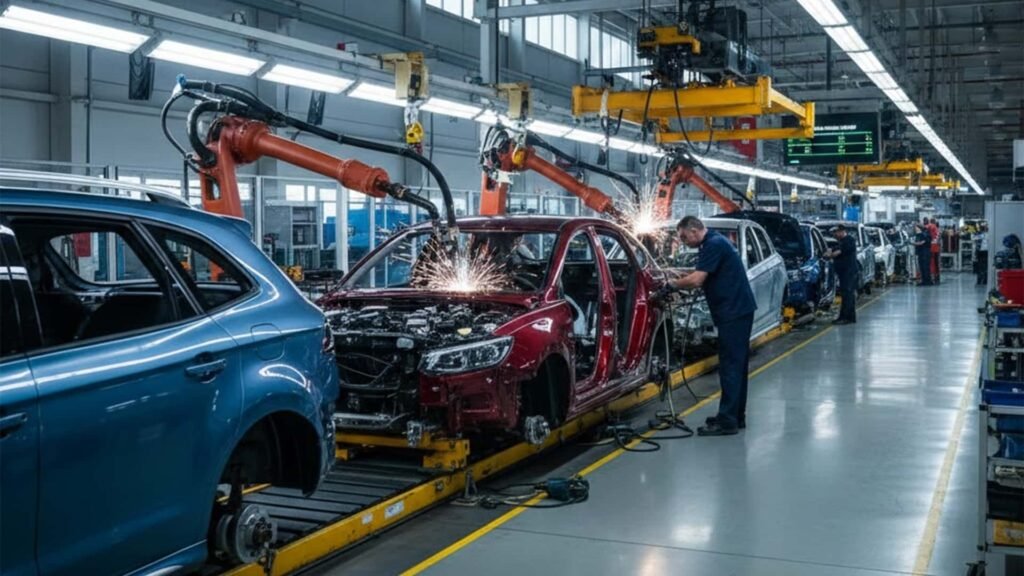
Sustainability in 2026 has moved beyond the tailpipe. Leading OEMs like BMW and Renault are implementing “Circular Economy” tech on the assembly line.
- Low-Melt Viscosity Nylon 6: New engineered plastics are replacing heavy metals in structural components, offering 40–60% weight savings while being 100% recyclable.
- Digital Twins for Batteries: Every 2026 EV battery carries a “Digital Passport.” This allows the manufacturer to track the health of individual cells in real-time, facilitating a seamless transition to “Second-Life” stationary storage once the vehicle is retired.
5. V2X: The Road Starts Talking Back
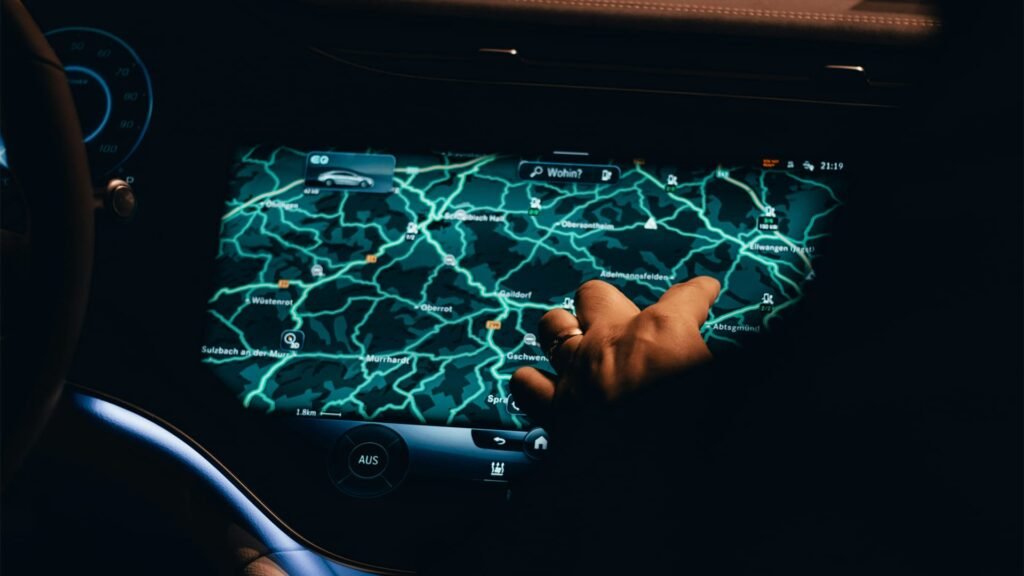
Vehicle-to-Everything (V2X) is no longer a pilot program. In 2026, smart infrastructure in major metropolitan areas communicates directly with your car’s dashboard.
- The “Green Wave”: Traffic lights transmit timing data to your car, which then calculates the “GLOSA” (Green Light Optimal Speed Advisory) to ensure you never have to hit the brakes.
- Emergency Pre-emption: Your vehicle will receive an alert from an approaching ambulance up to 500 meters away—even if it’s around a blind corner—automatically creating a path for the emergency responder.
Should You Buy Now or Wait?
If you are currently in the market, 2026 is the year where residual value will be determined by software compatibility.
Expert Insight: Avoid “legacy” platforms. If a car doesn’t support a centralized zonal architecture and Level 3 hardware (LiDAR), it will likely suffer from accelerated depreciation as 2026 standards become the baseline for the used car market in 2030.
The car of 2026 is a living entity—it learns your habits, protects itself with superhuman sensors, and contributes back to the power grid. We are no longer just driving; we are managing a high-performance digital ecosystem.
Useful Links: